REVIEW · NAHA
From Naha Scuba Diving Trip in Kerama(for certified divers)
Book on GetYourGuide →Operated by SEAKERS · Bookable on GetYourGuide
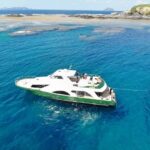
Turtles in Kerama sound unreal. This Naha-to-Kerama National Park day trip puts you on a small boat with hotel pickup and a small group of up to 4 so the morning feels controlled, not chaotic.
I love how SEAKERS runs the day: fluent English/Japanese instructors handle a calm gear check and clear scuba goals before you’re underwater, and the included underwater photos give you something to keep. I also love that the trip is built around Kerama’s sea life, with real underwater time at two official sites and a chance to add a third session.
The one thing to watch is wetsuit fit. One participant said the rental wetsuit was too tight to zip up, so if you’re between sizes or have a body shape that’s hard to fit, ask about sizing early.
In This Review
- Key things that make this Kerama day trip worth your time
- Naha to Kerama in 8 hours: how the schedule really feels
- Hotel pickup and drop-off: the part that makes or breaks the day
- Safety briefing and boat check: what you’ll do before you go underwater
- Kerama National Park underwater time: sites, sea life, and real visibility
- Lunch and the gap between sessions: planning matters more than you think
- Guides on the surface: what the best instructors do (and who you might meet)
- Included equipment and the wetsuit reality check
- Photos and insurance: where your money quietly goes
- Optional third session and underwater computer add-ons
- Who should book (and who should skip this Kerama trip)
- Price and value: what $206 gets you in real terms
- Should you book SEAKERS from Naha for Kerama?
- FAQ
- Do I need certification for this Kerama trip?
- How many people are in the small group?
- What’s included in the price?
- Is lunch included?
- Can I add a third underwater session or an underwater computer?
- Where does pickup and drop-off work?
Key things that make this Kerama day trip worth your time
- Small group of 4 keeps the instructors focused and the pace comfortable.
- Two underwater sessions included at Kerama National Park sites, with an optional third add-on.
- English and Japanese support for the boat briefing and the underwater briefing.
- Hotel pickup and drop-off in selected Naha and Ginowan areas makes logistics painless.
- Equipment rental + scuba insurance means fewer things to organize yourself.
- Underwater photos included, with some guides also sending edited photos and short video clips after the day.
Naha to Kerama in 8 hours: how the schedule really feels
This is a full-day outing that starts early and stays structured, which is exactly what you want on a boat day. Pickup starts around 6:45 AM from Naha-area locations, then you’ll head out by speedboat with a roughly 1-hour ride before you’re at the Kerama Islands.
Once you arrive, the day follows a simple rhythm: brief, assemble gear, go out, then repeat. You get two main underwater sessions, plus a lunch break on the boat between them. An optional third session can be added for extra cash, but it’s not required.
The whole trip runs about 8 hours, and drop-off back to Naha/nearby areas is typically around the afternoon (timing can shift with boat schedules). If you’re the type who hates rushing, you’ll probably appreciate the orderly pace and the small-group format.
You can also read our reviews of more tours and experiences in Naha.
Hotel pickup and drop-off: the part that makes or breaks the day
On paper, it sounds straightforward: pickup and drop-off at your accommodation. In practice, this kind of service is what makes a day trip feel doable instead of stressful.
SEAKERS offers multiple pickup options in Naha, including Urasoe, Naha, and Ginowan. There are a couple of important limits, though. In Naha city area, Akamine and Shuri area are excluded. In Ginowan city area, pickup is only listed for certain hotels, including Laguna Garden Hotel, Okinawa Prince Hotel, Moon Ocean Ginowan Hotel & Residence.
Also, be punctual. This is the one situation where “I’m a few minutes late” can turn into “you missed it.” The operator notes they’ll consider it a no-show if you don’t arrive at the meeting spot on time.
Safety briefing and boat check: what you’ll do before you go underwater
For certified participants, the goal isn’t re-learning skills. It’s getting everyone lined up for a smooth day: gear setup, expectations, and safety habits that match the local conditions around Kerama.
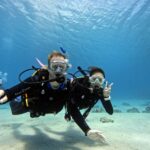
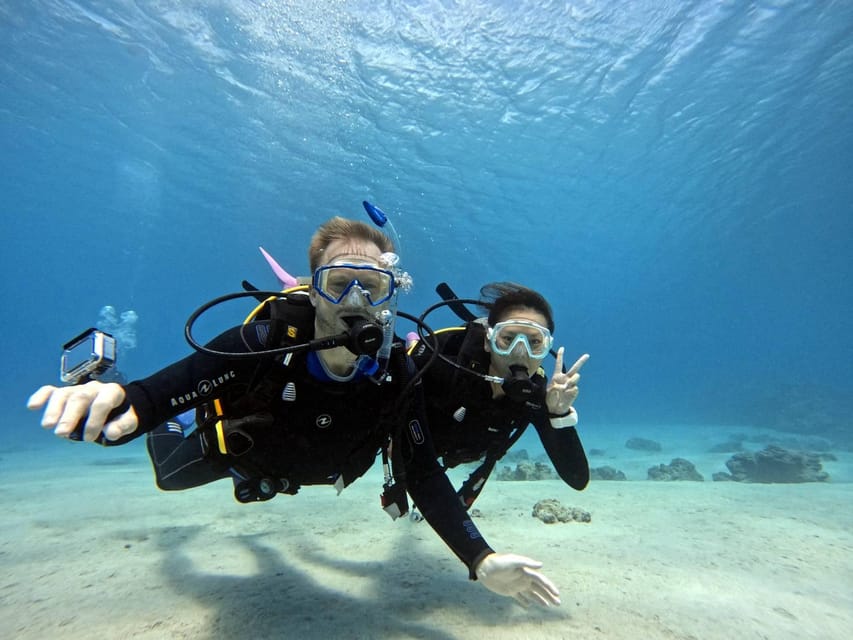
The instructors give boat briefing and underwater briefing in English and Japanese, so you’re not stuck guessing what to do next. You’ll also assemble your rented equipment before departure, then do the standard pre-water readiness checks with your guide.
Because the group is capped at 4 participants, you’re more likely to get direct attention during the setup. That matters if you need help confirming weighting, checking straps, or making sure your gear is comfortable. It also helps on a practical level: fewer people, fewer delays, less time waiting around on a boat deck.
Kerama National Park underwater time: sites, sea life, and real visibility
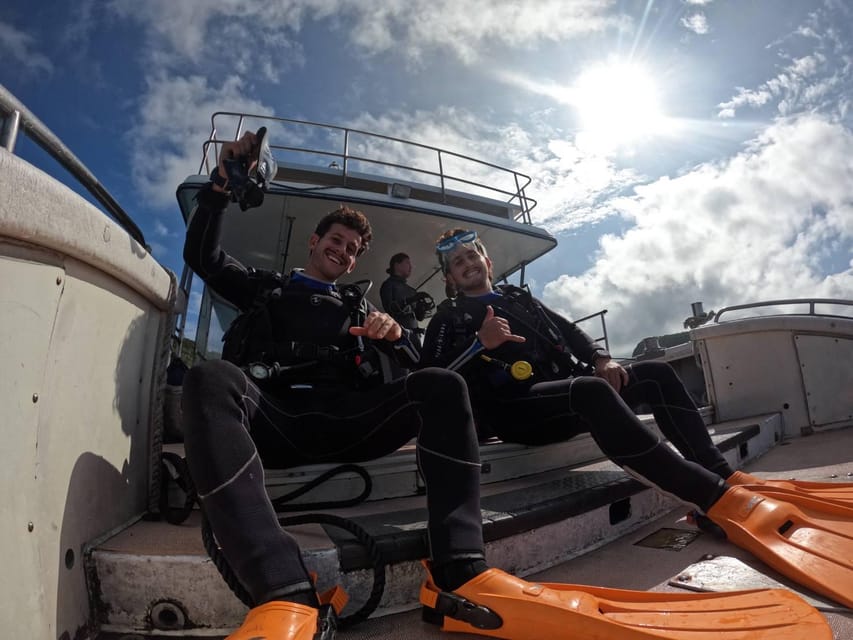
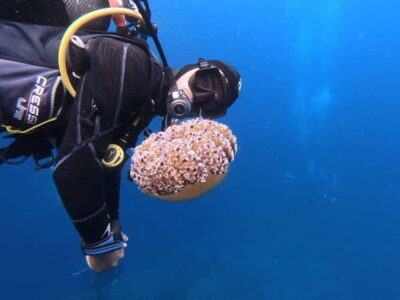
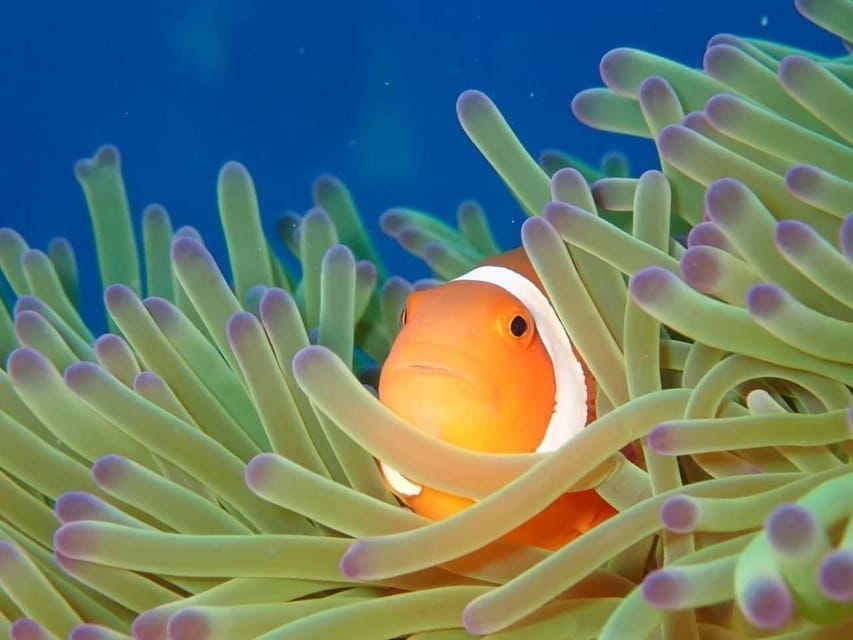
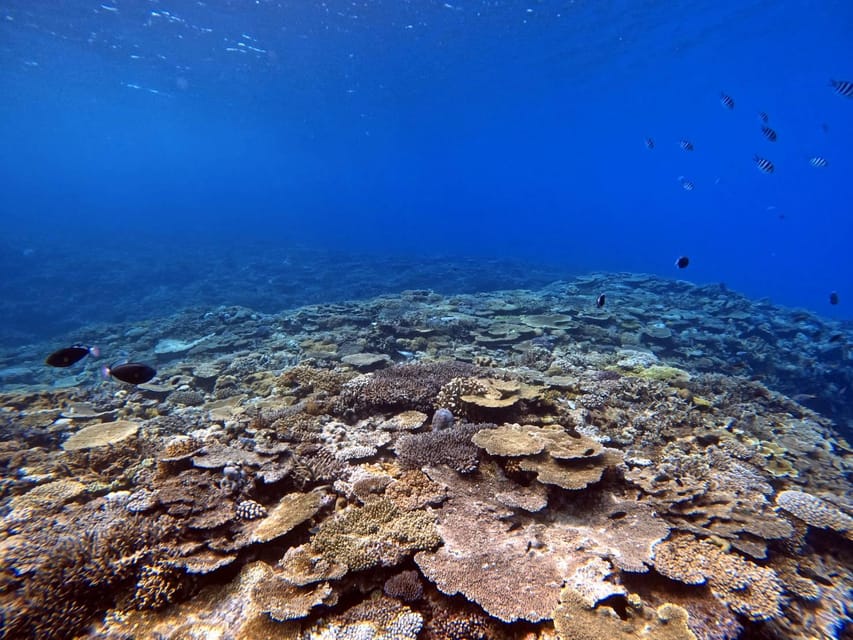
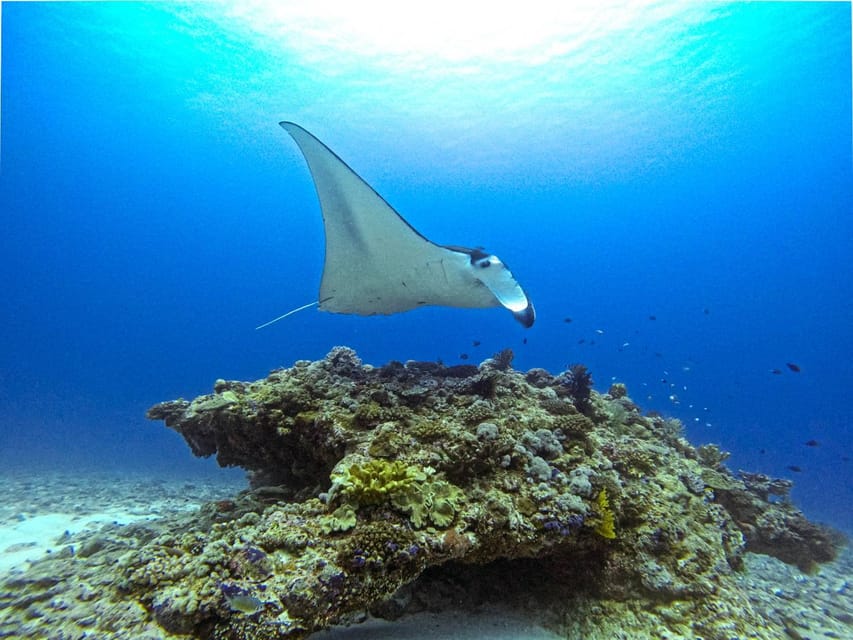
This outing centers on Kerama National Park, and that’s where the day earns its reputation. You’ll spend your underwater time at two official sites, and many people love how clear the water is out here—one recent participant described visibility as unbelievably blue.
From the site names that have come up, you may visit places such as Nosaki, Doma, and Kameku off the Kerama Islands. The exact pair can vary, but the pattern stays the same: two different underwater stops, so you’re not stuck seeing the same stretch twice.
What you can realistically look for based on reported sightings:
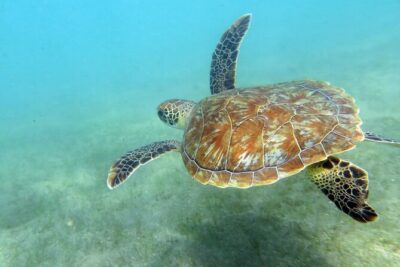
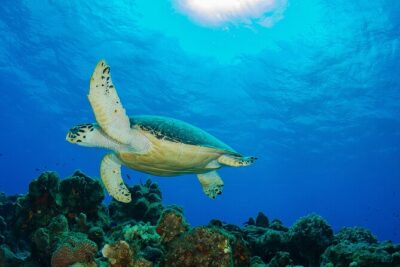
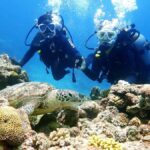
- Sea turtles, including people swimming alongside them at close range
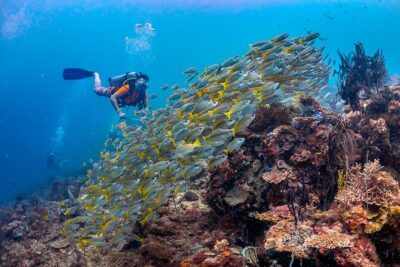
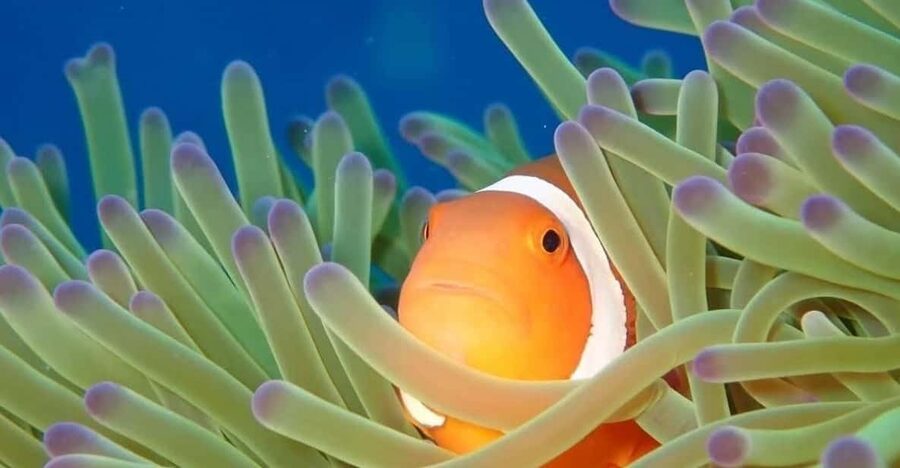
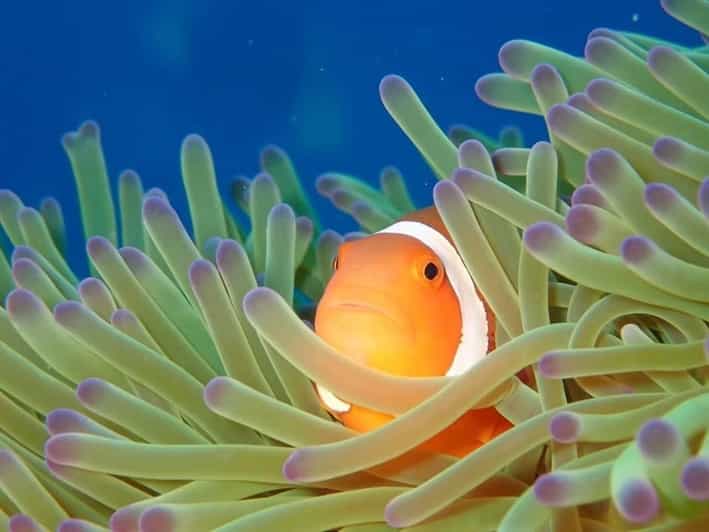
- Reef life with lots of fluorescent color (think small fish clusters and bright reef species)
- Occasional bigger encounters, including a reef shark sighting reported by one participant
- Coral reef areas that can include interesting underwater structures such as small caves (reported by a couple of people)
One practical note: even though the group is small, the boat and reef can be busier than some people expect depending on the day. If you’re used to very quiet water conditions, plan to treat this as a popular, well-run area—then focus on your own buoyancy and the sea life instead of how many boats are around.
Lunch and the gap between sessions: planning matters more than you think
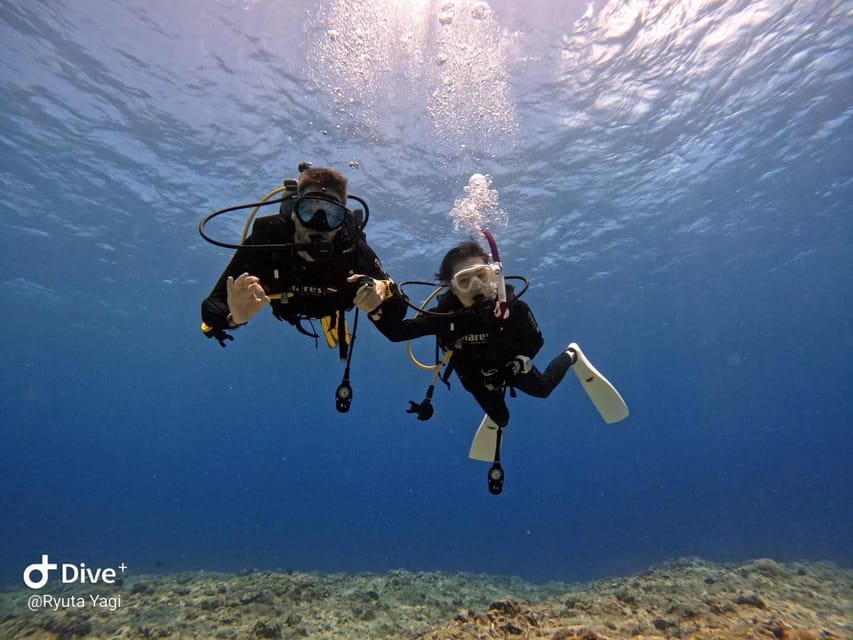
Between the two main underwater sessions, you’ll get a lunch break on the boat. However, lunch isn’t marked as included in the standard price. The practical move is to plan for your own food and drink.
The tour info is also very clear about what to bring: pack food and drinks, bring a towel, and bring a packed lunch if needed. That way you don’t end up hungry on a day where the schedule is mostly set by tides, boat departures, and safety checks.
Even if the boat time feels long, the in-between period is where you recharge and keep your energy steady for the second session. If you tend to get chilled, think ahead too. Bring a change of clothes so you’re not sitting around in wet gear while you wait for the next outing segment.
Guides on the surface: what the best instructors do (and who you might meet)
The heart of a good day like this is the guide behavior. SEAKERS uses English-speaking instructors, and that shows in how people describe the experience: they feel safe, relaxed, and welcomed.
Specific guide names that have shown up in recent experiences include Yun, Utah, and Ryuta. Across those accounts, common themes are:
- clear explanations that are easy to follow
- patient support when someone needs extra reassurance
- attention to safety without turning the day into a lecture
If you’re a confidence-focused participant—someone who wants to understand what’s happening and why—you’ll probably like this style. The instructor doesn’t just point and go. They provide boat briefing, underwater briefing, and a structured flow that keeps you from feeling lost in a fast-moving environment.
Also, with small groups, you’re less likely to feel rushed. People have noted that they felt properly welcomed and not like they were being processed through a factory line.
Included equipment and the wetsuit reality check
This trip includes scuba equipment rental, which is a big deal for value. You’re paying for the staff, the boat ride, the local sites, and the safety structure—not for a long list of add-ons you have to hunt down in advance.
But the wetsuit fit is the one area you should treat as a “double-check” item. One participant reported their wet suit was too small in the sense that it fit but couldn’t zip fully. The water is warm enough that the person still felt fine, but it’s a reminder: rental gear is convenient, and it can also be imperfect.
My practical suggestion:
- If you’re between sizes, bring up sizing needs early
- If you already own a wetsuit that fits you well, consider bringing it if the operator allows it (the info here doesn’t confirm your own gear is accepted, so you’d need to ask)
Other practical gear reminders from what you’re told to bring: flip-flops for moving around before and after, and a towel. Oversize luggage and large bags aren’t allowed, so keep your carry-on simple.
Photos and insurance: where your money quietly goes
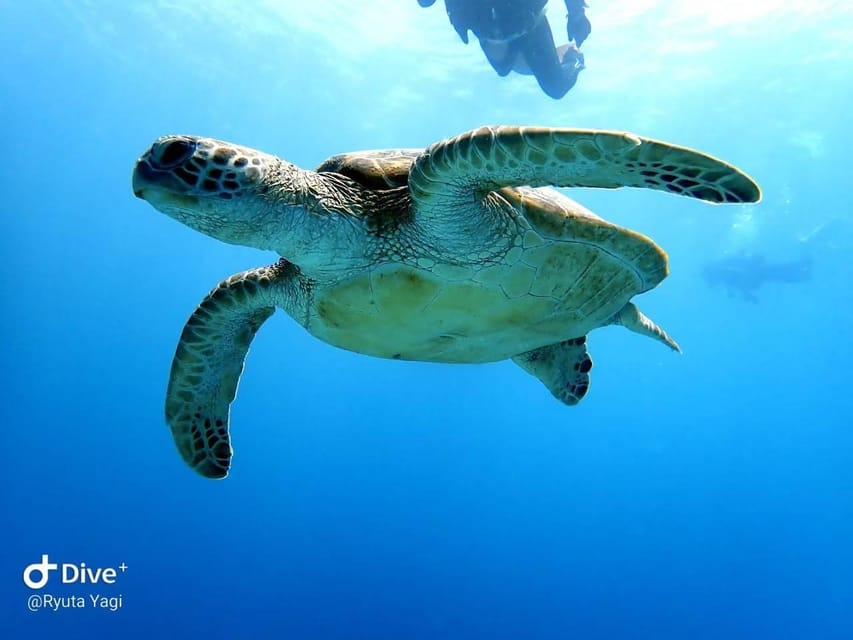
The standard price includes scuba insurance and underwater photos. That means you don’t have to add a separate “memory package” to get proof of what you saw.
Underwater photos are listed as included, and several experiences also mention edited photo sets and even edited video short clips sent after the day. Even if video isn’t guaranteed, it’s a good sign that the team treats memories as part of the service, not an afterthought.
If you’re traveling with friends, photos also help you compare what each person noticed—especially on a day with turtles and bright reef fish where the view can change quickly based on where you position yourself.
Optional third session and underwater computer add-ons
The standard experience includes two underwater sessions. A third session is optional, available as an add-on for 5,500 yen in cash.
There’s also an add-on for an underwater profile computer listed at 1,500 yen in cash. It may be free when you leave a positive review, according to the tour details. If that matters to you, decide before the day starts so you aren’t scrambling later.
My recommendation: if your first two sessions feel great and you’re comfortable with your certification and buoyancy control, the third add-on is often the easiest way to extend the day. Just be ready that it can push your schedule slightly depending on how the boat timing works.
Who should book (and who should skip this Kerama trip)
This is for certified participants only. You need a valid scuba certification from a recognized organization, and the trip info lists multiple health and safety exclusions.
Not suitable for include:
- children under 12
- pregnant women
- people with heart problems, high blood pressure, epilepsy, diabetes, kidney problems, or recent surgeries
- people with low level of fitness
- people prone to seasickness
- wheelchair users
- non-swimmers
If any of these apply, I’d treat this as a firm no based on the operator’s stated requirements.
Who it fits best:
- certified scuba participants who want a structured, small-group day
- people who value hotel pickup and tight logistics
- anyone who loves sea turtles, reef life, and clear water, and wants two solid underwater experiences in one day
Price and value: what $206 gets you in real terms
At $206 per person for an 8-hour day, the price looks fair once you separate what’s included from what you’d otherwise have to arrange.
You’re getting:
- hotel pickup and drop-off (often the priciest time-saving item for local tours)
- boat transport to the Kerama Islands area
- equipment rental
- two scheduled underwater sessions at Kerama National Park
- an English/Japanese guide
- scuba insurance
- underwater photos
The main value “gotcha” isn’t the base price—it’s that lunch isn’t listed as included, and the third session and underwater profile computer are add-ons. If you plan your own packed lunch and you decide early whether you want the third session, you’ll feel in control of your final spend.
For many people, the included photos alone can justify part of the cost. Then add the fact that you’re paying for guided safety and local site access rather than just paying for a generic boat ride.
Should you book SEAKERS from Naha for Kerama?
I’d book it if you want a well-run Kerama Islands day with small-group attention, English/Japanese coaching, and two strong underwater sessions at Kerama National Park with photos included. The pickup service is also a big reason to choose this operator if you’re staying in Naha or one of the eligible Ginowan hotel areas.
I’d think twice if wetsuit sizing matters a lot to you. Ask about sizing early, and don’t assume rentals will fit perfectly. Also, if you’re very sensitive to busy conditions on boats and reefs, know that the area is popular and the day can feel crowded at times even with a small group.
If you want a clear, organized day that trades chaos for control, SEAKERS is a solid pick.
FAQ
Do I need certification for this Kerama trip?
Yes. All participants must have a valid scuba diving certification from a recognized organization.
How many people are in the small group?
The group is limited to 4 participants.
What’s included in the price?
Your price includes hotel pick-up and drop-off, scuba equipment rental, boat ride, two boat sessions in Kerama National Park, an instructor (English & Japanese), insurance, and underwater photos.
Is lunch included?
Lunch is not listed as included. The schedule includes a lunch break on the boat, so it’s smart to plan for your own food and drinks.
Can I add a third underwater session or an underwater computer?
Yes. A third session add-on is available for 5,500 yen in cash, and an underwater profile computer add-on is listed at 1,500 yen in cash (it may be free in exchange for a positive review).
Where does pickup and drop-off work?
Pickup and drop-off are offered in select Naha and Ginowan areas, with Naha city exclusions including Akamine and Shuri area. In Ginowan, pickup is listed only for specific hotels, and drop-off is offered in Ginowan, Naha, and Urasoe.