REVIEW · DOMINICAN REPUBLIC
Punta Cana: PADI Open Water Scuba Certification (2–3 Days)
Book on Viator →Operated by SeaPro Divers · Bookable on Viator
Scuba feels like magic at first breath. In Punta Cana, SeaPro Divers turns that leap into a PADI Open Water course that mixes pool practice, clear instruction from staff like Kat and instructors such as Jennifer and Daniel, and then open-water training. I really like the small group feel (max 10), and I also like that equipment and the core lessons are bundled so you are not hunting gear or second-guessing steps. One thing to consider: hotel pickup is only for selected hotels, and it is not included for Cap Cana and Punta Cana Resort Club hotels.
The start is simple: you meet at SeaPro Divers at Playa Blanca #2, and classes begin at 9:00am. From there, your schedule is designed to get you comfortable with the gear, build confidence, and finish with certification you can use worldwide. If you are traveling from somewhere high in altitude or you plan to fly soon, keep in mind they do not recommend diving within 24 hours of flying, and you will need to complete a health questionnaire first.
In This Review
- Quick Hits (What I’d Plan Around)
- Punta Cana’s SeaPro Base at Playa Blanca
- 2 or 3 Days to Earn Your PADI Open Water Diver Card
- Pool Sessions First: Gear, Skills, and Confidence
- Open-Water Training Off Punta Cana: What You’re Actually Doing
- Instructors and Small Groups: Why It Feels Personal
- Value for $649: What You’re Paying For (and What You’re Not)
- What to Pack and How to Prep (So Day 1 Goes Smooth)
- Logistics That Matter: Meeting Point, Pickup Limits, Timing
- Who This PADI Course Fits Best
- Should You Book SeaPro Divers in Punta Cana?
- FAQ
- What certification do you receive after completing the course?
- Is it a 2-day or 3-day program?
- Where do the sessions start, and what time do they begin?
- Is hotel pickup included?
- What is included in the price?
- What is not included?
- What are the minimum age and fitness level requirements?
- Do I need to fill out any health paperwork?
- Can I get a full refund if I cancel?
Quick Hits (What I’d Plan Around)
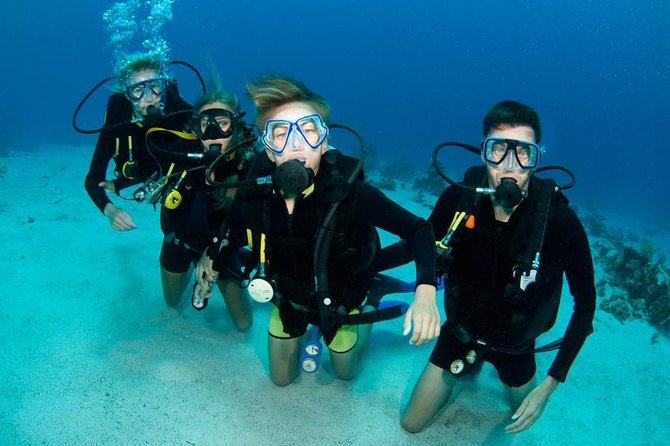
- Small group size (up to 10) makes it easier to get personal feedback when you’re learning buoyancy and breathing control
- Kat’s fast coordination shows up in real-world organization, from signup help to keeping everything on track
- Instructors like Jennifer, Daniel, and Craig earn praise for patience, clear directions, and steady reassurance for first-timers
- 2-day or 3-day formats let you match the pace to your vacation schedule
- Gear is included, so you arrive and focus on skills instead of logistics
- Pickup limits matter: some Punta Cana areas are excluded, so plan your ride early
Punta Cana’s SeaPro Base at Playa Blanca
SeaPro Divers runs the course from Playa Blanca in Punta Cana, with your day typically starting at 9:00am. That timing is good because it sets you up to get the hardest learning done early, before the day heats up or the ocean turns cranky.
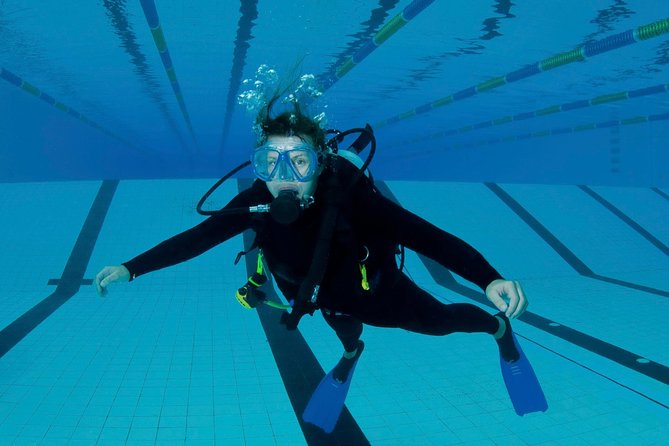
What I like here is the practical rhythm: you do the classroom and pool work first, then you move into open water once you are ready. That matters because your first day is not really about showing off underwater. It is about getting your breathing, mask clearance habits, and comfort with the equipment under control—so the later water sessions feel like progress, not a surprise exam.
Also, SeaPro is organized enough that people talk about fast communication and smooth pickup. The team includes organizers like Kat (and other staff who handle coordination), plus instructors who run the hands-on skills. If you are the type who gets nervous before trying something new, that kind of structure helps.
You can also read our reviews of more tours and experiences in Dominican Republic.
2 or 3 Days to Earn Your PADI Open Water Diver Card
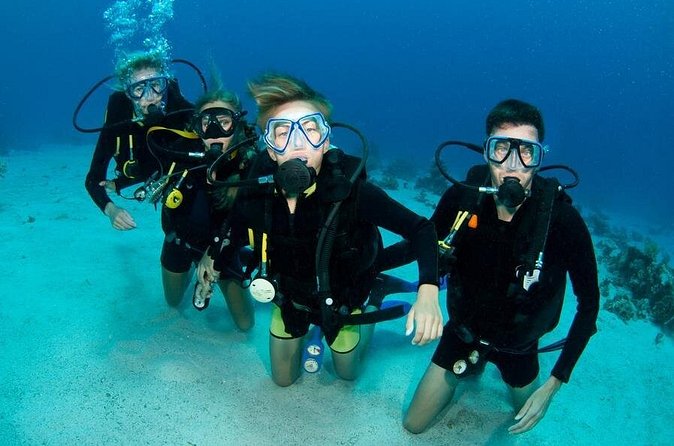
You have a choice between a 2-day and a 3-day PADI certification course. The 2-day option is for people who want to get certified quickly and go back to enjoying the rest of their trip. The 3-day option is better if you want a little more breathing room in training or if you are interested in an added experience on an extra day.
PADI certification is internationally recognized, so the end goal is not just a local badge. Once you complete the course, you receive your PADI certification card that is valid for scuba in other destinations worldwide. That’s the real payoff: you are not only buying a vacation activity—you are building a skill you can use later.
One detail that can shape expectations: the course includes pool and open-water sessions, but it’s still a training timeline built for efficiency. Reviews point out that the program can feel fast-paced, especially if you have never been in the water with gear. If you know you learn slowly under pressure, plan to take the process seriously and go easy on distractions on training days.
Pool Sessions First: Gear, Skills, and Confidence
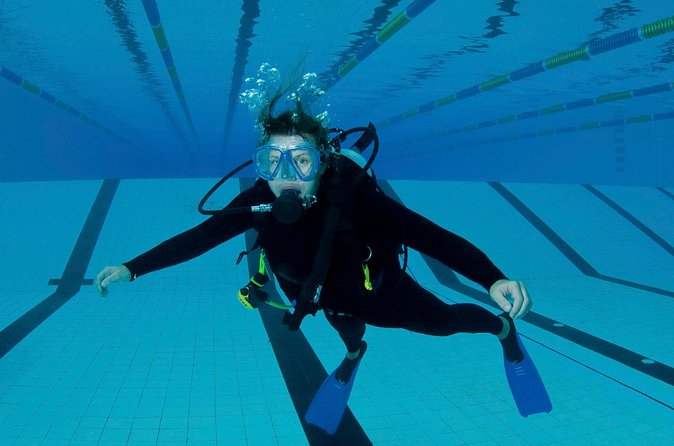
Your training begins in the pool and includes classroom time. This is where you learn the fundamentals: how to use your equipment, how to manage basic procedures, and how to test your skills with guidance right there where you can breathe easily and control the environment.
Pool practice is not glamorous, but it is the smart part. It’s where you learn to stop panicking. It’s where you get comfortable with the feel of the regulator, how buoyancy changes, and how to handle the small moments that can feel big when you are new—like getting your mask settled or managing your comfort zone.
I also appreciate that the team is known for patience. Instructors like Jennifer and Daniel get called out for clear directions and a calm teaching style, including extra time when students struggle. That’s the difference between a course where you “survive” training and one where you leave feeling capable.
If the ocean is rough on your travel dates (it can happen on the coast), the pool work usually does the heavy lifting. It gives you the confidence to handle real water conditions without spiraling.
Open-Water Training Off Punta Cana: What You’re Actually Doing
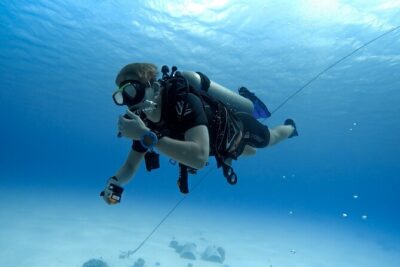
The open-water portion is the part you came for. You take your skills from the pool and apply them in the ocean. This is where you use your training in real conditions—waves, natural light changes, and the feeling of being outside the controlled space of a pool.
Here’s the practical truth: your goal is not to “look like a natural.” Your goal is to demonstrate control and learn to respond calmly when conditions shift. That’s why the instruction style matters so much. Many students highlight instructors for being thorough and for using positive reinforcement, especially when first-timers are nervous about being underwater.
What might surprise you is how quickly you can feel proud. People describe the experience as worth it even when the water had seaweed or algae. That tells me two things: first, the team focused on safety and training outcomes. Second, the ocean conditions aren’t always picture-postcard perfect, but you can still get the certification experience you came for.
If you are sensitive to ocean conditions, bring realistic expectations. Your comfort will depend on how your body handles movement and how well you can follow instructor cues.
Instructors and Small Groups: Why It Feels Personal
SeaPro caps group size at 10. That is a big deal in a skills course. Fewer people means more chances to get feedback without standing around while everyone else does something you have not mastered yet.
The staff names show up again and again, which is usually a sign of consistent service:
- Kat (coordination, communication, organization)
- Jennifer (patient, clear instruction for certification skills)
- Daniel (supportive instructor praised for being patient)
- Craig and Kraig (also praised for instruction)
- Eugenio (mentioned in a positive context for training experience)
- Petra and Jessica (also noted as part of the team in certification experiences)
Even if you do not get the exact instructor someone else had, the teaching approach seems consistent: clear instructions, patience when you struggle, and calm reassurance when you’re nervous. For first-time divers or people completing certification on vacation, that matters as much as the actual underwater spots.
Value for $649: What You’re Paying For (and What You’re Not)
At $649 per person, this is not a cheap throwaway excursion. But it is also not just a “look around underwater” snorkeling event. You are paying for a structured PADI certification program, pool and ocean training sessions, and all the gear needed for the course.
Here is what you do get:
- PADI certification upon completion
- Pool and open-water sessions
- Diving equipment
- An instructor-led course with real training
- Hotel pickup and drop-off for selected hotels
- Mobile ticket
Here is what you do not get:
- Food and drinks
So how do I judge the price? I think it is best for people who want the real credential, not just an evening activity. If you were to buy gear elsewhere, pay for separate instruction, and then organize a local training schedule, the package starts to look more reasonable.
That said, one review included a fair warning: the certification can feel pricey compared to other training locations worldwide. My take: it may be worth it for the convenience, the organized team, and the vacation-friendly structure. If you’re a hardcore bargain hunter, you might compare other regions. But if Punta Cana is already your base and you want a smooth path to certification, this setup is easy to recommend.
What to Pack and How to Prep (So Day 1 Goes Smooth)
SeaPro recommends bringing a snack and sunscreen, and I agree. Even with a structured day, you can get hit with sun fast, and a small snack helps you focus before the pool and ocean sessions.
Also keep these practical notes in mind:
- Minimum age is 10.
- You’ll complete a health questionnaire prior to diving, and some medical conditions (like asthma or heart conditions) may prevent you from diving.
- They do not recommend diving within 24 hours of flying.
- You should have a moderate physical fitness level.
You do not need to overthink your packing list based on what’s provided, but do plan for the basics: sun protection, something small to eat, and comfortable swimwear and gear-ready clothing for transitions between land and water. If you can, show up rested. First-timer training goes better when your brain is not already running on fumes.
Logistics That Matter: Meeting Point, Pickup Limits, Timing
Meet at SeaPro Divers: Playa Blanca #2, Punta Cana 23000. The start time is 9:00am, and the activity ends back at the meeting point.
Pickup is offered, but only for selected hotels. Hotel transportation is specifically not included for Cap Cana and Punta Cana Resort Club hotels. If you are staying in one of those areas, you will need to arrange your own ride to Playa Blanca #2.
The upside is that the meeting point is described as near public transportation, so you are not completely stuck if you need an alternative. Also, travelers note that pickups are often on time, but the best move is simple: be at your pickup point a bit early and ready to go.
In a course like this, time matters because the day moves. Pool sessions and open-water training depend on schedules, and late arrivals can throw off everyone’s timing.
Who This PADI Course Fits Best
This is a solid match if you want:
- A real PADI Open Water certification in Punta Cana
- A vacation-friendly schedule (2 days or 3 days)
- Gear included, with instruction focused on fundamentals
- A course with small-group attention and supportive teaching
It is also a good choice if you get anxious about learning something new. The repeated praise for instructors’ patience and reassurance is not a small detail—it is the main reason many first-timers feel confident by the end.
If you hate fast pacing or you want a super relaxed “vacation only” experience, consider building a buffer into your trip or choosing the 3-day option when possible. The course is still structured and skill-based.
Should You Book SeaPro Divers in Punta Cana?
I’d book this if you want a smooth, organized path to your PADI Open Water certification while you’re already in Punta Cana. The combination of included gear, structured pool-to-ocean training, and instructors praised for clarity and patience is exactly what you want when you’re learning the basics.
I would think twice (or plan a backup transport plan) if your hotel is outside the pickup coverage, especially if you are in Cap Cana or Punta Cana Resort Club. Also, be honest with yourself about comfort in open water. You do not need to be fearless, but you do need to be willing to learn and follow instructions closely.
If you want to walk away with a certification you can use anywhere—and you want it done with a team that keeps things calm and organized—this is a strong pick.
FAQ
What certification do you receive after completing the course?
You receive your PADI certification upon completion of the course.
Is it a 2-day or 3-day program?
Both options are available, including 2-day and 3-day course formats.
Where do the sessions start, and what time do they begin?
The start location is SeaPro Divers at Playa Blanca #2, Punta Cana, and the start time is 9:00am.
Is hotel pickup included?
Hotel pickup and drop-off are included for selected hotels. Hotel transportation is not included for Cap Cana and Punta Cana Resort Club hotels.
What is included in the price?
Included items are diving equipment, PADI certification upon completion, an instructor, pool and ocean sessions, and hotel pickup/drop-off for selected hotels.
What is not included?
Food and drinks are not included.
What are the minimum age and fitness level requirements?
The minimum age is 10 years, and you should have a moderate physical fitness level.
Do I need to fill out any health paperwork?
Yes. You must complete a health questionnaire prior to diving, and some conditions may prevent you from diving.
Can I get a full refund if I cancel?
Yes. Free cancellation is available if you cancel up to 24 hours in advance of the experience’s start time for a full refund.