REVIEW · DOMINICAN REPUBLIC
PADI Open Water Diver Course in Bayahibe
Book on Viator →Operated by Coral Point Diving · Bookable on Viator
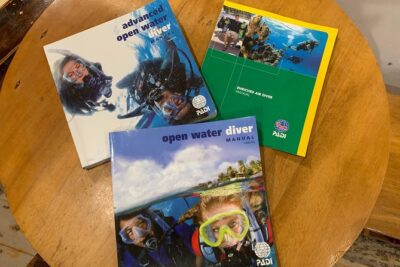
If you want to get certified fast, this is the route. In Bayahibe, you’ll tackle the PADI Open Water skills with close coaching, then wrap it up with real open-water training, all while gear and certification are handled for you. I love the all-in setup—educational materials, equipment, and the certification fee are included—so you avoid the annoying add-ons. I also like that the course is built around hands-on practice, not just classroom time.
One thing to watch: hotel pickup is only from resorts in the Bayahibe–Dominicus area, so if you’re staying elsewhere, you’ll need to confirm you’re eligible.
In This Review
- Key highlights at a glance
- Why This Bayahibe PADI Open Water Course Works (Price + Structure)
- Your 8:30 Meeting Point and How the Day Gets Moving
- Day One: Gear Setup and Pool Skills That Build Confidence
- The Swim Assessment: The Part That Feels Serious for a Reason
- Day Two (Likely): More Skill Drills Before the Ocean
- Day Three: Four Open-Water Training Sessions With Real Conditions
- Small Group Size and Instructor Support: The Hidden Value
- What’s Included vs. What Costs Extra
- Who Should Book This Course in Bayahibe?
- Should You Book Coral Point Diving for PADI Open Water in Bayahibe?
- FAQ
- Where is the meeting point and what time does the course start?
- What’s included in the $410 course price?
- Do I have to pass a swim assessment?
- What scuba skills will I practice in the pool?
- How many open-water sessions are included?
- Is pickup included from any hotel in the area?
Key highlights at a glance
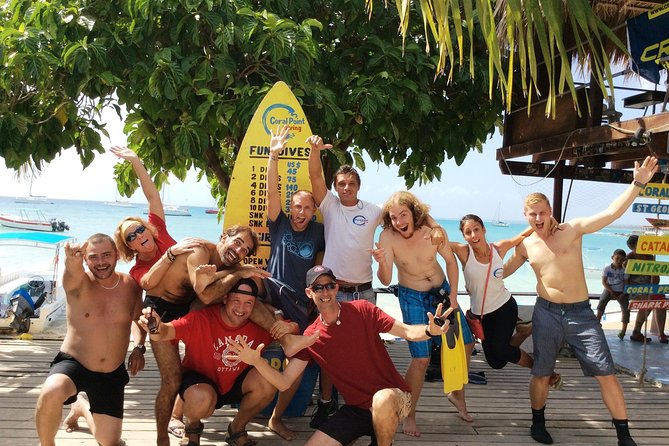
- Small group size (max 6 travelers) means you get more attention in the water
- Pool-to-open-water progression so skills like buoyancy and hand signals click before you go farther
- Swim assessment requirements are clear and strict: tread 10 minutes, then swim 200 yards
- Equipment and certification fee included so $410 is closer to “done” than “plus extras”
- Four open-water training sessions where you perform most of the skills you practiced
Why This Bayahibe PADI Open Water Course Works (Price + Structure)
This course is designed for momentum. Three days is not a slow vacation plan—it’s a focused training block. The payoff is that you leave with the PADI Open Water certification steps completed, and you’re not guessing what to do with your gear once you’re underwater.
The biggest value here is how much is wrapped into the price. At $410 per person, you’re not just buying instruction time—you’re also getting educational materials, equipment use, and the certification fee. That matters because scuba courses can turn into a budget puzzle once you start paying separately for gear, paperwork, and training add-ons.
Add in the small-group format. With a maximum of 6 travelers, you’re less likely to get shuffled to the side while someone else takes a long time to sort out a mask or regulator. In the feedback from this provider, the most praised part is that the staff make the experience fun while staying professional. Names that come up for standout instruction include Devyn and Elvin, and the pattern is consistent: helpful coaching, good pacing, and no awkward feeling when you need extra tries.
You can also read our reviews of more tours and experiences in Dominican Republic.
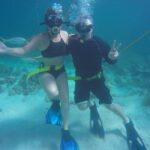
Your 8:30 Meeting Point and How the Day Gets Moving
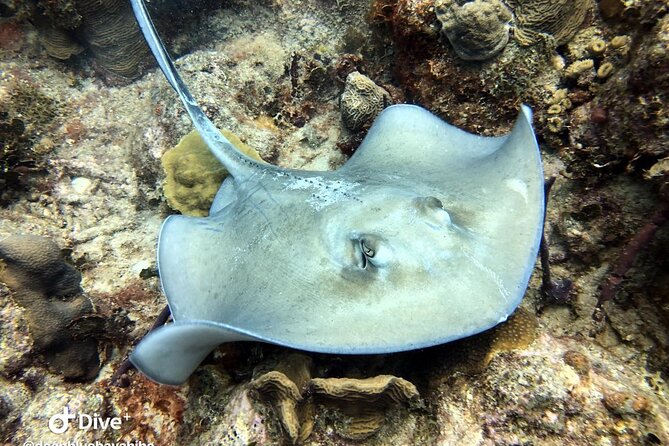
The day starts early—8:30 am—at C. la Bahia 1, Bayahíbe 23000, Dominican Republic. The experience ends back at the meeting point, so you’re not dealing with a weird end-of-tour transfer that leaves you stranded.
If you’re staying in the right area, you’ll get hotel pickup and drop-off from Resorts in Bayahibe–Dominicus only. That detail is worth treating like a checklist item. If you’re outside that zone, you might need alternate transport arrangements, or you might not be covered at all—so confirm before you book.
Also note the practical stuff that makes training smoother:
- You’ll use a mobile ticket.
- The activity is set up to be near public transportation.
- A multilingual guide may operate the course.
- Service animals are allowed.
It’s a small list, but it directly affects whether your day feels calm or chaotic.
Day One: Gear Setup and Pool Skills That Build Confidence
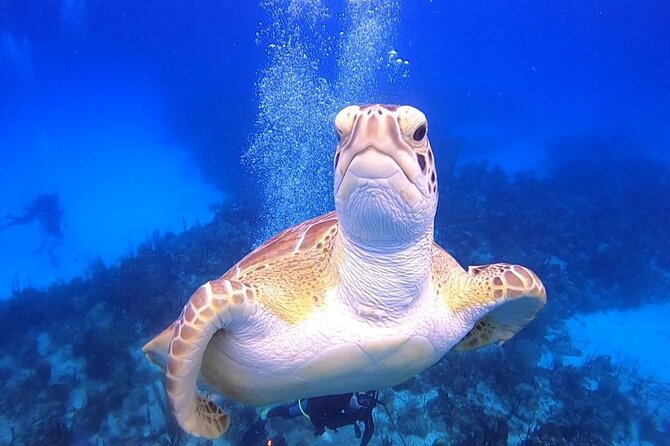
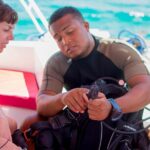
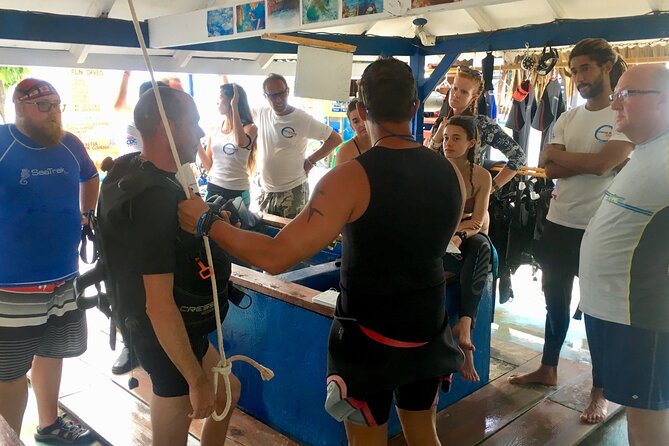
Your instructor starts with the basics: assembling your gear and learning how to breathe on scuba. That first stage is more important than it sounds. If you can’t comfortably manage your setup and breathing, everything else becomes stressful. This course aims to prevent that by making you practice the fundamentals right away.
Then you’ll run through pool sessions with a clear set of core skills. Here’s what you should expect to practice before open water:
- Proper breathing while submerged
- Finding neutral buoyancy (so you don’t fight the water)
- Hand signals for communication
- Finning techniques (how you kick without wasting energy)
- Using BCD inflators and deflators
- Equalizing so pressure changes don’t become a problem
- Mask skills, including removing your mask, putting it back on, and clearing water
- Regulator skills, including removing your regulator and using a backup
I like how this is structured around repeatable tasks. You’re not learning scuba like a magic trick. You’re learning it like a system: breathe, control buoyancy, communicate, and handle the little “oh no” moments calmly.
A quick practical note: pool time is where you can ask the simplest questions. Things like which way your regulator hose should sit or what your body feels like when you’re neutral can feel silly to ask, but that’s the moment to ask. The course is training you to be comfortable—so use that comfort-building phase.
The Swim Assessment: The Part That Feels Serious for a Reason
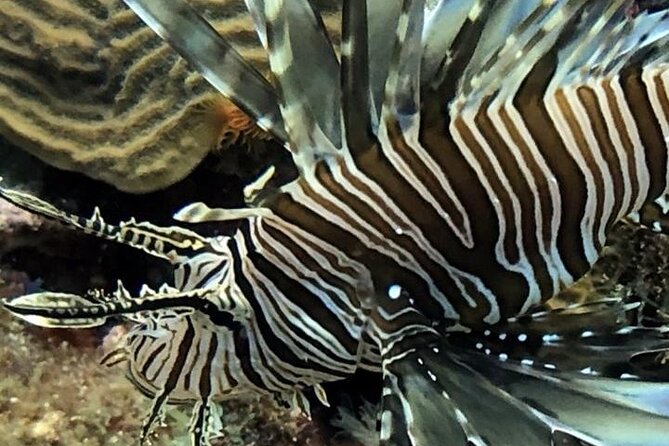
Before you go into the ocean for open-water sessions, you have to pass a swim assessment in the pool.
You’ll need to:
- Tread water for 10 minutes with no touching the sides
- Swim 200 yards (no time limit; you can use any swim style)
This isn’t there to test your speed. It’s there to confirm you can stay safe and controlled in the water even when conditions aren’t perfect. If you can tread comfortably and move steadily for 200 yards, you’re much more likely to feel confident during the next steps.
If you’re not a strong swimmer, don’t panic—just take the requirement seriously in training beforehand. You’ll be happier (and learn faster) if you can focus on scuba skills instead of trying to recover your breath.
Day Two (Likely): More Skill Drills Before the Ocean
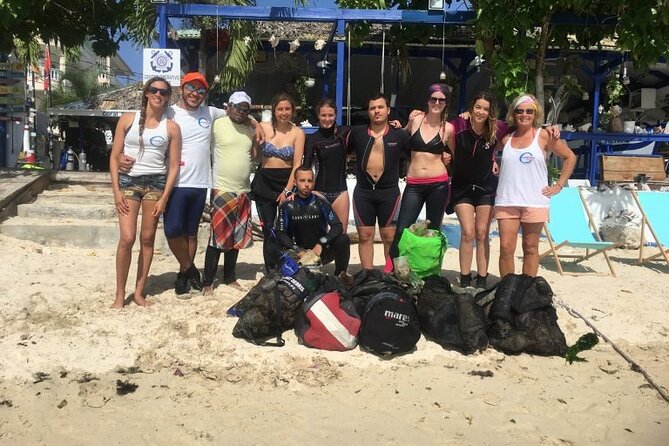
Your course covers theory and practice modules across the three days. While exact day-by-day timing can vary, the general flow is clear: pool skills and swim readiness come before the open-water portion, and the open-water sessions make up the final segment of the course.
On some setups, the swim test is completed in a single day across about 6 to 8 hours. That’s a long block—so plan to treat it like a real training day. Expect to be in and out of the pool and to keep your energy up.
If you’re wondering what you’ll do during those long stretches: it’s mostly repetition and refinement. In scuba training, repetition is where skills stop feeling technical and start feeling natural.
Day Three: Four Open-Water Training Sessions With Real Conditions
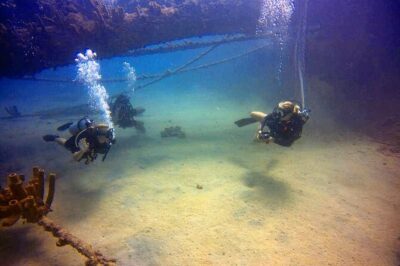
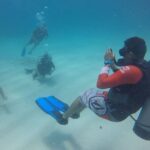
The end game is your open-water training: 4 open-water sessions where you perform most of the skills you practiced in the pool. This is where the learning becomes real, because the water has waves, visibility changes, and your body has to adapt to being underwater in motion.
Some new skills may also show up here, depending on conditions and your progress—like:
- Entering the ocean through surf
- Leaping off a boat in scuba gear
That second one matters. Being able to manage your gear and breathing right after exiting the boat is a different challenge than doing it in a calm pool. The good news is you’ve already rehearsed the key mechanics: buoyancy, communication, mask handling, and regulator control.
What you should aim for during these sessions:
- Stay calm and methodical with your buoyancy
- Treat hand signals like part of your routine, not an emergency tool
- If you feel off-balance, slow everything down and regain control before trying to “fix it” fast
These sessions are also where you learn what you like. Some people love the feeling of control once they’re neutral. Others realize they need to relax their kicking and breathing rhythm. Either way, you walk away with knowledge you can use long after the certificate.
Small Group Size and Instructor Support: The Hidden Value
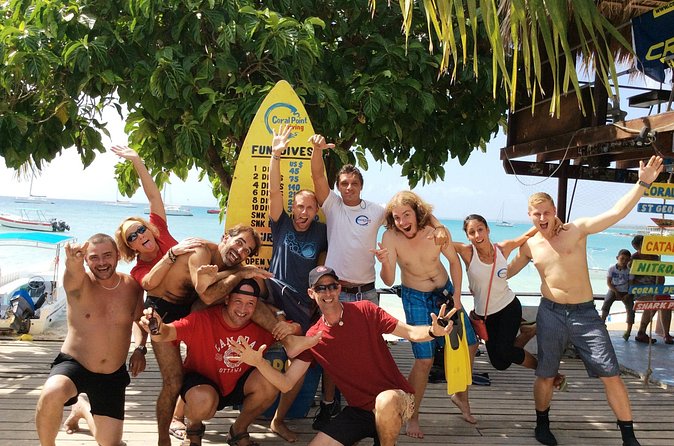
A course can look great on paper and still feel stressful if there’s not enough attention. Here, the maximum of 6 travelers helps a lot. It makes it more likely you’ll get quick corrections on things like finning angle, buoyancy position, and how you’re holding your body.
The best part of the feedback for this provider is how they keep things both professional and fun. In particular, instruction names Devyn and Elvin are highlighted as being very professional and skilled. That pair of traits is exactly what you want in scuba training: strict about safety, relaxed about learning.
Also, there’s a calm, practical feel to the course inclusions. You’re not sorting out gear rentals, not chasing missing equipment, and not worrying about paperwork while you’re trying to focus. Everything is included—so you can spend your mental energy learning.
What’s Included vs. What Costs Extra
Here’s the deal on value, plain and simple.
Included in the $410:
- Professional instructor
- Hotel pickup and drop-off from resorts in Bayahibe–Dominicus
- Use of all required equipment
- Certification fee
- 4 open-water training sessions
Not included:
- Souvenir photos (you can purchase them)
That “photos cost extra” detail is normal, but it’s also good to know. If you care about photos, decide in advance whether you want to budget for them.
Who Should Book This Course in Bayahibe?
This is a great match if you want:
- A fast, structured path to PADI Open Water certification
- Close coaching with lots of skill practice
- A course that includes equipment and certification costs so your budget stays predictable
- To learn in a place designed for training around La Romana/Bayahibe
You should consider carefully if:
- You’re not sure you meet the swim test requirements (tread water 10 minutes, swim 200 yards)
- Your hotel isn’t in the Bayahibe–Dominicus resort area and you’d need pickup outside the covered zone
As for fitness, the course calls for moderate physical fitness. That doesn’t mean “athlete only.” It means you should be able to handle a long training day, swimming work, and the repeated movements of practicing buoyancy and kicking.
Should You Book Coral Point Diving for PADI Open Water in Bayahibe?
I’d book this if you want certification without the hassle of assembling a training budget and logistics puzzle. The price feels fair because it includes the stuff that usually adds up: equipment, educational materials, and the certification fee, plus 4 open-water training sessions.
The biggest reason to say yes is the structure: pool skills first, swim readiness checked clearly, then open water where you apply what you learned. And with a max group size of 6, you’re more likely to get real-time guidance instead of waiting your turn.
The only strong “pause” is pickup coverage. If your hotel isn’t in Bayahibe–Dominicus resorts, confirm what transportation looks like for you. If you’re covered, then this is a solid way to turn three days into a real scuba credential.
FAQ
Where is the meeting point and what time does the course start?
The meeting point is C. la Bahia 1, Bayahíbe 23000, Dominican Republic. Start time is 8:30 am, and the activity ends back at the meeting point.
What’s included in the $410 course price?
The price includes a professional instructor, hotel pickup and drop-off from resorts in Bayahibe–Dominicus only, use of all equipment, the certification fee, and four open-water training sessions.
Do I have to pass a swim assessment?
Yes. You must tread water for 10 minutes without touching the sides of the pool, and then swim 200 yards. There’s no time limit for the swim, and you can use any style.
What scuba skills will I practice in the pool?
You’ll practice proper breathing, neutral buoyancy, hand signals, finning, using the BCD inflator/deflator, equalizing, and emergency-style skills like removing and clearing your mask and removing your regulator and using your backup.
How many open-water sessions are included?
You’ll complete four open-water training sessions, performing most of the skills you practiced in the pool.
Is pickup included from any hotel in the area?
Pickup and drop-off are included from resorts in the Bayahibe–Dominicus area only. If you’re outside that zone, confirm whether your specific hotel is covered.