REVIEW · LANZAROTE
Lanzarote: Small-Group Discover Scuba Diving Costa Teguise
Book on GetYourGuide →Operated by Daivoon Diving Centre · Bookable on GetYourGuide
Breathing underwater starts with a calm plan. This beginner scuba try in Costa Teguise lets you do your first short underwater session at 3–5 m, with a small group right off Playa del Jablillo. I love how it keeps things shallow and practical, so you can focus on learning instead of fighting the ocean.
My other favorite piece is the coaching style: you get a clear safety briefing, step-by-step gear help, and you stay close to your instructor during the time in the water. One consideration: you’ll need to be comfortable in open water and pass a medical questionnaire, and it’s not suitable for quite a few health situations.
In This Review
- Key highlights worth knowing
- Why Costa Teguise works for a first scuba try
- From hotel pickup to a no-rush 20-minute safety briefing
- Playa del Jablillo: stepping in, gear up, and learning signals
- The 40-minute 3–5 m underwater session: what you’ll actually do
- What you’re likely to see down there
- Small groups, friendly instructors, and clear coaching
- What it costs and why $94 can make sense
- Who should book this—and who should skip it
- Booking tips so your first underwater session goes smoothly
- Should you book this first scuba try in Costa Teguise?
- FAQ
- How deep is the water during the experience?
- Do I need any previous scuba experience?
- How long is the full activity?
- Is hotel pickup included, and where does it run from?
- Is the group really small?
- Do I need to fill out a medical questionnaire?
- What should I bring?
- What is not allowed during the activity?
Key highlights worth knowing
- 3–5 m “first comfort zone”: you practice breathing and movement without going far from the instructor.
- Small groups of up to 3: more personal attention, less waiting around.
- Shore entry at Playa del Jablillo: an easy way to start, rather than a complicated boat setup.
- Clear underwater communication practice: it reduces panic because you know how to signal.
- Hotel pickup in Costa Teguise, Arrecife, or Tahiche: the day starts easier, with less logistics stress.
- Excellent value for first-timers: pricing is reasonable for a fully guided, insured experience.
Why Costa Teguise works for a first scuba try
Costa Teguise is a smart base for a first underwater breathing lesson because the whole setup is built around control. You’re not sent off into deep water or asked to do anything fancy. Instead, the plan is to get you comfortable at 3–5 m, where your brain can actually keep up with what’s happening.
The other reason it fits beginners is timing. The activity is short enough to feel doable, but long enough for real learning. You’re given theory and safety basics before you ever get wet, then you practice in a controlled way right after.
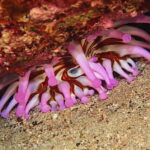
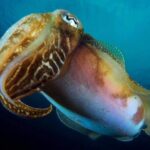
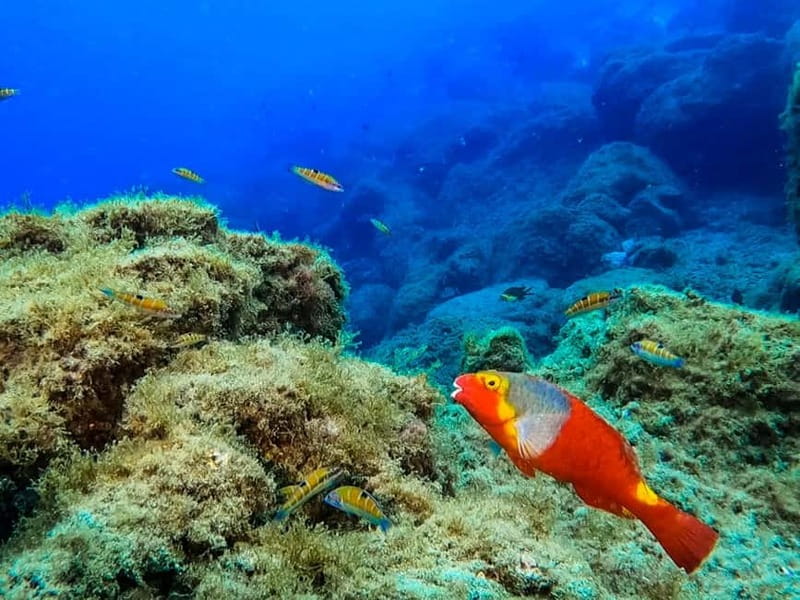
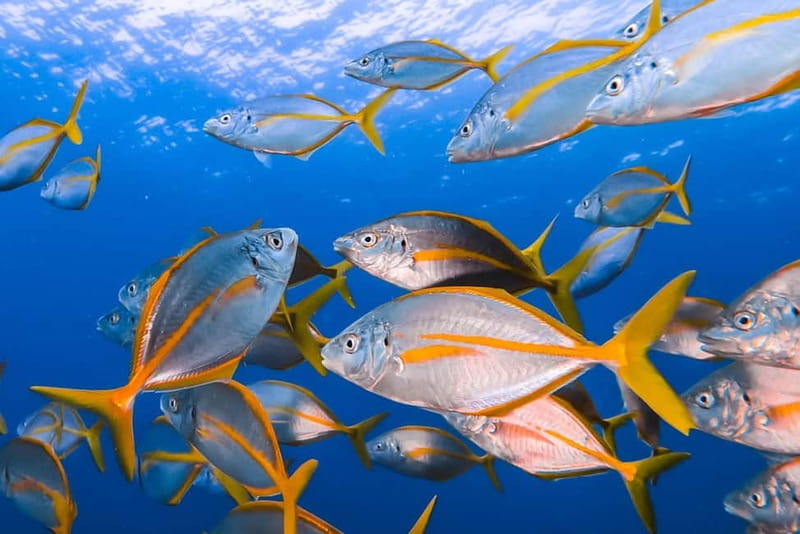
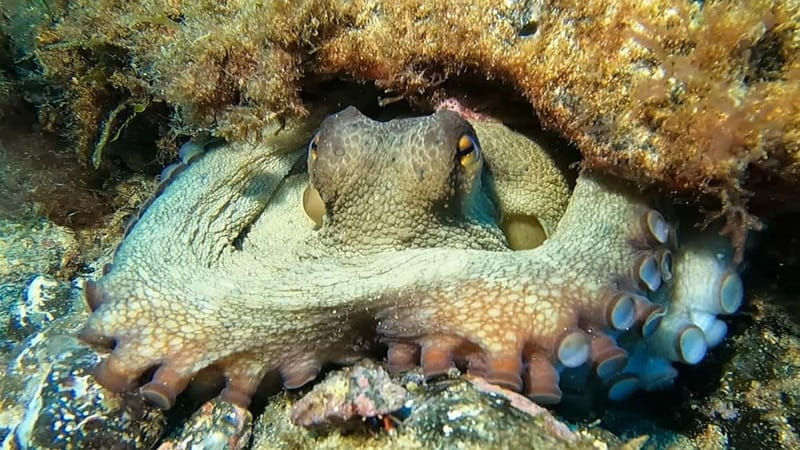
Finally, the sea life near Lanzarote can be surprisingly fun for first-timers. Even at shallow depths, you may spot colorful fish and small animals like cuttlefish and octopuses, depending on what’s around that day. It’s a great reminder that you’re not just testing equipment—you’re seeing a living underwater neighborhood.
You can also read our reviews of more tours and experiences in Lanzarote.
From hotel pickup to a no-rush 20-minute safety briefing
The day starts with hotel pickup from multiple areas: Costa Teguise, Arrecife, and Tahiche (and options like Las Caletas are part of the pickup/drop-off choices). You’re picked up by van, with short travel time to the meeting area and water site. It’s a nice touch for anyone who doesn’t want to figure out local transport before a new activity.
Once you’re at the center, you’ll get about 20 minutes of safety briefing. This is the part that pays off later. You’ll be shown equipment basics, how to handle your breathing, and the rules for staying calm if something feels new. They also cover underwater communication, which matters more than people think. When you can signal confidently, your whole experience feels safer.
Then comes gear and planning. The goal here is not to overwhelm you. It’s to help you understand what you’ll do next, so the underwater portion feels like a continuation rather than a surprise jump into the unknown.
Playa del Jablillo: stepping in, gear up, and learning signals
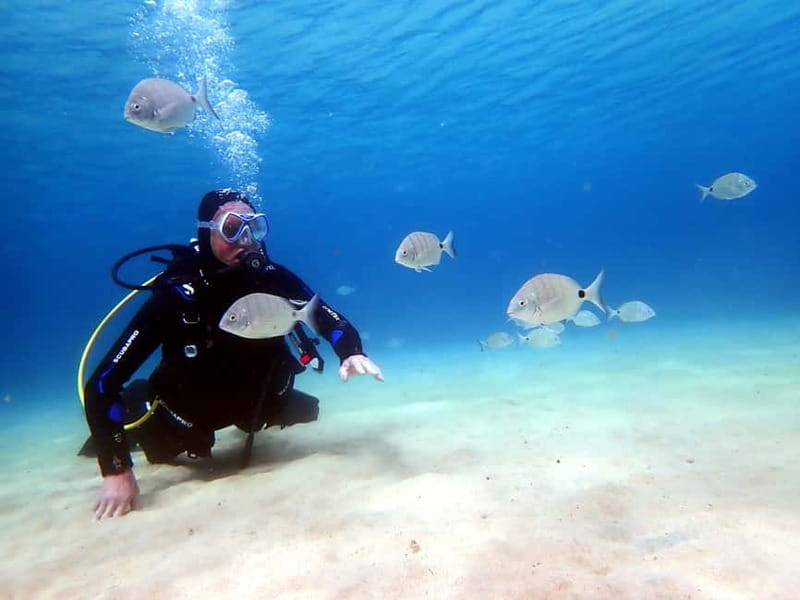
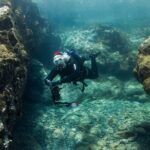
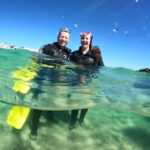
Playa del Jablillo is where the experience becomes real. The water entry is from shore and you enter gradually. That slow start is a big deal for beginners, because it lets your body adapt to the cooler temperature, the sensation of wearing gear, and the change in how you move.
Before you start moving underwater, you’ll get guidance on using the equipment and making the right signals. The underwater communication piece is especially important here. It’s the difference between wondering what to do and knowing exactly how to respond when an instructor asks you to adjust.
A helpful detail: the session is designed for people who have no previous experience required. That shows in how they keep the plan simple—stay close, follow instructions, and focus on breathing and basic movement. Small-group coaching (up to 3 people) also helps, because instructors can correct your technique without rushing you.
The 40-minute 3–5 m underwater session: what you’ll actually do
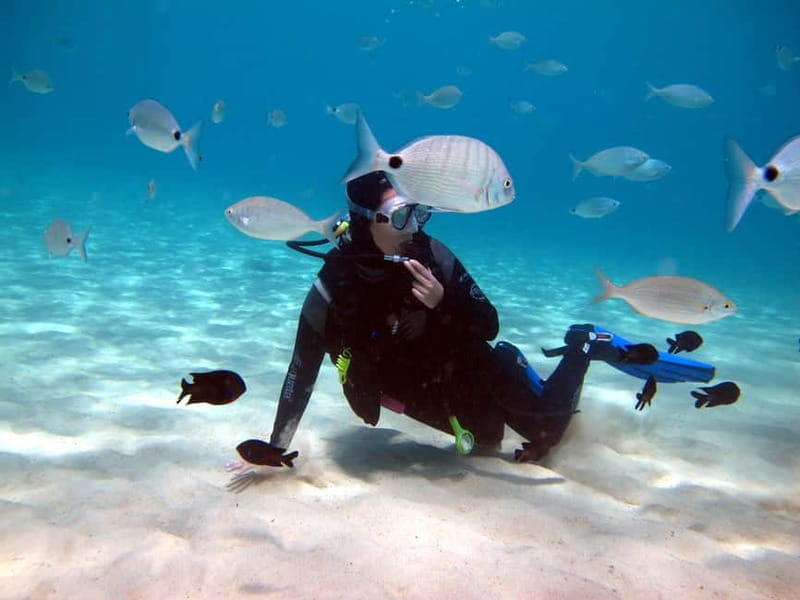
Your main underwater time is about 40 minutes in water around 3–5 meters deep. In practice, that depth range is the sweet spot for a first experience. You’re not fighting the feeling of floating too high above the bottom, and you’re not dealing with the mental strain that can come with deeper water.
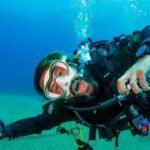
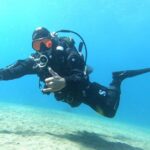
During this time, you’ll learn how to breathe through the regulator and how to move in a way that feels controlled. The instructor stays with you so you aren’t guessing. This is where most people tend to discover that scuba is less about power and more about rhythm—slow, steady breathing and small movements.
Because you’re close to the instructor, you’ll also have a better chance to settle quickly if anything feels off. One of the strongest themes from past participants is that the team takes time to make sure you’re okay, explains things clearly, and doesn’t treat the session like a factory line. That kind of pacing matters for beginners.
What you’re likely to see down there
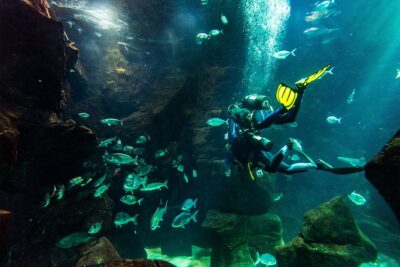
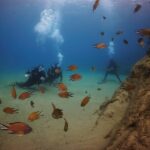
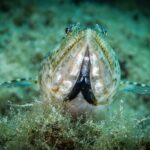
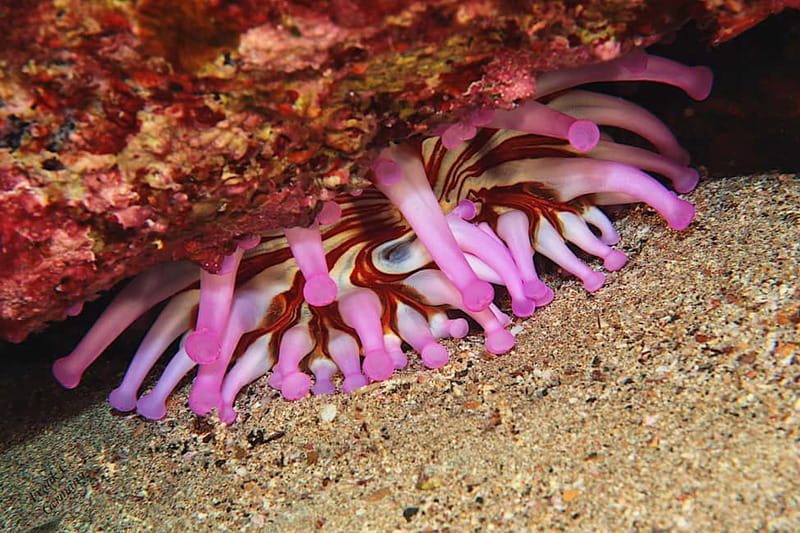
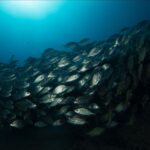
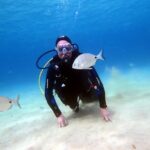
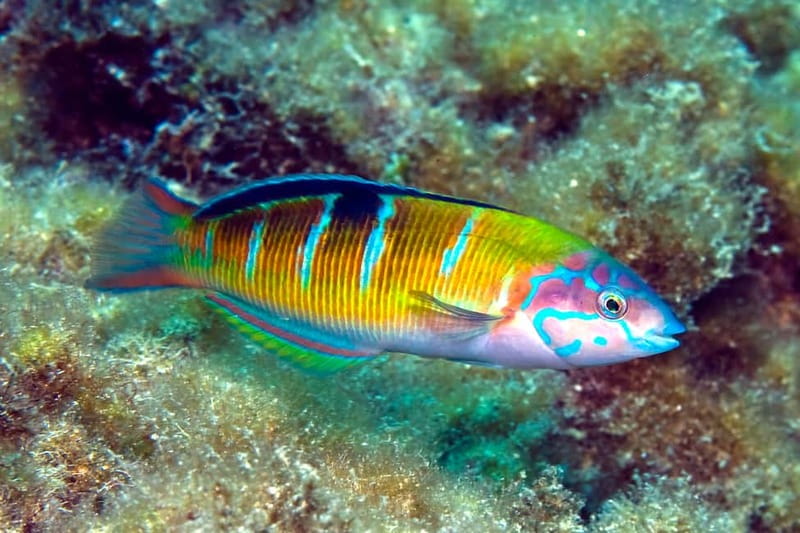
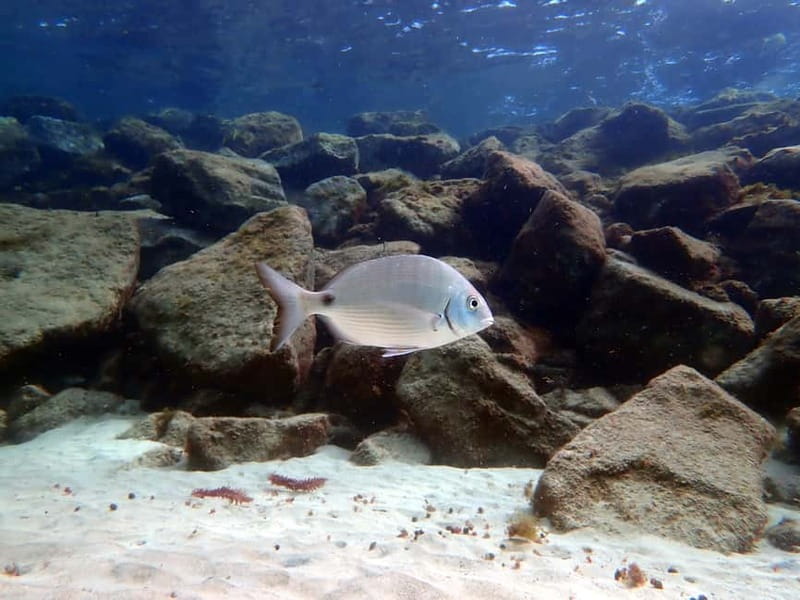
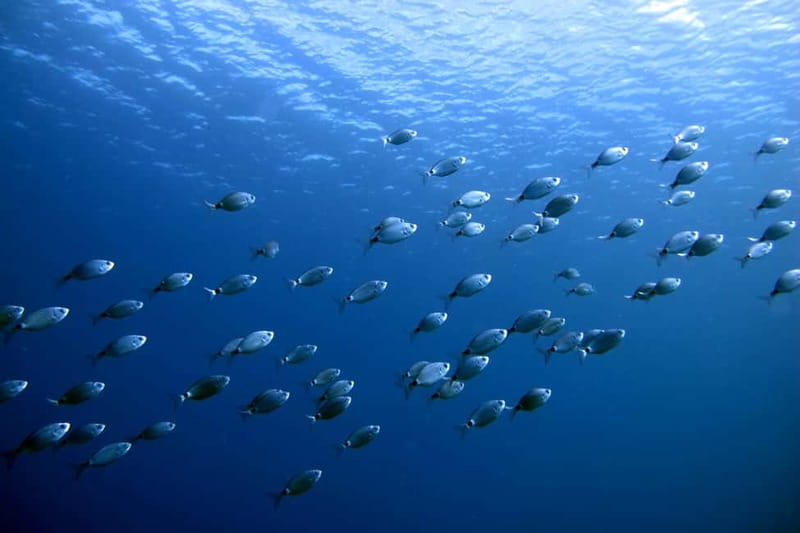
The underwater world at shallow depth can be surprisingly alive. You might see breams and other small reef fish, plus the possibility of cuttlefish and octopuses. Even if you don’t see all of them, you’ll still get the real payoff: watching fish swim in front of you while you learn how to breathe and move underwater.
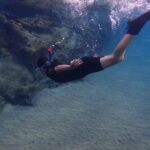
Small groups, friendly instructors, and clear coaching
This is a small-group experience, capped at no more than 3 people. That’s a huge quality-of-life upgrade for a first-timer. You get personal attention during the briefing and in the water, and there’s less time spent waiting while someone else handles a question.
Past participants consistently praise how friendly and patient the team is. The recurring idea isn’t just that the staff are nice—it’s that they teach in a step-by-step way. You’re guided through what you’ll do, and you’re not left to figure things out while wearing equipment you’ve never used before.
Language support is also built in. Instructors can work in Spanish, English, German, and Irish, so you can get explanations in the language you feel most comfortable with. That reduces misunderstandings, especially for safety signals and equipment basics.
What it costs and why $94 can make sense
At about $94 per person for roughly 2.5 hours, this can be good value because several key pieces are included:
- One main underwater session in shallow water (about 40 minutes)
- Equipment
- Insurance for the activity
- Theory and safety briefing
- Instructor guidance
- Hotel pickup and drop-off from Costa Teguise, Arrecife, and Tahiche (with additional options)
When you break it down, you’re not paying just for equipment rental. You’re paying for guided coaching, safety structure, and local transport that makes the day easier.
One small budgeting note: the experience does not list food and drinks as included. I’d plan on having a light snack beforehand, since they recommend eating something light before the session. If you get hungry after, you’ll want a plan for lunch or a drink back in town.
Photos are another point to check. The activity info says pictures aren’t included, but one past participant praised the pictures. If photos matter to you, ask in advance what’s available and whether they’re an add-on.
Who should book this—and who should skip it
This experience is aimed at beginners who want a safe, guided way to try scuba. If you’re curious about underwater breathing and want a relaxed start, shallow water practice plus close instructor support is exactly the kind of structure that helps you succeed.
It’s also a good fit if you like the idea of seeing real marine life without a heavy training schedule. This is a first-time experience built around confidence, not pressure.
That said, it has strict limits. It isn’t suitable for:
- Children under 10
- Pregnant women
- People with back problems
- People with claustrophobia
- People with heart problems
- People with epilepsy
- People with a cold
- People with pre-existing medical conditions (you’ll need to consult in advance)
- People with recent surgeries
- People with respiratory issues
- Non-swimmers
If any of those apply, don’t assume you can “push through.” The medical questionnaire exists for a reason, and the team is right to be firm.
Booking tips so your first underwater session goes smoothly
If you want the calmest first time, show up prepared:
- Bring ID or passport, swimwear, and a towel.
- Skip alcohol and drugs before the activity.
- If you tend to get anxious with new gear, tell the instructor early. Getting everything explained in a clear way helps.
- Wear practical swimwear you can move in easily. You’ll be stepping in and out of the water as you get your bearings.
Also, don’t over-plan your day after. Even though the session is short, you might feel a little tired from breathing training, focusing hard, and the cool water.
Should you book this first scuba try in Costa Teguise?
If your goal is a first-time underwater breathing experience that’s guided, shallow, and beginner-friendly, I think you’ll like this. The combination of small group size, a structured safety briefing, and an instructor who stays close makes it a smart choice over more chaotic setups.
You should consider skipping it if you fall into the listed medical or physical limitations, or if open-water conditions and gear sensations are a known problem for you. And if you want guaranteed photos with no questions asked, confirm the photo situation before you go.
Overall, this is a solid “try it once” experience in Lanzarote, with good logistics thanks to pickup and drop-off, and a plan that keeps learning at the center—so you can spend your energy on the fun part: seeing the sea life just a few meters below you.
FAQ
How deep is the water during the experience?
The underwater session is in shallow water, about 3–5 meters deep.
Do I need any previous scuba experience?
No. The experience is designed for beginners and requires no previous experience.
How long is the full activity?
The total duration is about 2.5 hours, including pickup, briefing, and the time in the water.
Is hotel pickup included, and where does it run from?
Yes. Pickup and drop-off are included from Costa Teguise, Tahiche, and Arrecife, with additional listed pickup options.
Is the group really small?
Yes. The experience is described as small groups with no more than 3 people.
Do I need to fill out a medical questionnaire?
Yes. All participants must complete a medical questionnaire at the dive center.
What should I bring?
Bring your passport or ID card, swimwear, and a towel.
What is not allowed during the activity?
Alcohol and drugs are not allowed.