REVIEW · AGIA PELAGIA
Heraklion: Beginner’s intro dive w/2 Dives with transfer.
Book on GetYourGuide →Operated by AQUADIVE · Bookable on GetYourGuide
Agia Pelagia makes your first scuba day feel doable. You’ll get SSI-guided training, plus two 45-minute open-water sessions, with hotel transfers so you’re not juggling logistics. Depth tops out at about 6 meters for beginners, so if you want big-thrill underwater moments, this plan may feel a bit restrained.
I also like that the safety basics come first, with a 30-minute digital theory lesson before you touch the water. One possible drawback: the underwater area is good for learning and seeing fish, but it’s not always the best choice if you’re chasing the most standout sites on Crete.
In This Review
- Key things to know before you go
- Scuba starter course in Agia Pelagia: the vibe and the payoff
- Price and value for $165: what’s included (and what isn’t)
- Getting there from Heraklion: the transfer rhythm
- The 30-minute digital theory lesson: safety, simplified
- Equipment and first-water checks: getting comfortable fast
- Two open-water sessions in Agia Pelagia: how the day plays out
- What you’ll see underwater: fish, rocks, and sea plants
- SSI certification and the digital diploma: how you finish
- Who this course suits best (and who should skip it)
- A fair warning on underwater site expectations
- What to bring: simple stuff that saves your day
- Bottom line: should you book the Heraklion-area beginner course?
Key things to know before you go
- Beginner-friendly SSI structure with a theory lesson before you go in
- Two separate open-water sessions on the same day, about 45 minutes each
- Max depth around 6 meters (you’ll go only as your comfort allows)
- Close instructor attention while you get used to breathing and buoyancy
- Full equipment + scuba insurance + water included for less hassle
- Round-trip hotel transfers from many Heraklion-area locations
Scuba starter course in Agia Pelagia: the vibe and the payoff
If you’re new to scuba and you want it handled end-to-end, this is a solid way to do it from the Heraklion area. Agia Pelagia is an easygoing coastal base, and the schedule is built around a simple goal: help you feel confident in the water, then give you two chances to enjoy what’s below the surface.
The payoff is practical. You get an SSI digital diploma at the end, and the underwater time is long enough to actually learn something between session one and session two. The staff’s focus is on comfort and control, not rushing you through. That matters a lot for beginners, because the first few minutes can feel like a brand-new skill set all at once—breathing, equalizing your ears, and managing buoyancy together.
And you’ll spend a full day doing real training, not just a short “look and go” experience. Two sessions on the same day means the second one is often where things click.
You can also read our reviews of more tours and experiences in Agia Pelagia.
Price and value for $165: what’s included (and what isn’t)
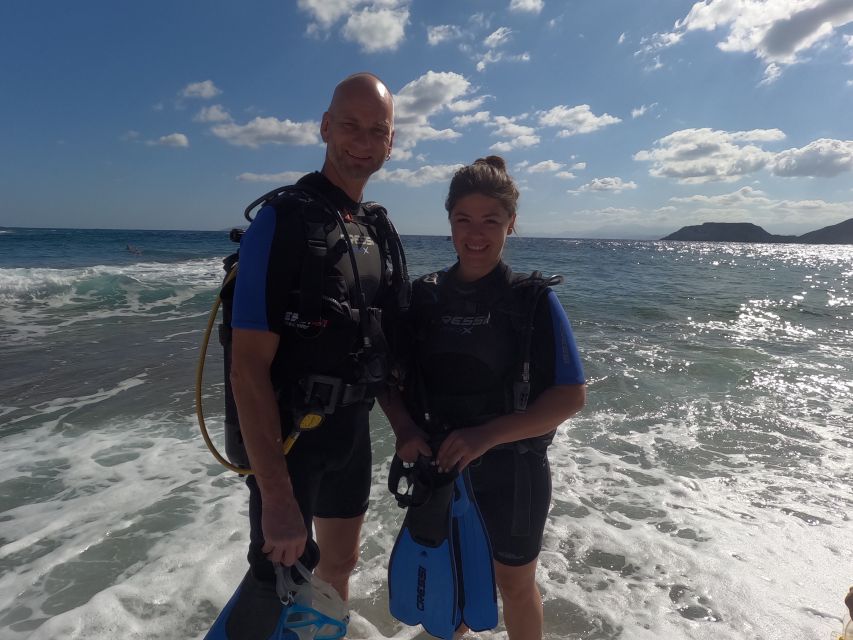
At about $165 per person for a 6-hour day, the value comes from what you’re not paying extra for. Included are:
- Hotel pickup and drop-off from selected areas
- An instructor and a 30-minute digital theory session
- Full scuba equipment
- Two open-water sessions of about 45 minutes each
- Water
- Diving/scuba insurance
- SSI digital diploma
What’s not included is also important: no food, and photos/videos aren’t part of the package. That’s why I strongly suggest you treat this as a snack-and-water kind of day. Bring snacks with you, especially since you’ll likely be picked up in the morning and returned mid-afternoon.
In plain terms: you’re paying for instruction, gear, training time, and transportation. If you’d otherwise need to arrange those separately, the bundled format tends to be easier on time—and often cheaper than piecing it together.
Getting there from Heraklion: the transfer rhythm
This experience runs on a tight but not rushed clock. Pickup is typically between 8:30 AM and 9:00 AM, and you return between 2:30 PM and 3:30 PM. Exact timing depends on the day you choose, and you get the precise hour the day before.
Why you should care: a morning pickup means you’re starting fresh. It also means you’ll likely be back before the evening heat and crowds really pick up. It’s a very “do one great thing and be free after” kind of day.
Pickup is available from a wide list of areas around the Heraklion region, including Fodele, Agia Pelagia, Lygaria, Gazi, Heraklion, Ammoudara, Kokkini Hani, Chersonisos, Gouves, Malia, Stalida, and Annisaras.
Quick practical tip: if you’re sensitive to travel motion, ask your hotel about the easiest meeting point and plan to arrive a few minutes early. You’ll be transferring in and out of the car with gear later, so keeping the day calm helps.
The 30-minute digital theory lesson: safety, simplified
Before you’re anywhere near the open water, you’ll do a 30-minute digital theory lesson. The goal isn’t to bury beginners in technical jargon. It’s to get you comfortable with the core safety points you need before breathing underwater.
Expect this to cover the basics of how scuba works, plus safety guidance so you understand what’s happening and what the instructor expects from you. You’ll also complete a medical questionnaire before your course can begin, because this is real training with real safety rules.
This theory step is valuable for two reasons:
- It reduces panic. When you know what to expect, your first equipment checks and breathing feel less mysterious.
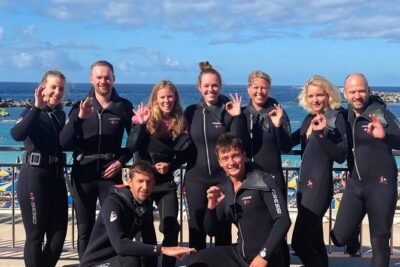
- It sets expectations for buddy checks and hand signals so you can focus on learning instead of guessing.
If you’re the type who likes to understand the why, you’ll appreciate that this session exists before the water.
Equipment and first-water checks: getting comfortable fast
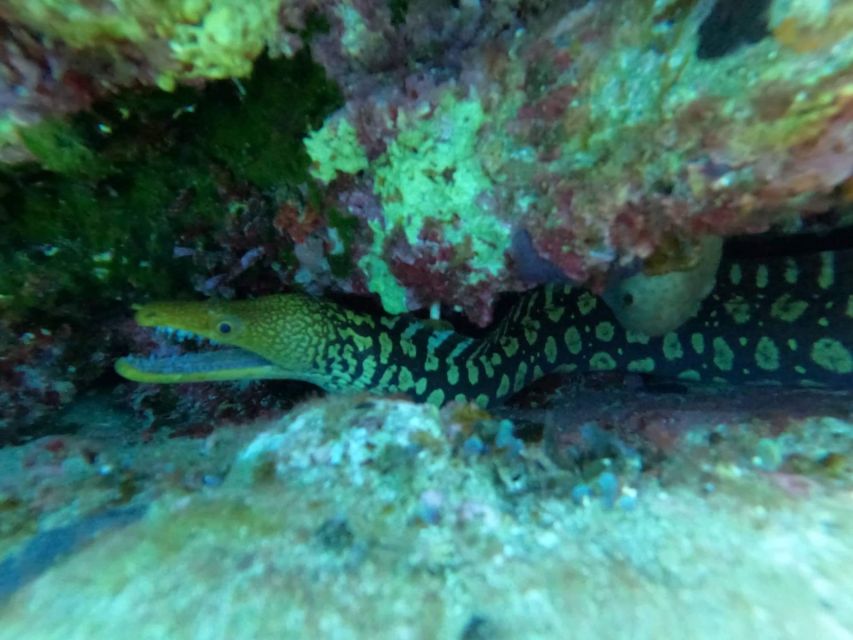
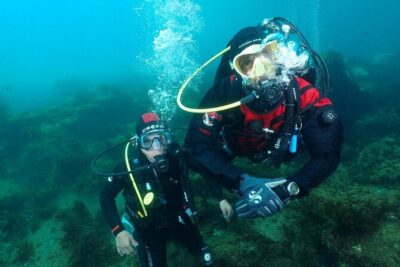
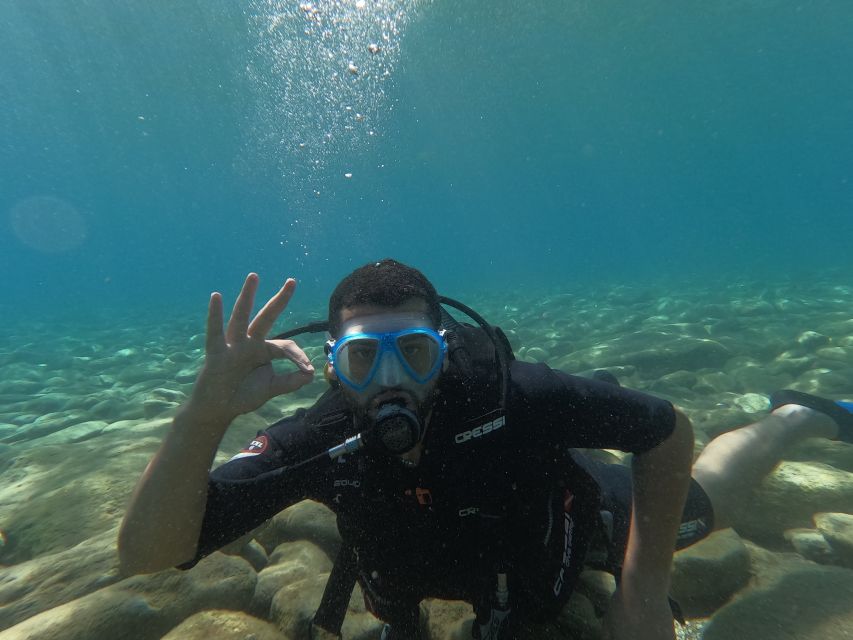
After the theory, you’ll pick up your full scuba equipment and head to the water. The course is designed for beginners, so you should expect time to get used to wearing gear, feeling buoyancy, and practicing the basic skills you’ll use during both sessions.
What I like about the way this is run: the instruction stays hands-on. You’re not left floating on your own. The instructor is there, watching how you’re doing and helping you adjust your comfort level.
You’re limited to a beginner depth plan (up to about 6 meters), which is smart. The aim is to help you build good habits in a manageable environment. At that depth, you can concentrate on breathing calmly and staying stable without the pressure of pushing yourself.
One interesting note from real-world experience: if you’ve already done scuba before and the staff feels it’s appropriate, you might go deeper than the standard beginner limit. I’ve seen reports of going to around 10 meters when conditions and comfort allowed. Still, don’t treat that as guaranteed—your plan will follow safety and your own ability.
Two open-water sessions in Agia Pelagia: how the day plays out
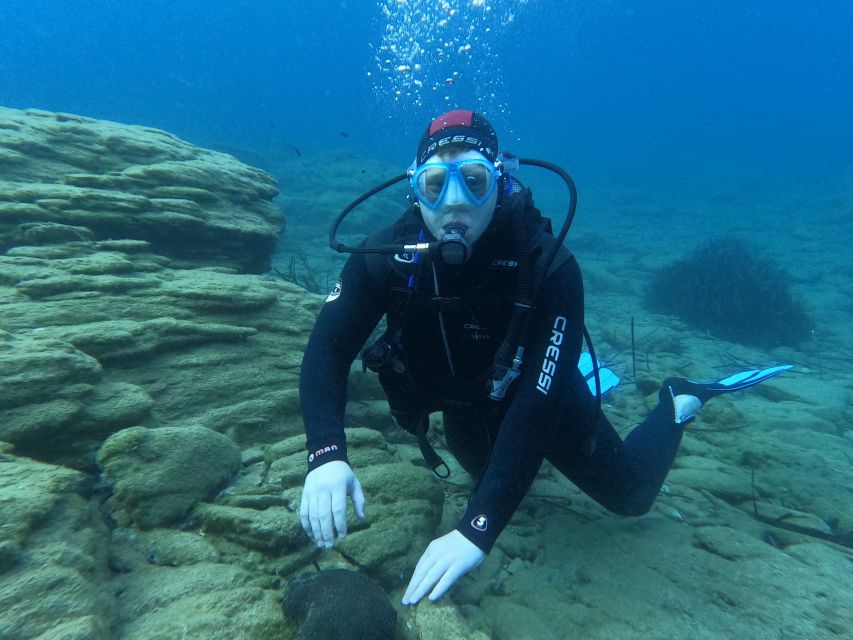
Each open-water session is about 45 minutes, and you do both the same day. The structure is simple:
- You descend to an appropriate training depth (up to around 6 meters for beginners).
- You spend time learning and practicing with instructor support.
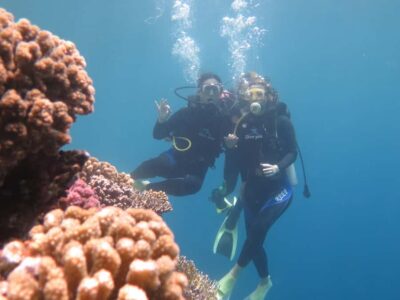
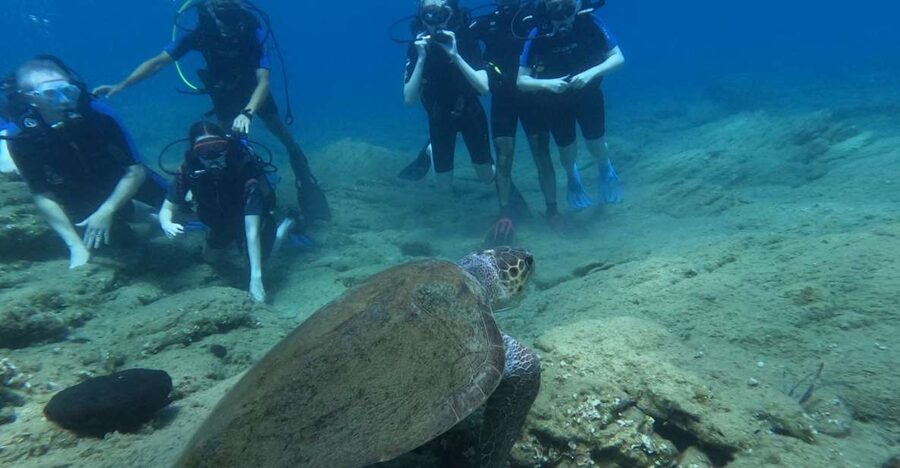
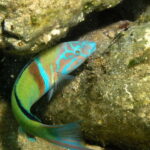
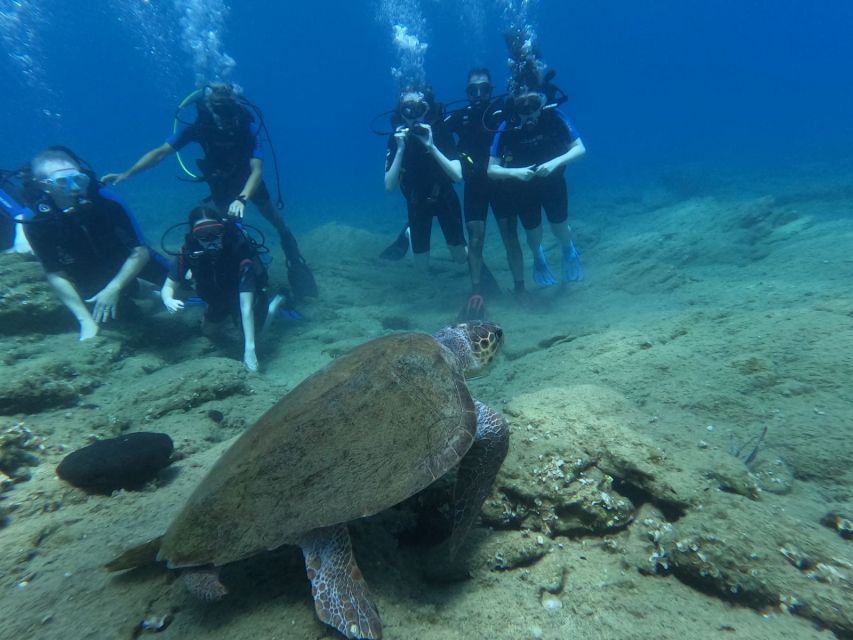
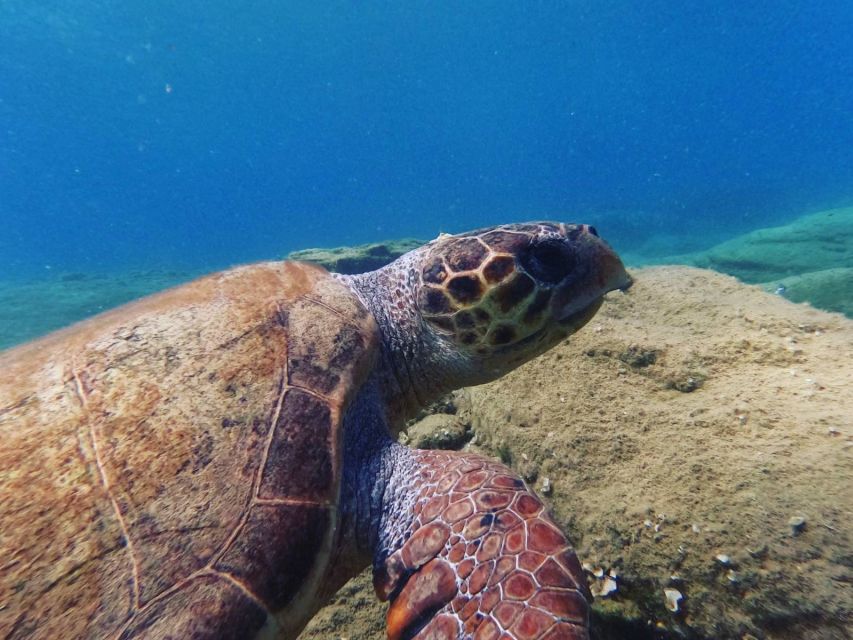
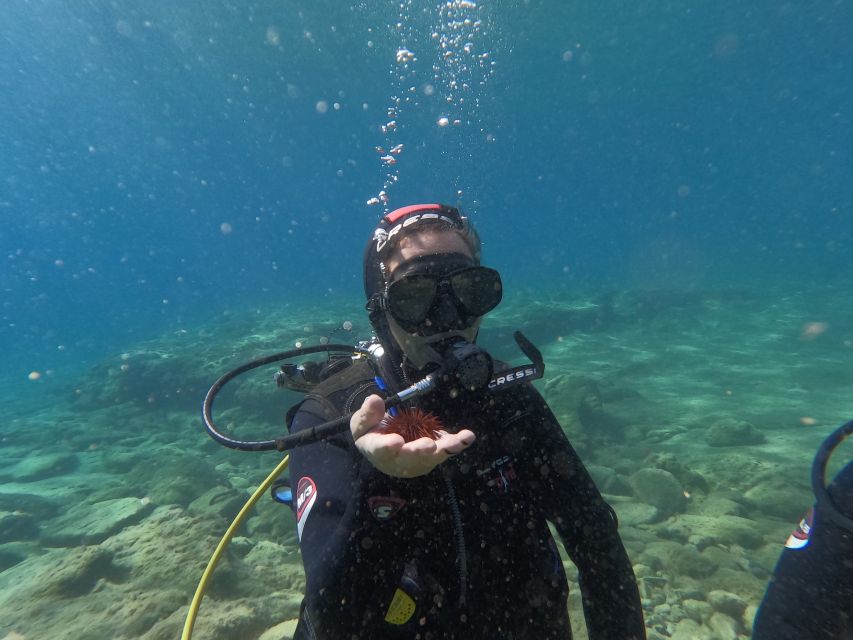
- You explore enough to enjoy the underwater setting—fish and sea life show up, and the seafloor has interesting shapes.
- You surface, reset, and repeat later with more confidence.
Why two sessions are a big deal: you get a chance to fix problems. If session one feels awkward, you typically have the second session to do better—getting your breathing rhythm down and moving more naturally.
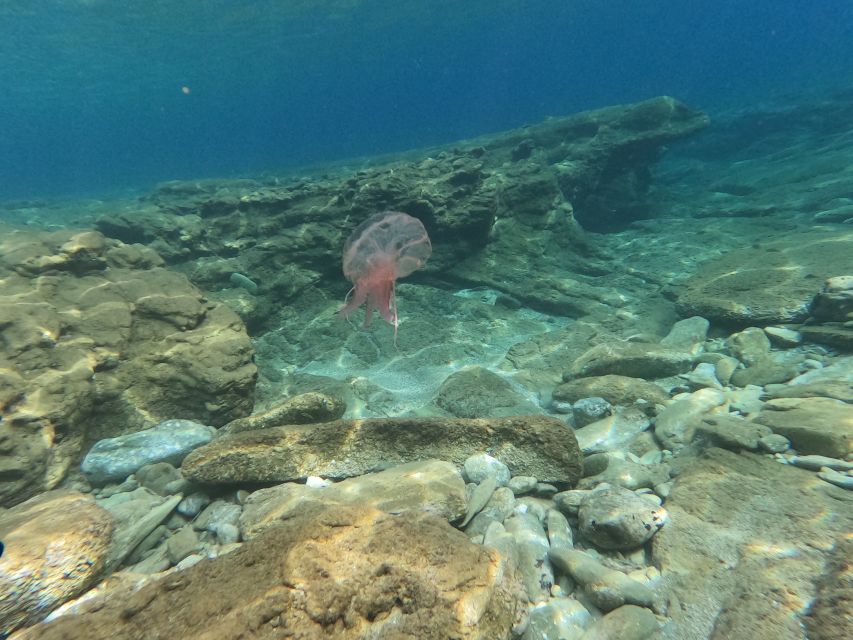
In Agia Pelagia, you can expect a mix of underwater features that work well for a first course: fish sightings, rocky formations, and plant life that feels slightly otherworldly up close. Water clarity is often a highlight, and that helps beginners feel oriented instead of disoriented.
What you’ll see underwater: fish, rocks, and sea plants
This isn’t marketed as a wreck or wall kind of experience. It’s a beginner course, so the underwater sights are the kind that teach you while still being pretty rewarding.
Here’s what you can realistically expect to notice:
- Colorful fish moving through the area as you swim slowly
- Unique rock formations that help you understand how to look and move without rushing
- Underwater plant life that makes the seafloor feel alive even when you’re not going far
If your main goal is certification and confidence, the environment supports that. You’re not spending the day grinding through drills without any payoff.
If your main goal is maximum dramatic scenery, you might feel that this is more “good underwater learning” than “best Crete scenery.” That doesn’t make it bad—it just sets expectations.
SSI certification and the digital diploma: how you finish
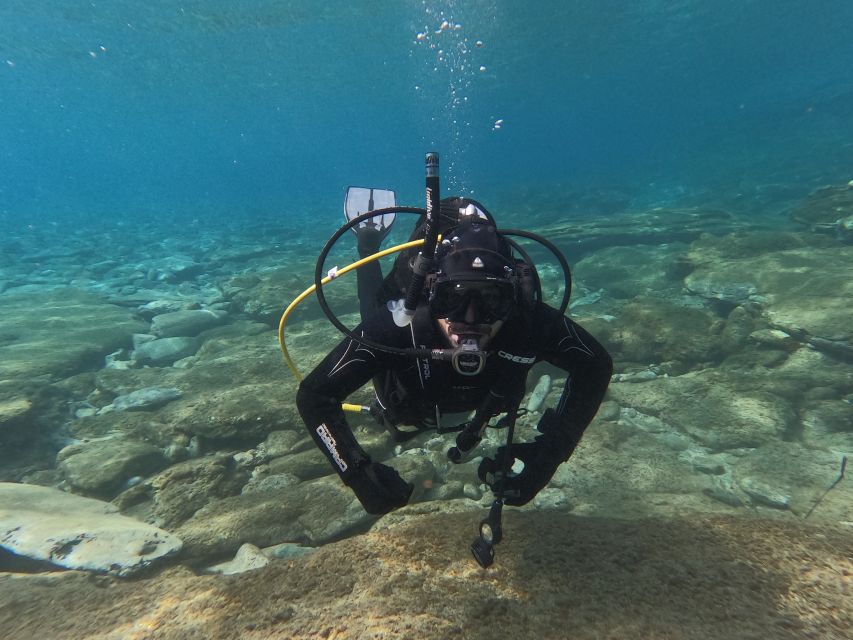
One of the best parts of this course is what you leave with. You earn an SSI digital diploma after completing the training.
Before the course begins, you’ll provide personal details so your SSI profile can be opened for certification. It’s a straightforward process, but it’s one more reason to book with enough time before your next travel plans. Also note that there’s a rule of thumb in the info you’ll receive: the time between flying and your underwater activity should be at least 12 hours.
So if you’re planning your Crete schedule tightly, treat this like a day with a real “start” and “finish” that affects your flight timing.
Who this course suits best (and who should skip it)
This is designed for beginners, and the structure reflects that. If you’re a non-diver who wants formal instruction, two guided sessions, and an SSI credential, this fits.
It’s also a good match if you want:
- Clear steps from instructor support
- A schedule with hotel transfers so your day stays simple
- Underwater time that’s long enough to learn between session one and session two
But it’s not suitable for everyone. You shouldn’t book if you fall into categories listed in the info provided, including children under 10, pregnant women, people with heart problems, non-swimmers, and people with respiratory issues, epilepsy, diabetes, people over 65, or those with pre-existing medical conditions, high blood pressure, or recent surgeries.
If you’re on the fence because of health questions, check the medical questionnaire details early. Better to find out before you show up than to discover it at the base.
Also remember it’s a scuba day. You’ll need to be comfortable following instructions and doing safety steps even when you’d rather just “go see fish.”
A fair warning on underwater site expectations
A few people have said the course is fine overall but that other operators may offer better underwater sites. That’s a useful consideration.
Here’s how I’d interpret it without getting worried: this is a beginner-centered format. Your success comes from the instruction and the confidence you build. The underwater environment supports that, but it may not be the most spectacular option if you already know scuba and you’re looking for the most jaw-dropping underwater scenery on the island.
So if this is your first time, don’t overthink it. If you’re already certified and chasing top-tier sites, you might want to compare other locations or other styles of experiences.
What to bring: simple stuff that saves your day
The provided info is refreshingly basic. Bring:
- Swimwear
- Towel
- Snacks
- Flip-flops
That snack note is real. Food isn’t included, and you’ll be out for about 6 hours. A small snack bag can make the day feel easier, especially if you get hungry before the second session.
What to wear: keep it simple and easy to change in and out of, and wear something you don’t mind getting a little wet.
Bottom line: should you book the Heraklion-area beginner course?
I’d book this if you want a beginner course that handles transportation, equipment, theory, and two full open-water sessions in one day—plus an SSI digital diploma. The value is strong because you’re not cobbling together logistics, and the training approach is built around instructor support and getting you comfortable.
I’d think twice if:
- You’re looking for maximum underwater wow-factor more than training
- You have health conditions that make scuba unsuitable
- You need food provided for long days (bring snacks)
If you fit the beginner-to-first-time category, this is the kind of plan that lets you walk away proud, credentialed, and with two separate chances to get things right.