REVIEW · KEY LARGO
2 Dive Scuba Diving Reef Excursion to Key Largo Marine Sanctuary
Book on Viator →Operated by Key Largo Dive Center · Bookable on Viator
Two tanks in the Keys, with a simple plan. This morning trip takes you to two reef areas in the Florida Keys National Marine Sanctuary, with tanks and weights included so you can focus on the water. I also like the human touch: the staff and guides make setup feel orderly, and names like Terry, Sophia, Ryan, and the boat captain show up in feedback as part of a smooth experience.
One thing to consider: this outing runs on a schedule and depends on good conditions. While most comments are strongly positive about friendliness and guidance, there’s also a critical review that described a tense moment and said the guide interaction wasn’t what they expected—so go in ready to communicate clearly and stay calm if you’re still getting your sea legs.
In This Review
- Key points before you go
- Two reef stops in about four hours: the rhythm of the day
- Price and value: what $99 really buys you
- Your route in the Florida Keys National Marine Sanctuary
- The underwater plan: two tanks, a surface break, then back in
- Meeting point and getting started on Overseas Highway
- What you might see: fish, corals, and the sanctuary vibe
- The crew and guide approach: when guidance clicks
- Small group size: why maximum 18 matters
- Who should book this Key Largo sanctuary outing
- Weather and comfort: the one variable you can’t ignore
- Quick logistics checklist for your morning
- Should you book this Key Largo 2-tank reef experience?
- FAQ
- How long is the Key Largo marine sanctuary 2-session trip?
- How many people are on the boat at most?
- What is included in the price?
- Where does the tour start and end?
- What language is the tour offered in?
- What happens during the trip between the first and second location?
- What if weather cancels the experience?
Key points before you go
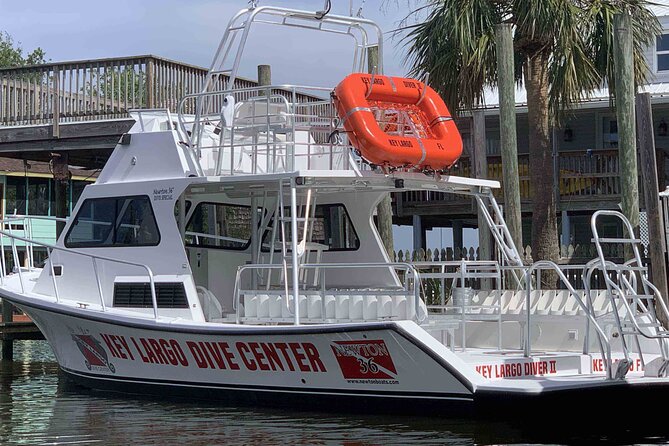
- Two underwater sessions, one morning flow with a boat move between locations and a short surface break
- Florida Keys National Marine Sanctuary reefs and shallow wrecks are the focus, with a guide to help you spot wildlife
- Gear included: tanks and weights, plus drinking water, snacks, and optional cooler space for your own drinks
- Small group size with a maximum of 18 people
- English-speaking guide/instructor team, with mobile ticket delivery and confirmation at booking
Two reef stops in about four hours: the rhythm of the day
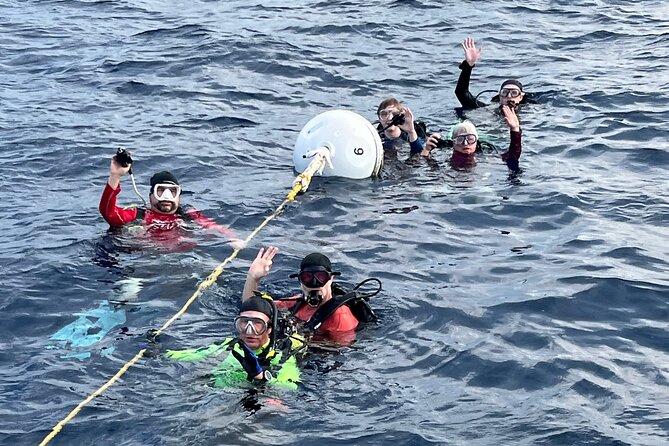
This is a 4-hour AM outing built around two underwater sessions: you’ll start at the first reef location, then the boat relocates, and you head down again after a short surface interval. That structure matters. It keeps the day moving without feeling rushed, and it gives you more than one shot at seeing wildlife, corals, and the colorful reef community the Keys are known for.
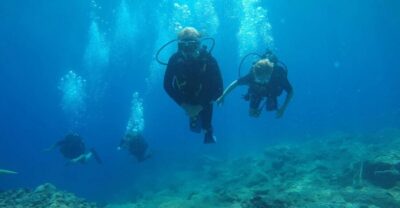
You’ll be on a dive boat with an instructor or guide from start to finish. Expect the day to feel guided, not DIY. The guide’s job isn’t just safety. It’s also finding things worth looking at—fish schools, coral growth, sea fans, and other reef residents—then getting you back to the boat at the end.
This trip also isn’t pretending to be a marathon. If you’re short on time in Key Largo, or you want a concentrated morning that fits into a packed vacation schedule, this format is a practical match.
You can also read our reviews of more tours and experiences in Key Largo.
Price and value: what $99 really buys you
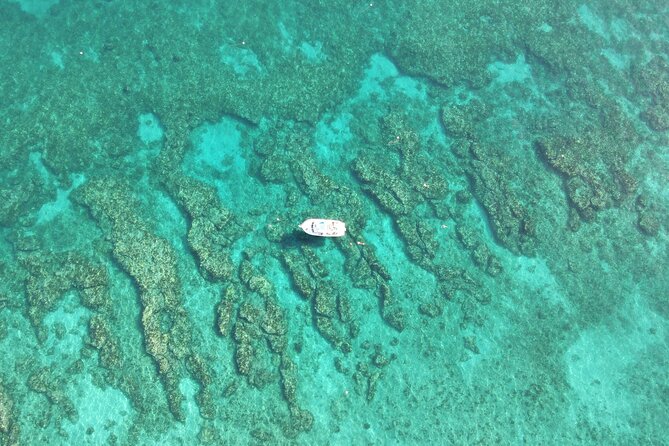
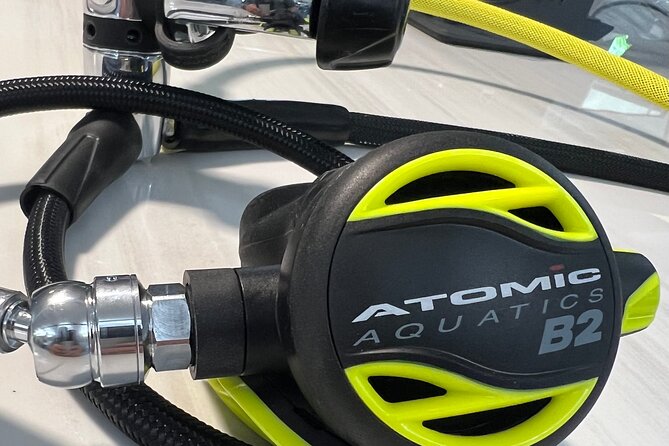
At $99 per person, the biggest value is what you don’t have to coordinate yourself. The essentials are included: tanks and weights, plus drinking water and snacks during the trip. If you like bringing your own drinks or bite-size extras, there’s also a cooler with ice available.
Here’s how I think about it for your trip planning: you’re paying for (1) boat time to reach reef areas, (2) guided instruction and navigation for the underwater sessions, and (3) equipment you can show up for without spending extra money or time hunting down rentals. For many visitors, that’s the real win.
What you should budget for outside the ticket is simple: getting yourself to the meeting point on Overseas Highway and being ready with the basics you’ll be asked for during check-in (your confirmation, any required info, and your personal comfort items). The itinerary is set up so most of the hard stuff is handled for you.
Your route in the Florida Keys National Marine Sanctuary
The core theme is the Florida Keys National Marine Sanctuary near Key Largo. The plan is two locations, with the first stop at the sanctuary area, then a second stop after the boat repositions. You’ll also hear “shallow wrecks and reefs” as a focus, which is a good sign if you want underwater scenery that doesn’t require deep-water experience.
From the feedback I’m seeing reflected in the experience, Molasses Reef comes up often as a reef site for staff-led outings. People describe great visibility and a wide mix of sea life on reef days—things like turtles, nurse sharks, and barracudas. For you, that’s a useful expectation: this region tends to reward patient looking, not just fast peeking.
One practical thought: reef environments are sensory overload in the best way. There are fish at every level and constant movement around you. If you like photography, slow observation, or just watching how sea life interacts, you’ll probably enjoy this more than the person who wants everything “explained” step-by-step.
The underwater plan: two tanks, a surface break, then back in
The day’s structure is simple:
1) First underwater session at the first site
2) Short surface interval
3) Boat relocation
4) Second underwater session
Why this works for most people is obvious once you’re on a tight schedule. Two sessions in one morning gives you more chances to have that “I can’t believe this is real” moment. It also helps if conditions are slightly different at each location. You might be greeted with clearer water at one site, more fish activity at another, or different underwater features around the wrecks and reef edges.
You’ll also have the basics handled for you: tanks and weights are provided. That keeps the experience beginner-friendly for certified divers and for people who are ready to follow instructions.
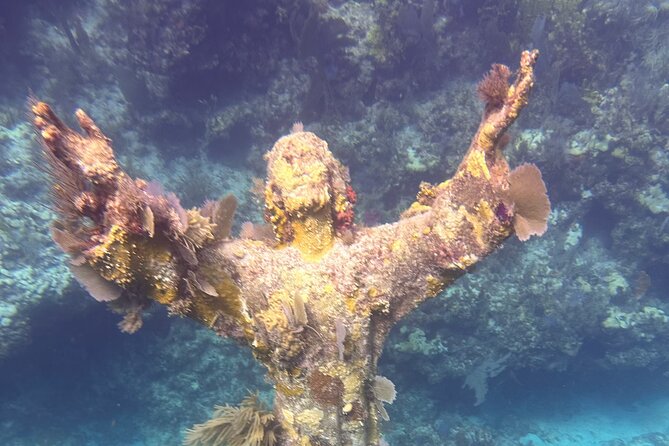
As for what you’ll do underwater: the guide points out what’s worth seeing—coral, sea fans, fish, and other residents—and then leads you back safely. If you’re new to your certification or still building confidence, that “pointing out” role can make the difference between feeling lost and feeling like you’re actually learning while you’re out there.
Meeting point and getting started on Overseas Highway
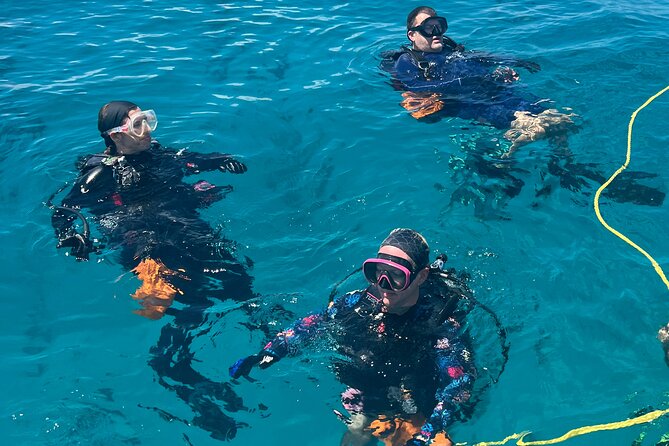
The trip begins at 99480 Overseas Hwy, Key Largo, FL 33037 and ends back at the same spot. That matters because it keeps logistics fairly clean. You’re not driving across town after your morning session, and you don’t need a complicated handoff process when everyone’s done.
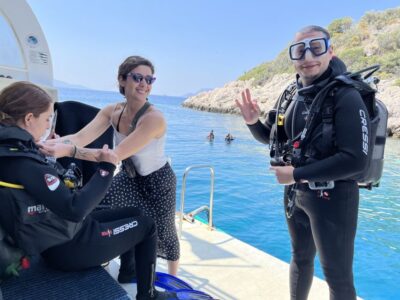
Expect check-in to be straightforward. Multiple comments praise the staff for being organized and helpful during the counter/setup stage. Names like Terry and Sophia show up as friendly faces who made check-in feel easy to follow. That’s more than a nice detail. Good setup pacing reduces stress, which makes your whole morning better once you’re on the boat.
Because this is an AM activity, I’d treat the day like a performance: eat something beforehand if you can, wear comfortable clothes for boarding, and keep your personal stuff together so you’re not scrambling during gear time.
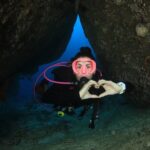
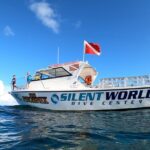
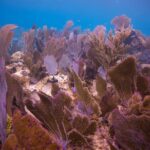
What you might see: fish, corals, and the sanctuary vibe
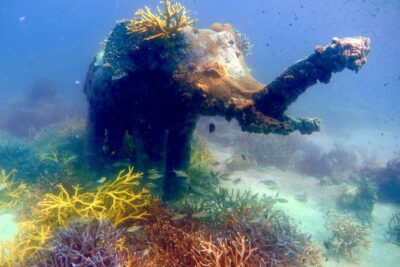
This trip is centered on reefs and shallow wrecks in the Keys National Marine Sanctuary. That combination usually means you get two different kinds of underwater scenery: more open reef zones with lots of reef fish, and wreck-related structure that sea life loves to hang around.
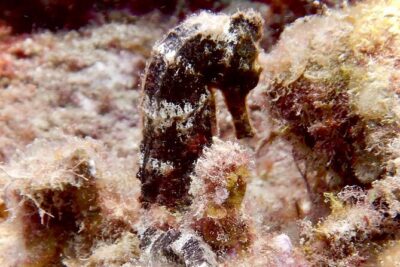
In the experiences shared, people talk about:
- Turtles
- Nurse sharks
- Barracudas
- Schools of colorful reef fish
- Corals and sea fans
Even if you’re not chasing a single species, the point is variety. Reef ecosystems are busy. You tend to see something new every few minutes if you’re paying attention. And because the guide’s role includes spotting interesting residents, you’re not stuck guessing where to look.
One more thing: visibility is often a highlight in the Keys. In feedback tied to reef outings around Molasses Reef, people describe clear water and low swell conditions. You can’t control weather, but when the day works, the underwater view is the payoff.
The crew and guide approach: when guidance clicks
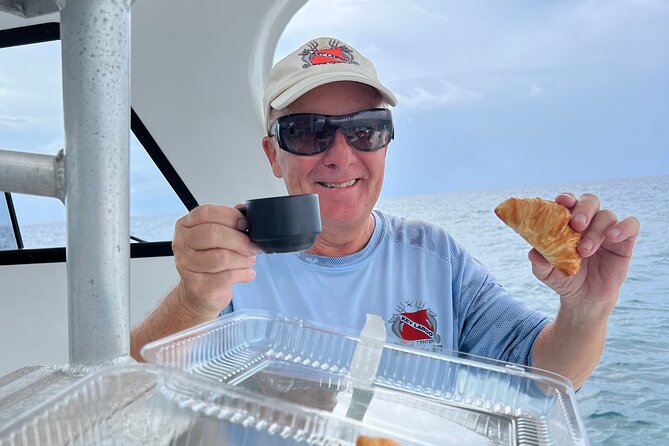
The most praised aspect of this outing is how the crew and guides keep things calm, organized, and communicative. Comments highlight attentive, friendly staff and an informed leadership team on the boat.
Some specific positive cues in the feedback:
- A well-run process with help at the counter (Terry and Sophia noted)
- Guides and staff who were described as attentive during the experience
- A captain who was described as informative
- In at least one case, Ryan was singled out for being experienced and informative
- A common theme that you feel taken care of, from setup through returning to the boat
That’s the best kind of guidance: not just “follow me,” but also “here’s what you’re looking at.” For a lot of people, especially those doing their first underwater session after certification, that matters. You get to enjoy the moment without losing time wondering what you’re seeing.
Now, about the concern. One critical review said staff training felt poor for that reviewer, and it described a captain losing patience and using yelling. It also claimed the guides rarely showed the group things and left them on their own more than expected. I can’t ignore that. If you’re the type who needs strong, hands-on coaching during your first few sessions, it’s smart to set your expectations early. Ask questions. Make your comfort level clear. If something feels off, communicate during the surface portion so you can adjust before you’re underwater.
Small group size: why maximum 18 matters
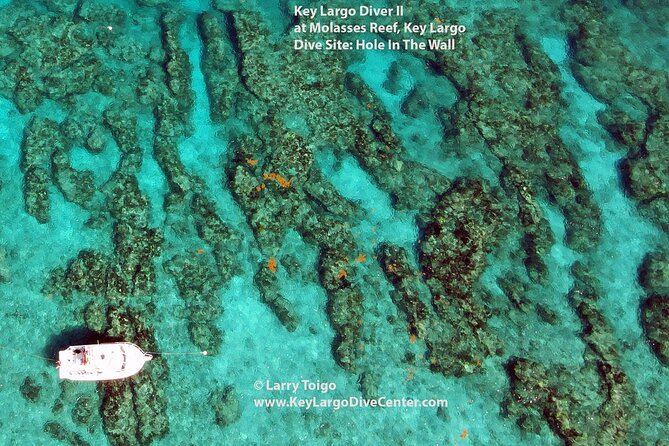
With a cap of 18 travelers, the trip is set up to be manageable. You don’t have to fight through a crowd on the boat, and the guide can focus on keeping everyone organized.
This matters most on gear distribution, briefing, and staying aware of where people are during the transition between the first and second sites. In reef conditions, good group control isn’t just about politeness. It supports safety and reduces last-minute confusion.
If you like a more personal experience than the biggest cattle-car style tours, this size is a solid point in the favor column.
Who should book this Key Largo sanctuary outing
This fits best if you want:
- A morning plan that packs two underwater sessions into about four hours
- An outing where gear is included and you don’t have to rent tank/weights separately
- A guided reef experience focused on corals and fish, not just moving from point A to B
- A small-group feel (max 18)
If it’s your first underwater session after certification, the experience can still work well when the guide is attentive and when you’re ready to slow down and listen. One positive note in feedback praised this trip as a great first underwater experience for a newly certified diver, with excitement mixed with nerves that settled as the session began.
If, on the other hand, you’re very experienced and you expect a strict, show-you-everything coaching style, your mileage may vary depending on conditions and the group’s needs that day. Reef days can feel different depending on visibility, current, and how comfortable people are underwater.
Weather and comfort: the one variable you can’t ignore
The trip requires good weather. That’s not just fine print; it’s a reality for Keys boat days. If conditions are rough, there’s a chance the schedule changes and you’ll be offered a different date or a full refund if the trip is canceled due to weather.
What you can control is your comfort prep. Bring your own drinks if you want more than what’s provided, since there’s cooler space with ice. And since this is an AM outing, plan to hydrate and eat before you go.
Also, reef visibility and water conditions affect how much you enjoy the experience. When the water is clear, the colors and sea life become much easier to enjoy. When it’s less perfect, good guidance still helps you stay calm and find the best sights.
Quick logistics checklist for your morning
Before you go, I’d think through just a few practical items:
- Have your mobile ticket ready on your phone
- Confirm you’re comfortable with two underwater sessions in a single morning
- Wear clothes that handle boat boarding and wind
- Bring your own drinks or snacks if that’s your style (cooler/ice available)
- Be ready to follow the guide’s briefing closely, especially around entry/exit and regrouping
The experience is designed to keep the operation smooth, but your part is still important—especially if you’re newer or you get anxious underwater.
Should you book this Key Largo 2-tank reef experience?
I’d book it if you want a well-priced, guided Key Largo sanctuary reef morning with tanks and weights included, small-group size, and the chance to see a lot of reef life across two different locations.
I’d pause and do a little extra thinking if you know you need very hands-on coaching or you’re easily stressed by boat schedules and gear logistics. One critical review described a negative staff interaction and limited guidance, so it’s worth going in with a clear mindset: communicate early, follow instructions, and don’t assume every day will feel identical.
For most people coming to Key Largo for a focused reef experience, this is the kind of trip that turns a short vacation window into real underwater memories.
FAQ
How long is the Key Largo marine sanctuary 2-session trip?
It runs about 4 hours total.
How many people are on the boat at most?
The group is limited to a maximum of 18 travelers.
What is included in the price?
You pay $99 per person, and the trip includes tanks and weights, plus drinking water and snacks. A cooler with ice is available if you want to bring your own drinks or snacks.
Where does the tour start and end?
The meeting point is 99480 Overseas Hwy, Key Largo, FL 33037, and it ends back at the same location.
What language is the tour offered in?
The experience is offered in English.
What happens during the trip between the first and second location?
After the first underwater session, the boat relocates to a second site, and there is a short surface interval before you go in again.
What if weather cancels the experience?
This experience requires good weather. If it’s canceled due to poor weather, you’ll be offered a different date or a full refund.