REVIEW · MIAMI
Miami Beach: Guided 2-Tank Reef and Wreck Dive Trip
Book on GetYourGuide →Operated by Squalo Divers · Bookable on GetYourGuide
Two tanks, two underwater worlds.
I like that this trip pairs a real shipwreck with a reef stop, so you get variety instead of repeating the same kind of scenery. I also appreciate the small-group vibe and hands-on help from certified pros, which matters a lot when you’re managing buoyancy and just want the day to feel smooth. The main drawback to consider is that you’re required to be scuba certified and have completed a recent underwater outing within the last 12 months, plus the activity is not suitable for everyone with certain medical conditions.
At the dock, the logistics are straightforward: you meet at Bill Bird Marina at Haulover Park (10800 Collins Ave) and check in for the boat Sea Mi Amor in slip E15. The price covers the boat trip, weights rental, a guide, filtered water, and simple snacks like cookies and chips, which keeps the day from feeling nickel-and-dime heavy. Still, scuba gear rental and tank fees can add a chunk to the total if you don’t already have your own equipment.
In This Review
- Key Points You’ll Care About
- Why This Miami Beach Reef-and-Wreck Combo Works So Well
- Bill Bird Marina Logistics: Getting to Sea Mi Amor Without Stress
- Two One-Hour Underwater Sessions: How the Timing Feels
- What You’ll Actually See: Reef Fish, Wreck Structure, and the Reef System Nearby
- Price and the Real Value: What $107 Includes and What It Costs Extra
- Choosing Your Comfort Zone: Certification, Medical Limits, and Who This Suits
- Service Quality: Small Groups, Professional Staff, and Friendly Language Support
- Practical Tips So Your Day Feels Easier
- Should You Book This 2-Tank Reef and Wreck Trip?
- FAQ
- Where is the meeting point?
- How long is the trip?
- What’s included in the price?
- What scuba gear rental costs are listed?
- How much are the tanks?
- Do I need to be certified?
- What should I bring?
- How many underwater stops are included?
- Are English and Spanish offered?
- Who is the trip not suitable for?
Key Points You’ll Care About
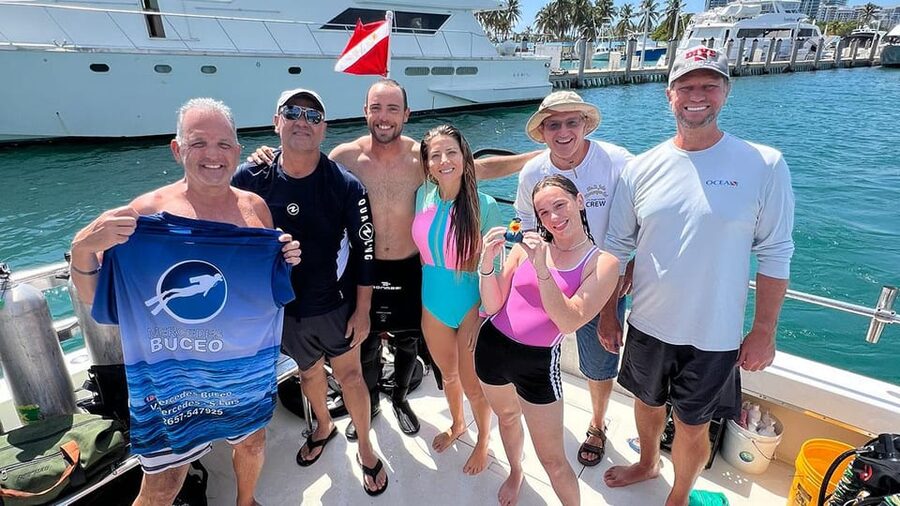
- Shipwreck + reef in one outing so you see more than one style of underwater habitat
- Small groups that tend to mean less waiting around and more personal attention
- One-hour underwater sessions twice for a balanced rhythm on the water
- Warm, clear water with strong visibility expectations in the area
- Marine life variety ranging from reef fish to wreck-associated creatures
- Clear start point at Bill Bird Marina, with a specific slip for Sea Mi Amor
Why This Miami Beach Reef-and-Wreck Combo Works So Well
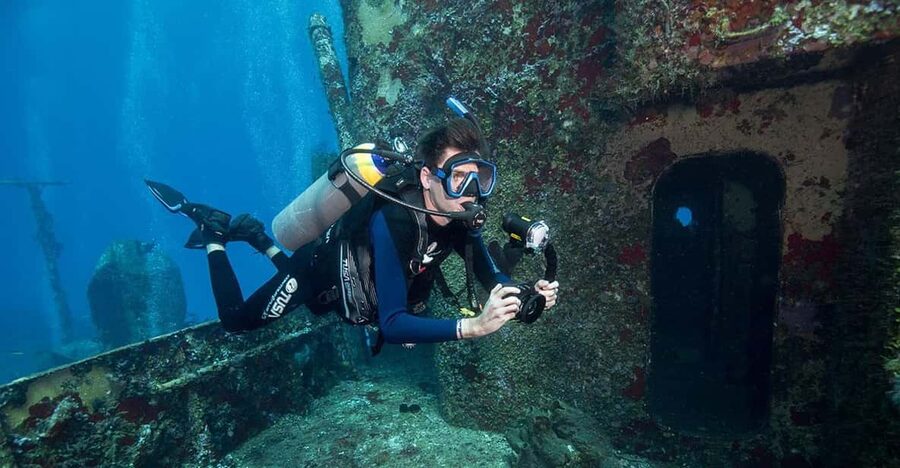
If you’re choosing an underwater trip in Miami Beach, the big question is simple: will you get enough variety in one day? This one answers that with a two-stop format that’s built around two different kinds of underwater scenery. One session is focused on wreck structure, and the other is aimed at reef life. That mix is a smart way to spend a limited vacation window, especially if you don’t want to pay for multiple separate excursions.
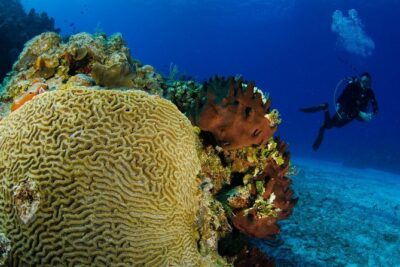
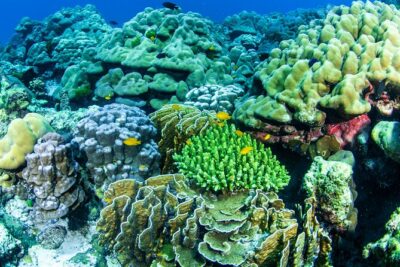
I also like the way the operator frames the experience around conditions you can actually plan for. Miami sits on top of the third-largest barrier reef system in the world, so there’s a strong chance your reef stop isn’t just “some rocks.” Expect good visibility and a wide spread of fish life, from small reef residents to larger, slow-moving animals that show up near structure.
The other reason this combo works is that wrecks and reefs tend to teach different skills. Wrecks give you more angles, nooks, and vertical structure to read. Reefs give you a better sense of the “big picture” ecosystem, where fish behavior changes as you move along. You’ll be learning and observing at the same time, without needing to cram your whole day into one long session.
Finally, the small-group approach is a real value add. When you’re dealing with weights, buoyancy, and a tight schedule on a boat, smaller groups usually mean fewer bottlenecks and more time for the guide to make sure everyone’s set.
You can also read our reviews of more tours and experiences in Miami.
Bill Bird Marina Logistics: Getting to Sea Mi Amor Without Stress
The meeting point is at Bill Bird Marina at Haulover Park, 10800 Collins Ave, Miami Beach, FL 33154. Your check-in is for the dive boat in slip E15, and the boat name is Sea Mi Amor.
If you’re using Uber or Lyft, the address you should enter is a bit quirky: Kelley Fishing Fleet, 10800 Collins Ave, Bal Harbour, FL. Then walk south toward slip E15. That extra step matters, because a wrong marina pin can cost you time, and this kind of tour runs on a tight water schedule.
One practical detail I appreciate: parking is included. Even if you’re an experienced local driver, marina parking can be annoying. Having it covered makes the start of the day calmer and helps you arrive without rushing.
On the language side, you’ll have a live guide speaking English and Spanish. That’s helpful if English isn’t your strongest language, or if you’re traveling with someone who feels more comfortable switching back and forth.
Two One-Hour Underwater Sessions: How the Timing Feels
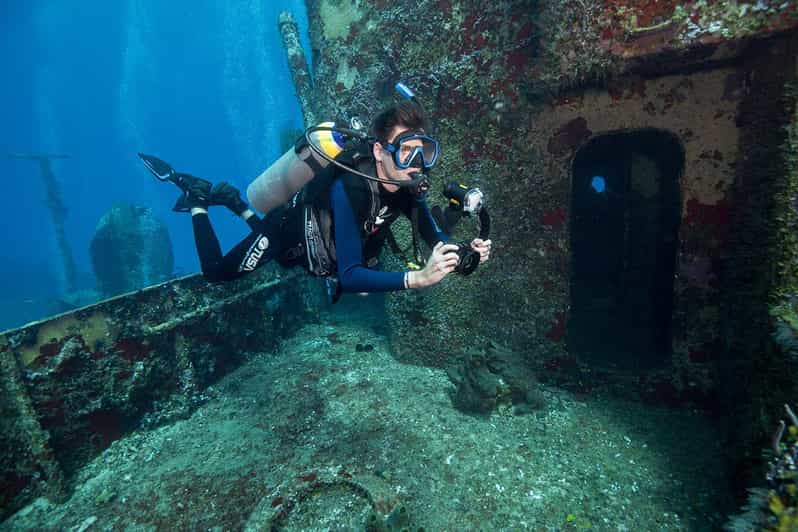
This is a 4-hour overall outing, built around two underwater stops. The flow looks like this:
- You start at 10800 Collins Ave (the marina area).
- There’s about 45 minutes of water transport to the first site.
- Then you spend around 1 hour at your first underwater location.
- After that, another short boat move (about 20 minutes).
- A second stop lasts about 1 hour.
- Finally, you return with another stretch of transport (about 45 minutes) back to 10800 Collins Ave.
Why that schedule is worth your time: you’re not stuck on the boat the entire day, and you’re not doing one short touch-and-go stop either. Two one-hour sessions usually give you enough time to settle in, get comfortable with depth and breathing, and actually look around. You also get a natural break between stops, which helps when you’re managing nerves or keeping equipment comfortable.
A consideration: because you’re traveling by boat between sites, if you’re very sensitive to motion, you’ll want to plan for that. The itinerary suggests multiple stretches of open-water travel, so bring whatever motion-sickness strategy works for you.
What You’ll Actually See: Reef Fish, Wreck Structure, and the Reef System Nearby
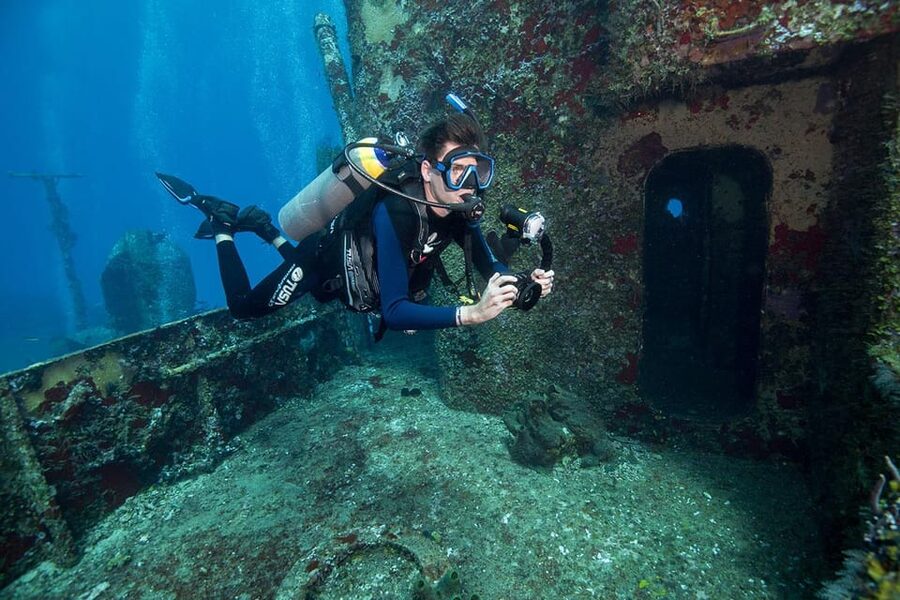
Miami’s reef and wreck areas come with a lot of “look longer than you think you need to” moments. The tour’s description focuses on strong visibility and marine life you can spot as you descend and move through the site.
On the reef side, you’re likely to run into a mix of reef fish species such as parrotfish, snappers, trunkfish, boxfish, trumpetfish, grunts, snappers, and smaller damselfish-type residents (damsels). In addition, it highlights larger, slow-moving animals that often show up near structure and current breaks: moray eels, groupers, and stingrays.
On the wreck side, the attraction is the structure itself. Shipwrecks create habitats and feeding zones. Even when you’re not chasing a “big animal,” wrecks tend to produce steady activity: cleaner stations, fish schools moving in and out of openings, and animals using the structure for cover. The info also notes that some wreck zones are protected, which can help fish numbers stay healthy.
If you’re hoping for the famous “wow” sightings, this is where you should set your expectations. The list of potential encounters includes octopus and turtles, plus squid and lobsters. You might not see every single species on every outing, but the presence of both reef residents and wreck-associated creatures in the same day increases your odds of feeling like you had a full experience.
One more note that I think is important for realism: reef depth options range from about 20 feet to 90 feet for reef sites. That means conditions can vary by location and planning. If you prefer shallower or deeper water for comfort reasons, ask your guide how they’re selecting the sites on your specific day.
Price and the Real Value: What $107 Includes and What It Costs Extra
At $107 per person for a 4-hour outing, the price is fairly straightforward for what you get on the water. Included are the boat trip, weights rental, a guide, filtered water, and refreshments plus cookies and chips. Parking is included too. That’s all practical stuff that adds up when you’re comparing operators.
The one big add-on category is gear and tanks. Scuba gear rental prices listed per person include:
- Mask $10
- Fins $10
- Regulator $30
- BCD $25
- Wetsuit $20
And tank fees are listed as:
- Air tanks $26
- Nitrox tanks $36
So, what does that mean for your budget? If you need to rent everything listed above plus an air tank, the add-on would total $121. Combined with the $107 base price, that puts you at $228 before any taxes. If you already own mask/fins or other gear, your total can drop a lot.
I like how this makes the pricing feel honest. You can plan for your true “all-in” cost instead of being surprised at the dock. If cost is tight, the best move is to bring anything you already have that touches your face and body (mask, fins if you’re comfortable with your setup). You’ll still be able to rent what you’re missing, but it keeps your money focused on the tank and the guidance.
Also, because you’ll be using weights rental, you don’t have to hunt down extra rental items. That part is included, which helps.
Choosing Your Comfort Zone: Certification, Medical Limits, and Who This Suits
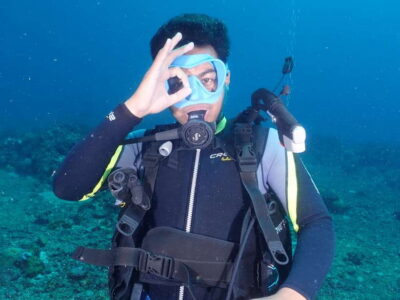
This activity requires you to be scuba certified and to have completed a recent underwater outing within the last 12 months. If you haven’t been in the water recently, make sure you can meet that standard before booking.
The trip is not suitable for:
- Children under 10
- Pregnant women
- People with heart problems
That’s not the kind of item you want to ignore. If you’re unsure about your health or fitness, check with a medical professional first. Scuba adds workload and pressure changes, and guides can’t and shouldn’t gamble on that.
Who tends to be a great fit:
- Adults who are comfortable managing equipment and breathing through a regulator
- Certified divers who want a guided day with real structure and clear site focus
- People who want variety without paying for separate wreck and reef trips
Who might need extra thought:
- Anyone prone to motion sickness, since there are multiple boat-transport segments
- Anyone anxious about being in deeper or current-influenced conditions, since reef options can run from about 20 to 90 feet
Service Quality: Small Groups, Professional Staff, and Friendly Language Support
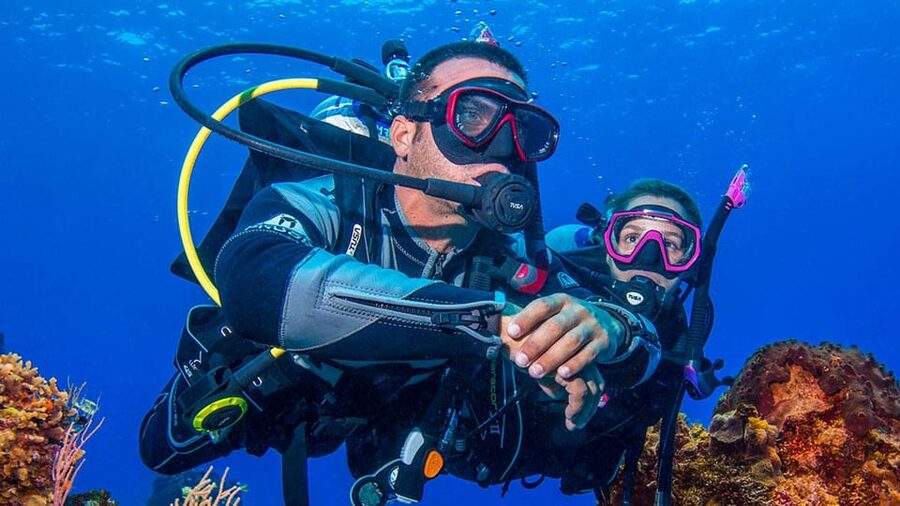
The most praised theme from the available ratings is that the crew runs a smooth, relaxed day. Multiple high scores point to a professional operation and easygoing underwater sessions at good locations. That combination matters more than it sounds. When a guide is organized, you waste less energy on logistics and more on seeing what’s around you.
One review specifically called out Patricia doing a great job working with a father and son. That suggests the team pays attention to comfort and confidence, not just the technical checklists. Another review highlighted a relaxed pace and very nice spots, which aligns with what you’d hope for on a two-stop schedule.
The rating is strong overall: 4.8 out of 5 across 13 reviews. If the top concern for you is staff quality and an easy flow, that’s a good sign.
Language support is also a plus. With English and Spanish live guidance, you’re less likely to miss safety notes or site explanations.
Practical Tips So Your Day Feels Easier
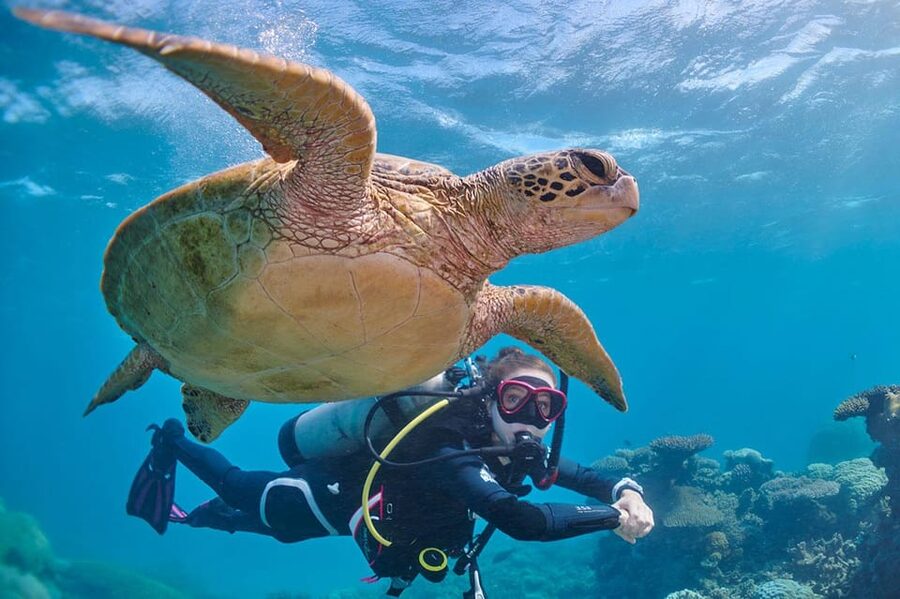
You don’t need a huge packing list. What you should bring is simple: swimwear and a towel.
But I do have a few practical habits that make a big difference on a day like this:
- Arrive early enough to handle check-in calmly. Marinas can be confusing if you’re new to them.
- If you rent gear, wear clothes that make it easy to change and stay comfortable between sessions.
- If you’re sensitive to current or depth, tell your guide early so they can set expectations for the site plan.
- Bring the right attitude: the experience is about looking and learning, not racing from one “thing” to the next.
Also remember that you’ll get filtered water plus refreshments, so you’re covered on the basics. Still, if you’re the type who likes to sip before you get dressed for the water, have your own water habit ready before meeting time.
Should You Book This 2-Tank Reef and Wreck Trip?
Book it if you want a guided scuba outing from Miami Beach that combines a shipwreck experience with a reef stop, within a clean 4-hour window. The small-group approach, boat-and-weights inclusion, and solid guide scores are the core reasons this works as a value decision.
Skip or reconsider if you can’t meet the recent certification requirement, you’re dealing with heart-related concerns, or you’re traveling with someone under 10. If you’re prone to motion sickness or you know you get uncomfortable in deeper water, talk with the operator before you commit, because reef depth options can run from about 20 to 90 feet.
If you’re aiming for a day that feels organized, relaxed, and genuinely varied underwater, this is a strong choice for Miami Beach.
FAQ
Where is the meeting point?
You meet at Bill Bird Marina at Haulover Park, 10800 Collins Ave, Miami Beach, FL 33154, and check in for the boat Sea Mi Amor at slip E15.
How long is the trip?
The total duration is about 4 hours.
What’s included in the price?
Included are the boat trip, weights rental, a dive guide, filtered water, refreshments, cookies and chips, and parking.
What scuba gear rental costs are listed?
Gear rental listed per person includes mask $10, fins $10, regulator $30, BCD $25, and wetsuit $20.
How much are the tanks?
Air tanks are $26 per person, and Nitrox tanks are $36 per person.
Do I need to be certified?
Yes. You need to be scuba certified and have gone on a scuba outing within the last 12 months.
What should I bring?
Bring swimwear and a towel.
How many underwater stops are included?
This is a two-tank outing with two underwater sessions, each about 1 hour.
Are English and Spanish offered?
Yes. The live guide provides English and Spanish.
Who is the trip not suitable for?
It is not suitable for children under 10, pregnant women, and people with heart problems.