REVIEW · MAURITIUS
Discover Scuba Diving in Mauritius
Book on Viator →Operated by Ocean Spirit Scuba Diving · Bookable on Viator
Your first breath underwater can be surprisingly calm.
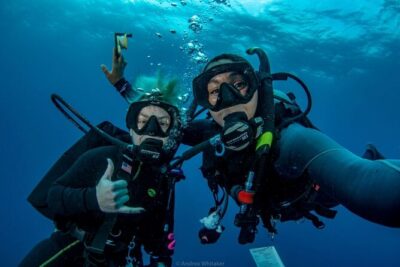
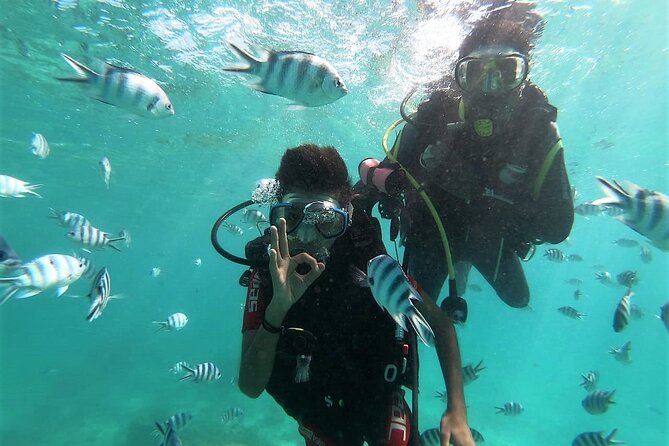
This Mauritius experience is built for beginners and kids over 8, with a PADI qualified instructor guiding you through safety, buoyancy, and underwater signals before you head out over the reef. You’re also aiming for that wow-factor of Mauritian reef life—like swimming in an aquarium—with a chance, at the right time, to spot dolphins, rays, and other bigger ocean visitors.
What I love most is the structured 3-step flow. You start with a 20–30 minute theory session, then get hands-on practice in the shallows at 0.6–1.8 meters, and only then do the fun reef time at 6–12 meters. Second, the small-group setup and careful teaching really shows—on many first-timers, it’s the kind of patient coaching that makes people feel ready fast, with instructors like Bobby and Nando noted for taking anxiety seriously. One possible drawback: you do need decent comfort in the water and moderate physical fitness, and the experience depends on good sea/weather conditions.
In This Review
- Key highlights you’ll care about
- Where this Ocean Spirit scuba setup starts in Grand Baie
- The 2.5-hour plan: theory, shallow practice, then reef time
- Step 1: 20–30 minute theory session
- Step 2: confined water practice at the beach (0.6–1.8 m)
- Step 3: a fun guided reef session (6–12 m, ~30–45 min)
- Instructor ratio (1:4) and why patience matters for first-timers
- What you can see in Mauritius waters (and when larger animals show up)
- Gear and buoyancy: the confidence part happens in the shallows
- Depth and air time: plan for 6–12 meters, not a long expedition
- Price and value: what $116.15 buys you in real terms
- Who should book this, and who should think twice
- A note on safety concerns you should take seriously
- Should you book Ocean Spirit’s beginner scuba program in Mauritius?
- FAQ
- Is this experience for beginners?
- How long does the experience take?
- What’s the instructor-to-student ratio?
- What are the three steps in the program?
- What skills do you practice in the shallows?
- How deep do you go?
- Is there a limit on group size?
- Do you need to be physically fit?
- What happens if the weather is poor?
- Can I cancel for a full refund?
Key highlights you’ll care about
- 1:4 instructor ratio keeps the teaching hands-on
- Shallow-skills practice (0.6–1.8 m) first, then a guided reef swim
- Underwater sign language + safety focus before you go out deeper
- Small group cap (max 8 people) for a less crowded feel
- Reef life viewing at 6–12 m with a chance of dolphins and rays
- Ocean Spirit location near Grand Baie/Pereybere makes the start easy
Where this Ocean Spirit scuba setup starts in Grand Baie
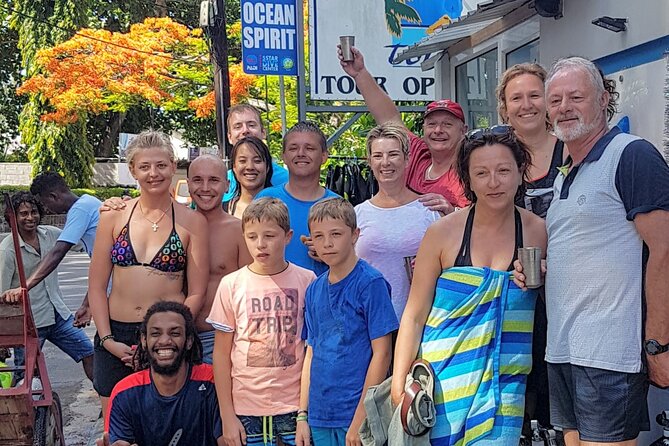
This activity meets at Ocean Spirit’s Mauritius center along the coastal road in Pereybere / Grand Baie (30546). It’s in a built-up area, so you’re not stuck in the middle of nowhere—good news if you’re using public transportation or you’re relying on a short ride from where you’re staying.
The day ends back at the same meeting point. That matters because you don’t have to plan a complicated return. Also, the operator uses a mobile ticket, so you’re not digging through paper.
If you’re the kind of person who likes to feel oriented before getting wet, arriving a bit early helps. You can see where the gear is staged, meet the instructor, and get a sense of the group size—this experience keeps it tight, with up to 8 people.
You can also read our reviews of more tours and experiences in Mauritius.

The 2.5-hour plan: theory, shallow practice, then reef time
The schedule is about 2 hours 30 minutes total, and it’s designed to move in stages. That’s not just pacing. It’s how you avoid the most common beginner problem: panic from doing everything at once.
Step 1: 20–30 minute theory session
You’ll begin with a short classroom-style introduction that covers:
- How the scuba gear works and how you’ll use it
- Safety rules and what to do if something feels off
- Underwater sign language
- The “why” behind protecting ocean life and keeping the reef healthy
Even if you’ve watched videos, this step is the moment to learn the exact hand signals you’ll use. When you know what the instructor expects, you spend less mental energy guessing.
Step 2: confined water practice at the beach (0.6–1.8 m)
Next comes the first water practice in a controlled shallows zone between 0.6 and 1.8 meters. This is where you do key skills at a depth where you can still feel safe and grounded.
You’ll practice:
- Mask clearing
- Removing and recovering the mouthpiece
- Buoyancy exercises using the jacket and breathing
Why this step is so valuable: buoyancy is the difference between feeling in control and fighting your equipment. Practicing it first, shallow and slowly, helps you enjoy the second half instead of just surviving it.
Step 3: a fun guided reef session (6–12 m, ~30–45 min)
If your skills are going well, you move to a fun reef swim further out with a target depth between 6 and 12 meters. The time ranges around 30–45 minutes, and it’s adjusted based on your air consumption.
This is the part where Mauritius shows off. The goal is calm, guided enjoyment while you focus on seeing reef life, not on managing the whole system by yourself.
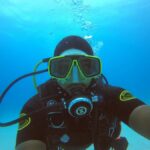
Instructor ratio (1:4) and why patience matters for first-timers
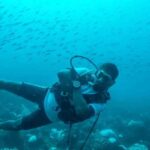
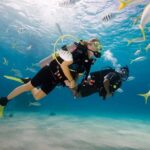
You’re guided by a PADI qualified instructor on a 1:4 ratio. That’s important. In many beginner activities, the “teaching” can become a quick briefing and a hope-you-can-do-it moment. Here, the ratio signals that you’ll have real attention during skill practice.
The center also keeps things supportive for people who feel nervous. In actual experiences shared with the operator, instructors like Bobby and Nando are praised for staying patient and taking time to assess comfort levels. One theme that comes up is that if someone is uneasy, the team adapts—extra attention and gentle pacing help a lot.
For you, this usually means:
- You get corrected while it’s still easy to fix
- You don’t get rushed into deeper water
- You’re more likely to enjoy the reef portion instead of white-knuckling the first minutes underwater
What you can see in Mauritius waters (and when larger animals show up)
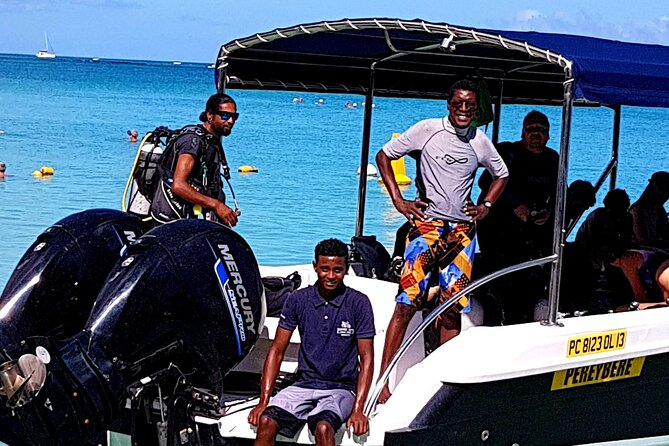
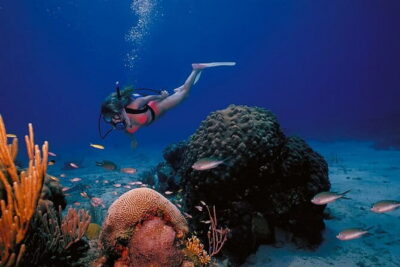
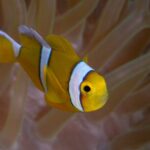
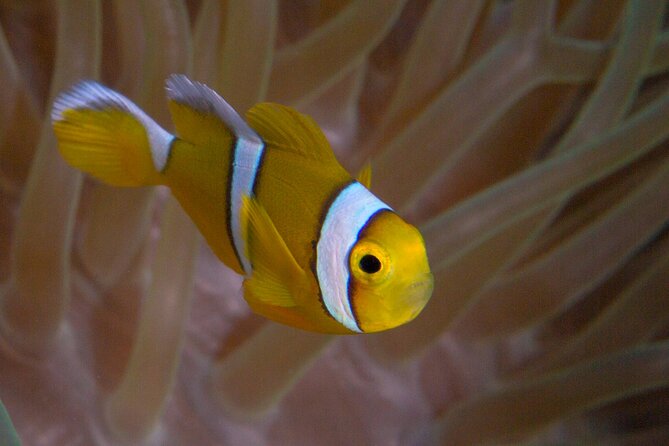
The experience is built around reef-life viewing. The description promises a wide variety of reef life—like swimming in an aquarium. That matches what many divers love about Mauritius: clear water on good days plus healthy coral zones close enough for an enjoyable beginner outing.
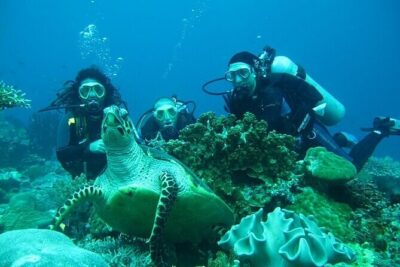
Timing can matter for larger pelagic sightings. The program notes that if you dive at the right time, you might see dolphins, rays, and other bigger ocean creatures. Even if you don’t get the big-ticket animals, you can still expect lots of small-to-medium reef life because you’re working in a guided environment geared toward viewing, not performance.
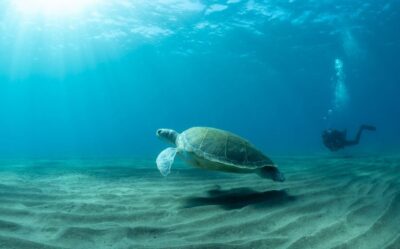
A few specific creatures show up in experiences people described around Ocean Spirit’s instruction, including rays and turtles during their first underwater sessions. So if you’re hoping to spot something memorable beyond fish, that’s a realistic goal.
Pro tip: if you’re camera-happy, spend your first minutes looking first. Your brain relaxes faster underwater when you’re not trying to frame every shot at the exact moment you’re learning control.
Gear and buoyancy: the confidence part happens in the shallows
The “secret sauce” of a good beginner scuba program is not the reef. It’s the shallow practice that teaches you how not to struggle.
That’s why the sequence matters: you train mask clearing, mouthpiece recovery, and buoyancy before you go deeper. The shallow water depth range—0.6–1.8 meters—is chosen so you can focus on technique without feeling trapped.
Here’s what you should pay attention to:
- Mask clearing: do it calmly, not aggressively
- Mouthpiece recovery: follow the instructor pace and breathe steadily
- Buoyancy: use breathing and small corrections rather than constant gear fighting
When buoyancy clicks, the reef portion feels almost effortless. People often come off the shallow session surprised by how quickly they can control their position in the water column.
Depth and air time: plan for 6–12 meters, not a long expedition
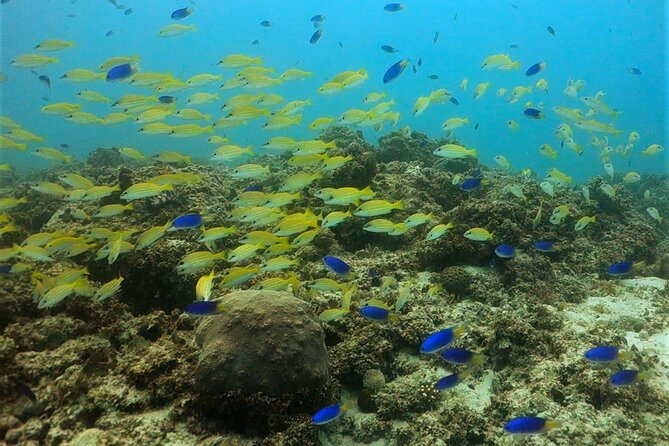
This experience is not meant to turn into an all-day mega outing. It’s timed and structured.
You’re looking at:
- Shallow practice at 0.6–1.8 m
- Reef fun time at 6–12 m
- Reef time around 30–45 minutes, dependent on air consumption
That air-time detail matters because it affects your pace. If you get excited (totally normal), you can burn air faster. The fix is simple: slow breathing, relaxed movements, and trust the buoyancy skills you practiced earlier.
Also, your comfort matters. You’ll want to wear a calm face during technique practice. The instructor team adjusts to comfort levels, but you still need to work with the process.
Price and value: what $116.15 buys you in real terms
The price is $116.15 per person. For a first-scuba style program, the real question is what you’re getting for that money beyond the headline.
What’s included (based on the structure you’ll follow):
- Theory session (20–30 minutes) covering safety, gear use, and sign language
- Supervised shallow skill practice with targeted exercises
- A guided reef session at 6–12 meters when you complete the exercises satisfactorily
- Instruction under a PADI qualified instructor with a 1:4 ratio
- A small group (max 8)
In other words, you’re paying for time, supervision, and training—not just a ticket to float nearby. You’re also paying for an operation that clearly invests in teaching comfort. That shows up repeatedly in how instructors are described, especially for people who felt nervous at the start.
One more value angle: on average, this gets booked about 20 days in advance, which suggests it’s a popular slot. If your trip dates are tight, booking early can save you from end-of-week availability crunches.
Who should book this, and who should think twice
This program welcomes beginners and children over 8. It also lists a moderate physical fitness level requirement.
So who it fits best:
- First-timers who want an organized introduction rather than a free-for-all
- Families with older kids who can follow instructions and participate in shallow exercises
- People who like clear structure: theory, then controlled practice, then reward reef time
Who should think twice:
- If you have trouble with moderate physical effort in general (even if swimming is not the main test, you still need comfort in the water process)
- If you’re very uncomfortable with training exercises like mask clearing and mouthpiece handling
- If you can’t adapt to needing good weather and water conditions
And one practical point: the meeting area is near public transport, but you still want to arrive ready to move on schedule. The whole program is staged. Late arrivals can cut into the training flow.
A note on safety concerns you should take seriously
Scuba is safe when systems work and instruction is solid—but no water sport is risk-free.
In the provided experiences tied to this operator, there is at least one report describing an issue when air supply was needed at around 12 meters. The operator responded that they couldn’t locate the person by name and that they didn’t see it in their records. Still, the existence of the report means you should handle safety questions like an adult, not like a passenger.
Before you go, ask the instructor team:
- How they handle air checks and monitoring during the reef portion
- What signals you should watch for if you feel uncomfortable
- How they manage the group if someone struggles with equipment or breathing control
You can also tell them clearly that you’re new and mention your biggest fear. In these experiences, instructors like Bobby and Nando are praised for patience, but the best results come when you communicate early.
Should you book Ocean Spirit’s beginner scuba program in Mauritius?
If you want a first-time, structured introduction that teaches you how to handle basic skills and buoyancy before you head out over the reef, this is a strong choice. The 1:4 instructor ratio, the small max 8 group size, and the step-by-step shallow-to-reef format are exactly what you want when you’re trying to stay calm and learn fast.
Book it if:
- You’re excited to see reef life in clear Mauritius waters
- You want a guided experience that focuses on comfort, not speed
- You’d rather learn in small, controlled steps (the shallows plan helps a lot)
Skip it or postpone it if:
- You’re not comfortable with mask clearing and mouthpiece recovery practice
- You have major mobility or fitness limitations for water activities
- Weather is shaky for your dates and you can’t flex your schedule
If your goal is to get that first underwater wow moment without guessing, this program is built for that.
FAQ
Is this experience for beginners?
Yes. It’s designed for beginners, and it also welcomes children over 8 years old.
How long does the experience take?
The activity runs about 2 hours 30 minutes.
What’s the instructor-to-student ratio?
You’ll be guided by a PADI qualified instructor with a ratio of 1:4.
What are the three steps in the program?
You’ll do a theory session for 20–30 minutes, then a confined shallow practice between 0.6 and 1.8 meters to work on skills, and finally a fun guided reef session at 6–12 meters for about 30–45 minutes depending on air use.
What skills do you practice in the shallows?
You practice mask clearing, removing and recovering the mouthpiece, and buoyancy exercises using the jacket and breathing.
How deep do you go?
The shallow practice is between 0.6 and 1.8 meters. The reef session is typically between 6 and 12 meters.
Is there a limit on group size?
Yes. The maximum group size is 8 travelers.
Do you need to be physically fit?
The experience lists a requirement of moderate physical fitness level.
What happens if the weather is poor?
This activity requires good weather. If it’s canceled due to poor weather, you’ll be offered a different date or a full refund.
Can I cancel for a full refund?
Yes. Free cancellation is available, and you can cancel up to 24 hours in advance for a full refund.