REVIEW · MARSEILLE
Beyond Bouillabaisse: Diving into Marseille’s Multicultural Stew
Book on Viator →Operated by Culinary Backstreets Walks · Bookable on Viator
Marseille tastes like a storybook. I love the small group size (max 7) and the way you eat two full meals at places that feel local, not staged for tourists. One thing to consider: it’s a walking tour, so comfy shoes matter, and the food focus leans multicultural more than classic French seafood.
This is also a smart first-day plan. You’ll start near Gare de Marseille Saint-Charles, connect food to immigration history, then move through landmarks like La Canebière and the Markets around Noailles before finishing with an apéro at the Vieux-Port. If you like chatting with guides who bring specific neighborhoods to life, you’ll get a lot out of this day.
In This Review
- Key highlights worth planning around
- A 5.5-hour plan that turns Marseille into food you can remember
- Gare de Marseille Saint-Charles: starting with migration and Algerian flavors
- Saint-Vincent de Paul and café time: Provençal biscuits after church history
- La Canebière spice shop + market stroll: Marseille’s signature boulevard in food terms
- Marché de Noailles: the fragrant stalls section where your senses lead
- Vieux-Port apéro: harbor stories and a former sailors bar
- Price and value: how $160 makes sense if you eat, not snack
- Walking, weather, and cruise-ship reality checks
- Guides make the tour: Séverine, Coco, Chloé, and Alexis
- After the tour: use their restaurant list while Marseille is still fresh
- Who should book this tour, and who should think twice
- Should you book Beyond Bouillabaisse?
- FAQ
- Where does the tour start and where does it end?
- How long is the tour?
- Is it a small group?
- What language is the tour offered in?
- Does the tour include full meals or just tastings?
- What happens if the weather is bad?
Key highlights worth planning around
- Max 7 people: more chatting, fewer waiting around, and an easy pace for tastings
- Two full meals: you’re not just sampling snacks on sugar and bread
- Stops you’d skip on your own: spice shops, markets, and café counters locals actually use
- Food through migration stories: Marseille history is explained through what people ate after arriving
- Finishes at the Old Port: you end right where you can keep exploring afterward
- Guides like Séverine, Coco, Chloé, and Alexis: real personalities, and their restaurant tips help you plan the next days
A 5.5-hour plan that turns Marseille into food you can remember
Beyond Bouillabaisse is a walking food tour built for people who want more than the usual photo stops. In about 5 hours 30 minutes, you’ll move through several neighborhoods and keep sampling along the way, including two full meals.
I like that the pace works for conversations. You’ll have moments to sit, taste, and ask questions, not just shuffle from one standing-counter to the next. The downside? You’ll be on your feet quite a bit, so plan to treat the rest of your day kindly.
You can also read our reviews of more tours and experiences in Marseille.
Gare de Marseille Saint-Charles: starting with migration and Algerian flavors
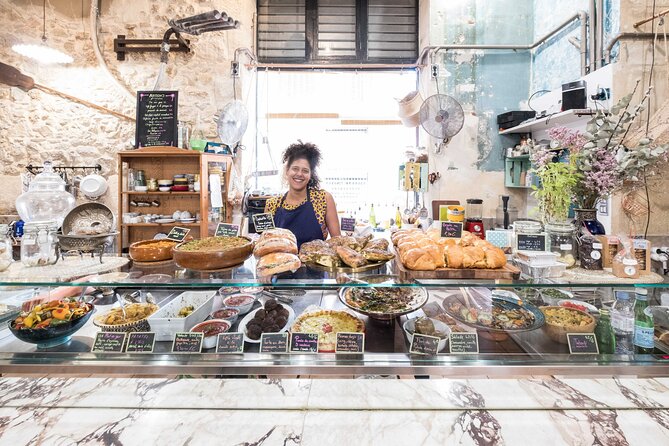
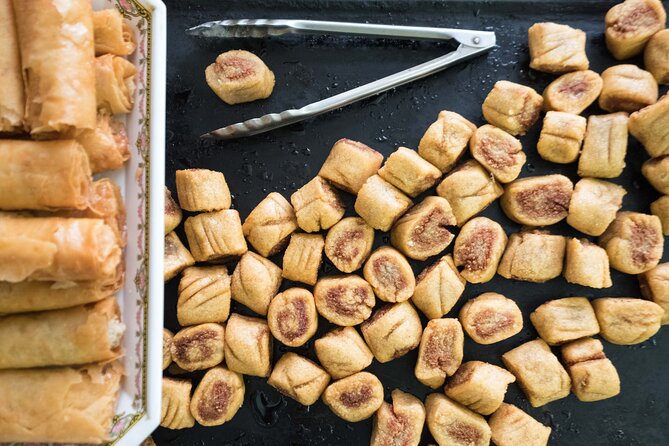
You meet near Place des Marseillaises, then the tour swings toward Gare de Marseille Saint-Charles to set the theme. This first stop is about how Marseille became a port city with waves of newcomers, and you’ll get an Algerian delicacy connected to that story.
Why I think this works: it gives you a lens for everything that follows. When you later taste spices and dishes tied to North Africa and the eastern Mediterranean, the flavors make more sense because the tour has already explained the why.
Tip for your first tastings: don’t overthink it. Take small bites, sip water, and let the guide pace you. Early on, you’re not trying to win a food-eating contest, you’re building your map of tastes.
Saint-Vincent de Paul and café time: Provençal biscuits after church history
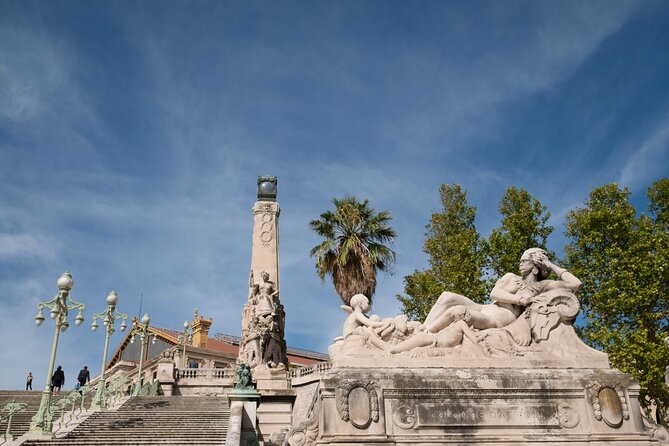
From the station area, you pop into Église Saint-Vincent de Paul, the kind of gothic church that makes you slow down without trying. Then you head straight to a classic café for Provençal biscuits.
I like this pairing because it breaks the tour into two modes: big visual history, then a sweet, low-stakes bite. It also helps you reset your energy before you move into more market-heavy streets later.
If you’re the type who gets cold easily, consider bringing a light layer. Even with good weather, you can move in and out of shaded areas and doorways during church/café transitions.
La Canebière spice shop + market stroll: Marseille’s signature boulevard in food terms
Next comes La Canebière, Marseille’s iconic boulevard. It’s busy, it’s colorful, and it’s the kind of street where you quickly see how many different cultures overlap in one city block.
You’ll also visit a spice shop and a market along the way. This is where the tour starts feeling like a real education in ingredients, not just a sequence of bites. Spices here aren’t background flavor; they’re the story.
A small practical note: the boulevard can be crowded. That’s not a problem, but it means you’ll want to stay close to the guide when crossing streets and passing storefronts.
Marché de Noailles: the fragrant stalls section where your senses lead
Then you get to Marché de Noailles, often described as the belly of Marseille for food. This is the part where you’ll really notice how the city smells and how stalls are organized by what people buy day to day.
Expect a longish stroll through fragrant food stalls and neighborhood commerce. It’s a great section if you like browsing, asking what things are, and seeing how spice, produce, and pantry staples connect.
What I’d do if I were you: pay attention to what you see that you’d actually cook with later. The tour’s best value isn’t just the tasting. It’s learning what to look for the next time you’re in a shop on your own.
Vieux-Port apéro: harbor stories and a former sailors bar
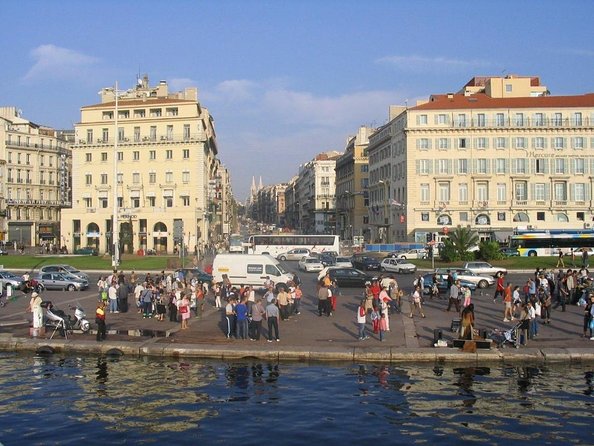
The tour lands at the Vieux-Port, with history tied to the boat-filled harbor and then an apéro at a former sailors’ bar. This ending is smart for two reasons.
First, you get context for Marseille as a port city, not just a postcard city. Second, the apéro is the perfect reward after hours of walking and tasting, without forcing a long sit-down meal that would kill the rest of your day.
Also, you don’t return to the starting point. You finish at the Old Port, which is excellent if you plan to keep exploring after the tour. It also makes the day feel like an arc: start with migration threads, end with a harbor drink.
Price and value: how $160 makes sense if you eat, not snack
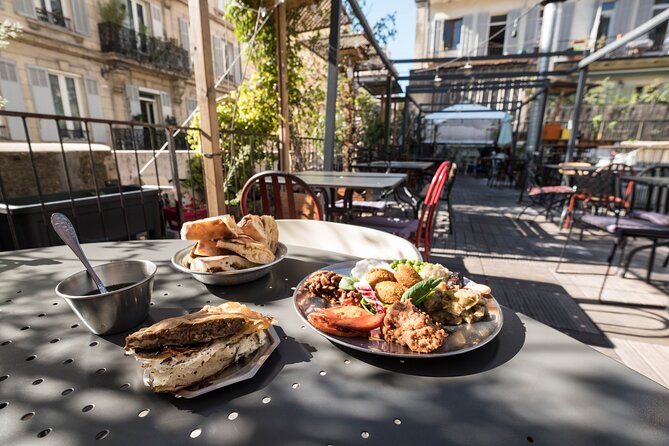
At $160 per person for about 5.5 hours, you’re paying for several things at once: guided storytelling, access to multiple food stops, and (most importantly) two full meals.
If you only wanted a quick tasting loop, the price could feel high. But this tour doesn’t stay in snack territory. It’s structured so you’re fed, and the meals balance the walking.
That said, not every bite will match every preference. One review complained about a lighter emphasis on meats and seafood and a heavier share of bread and vegetarian-style items. If you know your diet is strict or you only eat certain flavors, your best move is to speak up early and ask what’s next.
Walking, weather, and cruise-ship reality checks
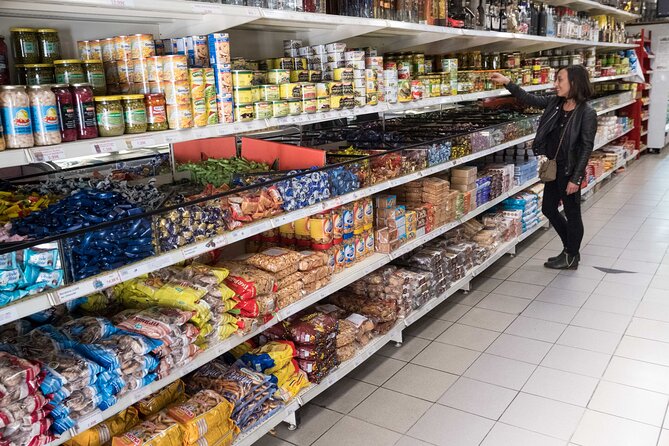
This is a walking tour. You’ll keep moving between neighborhoods, and the tour is timed so you’re rarely stuck waiting. Still, you’ll want comfy shoes and a bit of stamina.
The experience also requires good weather. If conditions are poor, you’ll be offered a different date or a full refund, so don’t book it as your only plan on a day that’s likely to be stormy.
If you’re on a cruise, build in time and buffer. One family described a taxi drop that put them farther away than expected, and they had to scramble for another ride. I can’t control taxis, but I can tell you this: give yourself extra margin getting to the meeting point, especially if you’re relying on a last-mile taxi.
Guides make the tour: Séverine, Coco, Chloé, and Alexis
One of the strongest signals from the experience is the guide impact. Multiple guides have led this tour, including Séverine, Coco, Chloé, and Alexis, and the common thread is how they connect food to Marseille life.
I love that you can feel the guide’s relationships with the stops. Several reviews mention that restaurant staff recognize the guide, which usually means smoother service and a more relaxed vibe while you’re eating.
Also, one review noted the guide adjusted tastings to match the group’s desires. If you have preferences, ask. Early. A simple request like less spice, more seafood, or vegetarian options can help a guide steer you toward a better day.
After the tour: use their restaurant list while Marseille is still fresh
Another practical benefit: guides often share suggestions for where to eat next. That matters because Marseille is enormous, and it’s easy to waste a meal on a place that’s convenient but not right for you.
If you take this tour early in your trip, you’ll come away with names, neighborhoods, and food types to search for later. I’d plan at least one follow-up meal within the same areas you visited—especially around the Old Port and the market zones.
Who should book this tour, and who should think twice
This works best for you if you:
- want a first-day overview of Marseille through food and culture
- enjoy multicultural influences more than one narrowly defined cuisine
- like learning ingredient stories, not just eating bites
- want a small group setting with real conversation
You might think twice if you:
- strongly prefer classic French seafood-only meals
- hate walking with short breaks
- have very strict dietary needs and don’t feel comfortable asking the guide for adjustments
Should you book Beyond Bouillabaisse?
Yes, if you want Marseille to make sense fast. The mix of history tied to immigration, multiple neighborhood walks, and the fact that you’re properly fed makes it strong value for $160.
I’d especially book it early because it gives you a mental map you can use all trip. And if your food preferences are specific, go in hungry, ask questions at the start, and let the guide help you steer the day.
FAQ
Where does the tour start and where does it end?
It starts at Place des Marseillaises and ends at the Old Port of Marseille (Vieux-Port). The tour does not return to the original departure point.
How long is the tour?
The tour runs for about 5 hours 30 minutes.
Is it a small group?
Yes. The tour has a maximum of 7 travelers, which keeps the experience more personal.
What language is the tour offered in?
The tour is offered in English.
Does the tour include full meals or just tastings?
You’ll enjoy two full meals during the culinary tour, along with other tastings along the route.
What happens if the weather is bad?
The experience requires good weather. If it’s canceled due to poor weather, you’ll be offered a different date or a full refund.