REVIEW · ST THOMAS
PADI / SSI Open Water Certification
Book on Viator →Operated by Aqua Marine Dive Center · Bookable on Viator
Becoming certified in St. Thomas is a smart mix of skills work and Caribbean water time. What I like most is the small group size and the way the course flows from eLearning to a pool skills session, then out on the water for open-water checkouts.
Two things I’d actively plan around are the built-in coaching (people repeatedly mention instructors by name, like Kyle, Steph, Erica, Abby, Erika, and Jaime/James Wood) and the fact that your scuba equipment is included, so you’re not guessing what to rent. One possible drawback: you’re on a schedule. You’ll need to complete eLearning before you start in-water work, and the plan also depends on good weather for those two boat days.
In This Review
- Key highlights at a glance
- St. Thomas open-water certification: what you’re really paying for
- The 3-day flow that matters: eLearning, pool skills, then two boat days
- Step 1: You complete eLearning on your own
- Step 2: A confined-water skills session (pool) with your instructor
- Step 3: Two scheduled open-water boat days for checkouts
- Meeting point timing and how to plan your day
- What the training day feels like in water (and why visibility matters)
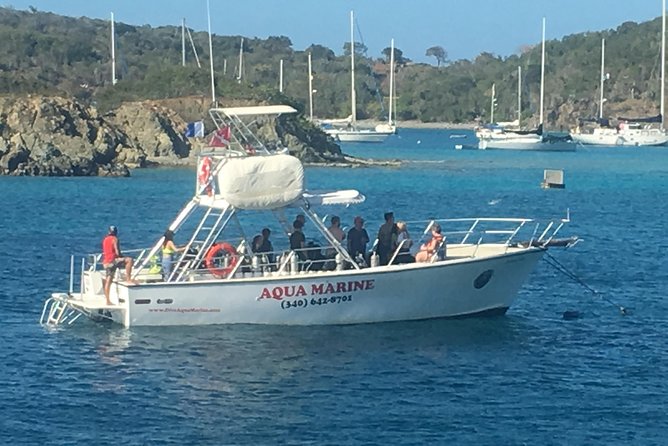
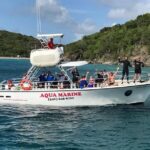
- Boats, gear, and small-group attention
- Choosing between PADI and SSI (and what to confirm before you start)
- Who this is perfect for (and who should think twice)
- Price and logistics: $795 is fair, if you do your part
- Practical safety and medical paperwork you should know
- Should you book this St. Thomas open-water certification?
- FAQ
- FAQ
- Where is the class meeting point in St. Thomas?
- What time does the experience start?
- How long does the open-water certification take?
- Do I need to complete eLearning before I get in the water?
- Is scuba equipment included?
- Are boat-day refreshments included?
- Is hotel pickup and drop-off included?
- How many people are in the class?
- Is there a medical form required?
- When can I fly after certification?
Key highlights at a glance
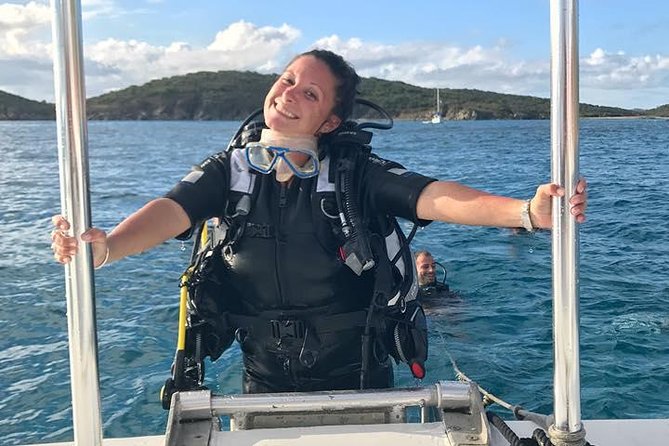
- Up to 8 students, so you get more hands-on attention during skills practice
- Two open-water boat days as part of the certification checkout requirements
- Scuba equipment included, plus bottled water, soft drinks, and snacks on boat days
- Pool session first, then you build up to open water with your instructor
- Instructor quality shows in the details, with repeat praise for calm, step-by-step teaching (Kyle, Steph, Erica, Jaime, Abby, Erika)
St. Thomas open-water certification: what you’re really paying for
This class is built for one outcome: getting you certified in open water—after you’ve done the required knowledge online and then completed skills with a qualified instructor in a pool and in the ocean. The price is $795 per person for about 3 days of total time, and the value is strongest when you already know how you’ll handle logistics like getting to the marina on your own.
Here’s what’s genuinely included for that cost:
- Professional guide
- Use of scuba gear
- Bottled water, soft drinks, and snacks (at least on the boat days)
- A course structure that caps group size at 8 travelers
What’s not included is where people can get tripped up:
- PADI or SSI eLearning materials (you must buy/complete the online coursework separately)
- Hotel pickup/drop-off (you’ll arrange your own transport)
So the real “price test” is this: if you finish eLearning early and you can confidently make it to Saga Haven Marina in time for your scheduled sessions, this is a straightforward, beginner-friendly way to earn certification without the added hassle of equipment rentals.
You can also read our reviews of more tours and experiences in St Thomas.
The 3-day flow that matters: eLearning, pool skills, then two boat days
The experience isn’t just “show up and get certified.” It’s a sequence, and you’ll feel the structure once you see how they coordinate your dates.
Step 1: You complete eLearning on your own
You’ll start your certification work independently with online course material. They can help you get eLearning assigned if you don’t have it already, but you’ll still need to complete it before your first in-water session.
It typically takes 6–12 hours, so start well ahead of your in-water day. This matters because you want your first pool time to be skills-focused, not a scramble to catch up.
Step 2: A confined-water skills session (pool) with your instructor
After you’re done with the online work, you’ll do skills in a confined-water setting first. This is where you learn to handle equipment and practice core tasks with direct feedback.
This pool-first approach is valuable for two reasons:
- You build muscle memory without ocean variables.
- You get comfortable enough that the open-water checkout days are about applying skills, not learning them from scratch.
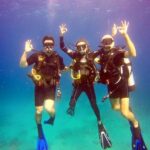
Many participants talk about instructors making them feel calm and taken care of. Names that show up often include Kyle, Steph, Erica, Abby, and Erika, with praise focused on patient coaching and clear expectations.
Step 3: Two scheduled open-water boat days for checkouts
Once you register, you’re scheduling two boat trips for open-water checkouts. After booking, you’ll need to contact the team so they can line up:
- an early morning pool session ahead of your first boat day
- your second boat day as well
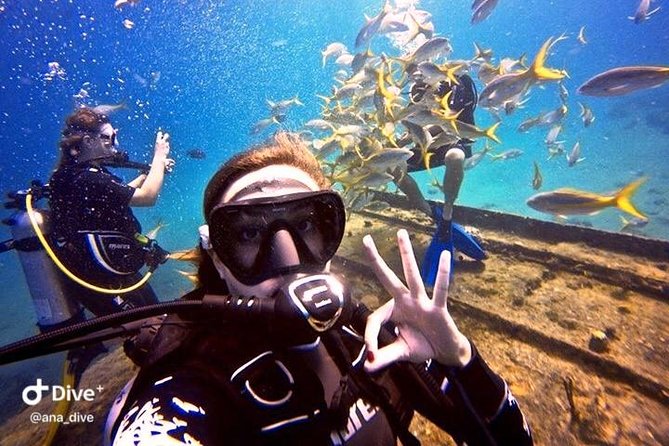
On those boat days, the group goes out for the required in-water skills demonstrations in open water. They also supply bottled water and snacks, which is a small detail that makes long training days feel easier.
Meeting point timing and how to plan your day
The meeting point is Saga Haven Marina, St Thomas 00802, USVI. The listed start time is 1:00 pm, but the course still depends on scheduled sessions that include an early morning pool before your boat days.
Here’s the practical way to think about timing:
- Assume you’ll have at least one earlier-than-you’d-like pool morning.
- Plan to be flexible with exact session times until they confirm your instruction schedule.
- Bring a “no rushing” mindset. Learning to manage gear and skills takes repetition.
Also note: this is a mobile ticket experience, and it’s described as near public transportation, which can help if you’re not renting a car.
What the training day feels like in water (and why visibility matters)
This course is aimed at beginners, and that’s reflected in the structure: you practice first, then you apply the skills in open water while staying within the limits of beginner checkout requirements.
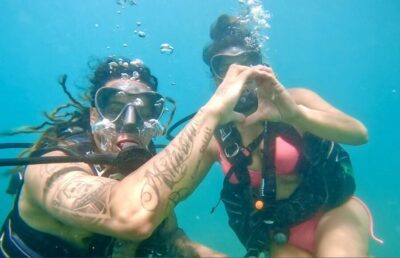
On the boat, you’ll have a professional guide with you, and the equipment is included. People consistently mention feeling safe and well cared for—especially with calm instruction and clear steps.
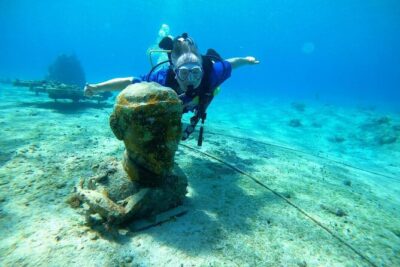
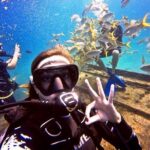
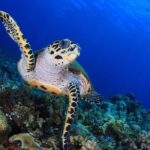
One real-world reminder from the experience stories: conditions can change what you see. For example, one review pointed out a shallower, around 30 feet checkout with limited visibility and no turtle sightings that day. That doesn’t mean the training isn’t good; it means underwater wildlife sightings are never guaranteed in any location.
The good news is you’re not going out for a “sightseeing-only” trip. The main mission is skills mastery, and St. Thomas waters are a strong place to practice your control and buoyancy fundamentals—while keeping your expectations grounded about marine life.
Boats, gear, and small-group attention
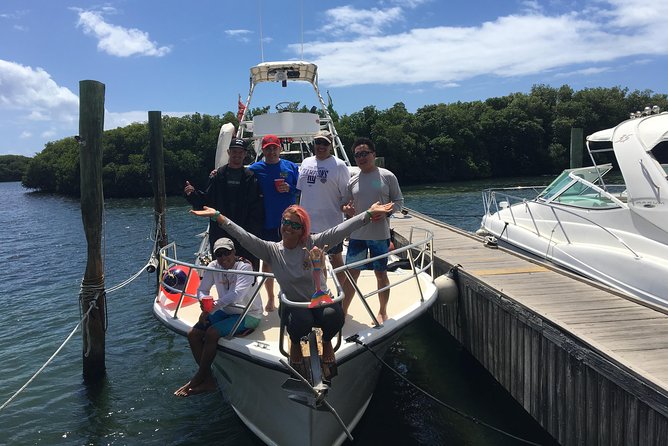
A big part of why this class works for new divers is control. You’re learning how to coordinate breathing, equipment setup, buoyancy, and movement—all while relying on an instructor to correct you in real time.
That’s easier in a small group. This experience caps at 8 travelers, which helps because:
- fewer people means more instructor attention during skill checks
- you spend less time waiting between tasks
- you can get help fast if something feels off (like mask fit or comfort)
Equipment inclusion is another money-saver. Since scuba gear is provided for your training, you avoid two common headaches:
- figuring out what size/type of rental gear you need
- paying extra for gear separately from the certification cost
And on boat days, they also include refreshments—bottled water and snacks/soft drinks—so you’re not managing hunger while learning.
Choosing between PADI and SSI (and what to confirm before you start)
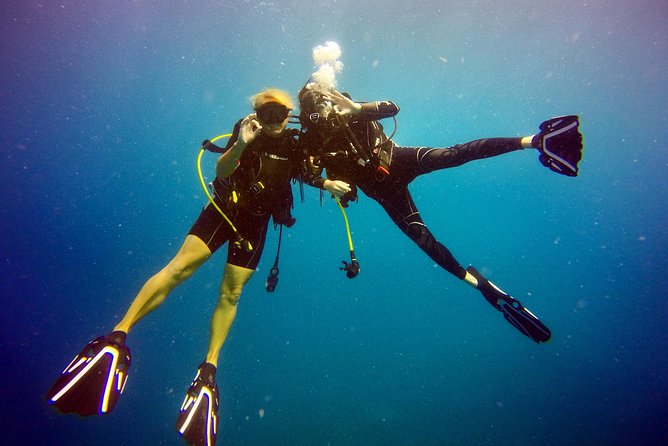
The experience states PADI / SSI Open Water Certification and also notes SDI qualifications available. That means you’re picking the credential pathway that fits you best, and you’ll want to confirm what’s included for your chosen brand (especially around the online coursework).
What you can take straight from the provided info:
- eLearning materials are not included
- you must finish eLearning before any in-water training starts
- the course is designed around PADI/SSI-style open-water checkout requirements
If you’re unsure which brand you want, your practical move is to contact the provider before you begin so you’re not stuck finishing eLearning for one option and then switching.
Who this is perfect for (and who should think twice)
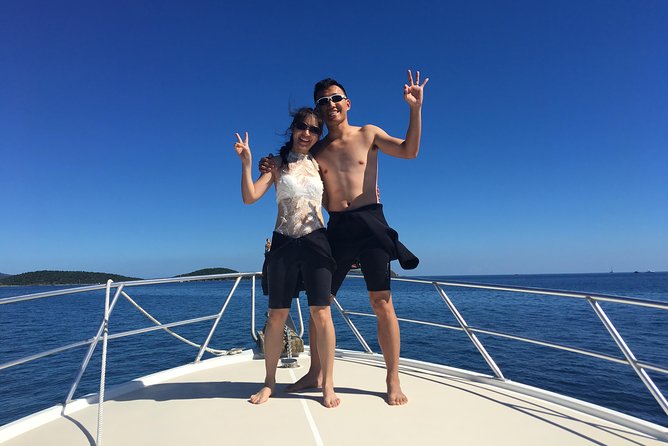
This is a great fit if you:
- want a structured path from learning to certification without renting gear
- prefer a maximum of 8 students, with coaching throughout
- can handle an online course that takes 6–12 hours
- are comfortable swimming and can manage open-water comfort without assistance
- can manage moderate physical fitness needs
It also works well for families. The minimum age is 10, and children must be accompanied by an adult. Several instructor-focused reviews highlight groups including teens and family members.
Who might need extra thought:
- If your schedule can’t handle eLearning first, then a pool morning, then two boat days, it may feel tight.
- If you don’t want to manage your own transportation to the marina (no hotel pickup), you may prefer a different format.
Price and logistics: $795 is fair, if you do your part
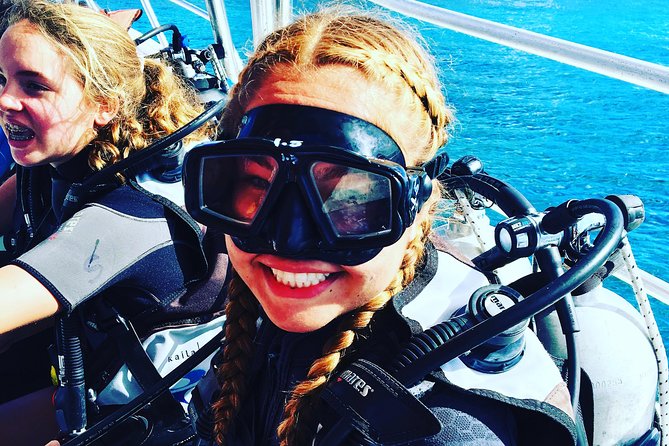
Let’s talk value without hype.
At $795 per person, you’re buying:
- certified training structure across about 3 days
- professional guidance
- scuba gear
- snacks and drinks on boat days
- a small-group setting (max 8)
You’re not buying:
- eLearning materials
- hotel pickup/drop-off
The easiest way to judge fairness is to compare it to the real costs people often rack up on their own—rental gear, separate instruction, and the time cost of sorting it all out. Here, the instruction and equipment are bundled, which usually helps you get certified faster and with less planning pain.
There’s also a weather reality: the experience requires good conditions. If it’s canceled due to poor weather, you’re offered a different date or a full refund (as stated). If it doesn’t meet minimum traveler numbers, you can be rescheduled or refunded too.
Practical safety and medical paperwork you should know
Before you start in water, you’ll be required to complete a standard Diver Medical Questionnaire on arrival. They also advise reviewing ahead of time for health conditions that might require doctor written pre-approval.
They also give a travel timing rule: you should allow at least 18 hours after diving before flying. Even if your flight is later the same day, plan extra buffer so you’re not rushing.
One more practical point: you should be prepared to swim comfortably in open water without assistance. This isn’t “stand here and watch.” It’s a working certification course.
Should you book this St. Thomas open-water certification?
If your goal is simple—get open-water certified with solid coaching and included gear—then yes, I’d strongly consider booking this class in St. Thomas. The combination of small group size, pool-first skills, and two open-water boat days makes it feel organized rather than chaotic.
I’d book it especially if:
- you’re excited to learn with clear feedback (and you want instructors like Kyle, Steph, Erica, Jaime, Abby, and Erika—based on repeated positive mentions)
- you’re ready to finish the eLearning early
- you can make your way to Saga Haven Marina on your own
Skip it (or ask more questions first) if your schedule is too tight for eLearning plus two boat days, or if you need guaranteed hotel pickup and you don’t want to coordinate transport.
FAQ
FAQ
Where is the class meeting point in St. Thomas?
It meets at Saga Haven Marina, St Thomas 00802, USVI. The activity ends back at the meeting point.
What time does the experience start?
The listed start time is 1:00 pm. Your in-water sessions (including an early morning pool session) are scheduled after booking.
How long does the open-water certification take?
It’s listed as 3 days (approx.), and the course requires at least 3 half-days in the water (or 1.5 days) to complete open-water requirements.
Do I need to complete eLearning before I get in the water?
Yes. eLearning is required and must be completed before starting in-water training. The materials are not included, and it typically takes 6–12 hours.
Is scuba equipment included?
Yes. The course includes use of dive/scuba gear for training.
Are boat-day refreshments included?
Yes. Bottled water and snacks are provided for boat days, and beverages are listed as included.
Is hotel pickup and drop-off included?
No. Hotel pickup and drop-off are not included, and you’ll need to get yourself to the marina.
How many people are in the class?
There is a maximum of 8 travelers.
Is there a medical form required?
Yes. You must complete a standard Diver Medical Questionnaire on arrival, and they advise reviewing ahead of time for any conditions that may require doctor pre-approval.
When can I fly after certification?
You’re advised to allow at least 18 hours after diving before flying.