REVIEW · HIKKADUWA
Discover Scuba Diving : Hikkaduwa : Scuba Diving
Book on GetYourGuide →Operated by International Diving School · Bookable on GetYourGuide
Your first breath underwater is weirdly unforgettable. This Discover scuba try at International Diving School (inside Coral Sands Hotel in Hikkaduwa) is built for total beginners, mixing calm-water skill drills with a guided outing off the coast. I especially liked the one-on-one instruction that keeps things clear and controlled, and the instructor-led training that makes the gear feel less intimidating.
My second big win: the session flows from practice to the real water, then you get a post-session debrief while everything is still fresh (plus light refreshments). One thing to keep in mind: this experience is not suitable for people with a range of health conditions, including heart problems, epilepsy, vertigo, respiratory issues, and high blood pressure.
In This Review
- Key takeaways before you go
- Where You Start at Coral Sands Hotel (and why that matters)
- The Safety Briefing and Gear Orientation: Get Your Head Around It Fast
- Confined Water Skills: Your Confidence Builder in Calm Conditions
- Open-Water Outing Off Hikkaduwa: What You’ll Actually See
- Post-Session Debrief and Refreshments: Leave With Clarity
- What Your $91 Covers (and where you’ll spend extra)
- What to Bring in Sri Lanka (So You’re Not Rushing at the Last Minute)
- Rules Underwater: Simple Boundaries That Protect the Reef
- Who This Fits (and who should skip it)
- Timing and Logistics: How to Make the Most of Your 3 Hours
- Should You Book This Discover Scuba Experience in Hikkaduwa?
- FAQ
- How long is the Discover scuba experience in Hikkaduwa?
- Where do I meet the instructors and check in?
- Do I need any previous scuba experience?
- What scuba equipment is included?
- Is there practice before the open-water part?
- Are refreshments included?
- Who is the activity not suitable for?
Key takeaways before you go
- One-on-one coaching for a safe start and calmer nerves
- Confined-water practice to master breathing, clearing your mask, and pressure equalization
- Guided open-water outing off Hikkaduwa to see coral and reef fish
- Gear included (mask, fins, snorkel, wetsuit, scuba gear)
- Debrief and refreshments so you leave understanding what you did well
- Photos available for purchase if you want proof you were actually down there
Where You Start at Coral Sands Hotel (and why that matters)
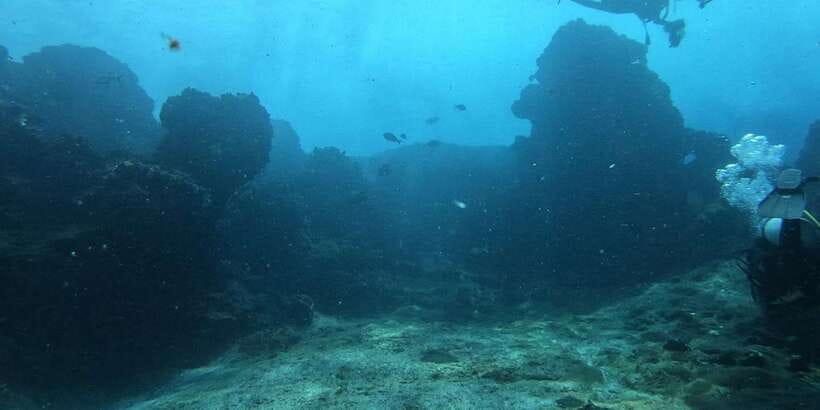
The experience is run by International Diving School, with the center located inside Coral Sands Hotel in Hikkaduwa. That’s a practical setup for you: you can arrive, check in, and get kitted up without a long scavenger hunt across town. It also helps keep the timing tight, since you’re not wasting the first part of your 3-hour window on transport.
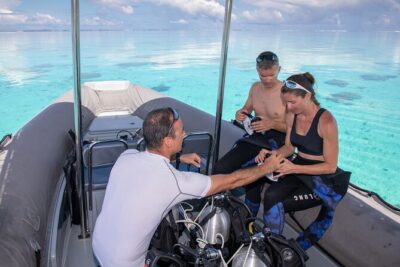
You’ll meet your instructors and start with a quick registration process. Expect the whole thing to feel organized but not stiff—this is a beginner program, so they’re going to spend time explaining, showing, and correcting while you’re still dry (or mostly dry).
The Safety Briefing and Gear Orientation: Get Your Head Around It Fast
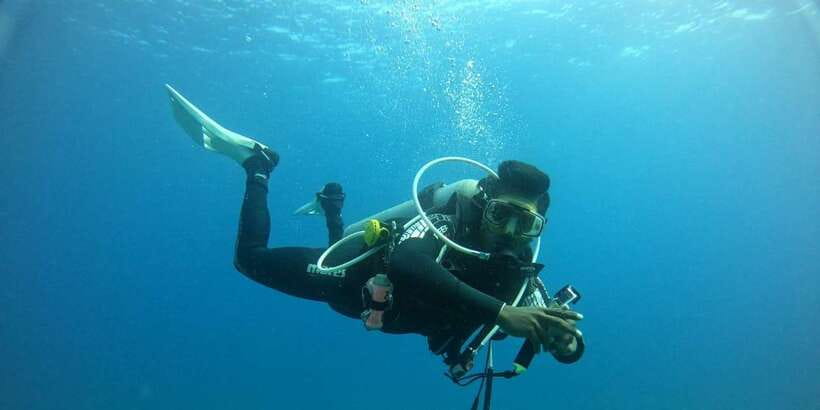
Before any water time, you’ll get an introduction to scuba basics and safety procedures. This part is more important than it sounds. If you’ve never worn a buoyancy control device, used a regulator, or equalized pressure, your body can react with surprise. The briefing helps you match what you feel with what you’re supposed to do.
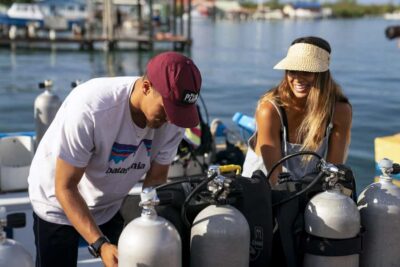
Then comes equipment orientation. You’ll get familiar with the main pieces you’ll use:
- mask
- fins
- regulator
- buoyancy control device (BCD)
- wetsuit
For most first-timers, the goal isn’t to become an equipment mechanic. It’s to be able to put everything on and understand what each item is doing—especially the regulator and the BCD. You’ll also get support to make sure you’re comfortable and confident before you move into the practice water.
Confined Water Skills: Your Confidence Builder in Calm Conditions
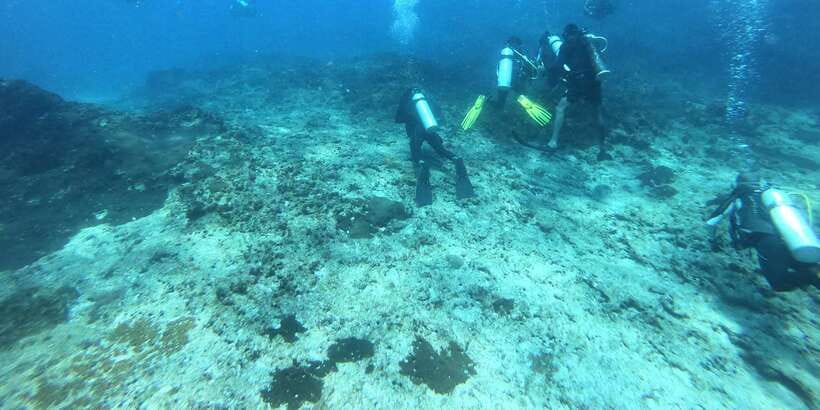
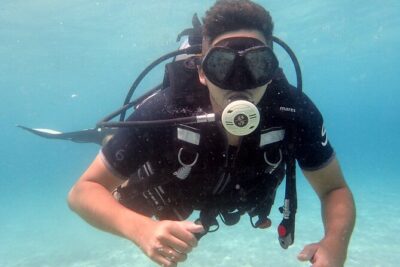
This program includes confined water practice in a controlled environment such as a pool or shallow lagoon. This is where the whole experience earns its keep. Instead of throwing you into open water and hoping for the best, you learn essential skills step-by-step with certified instruction.
You’ll practice core tasks, including:
- breathing underwater
- equalizing pressure
- clearing your mask
That last one—mask clearing—can sound scary, but it’s handled as a normal skill, not a test. The point is to help you regain calm if something feels off. Equalizing pressure is another big one for beginners. If you’ve felt discomfort on boats or underwater previously, this practice is where you’ll learn the method and timing so your body doesn’t have to guess.
This is also the moment where good instruction makes a difference. When an instructor corrects your buoyancy or your breathing rhythm early, you don’t develop sloppy habits you’ll fight later.
Open-Water Outing Off Hikkaduwa: What You’ll Actually See
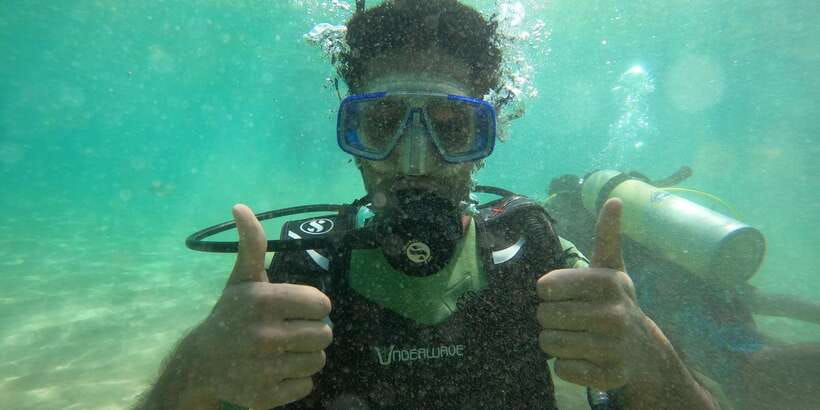
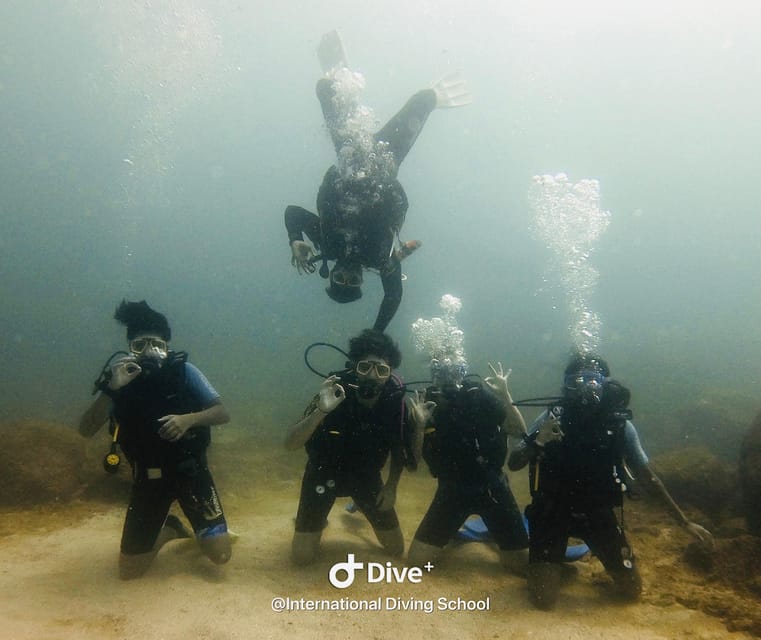
After the calm-water work, you’ll head into open water for a guided outing off Hikkaduwa. You’ll be under supervision throughout, with your instructor guiding the experience and keeping you on track.
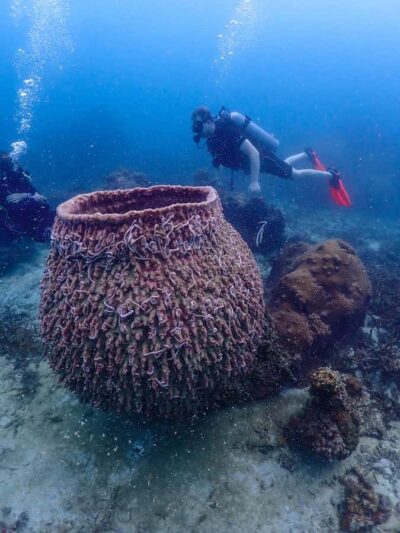
In terms of what you’re likely to experience once you’re properly set up underwater: you’ll get the thrill of being weightless and surrounded by ocean life. The area is described as having coral reefs teeming with colorful fish, and your guide will help you notice what’s around you.
A key value here is that this is still beginner-focused. The program is designed for people with no prior experience, so the open-water portion should feel like a continuation of what you practiced, not a totally different sport.
Practical tip: focus on the basics your instructor teaches—breathing, buoyancy, and staying aware of your surroundings—rather than trying to “perform” underwater. If you do that, you’ll get more out of the scenery and feel more relaxed while you’re down there.
Post-Session Debrief and Refreshments: Leave With Clarity
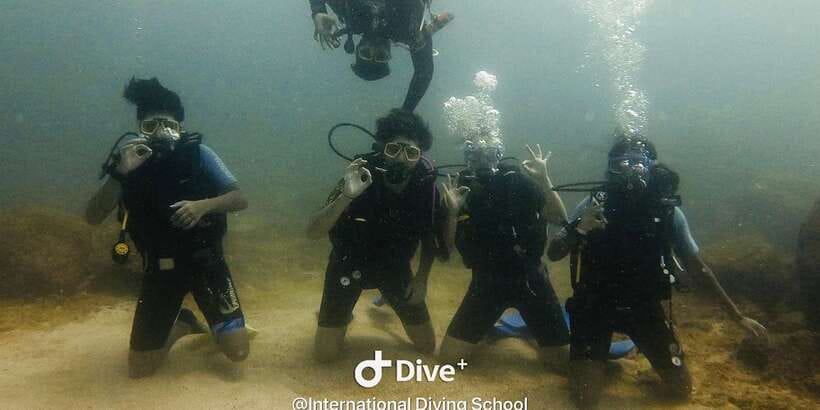
When you resurface, you don’t just disappear and hope for the best. You’ll do a post-session debrief with your instructor. This is a real advantage for first-timers because you get feedback while you still remember what happened: what felt easy, what felt awkward, and what you can improve next time.
You’ll also get light refreshments after your outing. It’s a small detail, but it helps you recover and feel human again, especially after changing gear, rinsing off, and catching your breath.
There’s also an option to purchase souvenir photos or videos of your experience. If you want proof for your camera roll (or a gift for friends who didn’t believe you), ask what’s available right after the session.
What Your $91 Covers (and where you’ll spend extra)
At $91 per person for about 3 hours, you’re getting a lot of the expensive stuff handled for you. Included items are a strong part of the value:
- scuba equipment rental (mask, fins, snorkel, wetsuit, and scuba gear)
- certified instructor supervision
- safety briefing and training
- confined water practice
- guided open-water outing
- post-session debrief
- refreshments
- basic insurance coverage
- optional photos/videos (sold separately)
This is a better deal than paying for random equipment rental plus a basic lesson somewhere that doesn’t teach the skills you actually need. Here, you’re paying for a structured progression: training first, then open water.
What’s not included:
- towels, swimwear, and sunblock
- underwater photography/videos (available to buy)
- additional dives or advanced courses
- full meals (you’ll only get light refreshments)
If you’re budgeting, plan on buying or bringing what you need for comfort on land. Also, bring a bit of cash/card for the photo option if you think you’ll want it.
What to Bring in Sri Lanka (So You’re Not Rushing at the Last Minute)
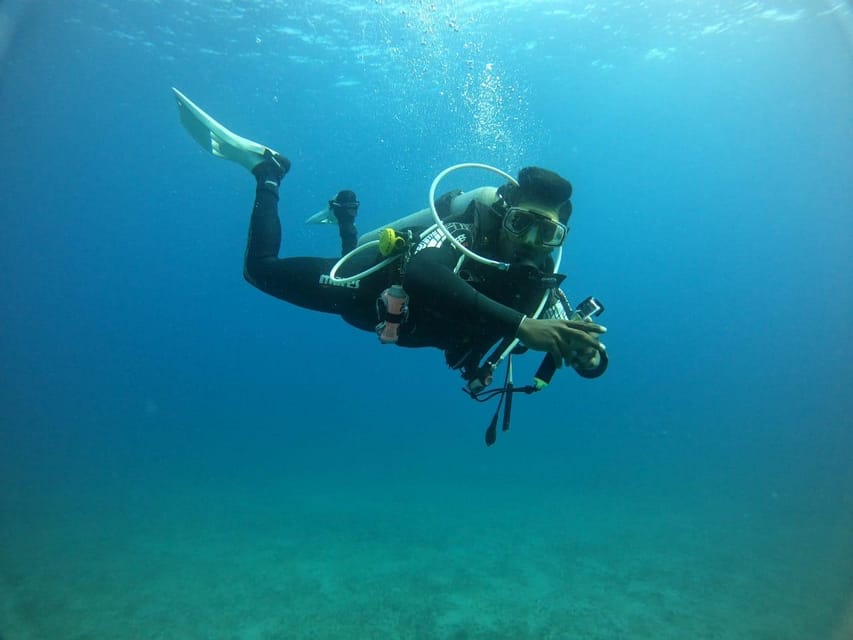
The program asks you to bring:
- change of clothes
- food and drinks
- biodegradable sunscreen
- beachwear
You might wonder why bring food and drinks if refreshments are included. Light snacks and drinks after your session are covered, but having your own water or snacks can help you stay comfortable before training starts. Sri Lanka sun can be intense, so come prepared.
Use biodegradable sunscreen as requested. It’s not just a rule—it helps reduce harm to the marine environment, and it keeps the experience aligned with responsible conduct around the reef.
Also, bring something easy to change into afterward. You’ll likely be in and out of wet gear and you’ll want to cool down without standing around in a soggy outfit.
Rules Underwater: Simple Boundaries That Protect the Reef
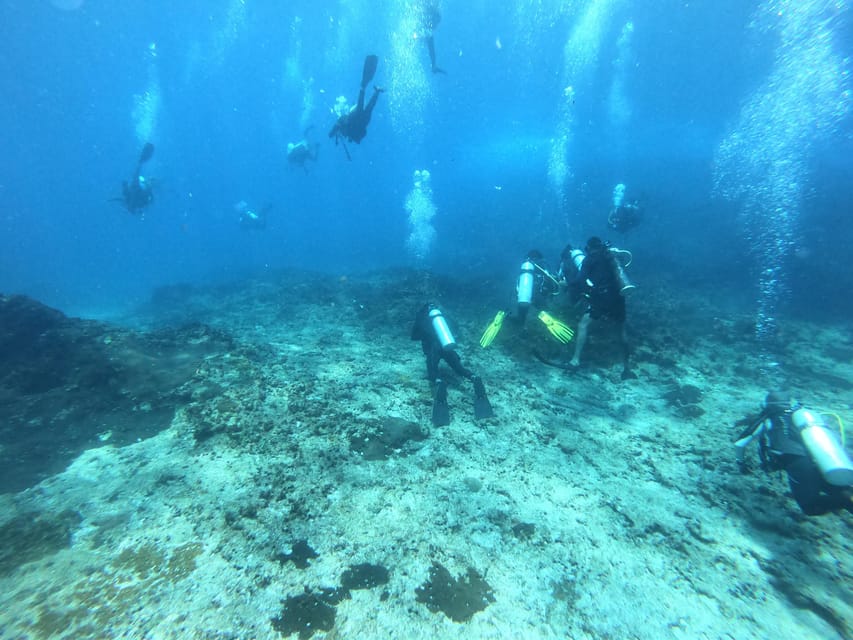
This isn’t complicated rule-making, but it is strict where it counts. You’re not allowed to:
- touch marine life
- touch animals
- touch plants
- litter
- use explosive substances
- bring alcohol and drugs
There’s also a “no alcohol” policy, including alcoholic drinks in the vehicle, which is a practical reminder that you’re going to be doing a safety-critical activity after check-in.
If you’re the kind of person who wants to “just tap” a coral, train yourself not to. Look, photograph with your eyes (and with the optional paid photos if you want), and keep your hands to yourself. Reef care is part of the experience here, and the instructors will expect you to follow those boundaries.
Who This Fits (and who should skip it)
This experience is not suitable for:
- children under 10
- people with mobility impairments
- people with claustrophobia
- people with heart problems
- people with vertigo
- people with respiratory issues
- people with epilepsy
- people with pre-existing medical conditions
- people with high blood pressure
- people over 70
I’m calling this out because “beginner-friendly” doesn’t mean “suitable for everyone.” A scuba setup involves controlled breathing underwater, pressure changes, and equipment strapped to your body. If any item on that list matches you (or you’re unsure), you should talk to a medical professional before booking.
On the flip side, it’s a great fit if you:
- want a first-time scuba skill intro without prior experience
- enjoy structured coaching
- want to see coral and reef fish with a guide
- value learning the fundamentals in calm conditions first
Timing and Logistics: How to Make the Most of Your 3 Hours
The total duration is listed as 3 hours. That usually means you should plan your day around it, not treat it like a quick stop between other big plans.
Because the center is inside Coral Sands Hotel, you can keep things simple:
- arrive, check in, get briefed
- do confined-water practice
- move to open water
- return, debrief, refresh, and optionally check photo options
If you’re staying in the Hikkaduwa area, this is the kind of activity that feels “close enough” to enjoy without losing your whole day.
Should You Book This Discover Scuba Experience in Hikkaduwa?
If you want a beginner program with clear skill practice, one-on-one instruction, and a guided underwater outing, this is a solid choice. The biggest reason: they don’t rush you straight into open water. The calm-water session, including breathing underwater, equalizing pressure, and clearing your mask, is exactly what makes first-timers feel safer and more in control.
I’d skip it only if it doesn’t match the suitability list (health and claustrophobia are the big ones). Otherwise, you’re paying for real instruction, included gear, and a guided experience designed for first-timers, not just a tourist photo moment.
FAQ
How long is the Discover scuba experience in Hikkaduwa?
It lasts about 3 hours. Check availability for the starting times.
Where do I meet the instructors and check in?
The meeting point is International Diving School, located inside Coral Sands Hotel in Hikkaduwa.
Do I need any previous scuba experience?
No. This program is designed for first-time participants and includes training and guidance throughout.
What scuba equipment is included?
The price includes rental of mask, fins, snorkel, wetsuit, and scuba gear.
Is there practice before the open-water part?
Yes. You’ll start with confined water practice in a pool or shallow lagoon to learn key skills before going to open water.
Are refreshments included?
Yes. You’ll receive complimentary drinks and snacks after the dive.
Who is the activity not suitable for?
It’s not suitable for children under 10, people with claustrophobia, people with heart problems, vertigo, respiratory issues, epilepsy, pre-existing medical conditions, high blood pressure, people over 70, and people with mobility impairments.