
REVIEW · PENANG ISLAND
Penang Cooking Class:Dive into Malaysian Cuisine with PenangChiak
Book on Viator →Operated by Penang Chiak Cooking Classes · Bookable on Viator
Wok smoke starts at the market. You’ll do your ingredient shopping at Chowrasta Market with Mok, then cook Penang classics with hands-on coaching from Chef Amy (and the team) in a clean, practical kitchen. What I like most is that it’s not just a tasting stop; you’re actively learning how the flavors get built.
The big idea here is learning spice handling as a craft, not a guessing game. One possible drawback: the morning session is an early 8:00AM start, and cooking can run warm around the burners, so wear light clothes.
In This Review
- Key things I’d highlight before you go
- Chowrasta Market at 8AM: where the shopping turns into a lesson
- Mok and Chef Amy’s teaching style: practical, personal, and fast on questions
- Nyonya vs Malay: why the same-sounding dish can taste different
- Breakfast before the burners: what you’ll do before cooking
- The kitchen session: what “hands-on” really looks like
- What you’ll cook: Penang favorites from kueh pie tee to masala chicken
- Tips to take home: making these flavors work in your own kitchen
- Price and value: what you’re paying for (and what you’re not)
- Who should book this class, and who might want a different option
- Should you book Penang Chiak’s morning market cooking class?
- FAQ
- What time is the morning market tour?
- How long is the Penang Chiak cooking class?
- Where does the experience start?
- Is breakfast included?
- What dishes will I learn to cook?
- Is this a private tour?
Key things I’d highlight before you go
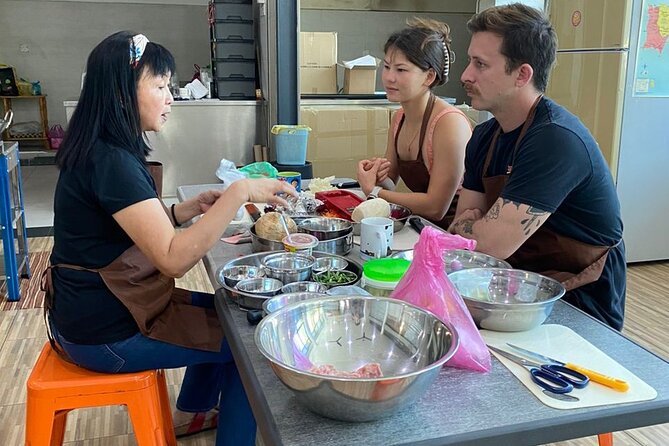
- Chowrasta Market shopping with Mok so your list of ingredients actually makes sense
- Morning-only market + breakfast for the 8:00AM class
- Nyonya and Malay ingredient differences, explained in plain terms (including halal vs non-halal choices)
- Hands-on coaching in the kitchen, with instructors like Chef Amy and other team members
- Recipes and repeatable methods so you can cook at home, not just eat that day
Chowrasta Market at 8AM: where the shopping turns into a lesson
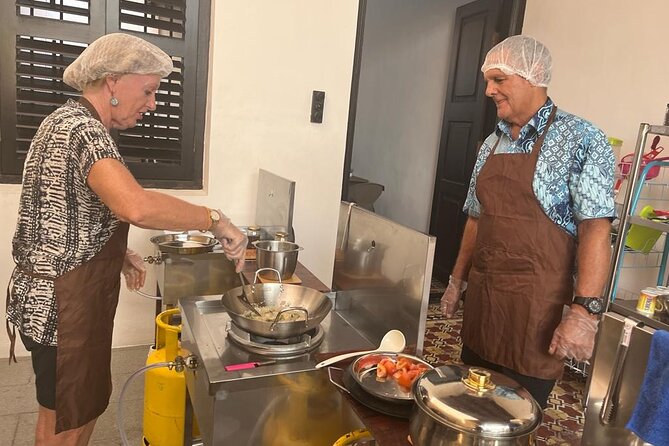
This is one of the few cooking classes where the “classroom” starts before you ever pick up a utensil. Your morning begins at Pasar Chowrasta Market (Lot 124). That matters because Penang food depends on specific ingredients and timing. Seeing the stalls in action makes the rest of the experience click.
In the market, you’re not just wandering. You’re getting shown how vendors think, what to look for, and why some things taste different from one stall to another. I like that the guides bring you into the rhythm of the morning—where merchants talk, people compare prices, and fresh items show up in the same places day after day.
A key moment is how the guide connects ingredients to the dishes you’ll cook later. You may taste things along the way (the class often includes breakfast for morning sessions), but the real value is that you’re learning what each ingredient does so you’re not stuck recreating blind.
Practical tip: if you’re meeting close to hotel check-in time, plan for the walk and the noise. Market mornings move fast, and you’ll want a calm start so you can pay attention.
Mok and Chef Amy’s teaching style: practical, personal, and fast on questions
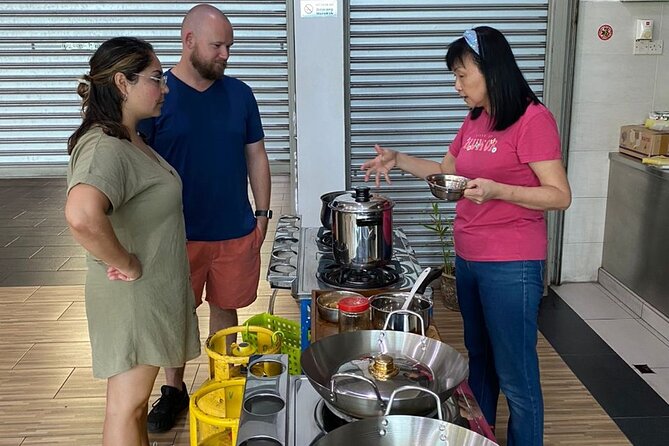
The teaching is where this class earns its near-perfect rating. Mok often leads the market side, and Chef Amy (plus the rest of the team) teaches the kitchen portion. The approach is interactive: you get guided step-by-step, and you can ask why something is done a certain way.
One detail I really appreciate from the experience is the way they explain spice handling as an art. Not art-speak. Real instruction: how spices are treated with care, how you manage heat and intensity, and how to think about flavors as a balance. You’ll also notice they adjust for your preferences. In one class, the recipe approach was tailored for a student who couldn’t eat too much chilli—so this doesn’t feel like a one-size template.
You might have a different instructor depending on the day. The team includes people like Santi and Jenny in other sessions, and Simon is mentioned as part of the experience. That variety can be good: you’ll see the same food culture from slightly different teaching styles, but the focus stays consistent—market first, then coaching.
Practical tip: bring a notebook. Even if you’re not the world’s best cook, writing down ingredient names you saw in the market makes it much easier to shop later.
Nyonya vs Malay: why the same-sounding dish can taste different
Penang is famous for overlapping food traditions, and this class helps you understand the difference in a way that’s actually useful. One big takeaway is how Nyonya Chinese cuisine and Malay cuisine can share names and cooking styles while using different ingredients.
A clear example is pork in some Nyonya dishes versus halal rules in Malay dishes. In Penang, pork lard may be used in certain Nyonya preparations for flavor and aroma, while Malay cooking avoids pork and derivatives entirely. That means a dish with a similar name—like char koay teow—can end up tasting meaningfully different depending on whether it’s made with pork lard or not.
This matters even if you eat everything. It changes your expectations when you recreate food at home. The goal isn’t to “prove” which is better. The goal is to know what version you’re making and why the taste comes out the way it does.
Breakfast before the burners: what you’ll do before cooking
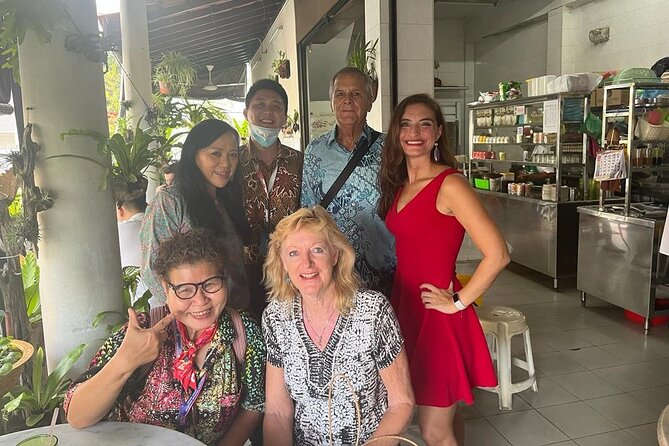
For the morning class, breakfast is part of the package. It’s not a snack you ignore while you speed to the kitchen. Breakfast is timed so you start cooking with a sense of what Penang flavors feel like on your tongue.
You may taste items tied to Penang’s street culture, including things like the island’s signature white coffee, crispy peanut crepes, and stir-fried rice noodles during the morning food stops. Even when your menu differs by day, the structure stays the same: you eat something local, then you move to cooking with a real sense of what “good” tastes like.
There’s also a mindset shift that happens here. Breakfast makes the day feel like food you’d actually eat on the street—not a demo menu. You’ll likely also learn some small sourcing stories in the same way you learn market stories: where items come from, what’s in season, and why cooks care about texture and freshness.
The kitchen session: what “hands-on” really looks like
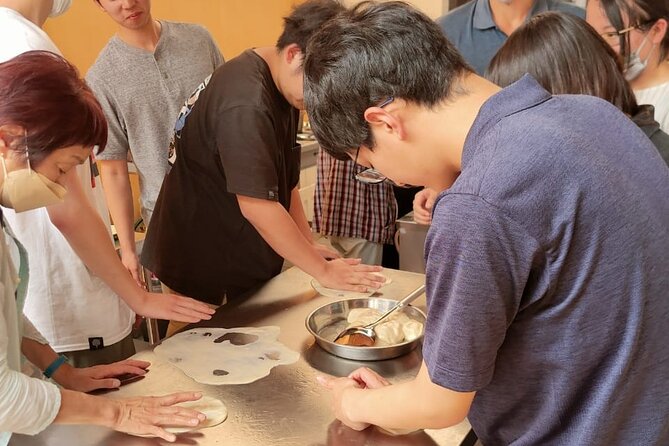
This class isn’t a sit-and-watch performance. You’ll cook as part of the group, and the instructors are usually focused on getting you actively involved—chopping, mixing, frying or steaming, depending on the dishes you’re making that day.
In a number of experiences, people took turns practicing steps rather than just observing. That’s a big deal if you’re not confident in the kitchen. You’re building muscle memory, not just hearing instructions.
That said, there’s one caution. One feedback point mentioned the experience felt more like lecture than hands-on in a longer session. So if you strongly prefer nonstop practical cooking, ask what level of participation you can expect, especially for private bookings. The overall pattern looks hands-on, but group size and timing can influence how much you actively do.
The kitchen itself is described as clean and comfortable. You may find practical amenities like toilets and filtered drinking water, plus soap for handwashing and enough space to store your bags. That’s underrated. Cooking classes are more enjoyable when you’re not juggling comfort issues while you’re learning.
What you’ll cook: Penang favorites from kueh pie tee to masala chicken
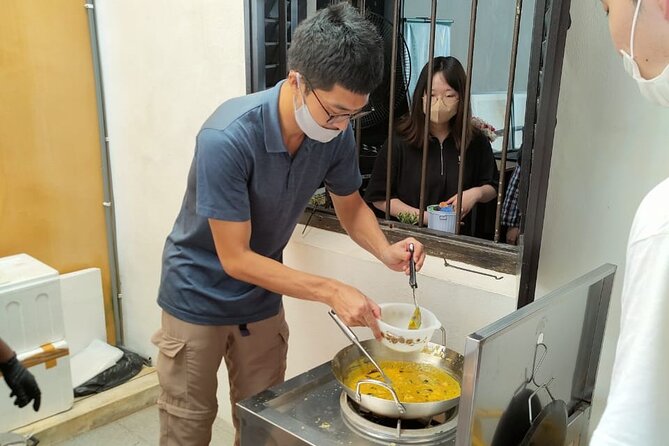
The menu rotates, but the class is centered on recognizable Penang staples. The dishes listed include kueh pie tee, char kway teow, choon piah, and masala chicken, plus more Penang classics depending on your session.
A few extra dishes showed up in real experiences. For example, some sessions included spring roll-style items, lor bak sausages, and even a dessert like pandan green rice cake. Sweet chrysanthemum tea also appeared in one class day as part of the food experience.
The exact combination you make matters less than the learning. Each dish forces you to work on a different skill set—like handling spice intensity, managing heat, and balancing flavors. That’s how you end up with knowledge you can use later, not just recipes you can’t interpret.
Practical tip: when you taste the dish near the end, pay attention to what tastes stronger than you expected. That’s usually where the spice-handling lesson lives.
Tips to take home: making these flavors work in your own kitchen
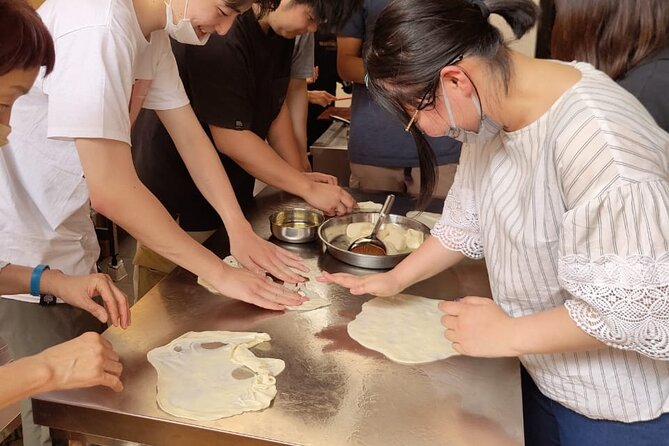
The whole point of this kind of class is repeatability. You’ll likely get recipes and guidance that help you cook the same dishes again at home. Multiple experiences mention recipe sharing as part of the course, and instructors also give practical tips while teaching.
Here’s how to use what you learn after you return:
- Match what you cooked to the ingredients you saw in the market. If you skip the ingredient that created the flavor difference, the dish won’t behave the same.
- Use the spice approach you were taught as your method. Even if you can’t recreate the exact brands, you can apply the same balancing idea.
- If you have dietary limits (like lower chilli tolerance), tell your instructor. The class can adjust how things are built so you can still succeed.
If you like structured learning, this works well. If you’re more casual, it still works because you’re tasting, cooking, and asking questions in the same flow.
Price and value: what you’re paying for (and what you’re not)
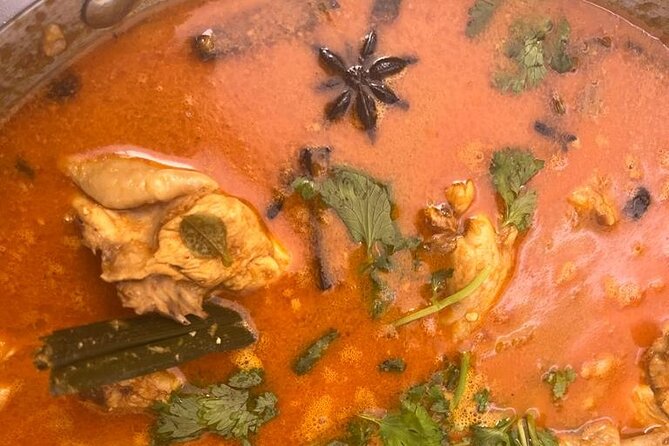
At $116 for about 4 hours (and sometimes a 4–5 hour session depending on your booking), you’re paying for a full morning experience: market tour, breakfast for the morning class, cooking coaching, and the ingredients and kitchen utensils.
That value is mostly in the pairing:
- Market education saves you money later, because you know what to buy and why.
- Hands-on instruction saves you time. You avoid the frustrating part where you realize you made the wrong version of a sauce or spice mix.
- Private group format means you’re not competing with strangers for attention, and your questions actually get answered.
The class also mentions that souvenirs may be available subject to availability, but don’t count on it. The real “souvenir” is that you leave with recipes and a way to reproduce Penang flavors without guesswork.
Who should book this class, and who might want a different option
This class is a great fit if you:
- love street food but want to learn the mechanics behind it
- enjoy markets and want a real ingredient story
- cook at least a little and want repeatable results
- want to understand the cultural differences between Nyonya and Malay flavors
You might choose another experience if you:
- hate early starts and prefer later mornings
- dislike kitchens that run warm while cooking
- want a totally self-paced activity where you do minimal cooking
If you’re traveling with friends or family, the private setup can make the class feel like a shared project. If you’re solo, you’re not left out—solo experiences are mentioned, and the format can be very focused.
Should you book Penang Chiak’s morning market cooking class?
I think you should book it if you want Penang food the smart way: market first, then cooking coaching, and a real explanation of spices and ingredient logic. The combination of Chowrasta Market shopping with instructors like Mok and Chef Amy (or other team members on your date) turns the class into something more useful than a one-day meal.
Book especially if you want to come home with recipes you understand, not just dishes you ate. And if you’re sensitive to chilli, tell your instructor early so they can guide you toward a version that works for you.
FAQ
What time is the morning market tour?
The morning class includes a market tour for morning classes at 8:00AM only.
How long is the Penang Chiak cooking class?
The session runs about 4 hours (and the experience description notes 4 to 5 hours depending on your booking).
Where does the experience start?
It starts at Pasar Chowrasta Market, Lot 124, Jln Penang, George Town, 10100 George Town, Pulau Pinang, Malaysia.
Is breakfast included?
Breakfast is included for morning classes only, along with the morning food tour.
What dishes will I learn to cook?
The class highlights include kueh pie tee, char kway teow, choon piah, masala chicken, and more.
Is this a private tour?
Yes. It’s listed as a private tour/activity, so only your group participates.