REVIEW · KUTA
3 Epic Dives in Nusa Penida – Certified Divers’ Day Trip
Book on Viator →Operated by Bali Diving Academy · Bookable on Viator
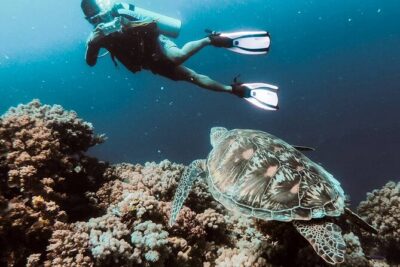
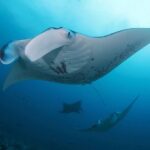
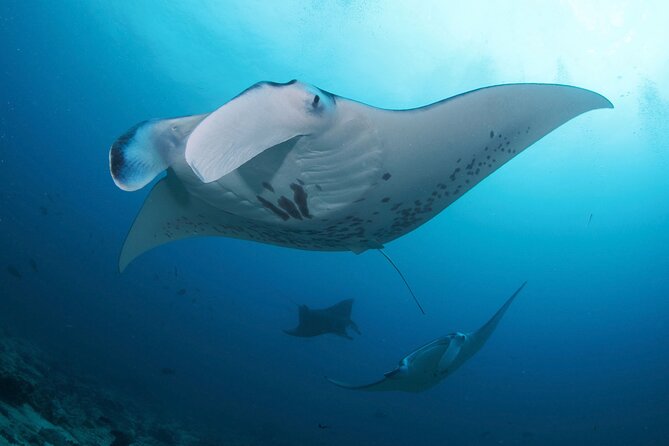
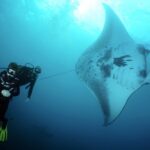
Manta rays steal the show here. On a small-group day trip from South Bali, you line up for three reef stops around Nusa Penida, where coral health is the main storyline and manta sightings are a year-round possibility.
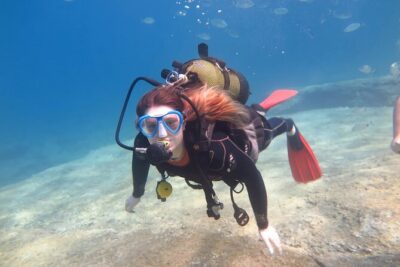
I like that the guides are certified and insured, with a safety approach they don’t treat like a footnote (they even state a 100% safety track record). Adi is repeatedly singled out in real experiences for patient, hands-on coaching, especially if conditions push you outside your comfort zone. The only catch is simple: this outing is for certified scuba participants with at least Open Water training, not snorkel-only plans.
In This Review
- Key Things That Make This Nusa Penida Day Trip Worth Your Time
- Why Nusa Penida Keeps Showing Up for Manta Chances
- From Kuta to Sanur: The Early Timing That Protects Your Water Time
- Sanur Check-In and Why Small Groups Matter (Max 8)
- The Three Reef Stops: What to Expect Around Nusa Penida
- Boat Comfort and the Food That Keeps You Functional
- Safety, Insured Leadership, and Why Adi Gets Named
- Price and Logistics: Does $190 Make Sense?
- Who This Certified-Scuba Nusa Penida Day Trip Fits Best
- Should You Book This Nusa Penida Day Trip for Certified Scuba Participants?
- FAQ
- Do I need scuba certification to join?
- How long is the day trip and what are the pickup/return times?
- How many people are in the group?
- Is lunch included?
- Can I rent scuba gear or an underwater camera?
- Are manta ray sightings guaranteed?
- What happens if weather is bad?
Key Things That Make This Nusa Penida Day Trip Worth Your Time
- Max 8 people keeps attention on you, not on the whole ocean’s worth of chaos.
- Adi’s practical coaching shows up in multiple accounts, including for current-style conditions.
- Three scheduled underwater stops with snacks and lunch timed for real recovery, not rushed grazing.
- Famous Nusa Penida reef areas like Manta Bay, Crystal Bay, Gamat Bay, Toya Pakeh, and Sental (from a wider set of sites around the islands).
- Speed boat transfer plus air-conditioned transport reduces “waiting time” between water and land.
- Gear and camera rentals are available so you can travel lighter, even though they’re not included in the base price.
Why Nusa Penida Keeps Showing Up for Manta Chances
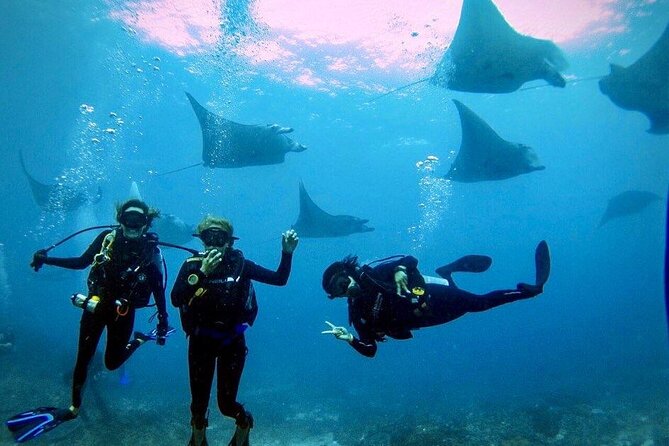
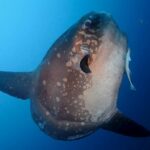
Nusa Penida is one of those places where your odds improve when you show up with the right plan. The big headline is manta rays: they can be seen year-round, but sightings are never promised. That matters because you’ll feel less frustrated if you go in expecting a possibility, not a guarantee.
What I like about this specific setup is the way it’s organized around known manta-friendly areas. The operation references multiple well-known locations around the island group—Manta Bay, Crystal Bay, Gamat Bay, Toya Pakeh, and Sental are named among their favorite spots from a total of 12 reef locations in the region. In plain terms: you’re not just going to one random point and hoping for fireworks. You’re working through a set of areas where conditions often line up with the kind of wildlife most people dream about.
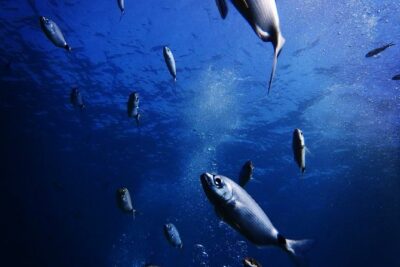
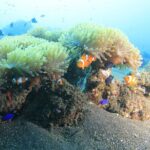
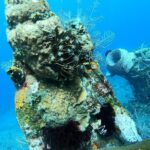
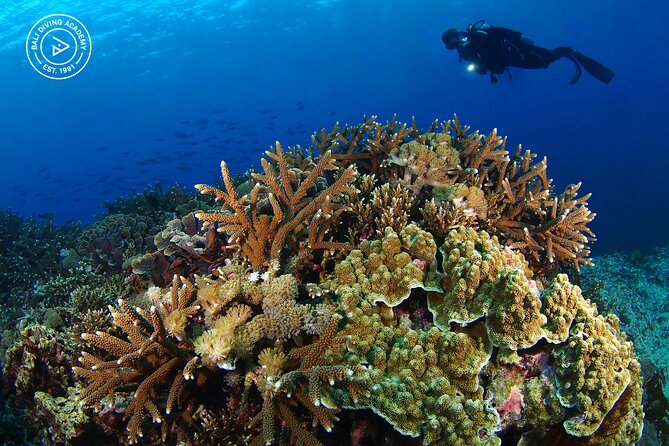
You also get the classic Penida mix: clearer water when the day is cooperating, plus coral that’s described as healthy and colorful. That’s not just for photos. When coral looks good, you tend to spend more time enjoying the ecosystem instead of constantly chasing a single animal. And when manta sightings happen, they’re usually the moment that flips the whole day from good to unforgettable.
One more reality check: “all year” is not the same as “every day.” Weather and site choice shift outcomes. If you’re the type who needs certainty, this might not be your best match. If you’re the type who likes getting surprised by the ocean, you’ll probably have a grin that lasts past dinner.
You can also read our reviews of more tours and experiences in Kuta.
From Kuta to Sanur: The Early Timing That Protects Your Water Time
This trip is built for a full day, and that means the schedule starts early. Pickup runs around 6:45–7:00 am from South Bali areas including Kuta, Legian, and Seminyak. If you’re staying farther out, you’ll want to confirm pickup coverage before you plan your morning.
The goal is to get you to Sanur in time for a shop check, paperwork, and then a boat departure. You meet at the Sanur shop around 7:15 am, where you do equipment checks and paperwork before heading to the harbour.
Then the speed boat takes over. Boarding is timed so you can get out to Nusa Penida and do three underwater sessions in one day. The day doesn’t drag, because it has to compete with travel time and changing water conditions.
When you return, you’re back at Sanur around 3:00–3:30 pm, then dropped off between 4:00 and 5:00 pm depending on where you’re staying.
Practical advice: set a backup plan for breakfast. You’ll likely eat early or right before pickup, and you’ll be on a boat for stretches. Bring a little water and don’t schedule anything important right after drop-off. By the end of the day, your legs and your brain will be ready for rest—like, “sit down and pretend I’m still a person” ready.
Sanur Check-In and Why Small Groups Matter (Max 8)
Meeting in Sanur isn’t just convenient—it shapes the whole day. You get a structured start: equipment check and paperwork at the shop before heading out. That’s the kind of step that prevents little issues from turning into big ones out on the water.
Small group size is another underrated advantage here. The tour caps at 8 participants, which means you’re less likely to feel like you’re part of a production line. In Nusa Penida, conditions can change fast. When a group is small, guides can adjust pace and attention to the divers who need it most.
I also like the emphasis on qualified leadership. The operation highlights professional guides who are certified and insured, with reef and habitat familiarity. You can feel the difference when a guide doesn’t treat the ocean like a checklist. Instead, they read the environment and steer your attention toward what matters—good visibility, stable buoyancy, and wildlife that actually appears instead of being chased.
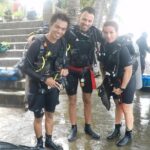
One named detail that comes through in real experiences is the role of Adi. Multiple accounts describe him as friendly, fun, and focused on safety, with a hands-on style. In one story, someone’s first current-style session was handled one-on-one because other participants were tired—an example of how flexibility can show up when groups stay small.
If you’re someone who wants a calm, well-managed day and doesn’t want to spend the whole time thinking about logistics, the small-group cap is a big deal.
The Three Reef Stops: What to Expect Around Nusa Penida
You should expect a day built around variety. This operation mentions 12 famous locations around Nusa Penida and the surrounding area, and lists several by name. While you won’t control which exact sites you get, you can understand the kind of underwater scenes you’re likely to run into.
Here’s what those named areas usually signal:
- Manta Bay / Crystal Bay: often associated with open-water conditions where mantas may cruise into view.
- Gamat Bay: typically chosen for a mix of wildlife potential and reef viewing.
- Toya Pakeh / Sental: commonly referenced for the kind of underwater terrain where you can spend time observing rather than just rushing for a single animal.
About wildlife: manta rays are the headline and they’re described as possible year-round. But seeing one depends on the specific site and daily weather conditions. Plan your mindset accordingly: expect wonder, not certainty.
One interesting note from real experiences: at least some locations may reach depths around 15 meters, which can make certain beginner-friendly guided formats possible in other contexts. In this particular day trip, the stated requirement is Open Water certification minimum. So treat that note as “helpful context,” not permission to join without the right credentials.
Now, the practical part: doing three sessions in a single day means you’ll likely move between sites and adjust to different underwater conditions. That can be great if you like variety. It can also feel like a lot if you’re new to scuba. If you’re early in your training, tell your guide what you’re comfortable with on the surface before you hit the water. You’ll get a smoother day that way.
Also worth knowing: one account mentions a current-style experience going well because the guide explained tips and provided understanding support. If you’re nervous about buoyancy or holding position in moving water, this is the kind of day where good guidance really matters.
Boat Comfort and the Food That Keeps You Functional
A Penida day can be physically and mentally tiring. What makes it easier is how the trip handles the “in-between” time.
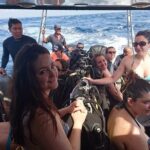
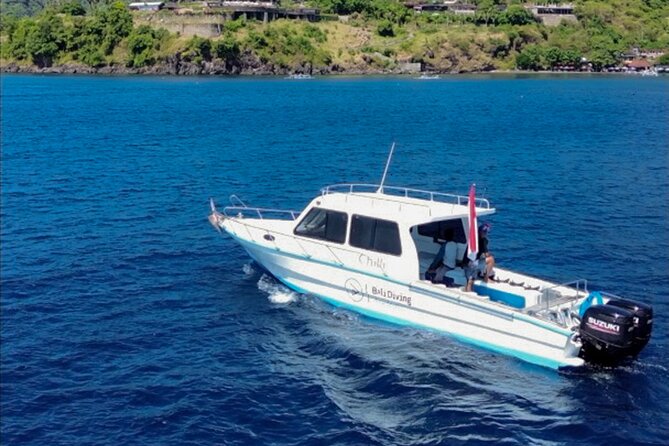
You use a speed boat transfer, which is fast and keeps the day efficient. On the comfort side, real experiences describe the boat as spacious and feeling almost luxurious, with room to relax between sessions.
Food is another big deal. Snacks and lunch are provided during surface intervals. And yes, people also mention little details like tea and coffee—simple, but they make long stretches more tolerable.
Here’s why I think this matters for value: with a trip like this, you’re paying not just for the underwater moments but for the whole day moving smoothly. When meals are included and timed well, you’re less likely to get grumpy at 1 pm or feel weak during the last session. On a day trip, that can be the difference between enjoying the ocean and just trying to survive it.
Practical tip: keep your expectations realistic. You’re on a boat. You may get sun, wind, and spray. Bring sunscreen, a hat, and something to protect your skin. Even if you don’t burn, you’ll still feel better when the surface time isn’t pure discomfort.
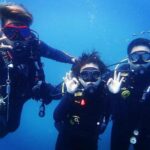
Safety, Insured Leadership, and Why Adi Gets Named
Safety is the big topic in scuba planning, so this is where you should pay attention to what’s actually promised and what people describe.
The operation emphasizes certified and insured guides and states a 100% safety track record. That’s a bold claim, but it’s at least a sign they think about systems, not just vibes. They also position their guides as people familiar with reefs and habitats—important because knowing what you’re looking at reduces random, stressful movements.
In real experiences, Adi comes up again and again. People describe him as patient, fun, and professional. They also highlight his ability to help with technique when needed—especially in situations involving current-style conditions. One story describes drift-current work being less intimidating after guidance on buoyancy and how to handle the situation when you’re adjusting to a new skill.
That matters more than you might think. On many days, you can “get through” a session. A good guide helps you feel in control while you’re there, which usually leads to calmer breathing and better viewing. Calm bodies tend to hover better. Better hovering means you touch fewer things you shouldn’t and you spend more time watching animals.
Also, language doesn’t get enough credit. Some experiences mention guides who can communicate in multiple languages like English, Cantonese, Mandarin, and Italian. If you’re not fluent in English, that can reduce confusion quickly when instructions come fast.
Bottom line: this looks like a team that takes training seriously and doesn’t leave you to figure it out underwater alone.
Price and Logistics: Does $190 Make Sense?
At $190 per person, this isn’t a budget add-on. It’s priced like a real day trip with transport, boat time, and guided underwater sessions for certified participants.
Here’s what you actually get in the base price:
- Air-conditioned vehicle for the South Bali pickup/drop-off
- Speed boat transfer
- Lunch (and snacks during surface intervals)
- Community contributions plus porter and parking fees
- Mobile ticket
What’s not included (so plan for it):
- Full scuba-gear rental (available)
- GoPro and underwater camera rental (available)
So the value question comes down to your starting point. If you already own scuba gear and camera gear, you’re likely to feel the value more because the base price is mostly paying for transport, boat logistics, and the guide team. If you need rentals, your total cost will rise, but you still get the convenience of getting everything arranged without chasing shops.
One more practical note: this is capped at 8 participants, so you’re paying for smaller-group attention and a smoother schedule. In a place like Penida, that can matter more than fancy gear. A well-run day reduces wasted waiting and reduces “uh-oh” moments.
If you hate spending time on logistics, this price may feel fair. If you enjoy DIY and want total control, you might find cheaper options. But for most people visiting Bali and trying to get one strong Penida wildlife day, $190 for a structured small-group run is hard to call unreasonable.
Who This Certified-Scuba Nusa Penida Day Trip Fits Best
This trip fits best if you check a few boxes.
You’ll likely love it if:
- You have at least Open Water scuba certification
- You want a guided day with three planned underwater sessions
- You care about manta rays but understand they’re not guaranteed
- You prefer small-group attention over large tours
You might want to skip or look elsewhere if:
- You’re not certified for scuba (even if you’re curious)
- You’re hoping to snorkel only
- Current-style conditions make you nervous and you don’t have the patience for technique coaching
It also suits people who like “real value” days: early start, clear structure, and food and transport handled. If you’ve got limited time and you want one high-probability wildlife outing, this format is built for that.
And if you plan to stay in Bali for more than a few days, it helps that this team operates around Bali and runs other activities (people reference both Nusa Penida and nearby regions when discussing the same organization). If you’re building a scuba-focused trip, you can often consolidate logistics with the same staff.
Should You Book This Nusa Penida Day Trip for Certified Scuba Participants?
If you’re Open Water certified and you want a focused day around Nusa Penida wildlife with a small group, I’d book it. The combination of speed-boat efficiency, included lunch, and guide support (with Adi named for calm coaching) is exactly what you want on a one-day plan.
Two things to keep in mind before you hit confirm:
- Manta sightings depend on site and daily weather, so go for the possibility of mantas, not a contract.
- The trip is certification-based, so plan a different activity if you’re not scuba-ready.
If weather is poor, this type of outing is designed to be flexible—typically offering another date or a full refund when conditions don’t work out. In other words: you’re not stuck losing money to the ocean changing its mind.
FAQ
Do I need scuba certification to join?
Yes. The trip is only for certified scuba participants, with a minimum of Open Water certification.
How long is the day trip and what are the pickup/return times?
It runs about 8 hours. Pickup from South Bali is around 6:45–7:00 am, you return to Sanur around 3:00–3:30 pm, and drop-off back to your hotel is typically 4:00–5:00 pm depending on distance.
How many people are in the group?
The maximum group size is 8 travelers.
Is lunch included?
Yes. Lunch is included, and snacks are provided during surface intervals.
Can I rent scuba gear or an underwater camera?
Scuba gear rental is available as a full equipment set, and GoPro/underwater camera rental is also available. These are not included in the base price.
Are manta ray sightings guaranteed?
No. Mantas can be seen all year, but seeing them is not guaranteed and depends on the dive/reef location and daily weather conditions.
What happens if weather is bad?
This experience requires good weather. If it’s canceled due to poor weather, you’ll be offered a different date or a full refund.