REVIEW · BRINDISI
Brindisi: Underwater scuba diving
Book on GetYourGuide →Operated by APULIA MULTIADVENTURE · Bookable on GetYourGuide
Crystal-clear water, guided step by step. This Brindisi experience is interesting because you get it run by the official team at Marina di Brindisi, with CMAS-trained instructors who teach you how to feel calm with the gear. You’ll also get the kind of structure that helps first-timers move from nerves to control fast—without rushing.
One thing to consider: the activity has a long list of health and comfort limits (claustrophobia, heart issues, respiratory problems, and more), so it’s best to check your fit before you book.
In This Review
- Key things I’d plan around
- Brindisi underwater session: what it feels like and who it suits
- The team and training standards that matter in the water
- Your first step: briefing and gear prep (where most comfort starts)
- Confined water skills for first-timers: the calm, shallow confidence builder
- Open water in a controlled bay: what you can expect next
- The debrief and your certificate: leaving with something concrete
- Price and value in real terms ($71 for 2 hours)
- Meeting point at ponton F: how to avoid the most common hassle
- Small group size: why max 8 people helps your safety
- Language and comfort: getting instructions you truly understand
- What you’ll actually leave with (beyond photos)
- Should you book Brindisi’s underwater scuba session?
- FAQ
- How long is the underwater scuba session in Brindisi?
- What is included in the price?
- Is there an option for complete beginners?
- Is there an option for certified scuba participants?
- Which languages do the instructors speak?
- Where do we meet?
Key things I’d plan around
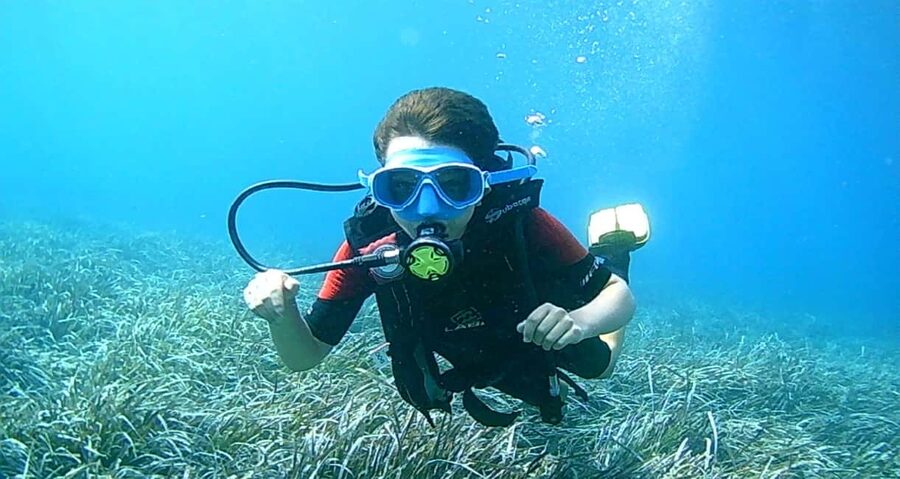
- Official center in Marina di Brindisi with a proven local setup
- Small groups (max 8 people) so you get real attention, not crowd management
- Two tracks: first-timer introduction or a guided session for certified scuba participants
- All equipment included (wetsuit, BCD, regulator, air cylinder, mask, fins)
- Confined-water practice for beginners before you go into open water
- A PTRD international experience certificate after your session
Brindisi underwater session: what it feels like and who it suits
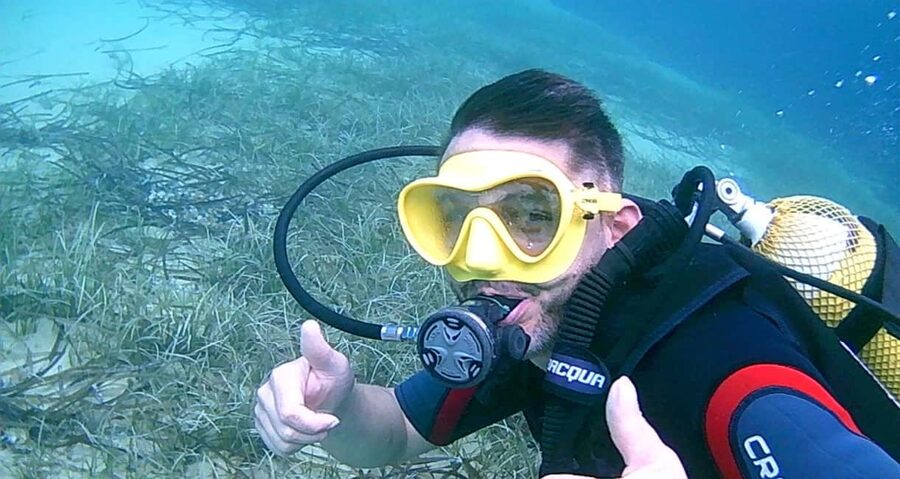
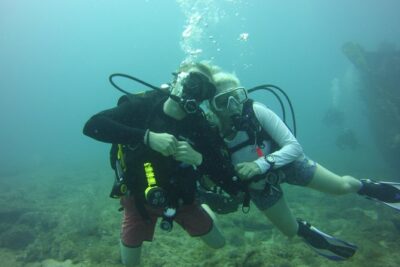
In Brindisi, this is a short, focused way to experience scuba equipment and underwater breathing with a real instructor beside you. The whole format is built around one idea: you shouldn’t be guessing. You’ll get a briefing, you’ll fit and check your gear, and if you’re new, you’ll practice key skills in shallow water before anything more open-water.
This is also the kind of activity that’s easier to justify when you don’t own equipment. The price you pay includes the wetsuit, BCD, regulator, compressed air cylinder, mask, and fins—so you avoid the usual “I need to rent everything” scramble. Add the instructor-led coaching and the official certificate at the end, and the value starts to make sense even if you only have a couple of hours.
It’s best for travelers who want one safe, well-managed underwater experience rather than a long course. If your goal is to try scuba basics, the first-timer track is what you want. If you already have certification, the guided option lets you practice with an instructor and use a scuba computer when included for experienced participants.
You can also read our reviews of more tours and experiences in Brindisi.
The team and training standards that matter in the water
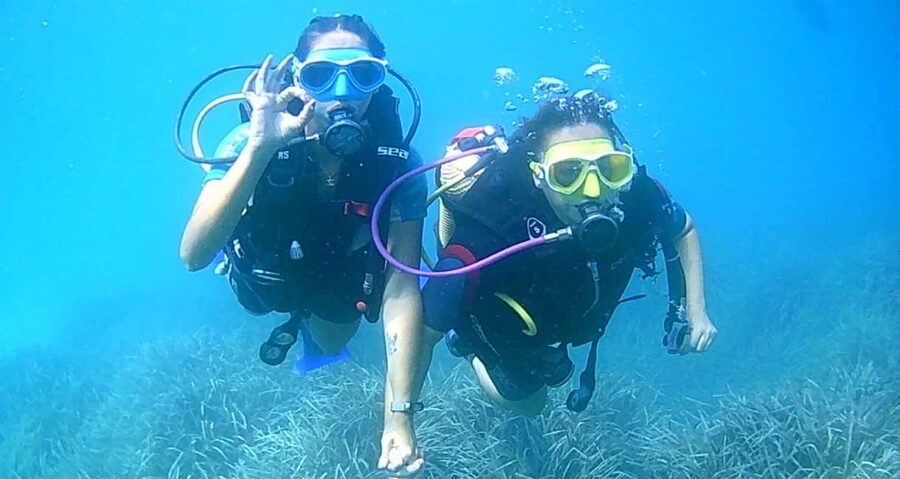
This center emphasizes that they’re an official operation for Marina di Brindisi and that their instructors are trained at high standards—National Federal CMAS Instructors, plus ISO-certified instructors. They also highlight instructor training experience with more than 10,000 people certified, which signals something practical: they’ve likely seen plenty of first-day nerves and common mistakes.
Why should you care? Because good underwater days usually come down to details:
- Clear hand signals and breathing guidance
- Fast gear checks so nothing feels “mystery”
- Calm coaching when you need to control buoyancy
- A safety-first mindset, especially for beginners
Even the language support is part of the quality. The instructors work in English, Spanish, and Italian, which helps you get instructions you understand quickly.
If you’ve ever worried that scuba is mostly luck and confidence, this is designed to reduce that. The structure is there so you can follow a checklist while you build comfort.
Your first step: briefing and gear prep (where most comfort starts)
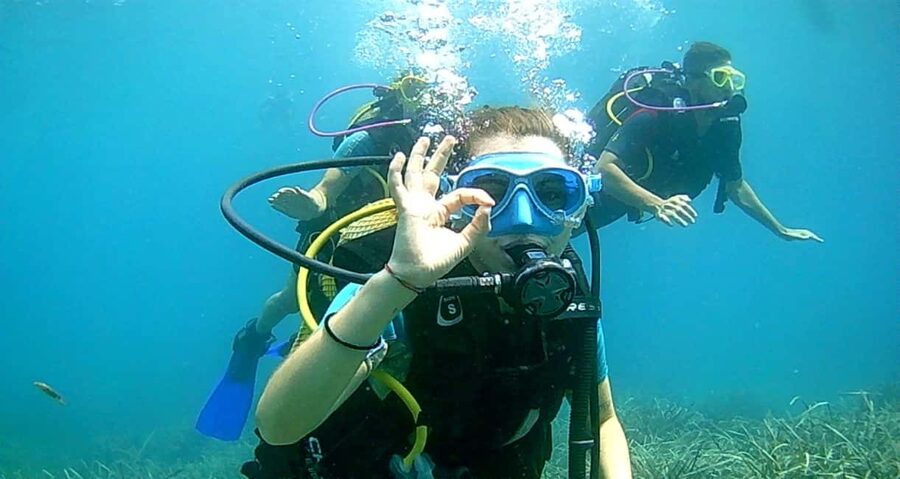
The experience begins with an instructor briefing that covers the basics you need right away: underwater hand signals, breathing techniques, and how to handle the scuba equipment. This matters more than people think. If you know what the signals mean and how your breathing should feel, you stop spending mental energy on panic.
After the briefing, you’ll prep your kit with the instructor. You should expect to go through your wetsuit fit, then your BCD (buoyancy compensator), regulator, compressed air cylinder, and the standard mask and fins setup. The big win here is guidance. A well-fit mask and a correctly set regulator connection make your whole first session smoother.
Then comes the part that changes everything for beginners: the “confined water” practice.
Confined water skills for first-timers: the calm, shallow confidence builder
If you choose the First experience in scuba track, you’ll do exercises in shallow water first. The goal isn’t to make you perfect; it’s to make you functional and comfortable with the basics. You’ll practice tasks that remove the most common first-session surprises, like:
- Breathing underwater while staying steady
- Clearing your mask if needed
- Retrieving your regulator
- Managing buoyancy so you don’t float up or sink down
Buoyancy is usually the skill people fear most, mostly because it affects everything: how safe you feel, how close you stay to the instructor, and how relaxed your movements are underwater. Practicing it early in shallow water gives you a reference point. You learn what “normal” feels like.
If you’re nervous about claustrophobia, this is also where you should be honest with yourself. Even though you don’t stay deep, you are still wearing a mask and regulator. The activity isn’t suitable for people with claustrophobia, so if you’re uncertain, you should treat that as a stop sign rather than a challenge.
Open water in a controlled bay: what you can expect next
Once the instructor feels you’re comfortable with the equipment basics, you move to open water in a controlled environment, typically a bay. The key word here is controlled. You’re not going off on your own. You’ll be closely accompanied by the instructor during the underwater portion, with safety and guidance built into the experience.
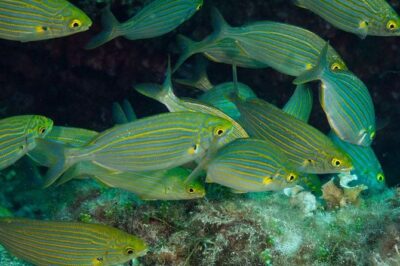
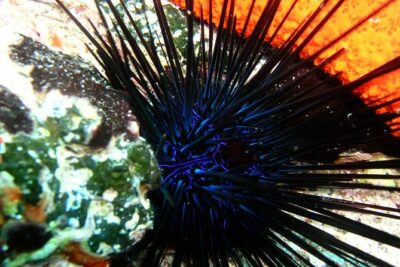
This is also where you’ll notice the real reward: you get to see the Brindisi underwater environment, including the local underwater flora and fauna. The marketing phrase is crystal-clear waters of the sea, and the practical takeaway is simple: clearer water generally means easier visibility and a calmer first session. You’ll likely spend more time looking at what’s around you and less time fighting to see.
For certified scuba participants, the guided tour is also designed to be practice-based. You’ll still get instructor support, and if a scuba computer is included for experienced participants, you’ll have one less thing to manage. (If you’re bringing your own gear, confirm what’s provided versus what you should pack.)
The debrief and your certificate: leaving with something concrete
After your underwater time, you’ll finish with a debriefing. This is where the experience becomes more than just a moment. You’ll discuss what went well, ask questions, and get suggestions for improving your scuba skills.
Even if you don’t plan to return soon, I like debriefs because they help you build a “next time” plan. You’ll remember exactly what helped you feel steady and what to practice if you book another session later.
The center also provides an international PTRD experience certificate after the dive session. For some travelers, that’s the main reason to do this with a structured provider instead of trying to arrange a random local outing.
Price and value in real terms ($71 for 2 hours)
The price is listed as $71 per person for a 2-hour experience. On its face, it’s not a “cheap” activity. But when you break it down, it starts to look fair:
- Full equipment is included (so no rental fees for wetsuit, BCD, regulator, tank, mask, fins)
- You’re paying for instructor time—briefing, gear checks, skill coaching, and close supervision
- Beginners get shallow-water exercises before open water, which is real instruction rather than a simple swim
If you already own scuba gear, your savings won’t be as big. If you don’t, the included equipment turns the cost into something easier to accept.
Also, the time is tight. Two hours goes by fast underwater, especially when you’re learning. If you want a long, slow exploration or you’re hoping for lots of underwater swimming time, this format may feel short. It’s built for a first strong experience, not a day-long reef outing.
Meeting point at ponton F: how to avoid the most common hassle
You meet in front of ponton F. That’s straightforward, but it’s still worth treating “exact meeting point” seriously. One part of the experience that can sour a trip is simple: being late or not being reachable. In at least one case, a guest reported a no-show and unanswered calls, which is the kind of problem that ruins your whole schedule.
My advice is boring but effective:
- Arrive early enough to handle parking and walking time.
- Keep your phone charged and confirm you can reach the center.
- Don’t wait until the last minute if you’re traveling from somewhere else in Brindisi.
Small group size: why max 8 people helps your safety
The group size is limited to 8 participants. That number matters. Smaller groups generally mean:
- More instructor attention during gear setup
- Faster correction during breathing and buoyancy practice
- Better monitoring if you feel stressed or uncertain
Even if you’re a confident swimmer, scuba adds a new set of sensations. Control and feedback matter. A small group keeps the environment calmer, which helps beginners relax and helps experienced participants fine-tune skills.
Language and comfort: getting instructions you truly understand
The instructor team works in English, Spanish, and Italian. If you’re not fully fluent in one of those languages, it can still work, but you’ll do best if you can ask a question and understand the answer. The briefing is where you learn hand signals and breathing basics. If those instructions land well, the underwater part feels more natural.
Also, avoid booking this if you have medical limitations listed by the center: people with respiratory issues, heart problems, epilepsy, diabetes, recent surgeries, and more. Pregnancy is also listed as not suitable. Claustrophobia is included too, and it’s worth taking that seriously rather than hoping it will be fine.
If you have any doubt, speak with a medical professional before you go.
What you’ll actually leave with (beyond photos)
The best part of this kind of short scuba session is learning the system. You come away knowing:
- How to follow underwater hand signals
- What breathing feels like with a regulator
- How buoyancy control works in practice
- How to manage basic mask and equipment issues
You also leave with an international PTRD experience certificate, which is a tangible record of what you did. That can be useful if you later plan to take additional training.
And because it’s tied to Marina di Brindisi, you get a setup that’s meant for this activity, not a last-minute arrangement. That difference shows up in pacing and safety.
Should you book Brindisi’s underwater scuba session?
Book it if you want:
- A structured, instructor-led underwater experience in a short time window
- The option for first-timers to learn with shallow-water practice first
- Full equipment included and a certificate at the end
- A small group format that keeps coaching personal
Skip it (or ask for guidance first) if you:
- Fall into the center’s listed “not suitable” categories, especially claustrophobia or respiratory/heart conditions
- Want hours and hours underwater rather than a single, well-managed session
- Are the type who struggles with waiting at a precise meeting point—because ponton F needs you there on time
If your health situation is fine and you like learning with close guidance, this is a strong choice for Apulia. Just treat the schedule and meeting point with respect, and you’ll get the best from your two hours.
FAQ
How long is the underwater scuba session in Brindisi?
The experience lasts about 2 hours.
What is included in the price?
It includes full equipment: wetsuit, BCD, regulator, compressed air cylinder, mask, fins, and a scuba computer for experienced participants only. You also receive an international PTRD experience certificate.
Is there an option for complete beginners?
Yes. There’s a First experience in scuba track designed for people trying scuba for the first time, with an introduction that does not require completing a full scuba certification course.
Is there an option for certified scuba participants?
Yes. There’s also a guided underwater tour option for people who are already certified.
Which languages do the instructors speak?
The instructors speak English, Spanish, and Italian.
Where do we meet?
The meeting point is in front of ponton F.