REVIEW · KUTA
Scuba Diving in Nusa Penida – Manta Point
Book on Viator →Operated by Neptune Scuba Diving · Bookable on Viator
Manta Point can feel unreal. This day trip to Nusa Penida is built for certified divers who want ocean sunfish and manta rays close up, with a smooth flow from Sanur pickup to a speedboat hop, then multiple underwater sessions around the island’s top spots.
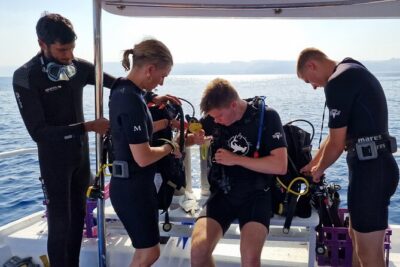
I especially love how the team handles the day end-to-end: gear fit, checks, and a briefing, with a pool refresher when you need one. That early equipment setup focus pays off when you’re about to get in the water with currents and big marine life.
My other favorite is the control they keep in the water: small groups capped at three divers per guide, plus instructors who stay with you throughout the day. The main consideration is the ride and conditions—there’s a 45-minute speedboat crossing that can be choppy and long, even with seasickness help.
In This Review
- Key highlights to know before you go
- From your hotel in Bali to the Neptune shop in Sanur
- The speedboat day plan: 45 minutes each way, lots of sea time
- How the underwater sessions are paced (2 vs 3 sessions)
- Stop 1: Neptune check-in and getting you ready to see manta rays
- Stop 2: Nusa Penida, then the island route into open water
- Stop 3: Kelingking Beach waters and a classic Penida backdrop
- Stop 4: Manta Point, where the ocean sunfish and mantas steal the show
- Stop 5: Crystal Bay reef time (and sometimes more surprises)
- What’s included (and what you’ll probably need to pay extra for)
- Guides, safety, and what “small group” really means for you
- Food, comfort, and little touches that make the day feel smoother
- Price check: is $175 good value?
- Who should book this, and who should reconsider
- Should you book the Manta Point day trip to Nusa Penida?
- FAQ
- Do I need certification for the underwater sessions?
- How many underwater sessions can I do, and what time will I return?
- Is hotel pickup included?
- How long is the speedboat ride to Nusa Penida?
- What’s the extra conservation fee?
- What if the weather isn’t good?
Key highlights to know before you go
- Manta Point is the headline: plan your day around the chance to see manta rays up close.
- Small group ratios: up to three certified divers per guide for more hands-on attention.
- Full-day structure: 2–3 underwater sessions with planned surface intervals and bottom times.
- Food and comfort included: morning tea/snacks, lunch, towels, and bottled water.
- Sanur to Nusa Penida is the move: hotel pickup plus a charter boat day out on open water.
- Go with the right status: Open Water Diver certification is mandatory, and the tour is for certified participants only.
From your hotel in Bali to the Neptune shop in Sanur
This starts early. You’ll be picked up from select areas around Sanur, Kuta, and Seminyak, then transferred to the Neptune meeting point in Sanur (Jl. Suka Merta, Sanur Kauh). The goal is to get you checked in, fitted, and ready before the island run.
At the shop, expect the practical stuff first: equipment fitting and checks, plus a daily briefing. If it’s been a while since your last session—or your skills need a tune-up—you may do a pool refresher. One of the smartest parts of this setup is that it doesn’t assume everyone is equally current.
Bring your body measurements seriously. They require your height, weight, and even shoe size for proper equipment fit. It’s not busywork; poorly fitted gear can turn a calm day into an uncomfortable one.
Finally, you’ll roll out toward departure around 8:30–9:00 AM. With the day ending back at the meeting point (around 2:00 PM for two sessions, or 4:00 PM for three), it’s a real “schedule day” rather than a casual half-day.
You can also read our reviews of more tours and experiences in Kuta.
The speedboat day plan: 45 minutes each way, lots of sea time
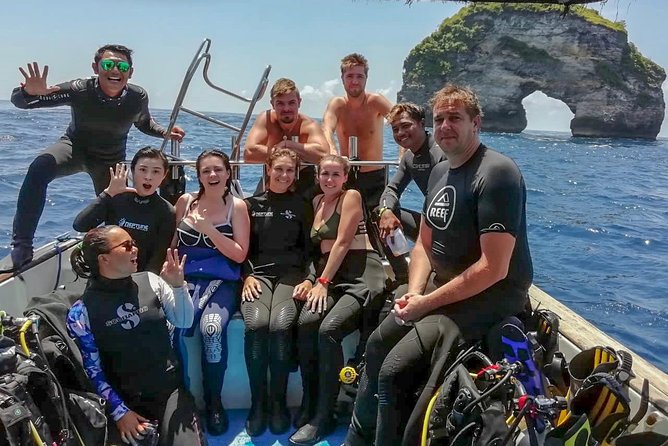
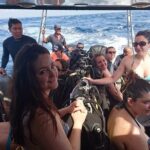
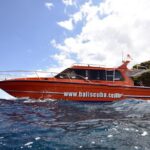
Once you’re on the water, you’re on the water for a while. There’s about a 45-minute speedboat ride from Sanur to Nusa Penida, and you spend most of the day on the charter boat.
That matters for two reasons:
1) Motion is real. If you’re prone to seasickness, take the seasickness tablets they offer at the outset. Several divers specifically called this out as the difference between white-knuckling it and actually enjoying the day.
2) Time management is tight. You’ve got planned surface intervals of 45–60 minutes, then bottom times generally 45–60 minutes depending on air consumption. If you run low on air early or manage depth poorly, the schedule shifts fast.
Also note the tour duration is listed as about 6 hours. In practice, your day feels full because the ride and waiting time aren’t separate from the experience—they’re part of it. If you hate long boat days, this probably won’t feel like a breeze.
How the underwater sessions are paced (2 vs 3 sessions)
You choose either 2 or 3 underwater sessions, and the timing changes with that choice.
- 2 sessions: return around 2:00 PM
- 3 sessions: return around 4:00 PM (the most popular option)
Here’s a practical heads-up. When you book for two sessions, sometimes the team can’t guarantee an early return at 2:00 PM. In that case, you may be upgraded to three sessions. If you’re strict about timing—cruise ship schedules, dinner plans, next-day travel—reach out before booking so you know what your realistic return time will be.
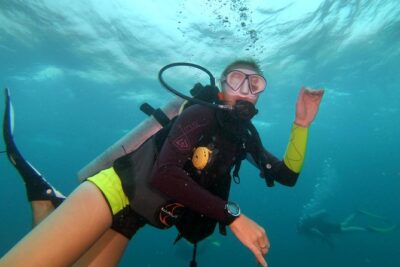
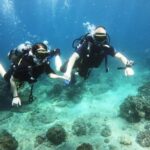
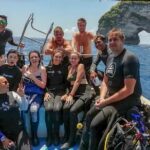
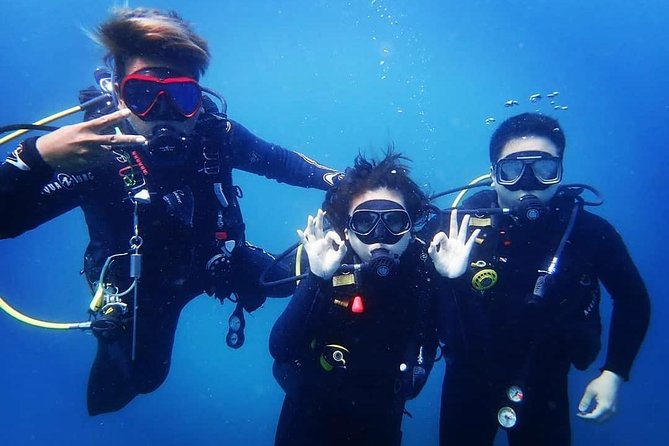
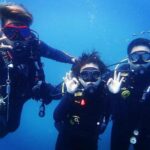
The group setup is also very defined: maximum of three certified divers per one guide (matched by experience). That low ratio is a big deal for safety and for enjoying the moment without constantly chasing your buddy.
Stop 1: Neptune check-in and getting you ready to see manta rays
The first stop isn’t a scenic viewpoint. It’s the prep stop. You’ll arrive at Neptune’s Sanur shop, then do gear fitting, checks, and a briefing. If you need a pool refresher, this is where it happens.
What I like about this approach is that it treats the day like a mission. You’re not just paying for access to big marine life—you’re paying for a process that gets you correctly weighted, correctly fitted, and correctly briefed before you go.
In the reviews, the facility itself gets praised for being clean, with showers and toilets that feel well kept. That sounds like a small thing until you’re waiting in the morning, then you’re sweaty after gear prep, then you want a clean reset after the boat day.
Stop 2: Nusa Penida, then the island route into open water
After check-in, the day moves onto Nusa Penida. The itinerary lists a stop for Nusa Penida Island, which typically means the day shifts from transfer mode into on-site water access mode.
You’ll also notice how route planning matters here. Nusa Penida’s cliffs and coastlines can change conditions quickly, and weather can alter which spots are practical. Expect the day to follow the ocean’s “permission,” not just a rigid map.
One practical reality: the route can include transfers that involve smaller boats or shoreline steps before you’re fully out on the main dive boat. Even if you’re a strong swimmer, just plan for some extra movement and be ready to stay calm while everyone organizes gear.
Stop 3: Kelingking Beach waters and a classic Penida backdrop
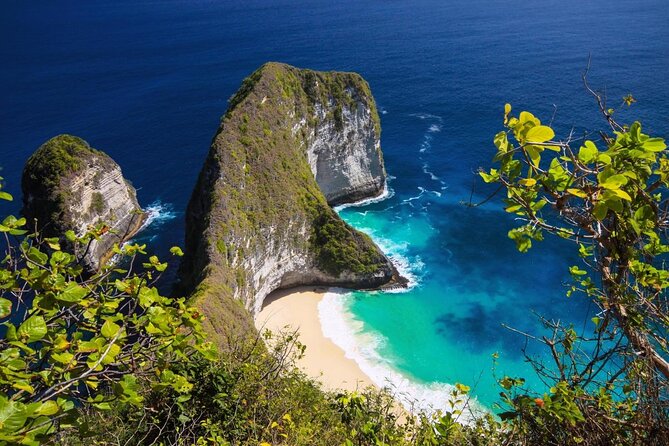
Kelingking Beach is on the schedule. Even when the big show is later, getting here puts you into the right part of Penida’s waters—where reef life is common and the coastline is part of the visual payoff.
What you can realistically expect at Kelingking Beach is a sense of scale. The cliffs are the kind of place you stare at from shore and then you realize you’re about to be in the water nearby. If you’re the type who likes seeing the “big scenery” before you go underwater, this stop helps set the tone.
The only caution: the exact experience you get at each named stop depends on day conditions, tide, and currents. So think of the itinerary as your best shot at a great day—not a guarantee that every listed stop will feel identical on every calendar day.
Stop 4: Manta Point, where the ocean sunfish and mantas steal the show
This is the center of gravity: Manta Point.
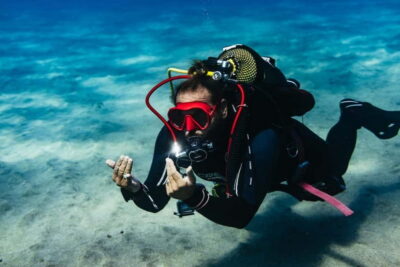
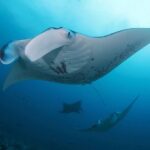
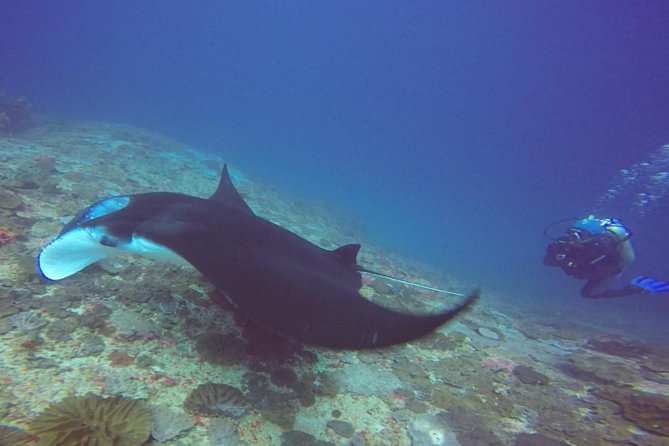
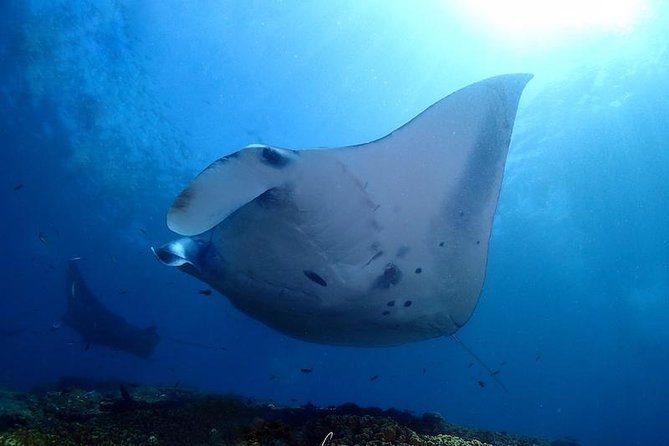
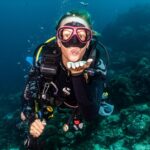
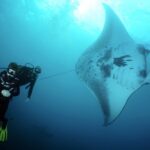
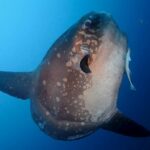
This tour is specifically built for divers who want ocean sunfish and manta rays close up, and Manta Point is where that dream usually becomes real. The best days can be wild—one group reported seeing multiple manta rays at once. Another highlight: guides who actively help you stay oriented and even grab photos or video so you can focus on the moment instead of juggling your camera in fast-moving water.
A key point: even on a well-run tour, conditions can change. There was at least one account where Manta Point wasn’t reached due to high tide or conditions, and the team still delivered by redirecting to other underwater spots. So if you book this for Manta Point only, hold onto a bit of flexibility. You’re buying a chance at the headline, supported by a team that can pivot.
In the water, your job is simple:
- Stay calm
- Follow your guide
- Watch your air and depth
- Let the manta rays come to you, not the other way around
If you do those basics well, this spot has a reputation for giving you mantas that feel almost too close.
Stop 5: Crystal Bay reef time (and sometimes more surprises)
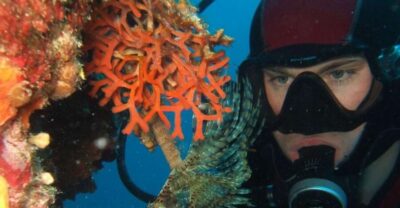
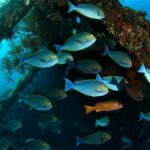
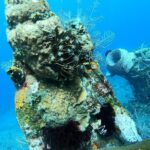
Crystal Bay is the last named stop. It’s often remembered for reef life and marine activity—exactly the kind of contrast that makes the day feel complete. After the manta spectacle, Crystal Bay can shift you back toward fish, coral, and a calmer rhythm.
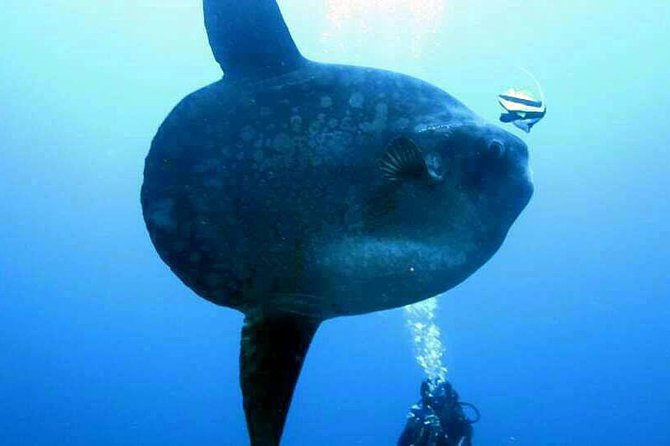
Some divers also tied Crystal Bay to the chance of extra bucket-list sightings. One review mentioned seeing mola mola as part of the day’s marine list. That’s not something you should plan on like it’s scheduled, but it’s encouraging. In this region, the ocean sometimes delivers bonus animals when conditions align.
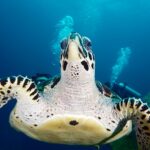
There’s another “bonus possibility” worth mentioning: one diver described a drift-style session around mangrove areas where turtles were seen. The key is that the day’s route can include nearby variations depending on conditions—so ask your guide on the morning briefing what they’re optimistic about once you arrive.
What’s included (and what you’ll probably need to pay extra for)
At $175 per person, the value here comes from what’s bundled, not just the access.
Included:
- Hotel pickup and drop-off in select areas
- Boat charter (meaning you’re not squeezed into a tiny, uncomfortable setup)
- Professional guide support
- Use of scuba equipment
- Scuba insurance coverage
- Morning tea, snacks, and lunch
- Bottled water and towels
- Taxes and handling charges
- Mobile ticket
Not included:
- Conservation fee: 100,000 IDR per person
- Extra gear like dive computers, 15L tanks, extra wetsuits, or hoodies
Two practical notes:
1) If you rely on a dive computer, bring yours or confirm rental options ahead of time.
2) If you run cold easily, remember that water temperatures and wind on the boat can surprise you. One diver noted cold water as a drawback, so pack layers for before and after the water time.
Also, if you’re planning gear upgrades: you might regret bringing your own equipment if you’re new to the region or if your gear isn’t setup for local conditions. Several divers praised Neptune’s equipment quality, and it’s worth letting the team handle the fit so you can focus on being a safe, calm diver.
Guides, safety, and what “small group” really means for you
This is where Neptune’s model shows up in real-world terms: small ratios.
You’ll be grouped by experience, and there’s a maximum of three certified divers per guide. That means:
- You get clearer instructions
- Your guide can stay with you
- You’re less likely to lose time adjusting or searching
In the reviews, guide names came up repeatedly—Gede, Jaya, Agus, Mulee, Noé, and Rei. While you can’t pick your guide every time, it’s a signal that the company invests in people who know how to keep you safe and help you see what you came for.
One other detail I’d take seriously: there’s a pool refresher option and a strong emphasis on getting you ready. That reduces stress the moment you enter the water, especially if you haven’t been active for a while.
Food, comfort, and little touches that make the day feel smoother
This tour includes lunch and snacks, plus towels. But it’s the extras that make the day feel well-managed.
In reviews, divers mentioned:
- Coconut water between sessions
- Fruit after the first underwater time (helpful if salt mouth is a thing for you)
- A lunch like green rice and egg
- Clean facilities at the Sanur shop, including shower stalls
This matters because a long speedboat day drains you. If your energy dips, your comfort dips too—then your buoyancy and depth control can suffer. Eating and hydrating aren’t just “nice.” They support better underwater performance.
Price check: is $175 good value?
For a day that includes Sanur hotel pickup, a charter boat run to Nusa Penida, equipment use, insurance coverage, lunch, towels, and multiple underwater sessions, $175 per person is a fair value—especially if you choose the 3-session option.
The conservation fee is extra, and you may spend more if you add rentals like a GoPro (one diver reported GoPro rentals around $35 USD). Still, compared with piecing together transport, equipment, guide time, and food, the bundled approach saves you hassle.
The biggest “value” factor for you is simple: do you want manta rays with real guide support and a structured day? If yes, this price starts to look reasonable fast.
If you’re hoping for a casual day with flexible timing and no boat ride, then $175 will feel like too much. This tour is built for momentum and a packed schedule.
Who should book this, and who should reconsider
Best fit:
- Certified Open Water Divers who want manta rays and sunfish chances
- Divers who like small group attention and structured coaching
- People who are okay with a long boat day and open water conditions
- Anyone who wants a full day plan rather than building a DIY trip
Consider another option if:
- You get seasick easily and can’t take motion seriously (seasickness tablets help, but you still need to plan)
- You have active asthma, or recent surgery and/or special medication concerns (this isn’t recommended for those cases)
- You’re not comfortable managing your air/time under a set schedule
Age note: the minimum age for scuba sessions is 10 years old. Also, they require your measurements for equipment fit, so you’ll want to book with accurate details.
Should you book the Manta Point day trip to Nusa Penida?
If your top goal is Manta Point and you’re a certified Open Water Diver, I think this is an easy “yes” for most people—especially because it’s small group, guide-led, and organized with the prep you actually need.
Book it if you:
- Want manta rays with real structure
- Appreciate early starts and a full day at sea
- Like clear guidance instead of figuring things out on your own
Pause if you:
- Only want manta rays and can’t handle the possibility of conditions shifting the plan
- Hate speedboats or feel seasick fast
- Are unsure about your certification level or last time you practiced (pool refresher can help, but confirm what you need)
If you go in flexible and prepared—take the seasickness help, follow your guide, and manage your air—you’ll leave with a day that feels like more than a checkmark. It’s a proper Penida ocean experience, built around the animals that make this region famous.
FAQ
Do I need certification for the underwater sessions?
Yes. The tour is designed for certified participants, with Open Water Diver certification mandatory. Minimum certification is required before you can take part.
How many underwater sessions can I do, and what time will I return?
You can do either 2 or 3 sessions. Return is scheduled for about 2:00 PM after 2 sessions or about 4:00 PM after 3 sessions. The 3-session option is the most popular.
Is hotel pickup included?
Pickup and drop-off are included for select areas, including the Sanur, Kuta, and Seminyak zones. Your exact pickup depends on whether your hotel is in the listed pickup range.
How long is the speedboat ride to Nusa Penida?
The speedboat ride from Sanur to Nusa Penida is about 45 minutes, and you’ll spend most of the day on the boat.
What’s the extra conservation fee?
A conservation fee of 100,000 IDR per person is not included. You should plan to pay this separately on the day.
What if the weather isn’t good?
This experience requires good weather. If it’s canceled due to poor weather, you’ll be offered a different date or a full refund.