REVIEW · LOFOTEN
First Time Diver Scuba Experience
Book on Viator →Operated by Lofoten Diving · Bookable on Viator
Nothing beats a first scuba go in arctic waters.
This 3-hour first-timer program in Lofoten, Norway keeps things simple and personal, with a small group setup (max 6 people) and an instructor right beside you the whole time. I like the structured flow (surface briefing → easy practice → underwater time) because it turns a scary new activity into a clear sequence. I also like that the first session is capped at a maximum 6 meters, so you can focus on breathing and fun, not pressure math.
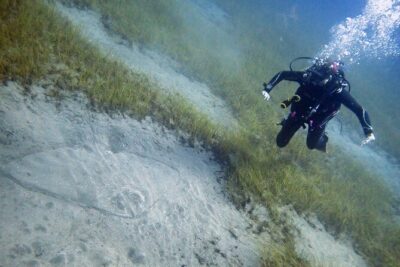
One thing to consider: if your weighting isn’t dialed in, you can end up stirring up sand and losing visibility. In one unhappy experience, too much weight meant getting low on the bottom and kicking up silt near a port area, which made it hard to enjoy the water.
In This Review
- Key Highlights You’ll Care About
- First-Timer Scuba in Lofoten: Why This Format Works
- Your 3-Hour Plan, Broken Down So It Feels Manageable
- Instructor Support: The 1:2–4 Ratio for Real Beginners
- The 6-Meter Limit: Less Pressure, More Wonder
- Gear, Weight, and Visibility: What You Should Get Right Early
- Stop at Lofoten Island: What the Experience Is Like In Real Terms
- Price and Value: What $213.82 Really Buys You
- Where You’ll Meet and What to Bring
- Who Should Book This First Scuba Experience?
- Should You Book Lofoten Diving for Your First Scuba Session?
- FAQ
- How deep do I go on the first-timer scuba session?
- How long is the experience?
- Is the group size small?
- What’s included in the price, and what isn’t?
- Where do I meet for the activity?
- Can I cancel for a full refund?
Key Highlights You’ll Care About
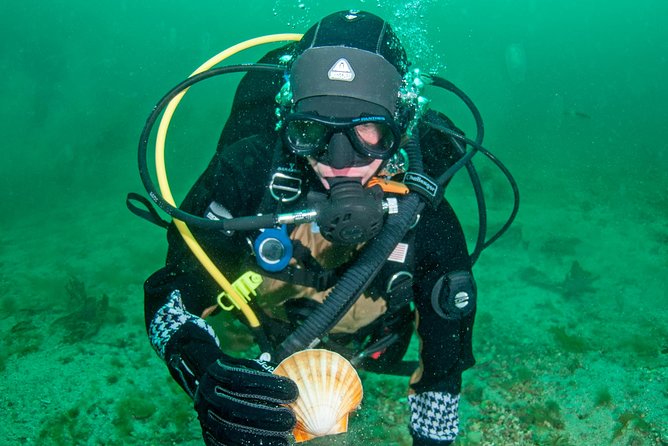
- 1:2–4 instructor-to-student ratio keeps the experience hands-on for beginners
- Max 6 meters means your first underwater experience stays controlled and beginner-friendly
- Surface briefing + simple practice before you go down lowers stress fast
- Full equipment rental + transfer removes the hassle of figuring out gear and logistics
- Coffee and tea included makes the pre-gear moment feel like a real break, not a chore
First-Timer Scuba in Lofoten: Why This Format Works
Lofoten is famous for cold-air drama, jagged coastlines, and that Arctic-water feeling that makes you pause for a second before anything wet happens. What I appreciate here is that the scuba program doesn’t try to be a tough-guy challenge. It’s built for people who have never done scuba before, with the instructor acting like your guide and your safety net.
The biggest win is the teaching style: the instructor stays right with you the whole time. That matters more than people think. When you’re new, your brain fills in blanks with worst-case scenarios. Having a qualified person at arm’s reach helps you keep your focus on the basics: breathing, buoyancy, and staying calm.
The second win is the intensity level. You’re not sent on some long, ambitious underwater mission. Instead, your first session is capped at 6 meters, which is deep enough to feel the underwater world, but not so deep that you’re rushed or overwhelmed.
Yes, you still need a bit of physical readiness. The info calls for moderate physical fitness. That’s not about being athletic. It’s about handling equipment and moving around comfortably enough for a wet activity.
You can also read our reviews of more tours and experiences in Lofoten.
Your 3-Hour Plan, Broken Down So It Feels Manageable
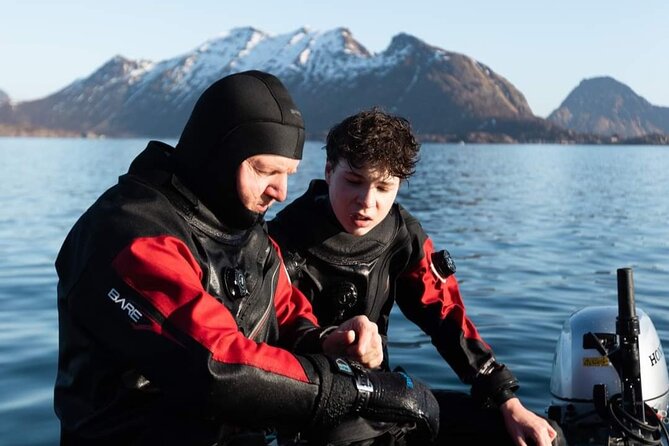
This is an approximately 3-hour experience, and the time structure is a big part of why beginners tend to enjoy it.
First, you start at Lofoten Diving – Activities Lofoten, Øyaveien 31, 8373 Ballstad. The location is near public transportation, which is helpful if you’re not renting a car.
Once you’re there, the program is organized around what happens in the water:
- A surface briefing to go over what you need to know
- Simple exercises so you can practice basic scuba skills before going lower
- Then the final underwater segment with your instructor beside you
This order matters. When you jump straight to underwater without practice, you spend the whole time reacting. Here, you can learn the motions first, then apply them while still feeling supported.
Also, coffee and tea are included, which is a small detail that makes a difference. It means you’re not showing up hungry, stressed, and cold, trying to gear up on an empty stomach.
Instructor Support: The 1:2–4 Ratio for Real Beginners
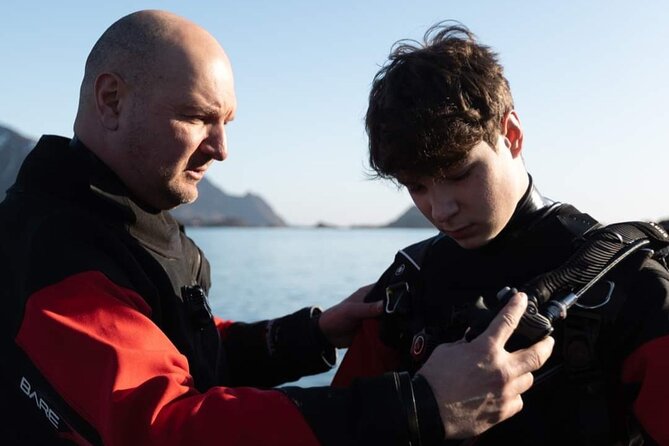
The program’s instructor-student ratio is 1:2–4. That’s not just a marketing line. It affects how quickly you get help when something feels off.
In a first scuba setup, you usually have two common issues:
1) nerves (your body moves differently than you expect)
2) technique (you might need reminders on breathing or comfort)
A small ratio helps you get quick corrections instead of waiting for the instructor to finish training the next person. It also makes it easier for the instructor to check in one-on-one.
The program also describes a very reassuring approach: the instructor is by your side the whole time and can even hold your hand if you need it. That’s exactly the kind of support that can turn a first attempt from panic into control.
The 6-Meter Limit: Less Pressure, More Wonder
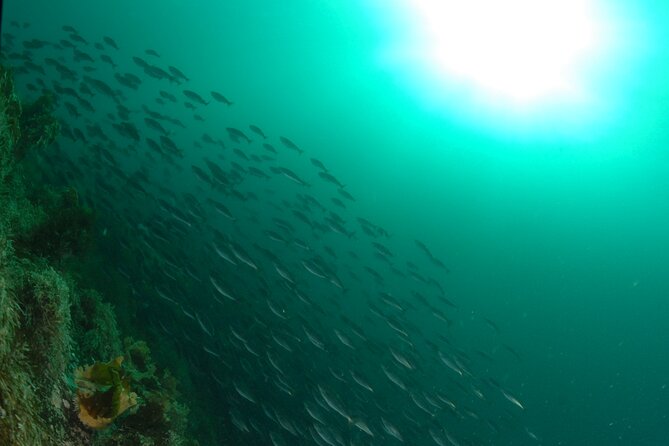
A maximum depth of 6 meters is the heart of this beginner promise. At that depth range, you can feel like you’re doing something real, without the situation turning technical or intimidating.
Here’s what this means for you in practice:
- You have time to learn rather than perform
- You can stay calm because the plan is capped
- You’ll be more likely to look around instead of staring at your own gear
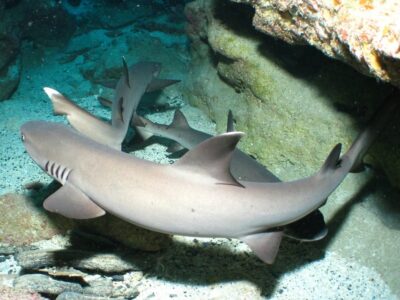
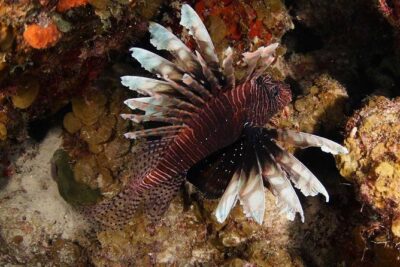
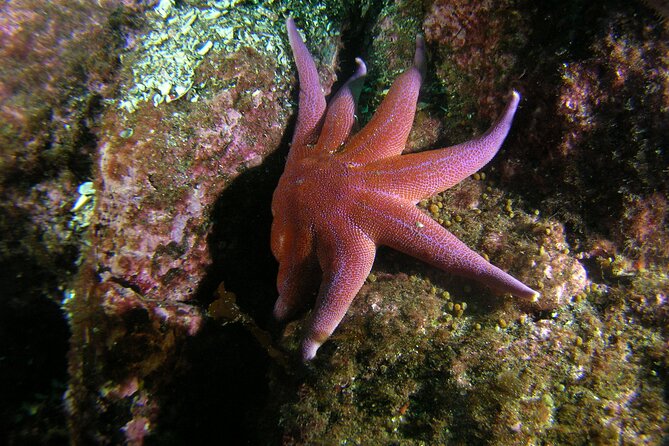
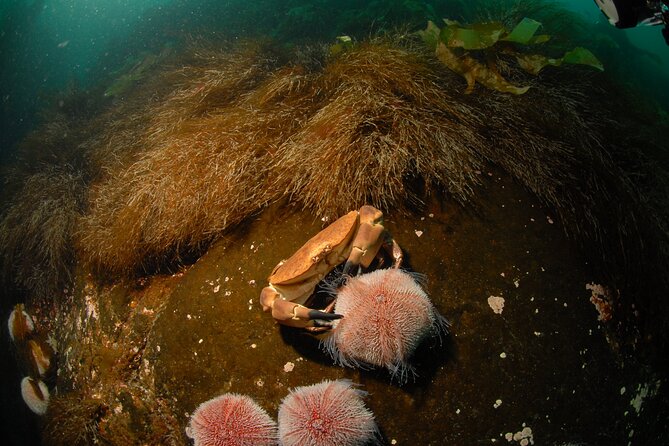
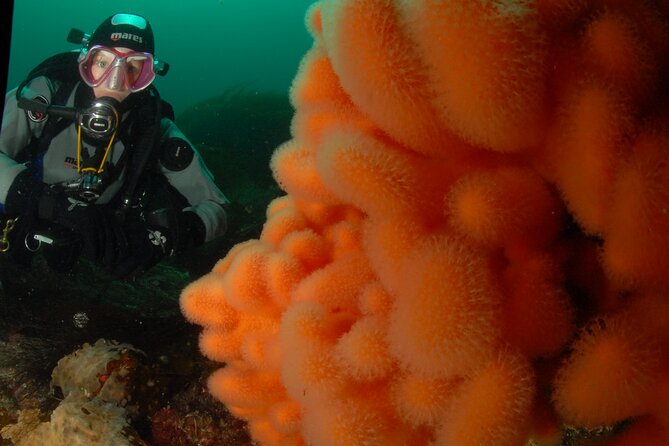
The goal is to explore Lofoten’s underwater life while you’re learning. The program is described as arctic flora and fauna focused, with a tone of relax and enjoy.
That doesn’t mean it’s passive. You’ll still learn. But it’s learning that stays connected to the reason you showed up: to see underwater nature firsthand.
Gear, Weight, and Visibility: What You Should Get Right Early
Gear is included, and you’ll use rental equipment. That’s great because figuring out scuba gear on your own is a common first-timer headache.
But I want to point out one thing that can make or break your experience: weight and buoyancy setup.
One negative experience in the feedback talked about getting too much weight, which forced the person to walk on their knees and lift sand, ruining visibility. That’s not a minor annoyance. Bad buoyancy can make everything feel harder: you may not hover comfortably, and you can disturb the bottom.
So here’s your practical takeaway: when you’re getting fitted, take it seriously. If you feel heavy or find yourself sinking fast, speak up early. The earlier you adjust, the less likely you are to spend the whole session dealing with a problem you could fix.
Also, if you’re feeling anxious underwater, tell the instructor right away. Instructors here are used to first-timers, and the whole program is designed to keep you supported.
Stop at Lofoten Island: What the Experience Is Like In Real Terms
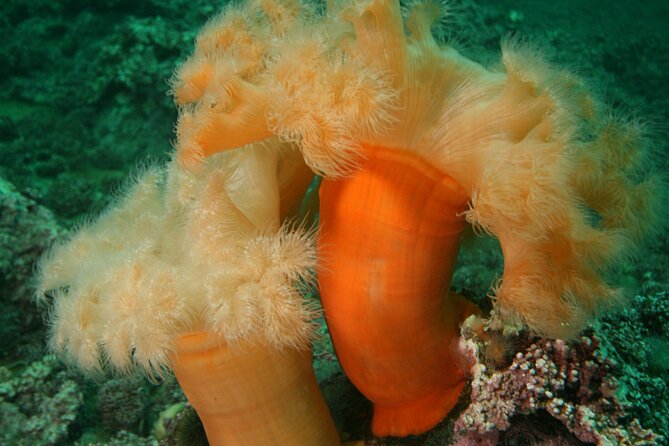
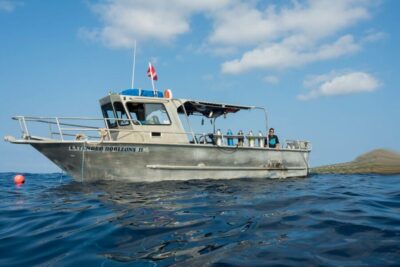
The session’s underwater location is described as Lofoten Island. It’s paired with a transfer to the dive site, which is included, so you don’t have to arrange transport yourself.
What should you expect from the underwater time? Think of it as a calm, guided look at the arctic flora and fauna, with instruction running in parallel with exploration. The instructor is there for safety and technique, but the purpose is for you to actually experience the underwater world.
That said, one caution comes from the feedback: if you’re near a port area, you might not see much marine life and visibility can be more limited, depending on conditions and how the group is moving. You can’t control everything about underwater environment, but you can control how you’re weighted and how carefully you move.
If you’re the type who wants maximum wildlife action on a beginner course, you might be setting your expectations too high. This program is more about learning comfortably and seeing what you can within that gentle, beginner-friendly plan.
Price and Value: What $213.82 Really Buys You
At $213.82 per person for about 3 hours, this isn’t a bargain-basement activity. But for a first-timer scuba experience with an instructor actively supervising you throughout, it can be strong value.
Here’s what your money covers:
- Expert instructor support (with the small group ratio)
- Rental equipment
- Transfer to the dive site
- Coffee and tea
What it doesn’t cover is food. So plan on eating before or after, and don’t rely on the included coffee and tea to be your full meal plan.
Also, this fills in advance. The average booking timing is about 45 days ahead. So if you want a specific date (or you’re traveling in peak season), book early instead of waiting.
The value equation gets better if you’re someone who appreciates guidance. If you’re comfortable learning on your own, you might feel like you’re paying for structure. If you’re nervous, that structure and close coaching are exactly what you’re paying for.
Where You’ll Meet and What to Bring
You meet at Lofoten Diving – Activities Lofoten, Øyaveien 31, 8373 Ballstad. The activity ends back at the same meeting point.
The info says the meeting place is near public transportation, which is a plus. You’ll also receive confirmation at booking time, and you’ll use a mobile ticket.
What to bring isn’t spelled out in the details you provided, so I’ll keep this practical without inventing: wear something you can handle getting wet, and come with enough warmth for the time before you’re in the water. This is Lofoten, so your comfort on the wait and gear-up phase matters.
If you have moderate physical fitness, you’re the target. The program is friendly for first-timers, but you’ll still want to be able to move comfortably with equipment on and off.
Who Should Book This First Scuba Experience?
This program fits best if you:
- are trying scuba for the first time and want close instructor attention
- want a clear plan with a gentle depth cap (max 6 meters)
- prefer small groups (max 6) over crowded experiences
- would like to spend your time learning the basics instead of guessing what to do next
It might be less ideal if your main goal is “see maximum marine life no matter what.” This course is about learning and calm underwater exploration, not hunting for wildlife on command.
Also, if you’re very concerned about comfort underwater, you’ll likely appreciate the instructor support described here, including the fact that they can hold your hand if you need it.
Should You Book Lofoten Diving for Your First Scuba Session?
If you want a first scuba attempt that feels controlled, supported, and beginner-first, this is a solid choice. The high rating (4.8) and the strong recommendation rate are backed by the program’s structure: small group size, instructor presence, and a first session capped at 6 meters with practice before you go down.
My main caution is the one you should act on: make sure your weighting and buoyancy feel right early, so you don’t stir up sand or lose visibility. If you do that, the odds of having an enjoyable, memorable first underwater experience go way up.
So, should you book? Yes—especially if you’re new and you value coaching. Just show up prepared to listen, speak up, and relax into the learning curve.
FAQ
How deep do I go on the first-timer scuba session?
The first underwater experience is planned to a maximum depth of 6 meters.
How long is the experience?
Plan on about 3 hours.
Is the group size small?
Yes. The program runs with a maximum of 6 travelers, and the instructor-student ratio is 1:2–4.
What’s included in the price, and what isn’t?
Included are the expert instructor, equipment rental, transfer to the dive site, and coffee and tea. Food is not included.
Where do I meet for the activity?
You start at Lofoten Diving – Activities Lofoten, Øyaveien 31, 8373 Ballstad, Norway and the activity ends back at the meeting point. The meeting place is near public transportation.
Can I cancel for a full refund?
Yes. You can cancel up to 24 hours in advance for a full refund. If you cancel less than 24 hours before the start time, the amount paid is not refunded.