REVIEW · PANAY ISLAND
WaterColors – PADI Scuba Diver Certification in Boracay
Book on Viator →Operated by WaterColors (HK) Limited · Bookable on Viator
Want a PADI cert without the chaos? This 2-day small-group program in Boracay focuses on safety-first PADI standards while keeping things efficient and hands-on. You get all scuba equipment and daily refreshments, so you can show up and focus on learning.
I like that the course is structured like a true certification pathway, not a rushed experience. You start with a clear scuba theory routine (videos, knowledge reviews, short quizzes), then move into confined-water skills before you go out for open-water practice.
One thing to think about: hotel transfers aren’t included, so you’ll want a plan to reach the White Beach (Station 1) meeting point on time.
In This Review
- Key highlights to pay attention to
- Boracay base at WaterColors: where the day starts
- Day 1 from registration through your first open-water session
- Theory time: why the videos and quizzes aren’t just busywork
- Confined-water skills training: calm practice that pays off
- Open-water session 1: your first real check of comfort
- Day 2: another confined-water block, open-water session 2, and wrap-up
- Price and value: what $485 covers (and what doesn’t)
- Who teaches here matters: Jimmy, Jenny Jara, and the support team
- Small group format: more attention, less waiting around
- What you need to bring and prepare: forms, height/weight, and fitness
- Timing, logistics, and what to do between sessions
- Is this the right PADI Scuba Diver course for you?
- Final decision: should you book WaterColors in Boracay?
- FAQ
- What is the duration of the WaterColors PADI Scuba Diver certification in Boracay?
- What time does the activity start, and where do I meet?
- Is scuba equipment included?
- What does the price include, and what doesn’t?
- Do I need to complete any health paperwork before participating?
- Are there any rules about flying before the course?
Key highlights to pay attention to
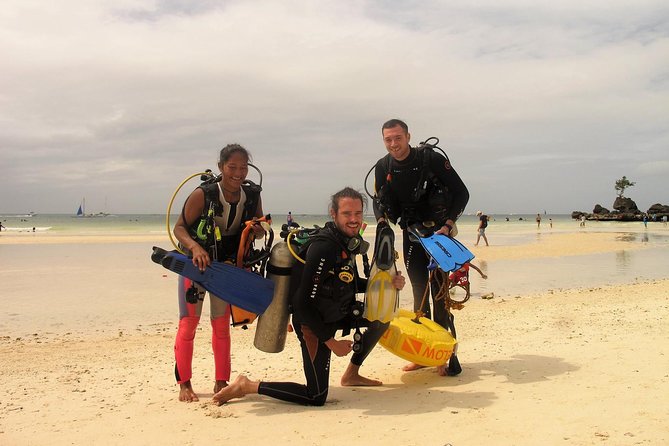
- Small group cap (up to 15 people) means you’re more likely to get the time you need while skills are being explained and checked.
- All scuba gear is provided, so you’re not guessing about fit, comfort, or what to pack.
- Theory + practice are both built in, with multiple theory tools (videos, reviews, quizzes) and several skills modules.
- Daily refreshments (coffee, tea, water) keep you comfortable during long training blocks.
- Different instructor names show up here, including Jimmy and Jenny Jara, so if you prefer a certain teaching style, it’s worth asking.
- Photo add-ons exist, if you want souvenirs without messing with your camera during the sessions.
Boracay base at WaterColors: where the day starts
Your training meets at WaterColors on Boracay’s White Beach area (Station 1), near Willy’s Rock and Balabag Plaza. That’s a big deal because it puts you close to where most people are walking around anyway. And since the course starts early (start time is listed as 8:00 am, with an option to begin at 8:30 am for some schedules), being in this area helps you avoid a stressful scramble.
If you’re used to planning vacations around beach time, this setup is practical. You’re not commuting across the island for hours. You’re also right where you can grab something before or after, since the instruction blocks can run several hours across both days.
You can also read our reviews of more tours and experiences in Panay Island.
Day 1 from registration through your first open-water session
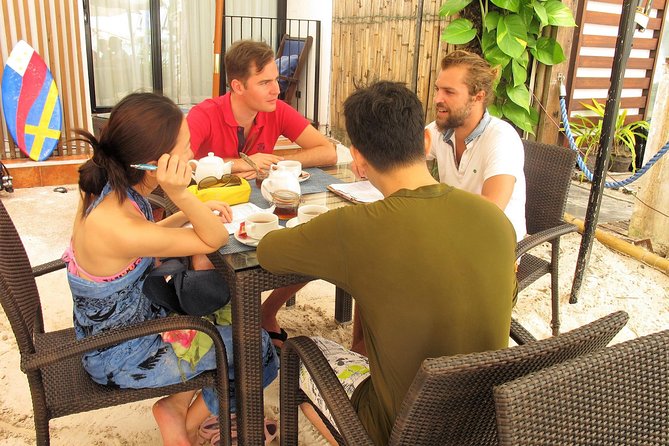
Day 1 runs in a clear flow, and the pacing is one of the reasons this course works for first-timers. You check in around 10:00 am for registration and documentation. The schedule also notes a possible earlier start (8:30 am) with finishing the next day earlier—so ask what timing fits your trip.
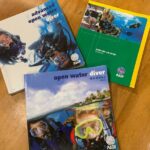
Then you move into the scuba theory session. This isn’t just listening while someone talks. You’ll work through:
- 3 videos
- 3 knowledge reviews
- 2 quizzes
- plus briefings, logged training sessions, and debriefing time
By the end of the theory block, you should feel like you understand the main concepts behind safe air use, equipment basics, and what you’re doing underwater. That matters because the confined-water skills later are easier when you know what you’re aiming to demonstrate.
After a lunch break, you shift to the water. You’ll do confined-water skills training, starting in shallow water and then moving deeper until you’re in an area where you can’t stand up. That progression helps your brain adjust from the “I can stand here” zone to the “I need to manage my body position and gear” zone.
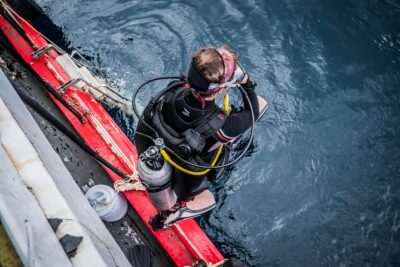
Finally on Day 1 you get your first open-water session. It’s done by boat and at a suitable depth required by the course, once you and your instructor are ready. The whole idea is not to treat the first outdoor session like a trial by fire—it’s a step after the skills practice has already trained your hands and habits.
Theory time: why the videos and quizzes aren’t just busywork
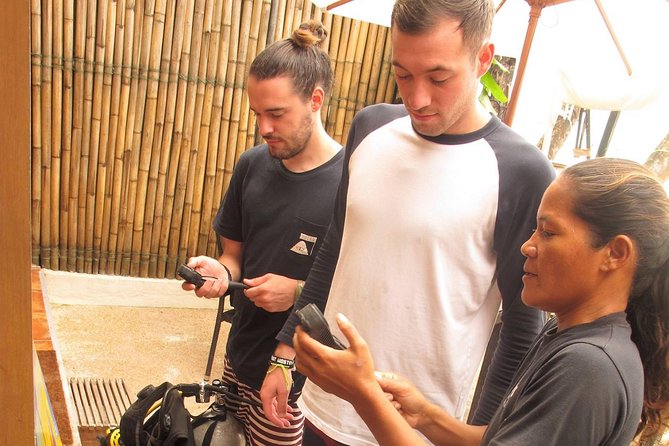
The theory schedule here is specific, and that’s good news for nervous learners. You’re not expected to absorb everything in one go. The course breaks theory into repeatable chunks: watch a video, do a knowledge review, then take quizzes.
That structure helps you spot the stuff that’s confusing before you’re in the water. It also gives you practice with the kind of thinking you’ll need for safety—like understanding what could go wrong and what you’re supposed to do.
And since you’ll have documented logged sessions and debriefing as part of the Day 1 flow, you’re not just moving forward blindly. You’re checking your progress in real time.
Confined-water skills training: calm practice that pays off
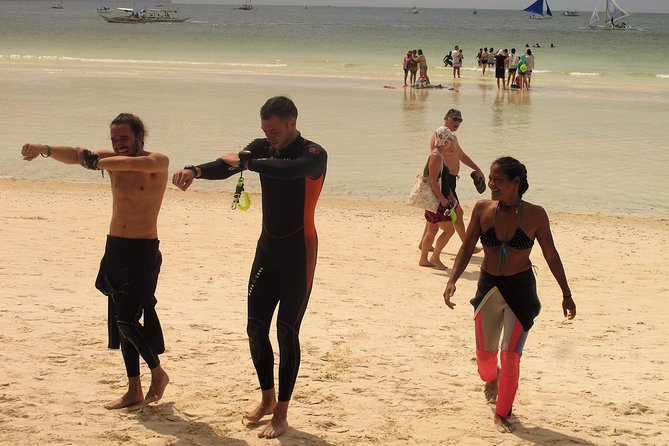
Confined-water skills are the heart of good training. On this course, you’ll complete 3 confined-water skills modules on Day 1, and then more confined-water work again on Day 2.
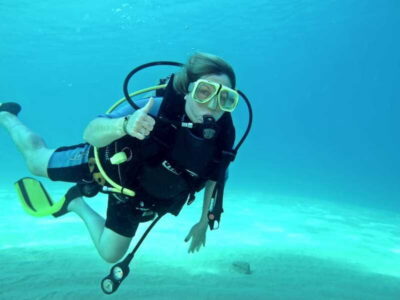
The key detail I like is the way it progresses. You begin where you can stand, then you move into water too deep to stand. That forces you to control buoyancy, breathing rhythm, and body position while your instructor is close enough to guide you. It’s exactly the kind of practice that reduces panic later.
This is also where the small-group setup matters. With a group cap of 15, there’s more chance your instructor can adjust to your pace. If you need slow explanations, a careful check of equipment, or extra time to repeat a skill, you’re more likely to get it than on a packed schedule.
Open-water session 1: your first real check of comfort
By mid-afternoon on Day 1, you’ll do your first open-water session. It’s boat-based, at a suitable depth for the course, and it happens after you’ve trained the key basics in confined water.
That order is important. Open water asks for the same skills you practiced—just with more visual input, less predictable space, and the natural challenge of being more than a few steps from the bottom. When you’ve already trained underwater control in a controlled setting, open water feels more like applying what you learned rather than starting from scratch.
Afterward, you’ll handle logging your training sessions and complete additional theory logging and notes around 4:30 pm. Logging may sound boring, but it’s how training becomes a record of learning rather than a blur.
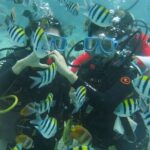
Day 2: another confined-water block, open-water session 2, and wrap-up
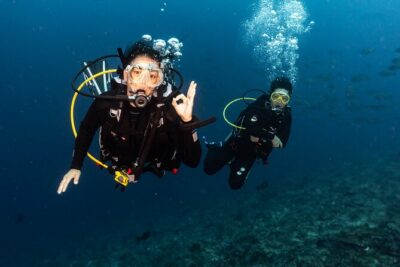
Day 2 begins early, with confined-water skills training at 8:00 am. Then you move into open-water session 2 at 9:00 am. This second open-water session is where you should see growth: you’ll likely feel more in control of breathing and gear handling, because the Day 1 sequence has already trained your muscles and your timing.
After open water, you’ll return to theory at 11:00 am, followed by lunch. That afternoon is built for finishing strong:
- log sessions
- catch up on any skills or theory not completed
- complete paperwork for certification
The course ends with a celebration vibe, which is fitting. After two days of structured training—videos, quizzes, confined skills modules, then open-water sessions—you’ll have the paperwork side handled and a real sense of accomplishment.
Price and value: what $485 covers (and what doesn’t)
At $485 per person, the big value here is that the price includes the things that usually add up fast:
- your PADI scuba instructor
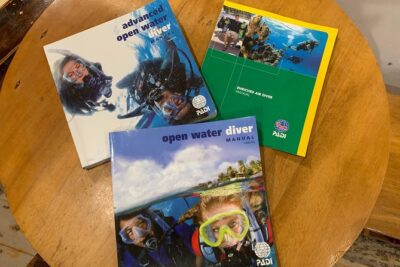
- PADI course materials and certification processing
- scuba equipment use
- daily coffee, tea, and water
So you’re not paying extra for the essentials you’d need anyway. You’re also getting the time of an instructor who has to manage your safety and progress through both theory and skills.
What’s not included is also clear:
- food and drinks unless specified
- souvenir photos
- hotel transfers
Because transfers aren’t included, your total cost depends on how you’re getting around Boracay. If you’re already staying near White Beach Station 1, your out-of-pocket may be low. If you’re staying farther away, plan for taxis or local rides so you don’t show up flustered.
Also note the course is designed to keep costs down through a group booking, and it caps at 15 travelers. That mix—small group plus included gear and materials—is where the value lands.
Who teaches here matters: Jimmy, Jenny Jara, and the support team
Training isn’t just curriculum. It’s how the instructor breaks down tasks and how patiently you get checked. Names that come up here include Jimmy and Jenny Jara as instructors. There’s also mention of Jacob in support and Bo as the person making underwater photos available for purchase.
Even if you don’t get the same instructor name as someone else on a prior schedule, the important takeaway for your planning is this: the team is used to coaching first-timers through equipment comfort and skill confidence. If you’re nervous, that’s exactly what you want—clear pacing, careful explanations, and time to get it right.
Small group format: more attention, less waiting around
The course maximum is 15 people, and that size can change how your training feels. In practical terms, smaller groups mean:
- fewer people competing for an instructor’s time while equipment is adjusted
- smoother transitions between theory and skills modules
- less time stuck waiting while you watch others learn steps you haven’t mastered yet
If you like structure and feedback, this format helps. If you learn best by repeating something a second or third time, you’ll also appreciate that the schedule is built around practicing skills in water, not just listening and hoping it sticks.
What you need to bring and prepare: forms, height/weight, and fitness
Before you arrive, there are some non-negotiables built into the process.
You’ll need to complete a health questionnaire before you can participate in the water sessions. Some conditions can prevent participation (asthma and heart conditions are explicitly mentioned), so it’s smart to check with your doctor ahead of time if you have anything medical going on.
You’ll also be asked for your height and weight at booking. That’s part of making the gear fit correctly and safely. You’ll need to sign and print required PADI documentation from the forms page, and bring the medical statement participant record document with you.
Two more practical items:
- The course notes that diving within 48 hours of flying is not recommended, so plan your travel days accordingly.
- You should have strong physical fitness for the activity.
Service animals are allowed, and there’s mention that the program may be conducted by a multi-lingual guide, depending on availability—so if language matters for you, ask during booking.
Timing, logistics, and what to do between sessions
Start time is listed as 8:00 am, with registration happening on Day 1 around 10:00 am. That means your morning rhythm matters. Arriving early gives you time to settle, handle paperwork, and not rush into theory or water skills with a stretched-out nervous system.
Also remember: included refreshments cover coffee/tea/water, but food isn’t automatically included unless specified. Bring a plan for meals around lunch and any gaps between morning and afternoon blocks.
Since the activity ends back at the same meeting point, you can design the rest of your day around it. That’s helpful in Boracay, where the coastline pulls your attention in a hundred directions.
Is this the right PADI Scuba Diver course for you?
This course fits well if you want:
- PADI Scuba Diver certification on a tight timeline
- a two-day structure with theory + skills + open-water practice
- gear included, so you don’t have to source rental equipment yourself
- an instructor-led approach that takes safety seriously
It may not be the best fit if you:
- have medical concerns and aren’t cleared through the health questionnaire process
- aren’t comfortable with the physical demands of training across two days
- need hotel transfers handled for you, since transfers aren’t included
Minimum age is listed as 10 years, so it can work for older kids who are ready for structured instruction and water skills.
Final decision: should you book WaterColors in Boracay?
I’d book this if you want a straightforward path to PADI Scuba Diver with gear included and a schedule that moves from theory to confined-water skills to open-water sessions. The small-group cap and the emphasis on safety and step-by-step training are exactly what make a certification course feel manageable instead of chaotic.
If you hate planning logistics, just make sure you’ve handled one key item: how you’ll get yourself to the White Beach (Station 1) meeting point and back. Once that’s solved, this looks like a solid value way to earn your certification in Boracay.
FAQ
What is the duration of the WaterColors PADI Scuba Diver certification in Boracay?
The course is listed as 2 days approximately.
What time does the activity start, and where do I meet?
The start time is 8:00 am, and the meeting point is WaterColors on Boracay Highway Central, White Beach (Station 1), near Willy’s Rock and Balabag Plaza.
Is scuba equipment included?
Yes. The program includes use of scuba diving/scuba equipment and PADI course materials and certification processing.
What does the price include, and what doesn’t?
The price includes the PADI instructor, course materials and certification processing, equipment use, and coffee/tea/water each day. It does not include food and drinks unless specified, souvenir photos, or hotel transfers.
Do I need to complete any health paperwork before participating?
Yes. You’ll need to complete a health questionnaire prior to diving, and you should consult the medical statement if you may need additional medical certification. You may be prevented from participating if you have certain medical conditions.
Are there any rules about flying before the course?
The program notes that diving within 48 hours of flying is not recommended.