REVIEW · RACHA NOI ISLAND
Try Scuba Diving in Racha Yai/noi: 3 Dives for Non-Certified
Book on GetYourGuide →Operated by PDP · Bookable on GetYourGuide
Your first scuba day should feel calm.
I like how they keep groups tiny and coach you step-by-step, with instructors known for patience like Matt and Saeed. You also get three underwater sessions capped at 12 meters, plus full scuba insurance that runs through the whole trip. The one trade-off: this isn’t for everyone medically, and you’ll need to confirm fitness before getting in the water.
Phuket’s Racha Yai and Racha Noi islands are a great “try it” setting because you get real open-water conditions without a complicated multi-day plan. The day is also built around food and breaks, not just gear and rushing, so the nerves have time to settle.
In This Review
- Key points before you go
- First-time scuba in Phuket: Racha Yai and Noi’s easy win
- How the day actually runs from Phuket pickup to island breaks
- Three underwater sessions: what 50 minutes means in real life
- Instructor coaching that keeps first-timers from freezing
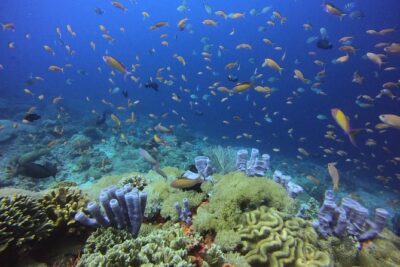
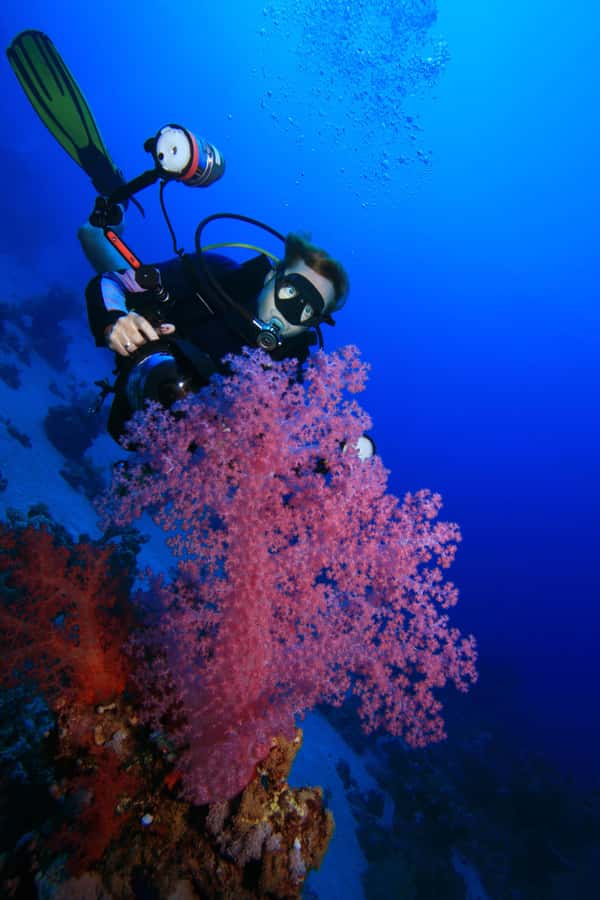
- What you’ll see around Racha Yai and Noi at beginner depth
- Equipment, meals, and included insurance: where your money goes
- Transfers, timing, and the 18-hour no-fly rule
- Price and value: is $182 worth it for a first attempt?
- Who should book (and who should skip it)
- Should you book this try-scuba day?
- FAQ
- Do I need a scuba certification to join?
- I can’t swim. Can I still participate?
- How deep will I go?
- How long are the three underwater sessions?
- Is full equipment included?
- What medical conditions mean I should not book?
- Can I fly right after the tour?
Key points before you go
- Small groups (2–3 people) means more attention during your skills and air checks
- Three underwater sessions in Racha Yai & Noi, each limited by time or tank pressure
- Max depth 12 meters with a beginner-friendly structure for first-timers
- Full scuba insurance + full equipment included, which makes this feel lower-risk
- Care about ears and comfort matters, and the instructors are ready to adapt if equalizing is hard
First-time scuba in Phuket: Racha Yai and Noi’s easy win
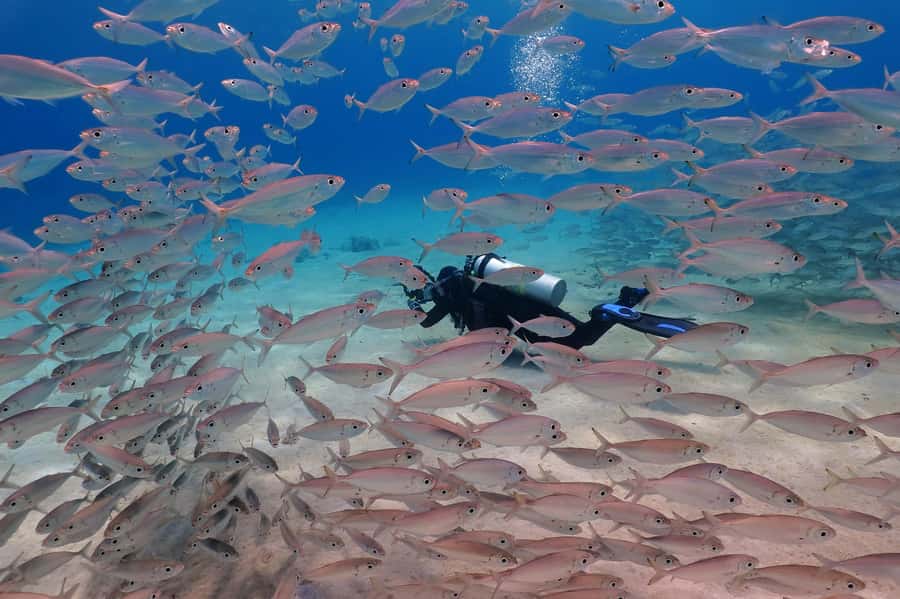
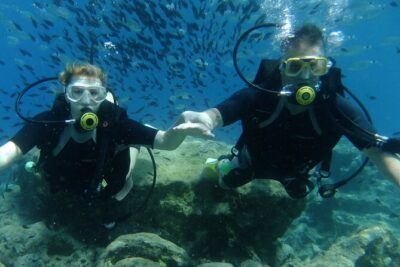
Trying scuba should not feel like a contest. This Phuket day is set up for real first-timers and people who have never held a scuba certificate. You’re in the water three separate times, so you get repetition: you try, you get feedback, and you improve as the day goes on.
I also appreciate the “controlled” side of it. You’re not chasing extreme depth or complicated currents. The plan keeps everything in a clear range, with a maximum depth of 12 meters during each session. That matters because it lets your brain focus on breathing, buoyancy basics, and listening to your instructor instead of panicking about what comes next.
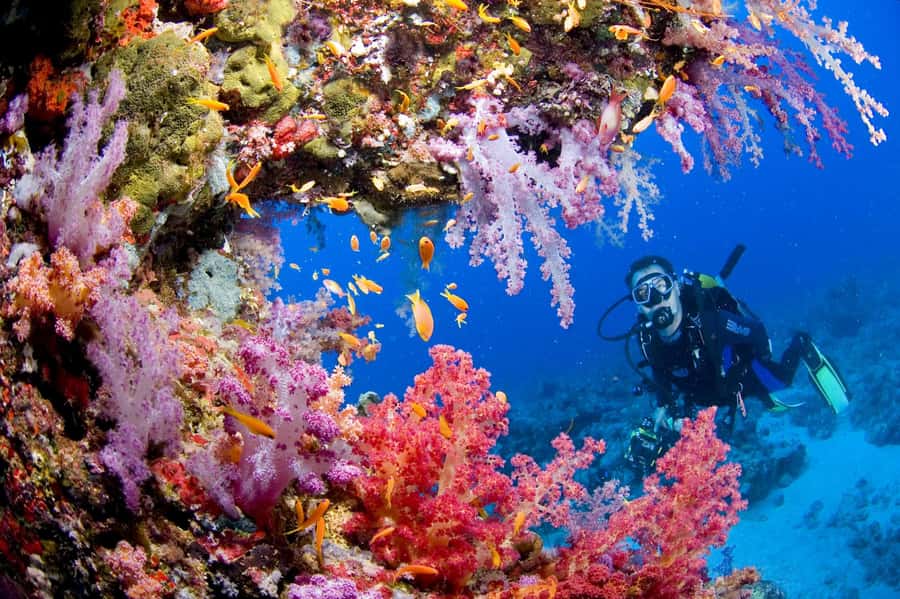
A final note: the islands are the star. Racha Yai and Racha Noi are known for marine life and coral habitat, and the day’s format helps you actually see things rather than spending the whole tour adjusting gear.
How the day actually runs from Phuket pickup to island breaks
The trip runs about 10 hours, and it starts with pickup around Phuket. You get return transfer service from several popular areas, including Kamala, Patong, Karon, Kata, plus select parts of Rawai, Nai Harn, and Chalong. If you’re outside those zones, you can request private transfers at cost.
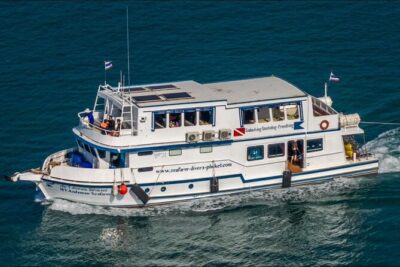
Once you’re picked up, you’re on a van ride (about 30 minutes) to reach the departure area. Then comes the part that makes people less nervous: you don’t rush straight into the water. You’ll spend roughly 1.5 hours at Racha Island for breakfast, free time, and a safety briefing, plus time to get organized on the boat.
Here’s what that pacing does for you:
- It gives you time to fit equipment calmly.
- It gives your instructor time to check your comfort and understanding.
- It reduces the “all at once” stress that can make beginners tense.
After each underwater session, you get a break and a meal routine: lunch after the first session, then more snacks and refreshments onboard before the next one. That rhythm keeps the energy steady for all three tries.
Three underwater sessions: what 50 minutes means in real life
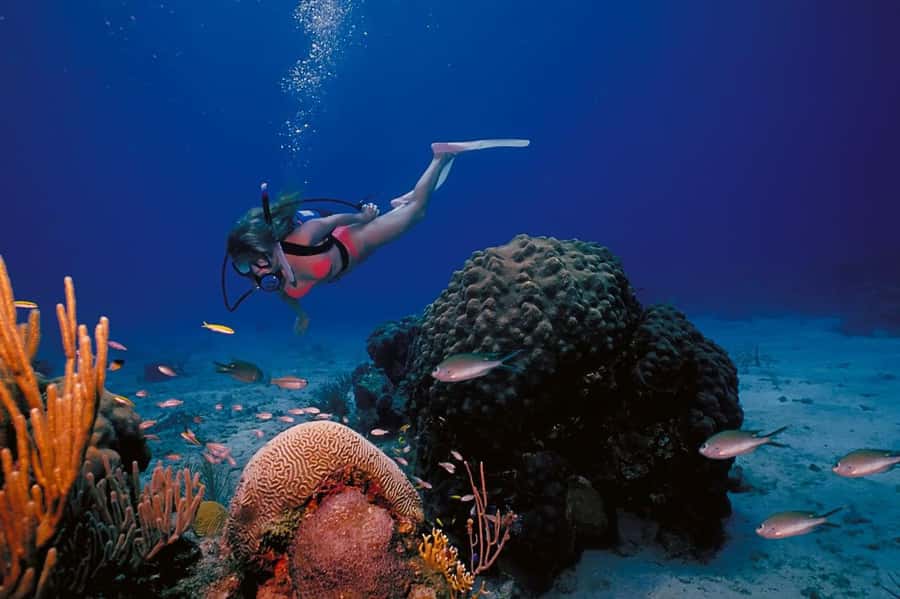
Each session runs for 50 minutes or until your air tank reaches 50 bars, whichever comes first. That timing rule is important. It’s not arbitrary; it’s how your instructor keeps the session safe and manageable for first-timers.
Practically, you can think of your day as three separate learning blocks:
- Session one: orientation under supervision, breathing rhythm, and basic control.
- Session two: you build confidence and refine what you practiced.
- Session three: you focus more on the surroundings while still staying within the beginner plan.
You also get a simple group size setup. Your group is limited to 2–3 people, which helps because the instructor can actually stay close enough to correct issues quickly.
And yes, you don’t need to know how to swim. That’s a big deal for nervous beginners. You’ll still be in open-water conditions, but the structure is designed for comfort and coaching, not athleticism.
Instructor coaching that keeps first-timers from freezing
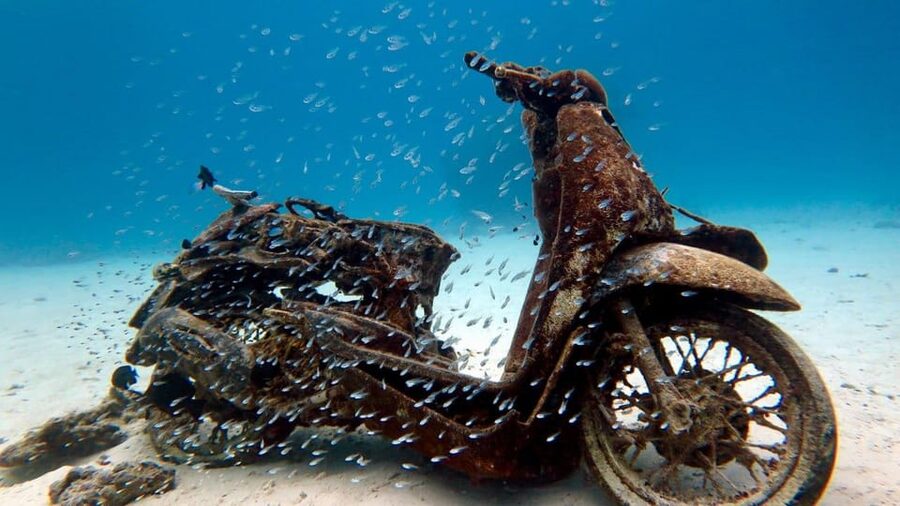
A great scuba day is mostly teaching. The strongest signal from this experience is how much attention instructors give during setup and troubleshooting.
In one account, Matt was praised as kind and a strong teacher on a first experience. That’s the ideal vibe: calm, clear instructions, and enough patience that you don’t feel rushed.
Another instructor, Saeed, got high praise for putting nervous divers at ease. That makes sense because first-timers often struggle with two things:
- feeling awkward in equipment (mask, regulator, buoyancy)
- worrying about what their body is doing under pressure
The tour’s coaching style shows up in real moments. For example, one person had ongoing issues with equalizing pressure in the left ear on a later session and had to ascend early. The guide stayed professional and patient. Another situation involved equipment trouble during the day (a weight belt issue). The instructor responded quickly, managed the situation, and returned the person to the right depth slowly so they could equalize safely.
That’s the practical lesson for you: this isn’t a “good luck” setup. The instructors are adapting to real beginner problems, fast.
What you’ll see around Racha Yai and Noi at beginner depth
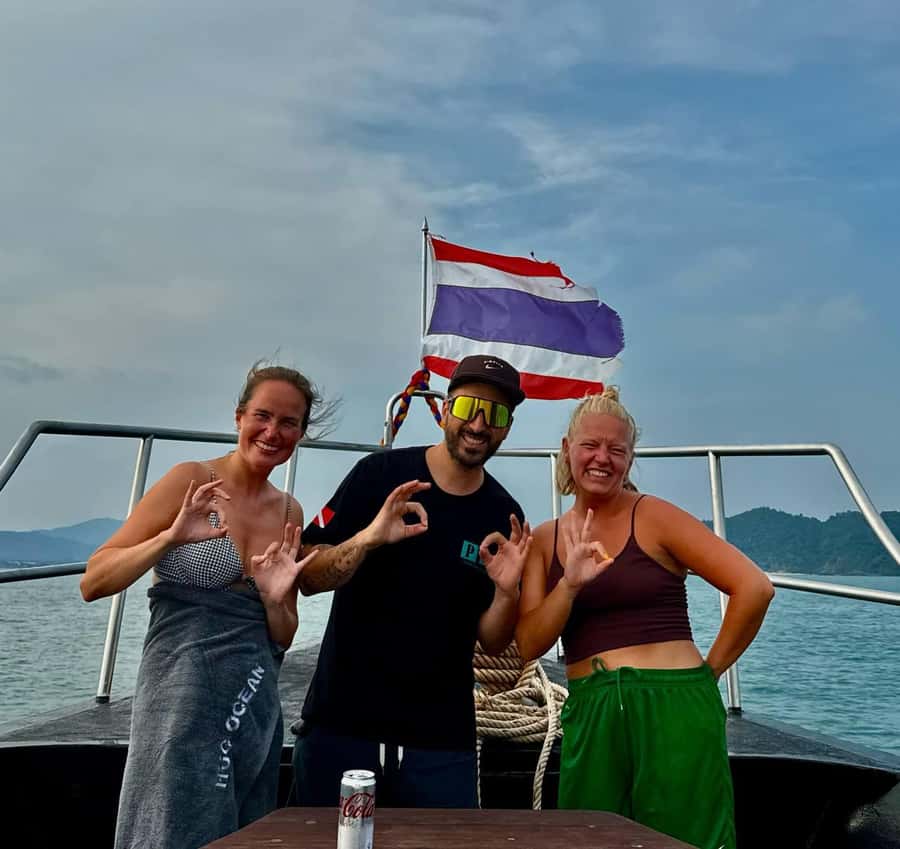
You’re capped at a max of 12 meters, which is a sweet spot for first-timers. You still get real underwater views, but the depth is manageable enough that most people can focus on control rather than survival.
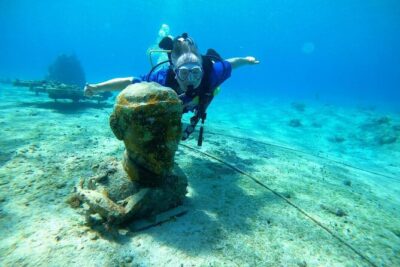
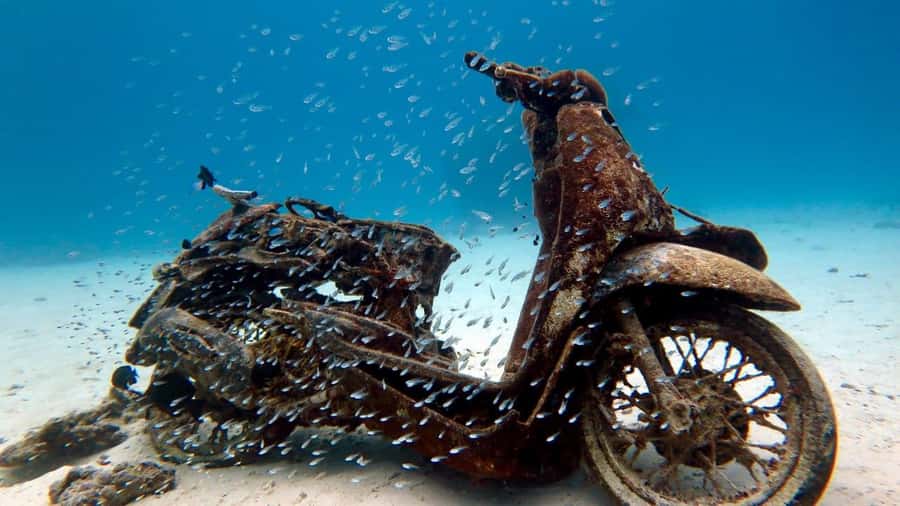
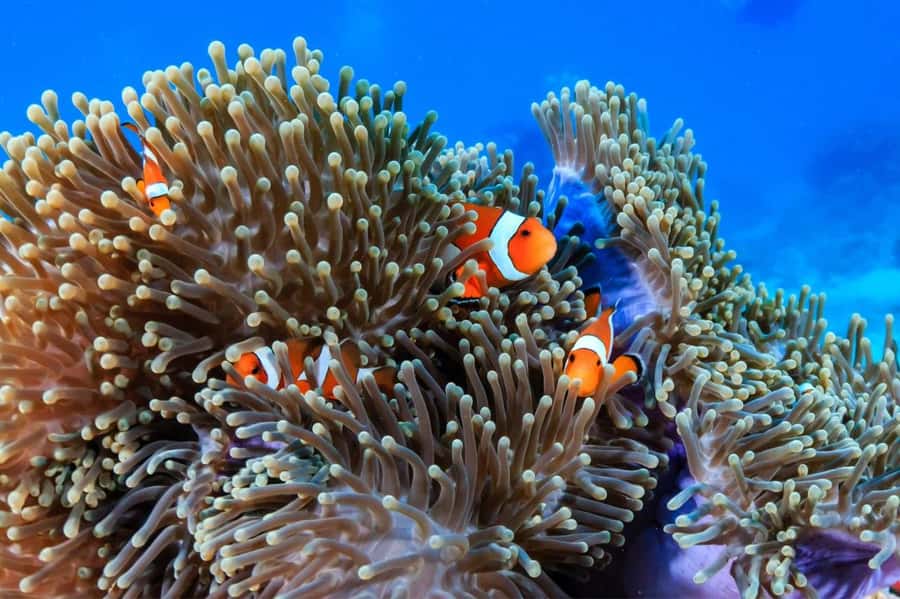
Marine life expectations are necessarily general, but you should plan for coral habitat and a mix of fish and underwater life around the islands. In at least one example, the planned target included a shipwreck-style point. That kind of site can be part of the day’s underwater itinerary, but the key point is that the instructor controls the plan based on equalizing ability and comfort.
Also, remember what “maximum depth” means. The tour can adjust based on how you’re doing. If your ears are struggling or gear isn’t fitting right, your instructor may shorten the session or change what you focus on. That’s not failure. It’s how the day stays safe and beginner-friendly.
Equipment, meals, and included insurance: where your money goes
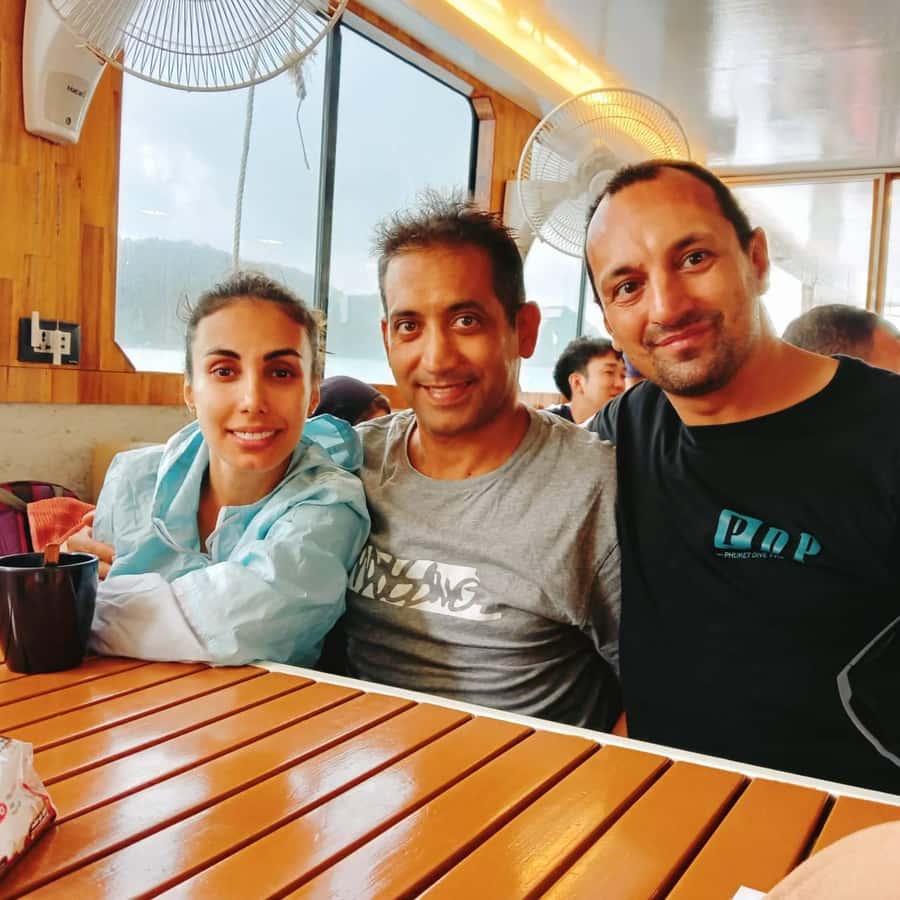
This package includes a full set of scuba equipment. That matters because renting quality gear and getting it fitted correctly can be a whole separate hassle on your own. Here, you show up and the kit is there for you to use.
You also get full scuba insurance coverage throughout the tour. For a first-time experience, this takes away one of the biggest unknowns. You can focus on learning instead of worrying about what happens if something goes sideways.
Then there’s food, which sounds small until you’re on a boat for hours. Breakfast is included at Racha, and lunch plus snacks and refreshments are served onboard. In the feedback, people highlighted that they were fed and hydrated after each session, even with other divers on the boat. That’s a comfort factor you’ll feel when your body is tired and you’re hungry but still have another session ahead.
Practical tip: bring sunscreen, a hat, and a towel. You’ll be outside for the transfer time and the island breaks, and sun exposure adds up quickly.
Transfers, timing, and the 18-hour no-fly rule
This is a full-day plan, so timing matters. Your start time depends on availability, but you’re looking at a roughly 10-hour schedule with pick up and return included from common Phuket areas.
One detail that deserves your attention: after your underwater sessions, you’re not allowed to fly by airplane until 11 AM the next day. The guidance puts it at about 18 hours. If your Phuket trip involves a late checkout flight, you’ll need to build buffer time. This is the kind of rule that catches people off guard.
Also, keep in mind that the tour is not suitable for certain situations:
- pregnancy
- back problems
- heart problems
- people with pre-existing medical conditions
And there’s a longer list of specific medical concerns that you should review carefully before going, including asthma or wheezing, fainting or blackouts, chronic bronchitis, recurrent ear problems when flying, epilepsy, diabetes mellitus, tuberculosis or long-term lung disease, nervous system disorders, and conditions related to ear injury or lung collapse (pneumothorax). High blood pressure is also mentioned.
If any of that applies to you, don’t guess. Get medical clearance first.
Price and value: is $182 worth it for a first attempt?
At $182 per person, this price is easier to evaluate because several big items are bundled:
- three underwater sessions
- full equipment
- scuba insurance coverage for the tour
- breakfast, lunch, and snacks on the boat
- return transfers from select areas in Phuket
- instruction with a small group limit
A DIY approach can get expensive fast. Even if you find a separate boat trip, you still have to add equipment rental and instruction, then deal with snacks and transportation. Here, you’re paying for a streamlined “day package” that’s designed for beginners.
The best value angle is the ratio of coaching to time in the water. You get three chances to practice under supervision without having to coordinate multiple vendors.
Where value can feel lower: if your pickup area isn’t included and you need paid transport, or if you end up doing the sessions but your comfort issues (like equalizing pressure) limit how much you can experience each time. That’s not about worth; it’s about fit. Make sure you’re medically cleared and ready to equalize.
Who should book (and who should skip it)
This trip is a strong fit if you want:
- a beginner-first scuba experience with no certificate required
- small-group attention (max 3 participants)
- a structured day with breaks and real meals
- a clear safety framework, including session limits and insurance
It may be less suitable if:
- you can’t meet the medical fitness requirements
- you have heart or back problems
- you’re pregnant
- you get frequent ear problems (especially around pressure changes)
Age matters too. The tour is for people over 10 years old.
One more honest note: even with the best instruction, ear equalizing can be the hardest part for some people. If that happens, expect your instructor to prioritize safety and adapt the plan. The good sign here is that the guides are experienced with those exact first-timer issues.
Should you book this try-scuba day?
I’d book it if you’re a first-timer who wants a simple, structured Phuket plan: small groups, three chances to learn, full gear, and insurance included. The day’s pacing is practical, with briefing time before you get underwater and real breaks between sessions.
I’d skip or postpone if you’re unsure about medical fitness. The list of conditions is serious, and this isn’t the time to wing it. I’d also plan your schedule carefully because of the no-fly window until 11 AM the next day.
If you want an experience that’s more teacher-led than thrill-led, this is one of the better ways to try scuba in Phuket.
FAQ
Do I need a scuba certification to join?
No. This program is designed for beginners and people who do not hold a diving certificate.
I can’t swim. Can I still participate?
Yes. The tour states you do not need to know how to swim.
How deep will I go?
You can go to a maximum depth of 12 meters during each underwater session.
How long are the three underwater sessions?
Each session lasts for 50 minutes or until your air tank reaches 50 bars, whichever comes first.
Is full equipment included?
Yes. A full set of scuba equipment is included.
What medical conditions mean I should not book?
The tour requires you to confirm medical fitness and review conditions carefully. It lists concerns such as asthma or wheezing, fainting or seizures, chronic bronchitis, chronic sinus issues, epilepsy, diabetes, tuberculosis or long-term lung disease, heart disease, pneumothorax (collapsed lung), high blood pressure, and ear problems like a perforated eardrum.
Can I fly right after the tour?
No. You are not allowed to fly by airplane until 11 AM the next day, about 18 hours after your underwater sessions.