REVIEW · MADEIRA
Madeira, Ponta São Lourenço: Scuba Diving for Beginners
Book on GetYourGuide →Operated by Azul Diving Madeira - Blue Safari Madeira · Bookable on GetYourGuide
Your first time underwater starts with a pool. I love how this beginner set-up uses a pool trial before you go out, and how instructors like Nico keep the safety talk clear and practical. One thing to consider: you do need some swimming ability, and you can’t fly in the 12 hours after the experience.
What really sold me is the chance to see Madeira’s life up close on a private reef in the Ponta de São Lourenço Protected Area, with a maximum depth of 12 meters. You’re likely to spot creatures like octopuses and sea horses, but the exact mix can vary with conditions. If you’re under 12, pregnant, or have pre-existing medical conditions, this one isn’t a fit.
In This Review
- Quick highlights
- Pool First: how the lesson cuts the fear fast
- Ponta de São Lourenço reef at 12 meters: what you’re really paying for
- Instructor style: safety talk that doesn’t talk down to you
- The 2–3 hour schedule, step by step (and what each part feels like)
- Gear and skills: what you should plan to practice
- Price and value: why $53 can make sense here
- Who should book this beginners’ scuba experience in Madeira
- Practical must-knows before you go
- Should you book this scuba training in Ponta de São Lourenço?
- FAQ
- How long does the experience last?
- Where does the tour start?
- How deep do you go?
- Is there pool practice before the ocean?
- What’s included in the price?
- What should I bring?
- Do I need to be able to swim?
- Is food included?
- Who is this not suitable for?
- Can I fly after the experience?
Quick highlights
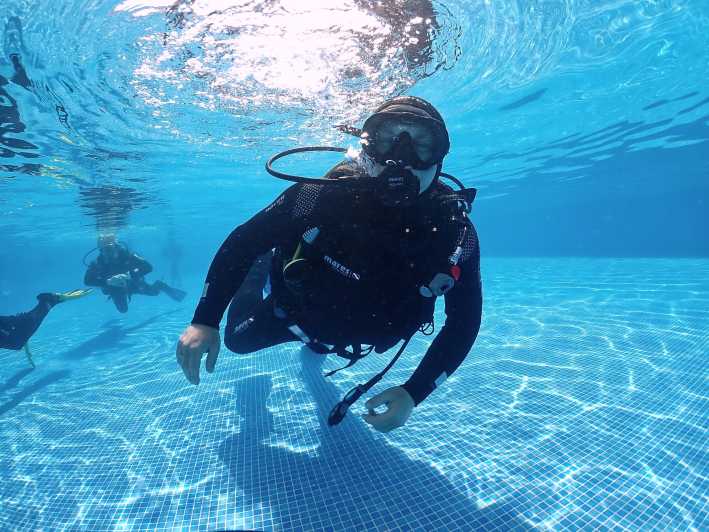
- Pool trial first so you get comfortable with breathing and the gear before open water
- Max 12 meters on a protected private reef for a controlled beginner-friendly outing
- Small group (up to 8) with close instructor attention during the whole session
- English instruction (and you may find instructors who can help with other languages too)
- Equipment included plus a participation certificate at the end
- Beginner-friendly wildlife spotting like octopuses, rays, cuttlefish, and moray eels
Pool First: how the lesson cuts the fear fast
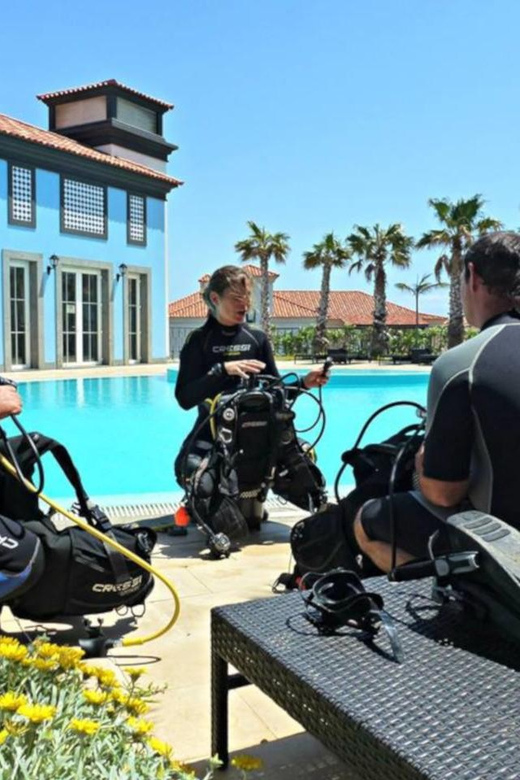
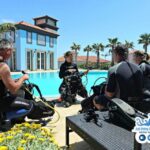
The experience follows a simple order: theory, then water practice, then the sea. You start with a short lesson that covers what to expect underwater and how the equipment should feel in your hands and on your body. The goal isn’t to impress you with jargon—it’s to get you ready to act, calmly, when you’re wearing the kit.
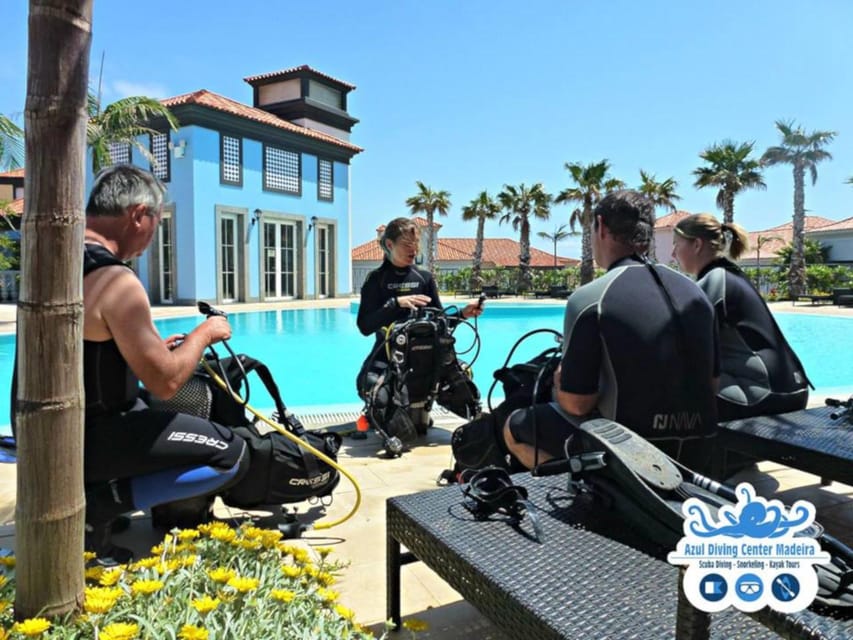
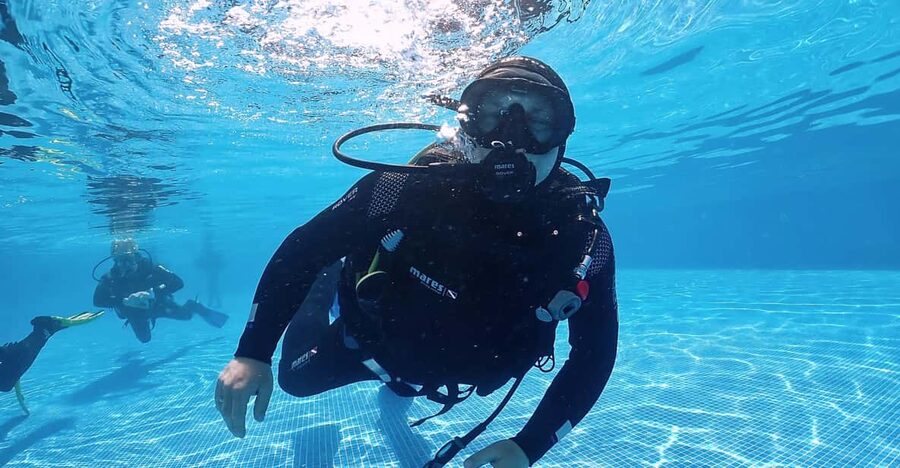
Then comes the part that most beginners appreciate: a trial session in a swimming pool. Instead of throwing you into cold, choppy conditions, you practice the basics in a shallow, controlled setting. By the time you’re back in the ocean, you’re not learning everything from scratch—just transferring skills to the real environment.
From the reviews, a recurring theme is nerves handled with care. Instructors named Nico and Doro are both praised for explaining clearly and staying close when someone feels unsure. That matters, because your comfort level changes how quickly you learn.
One practical note: if equalizing is tricky for you, you’ll want to mention it right away. People in the group have been helped when they couldn’t get it right at the beginning, so it’s okay if you’re not perfect on your first try.
You can also read our reviews of more tours and experiences in Madeira.
Ponta de São Lourenço reef at 12 meters: what you’re really paying for
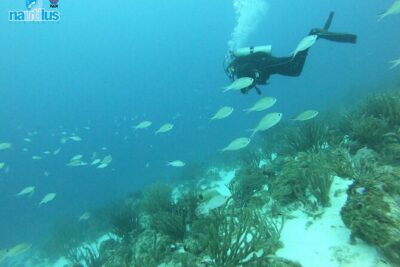
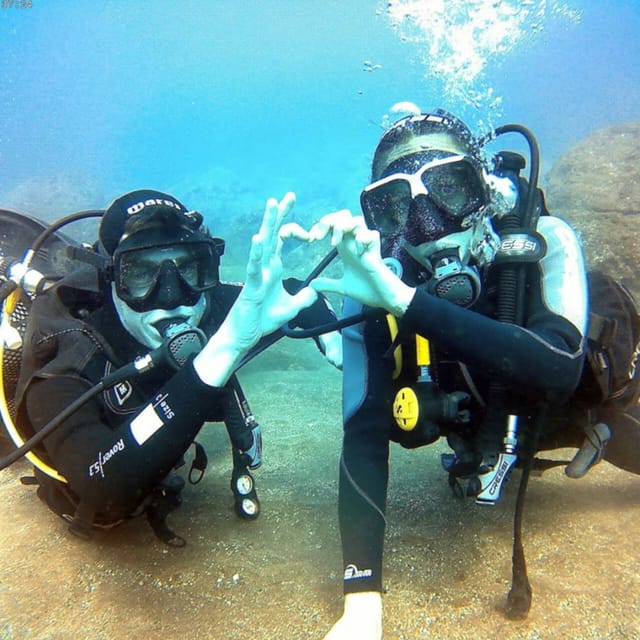
After the pool practice, you head out to a private reef in the Ponta de São Lourenço Protected Area. The ocean time is about 45 minutes, with a maximum depth of 12 meters—a limit designed to keep things manageable for first-timers.
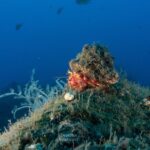
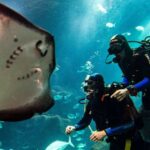
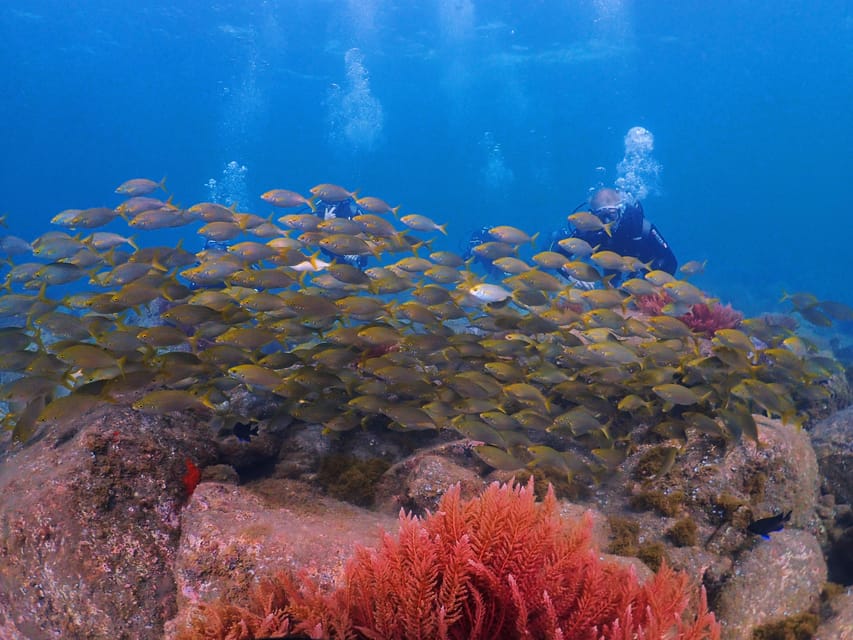
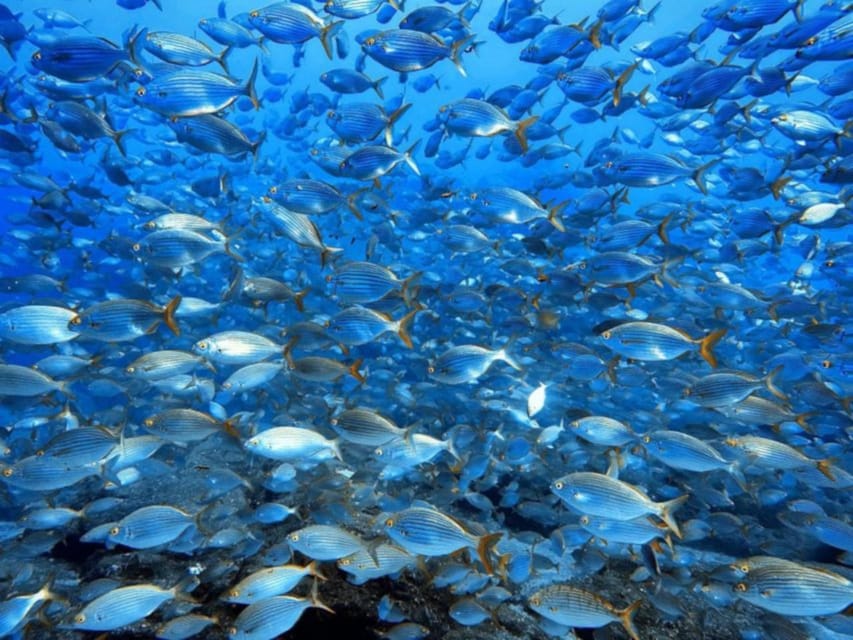
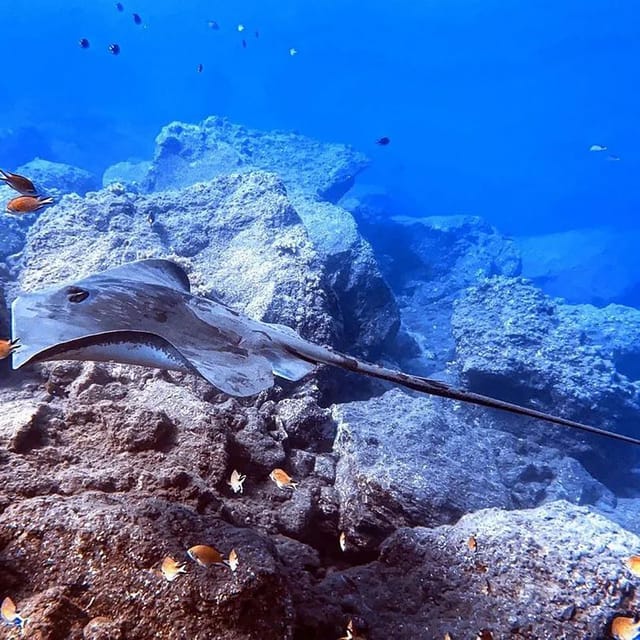
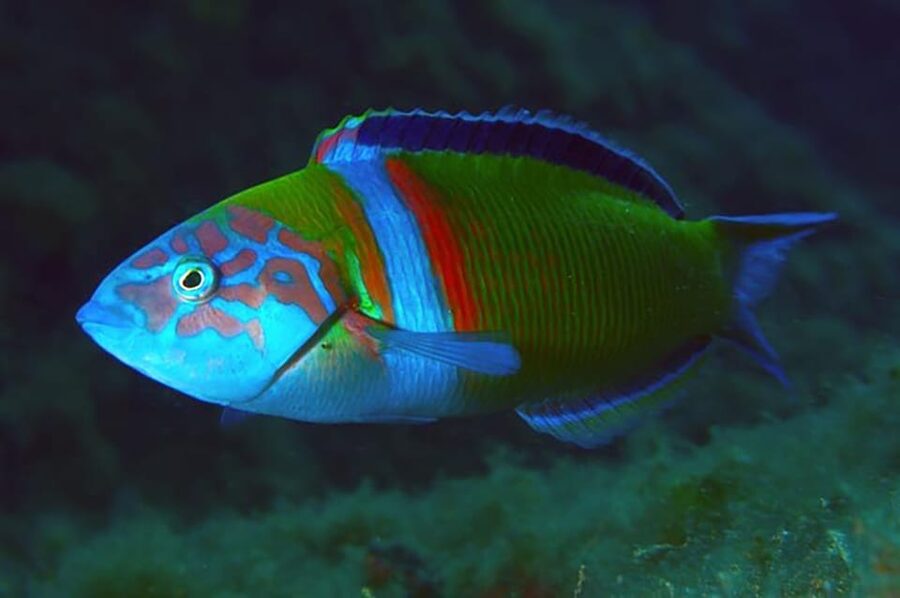
This is where the trip earns its keep. You’re not just “doing the activity.” You’re also getting a guided look at Madeira’s underwater neighbors. The tour info lists sightings that commonly include octopuses, parrot fish, young groupers, garden eels, trumpet fish, rays, cuttlefish, sea horses, and moray eels.
You should expect the experience to feel like a walk through a living museum—only the museum moves. You might drift along and catch glimpses, rather than expecting every animal to line up for a photo. That’s why the instructor’s route choices matter: the better your positioning, the easier it is to enjoy the reef without feeling rushed.
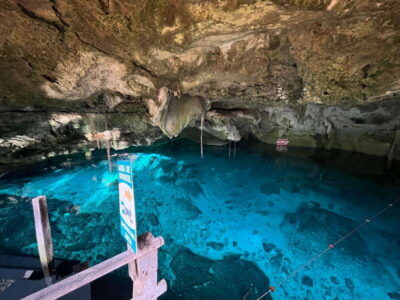
A neat bonus: one review mentions experiencing a natural cave-like area. You may or may not see anything that dramatic depending on conditions and timing, but it’s a reminder that this coastline can have interesting underwater features—not just flat rock.
Instructor style: safety talk that doesn’t talk down to you
Beginners don’t need volume. They need reassurance, clear steps, and someone watching your form—not just waiting for you to catch up.
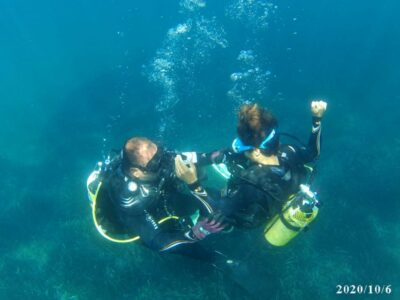
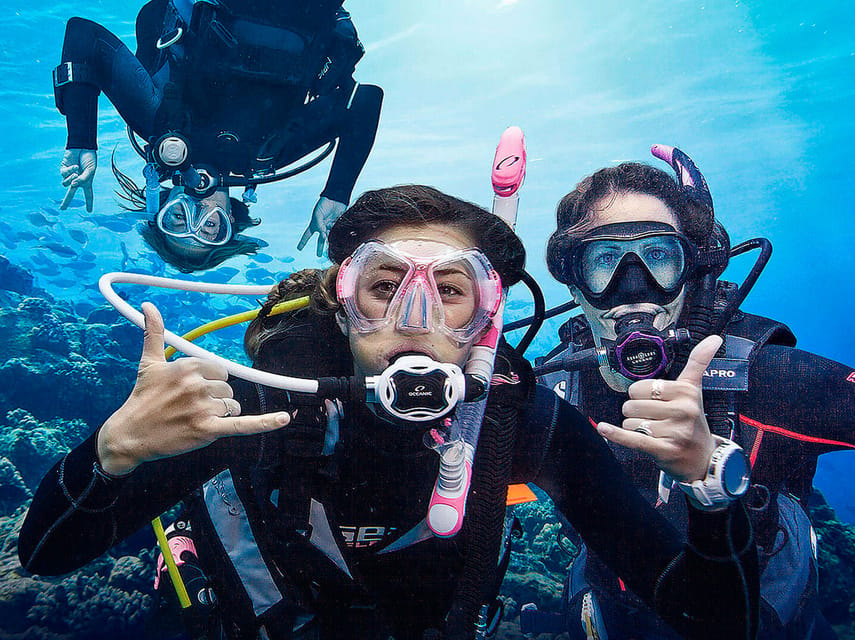
The instructors here are repeatedly described as present and encouraging. Nico gets specific praise for talking through safety precautions and explaining equipment use so beginners catch on quickly once in the water. Doro is also highlighted for being empathetic and keeping a careful eye on first-timers, including helping with issues like equalizing at the start.
You’ll also notice something else in the feedback: guides focus on comfort, not just competence. That means they tend to adjust their pace based on what you’re feeling. When it’s your first time, that emotional part is not “extra.” It directly affects how smoothly you breathe and how quickly you relax.
Language-wise, the session is listed as English with an English instructor. At the same time, some groups have noted language support beyond English. If you want specific language help, it’s smart to check when you book.
The 2–3 hour schedule, step by step (and what each part feels like)
This is a short trip, typically 2 to 3 hours total, so it fits well into a Madeira day without taking over your whole afternoon.
Here’s how the time usually breaks down:
1) Start at the marina area
You begin at Quinta do Lorde Marina, where you’ll find the team in the marina area among the boats. This matters because the easier the start is, the less stressful the rest feels. If you arrive early, you’ll have time to settle before your gear goes on.
2) Theory lesson
The theory portion is described as short. Think of it as the “what to do, where to look, how to breathe” section. You’re not sitting through hours of study—you’re getting the basics you’ll use almost immediately.
3) Pool trial
This is the practice run. You’ll learn how the equipment works while staying in shallow water. For first-timers, this step is the difference between enjoying the outing and spending the whole time trying to figure out your own breathing.
4) Ocean session (about 45 minutes)
Then you go out for the real underwater experience. You’ll explore the protected reef at up to 12 meters, aiming for a comfortable pace and a route that suits beginners. The goal is to see wildlife while keeping the physical experience controlled.
5) Participation certificate
At the end, you receive a certificate of participation. It’s not the same as a full diver license, but it’s a useful milestone. It also makes it easier to book future water activities because you can prove you completed a guided beginner course.
Gear and skills: what you should plan to practice
Equipment is included, so you don’t need to hunt for rentals before you arrive. The key is to show up ready to move and to follow instructions closely.
Here’s what you can do to make the session smoother:
- Wear swimwear. That’s the main item you’re told to bring, and it’s exactly what you’ll need once you’re at the water.
- Be honest about your comfort level. If you feel anxious, say so early. The better the instructor understands your mindset, the better they can help you settle.
- Expect a bit of learning on the spot. Even with pool practice, the sea adds movement and new sensations. That’s why having an instructor close by matters.
Also, small-group size is a big deal here. The group is limited to 8 participants, which means you’re less likely to feel like you’re “part of a crowd” and more likely to get individual attention.
Price and value: why $53 can make sense here
At $53 per person, this is priced in the “trying it for the first time” category. It’s not only a scenic boat outing. You’re getting a structured lesson, pool trial time, ocean time (about 45 minutes), all scuba equipment, and a participation certificate.
That bundle is the value. Lots of cheap experiences give you minimal coaching. Here, the coaching is built in: theory first, then hands-on practice, then the guided underwater section. For most beginners, the ability to learn in a pool reduces wasted minutes and increases the odds you’ll actually enjoy the ocean part.
Duration also matters for value. If you’re spending only 2–3 hours total, you can fit this around other Madeira plans. You’re not committing an entire day just to try something new.
One small drawback: food isn’t included. That doesn’t hurt the scuba value, but it does mean you’ll want to plan lunch or a snack before or after your session.
Who should book this beginners’ scuba experience in Madeira
This is a great match if you want a guided first experience with real coaching and a manageable depth limit. The pool start makes it especially good for people who feel uneasy about the equipment.
It’s also a good fit if you like hands-on learning. You’ll actively practice in water, not just watch someone demonstrate. And the promised wildlife list is a strong pull if you’re excited by marine life.
It’s not a fit if:
- you’re under 12
- you’re pregnant
- you have pre-existing medical conditions
- you can’t meet the requirement that some swimming ability is required
If you’re unsure about your medical situation, don’t guess. Check with a medical professional first.
Practical must-knows before you go
A few safety-related rules are worth putting on your radar now:
- You can’t fly within the next 12 hours after the experience for safety reasons.
- Some swimming ability is required.
- You should bring swimwear.
Also, keep in mind the experience is scheduled with set starting times (it’s listed as 2–3 hours depending on availability). If you have another commitment right afterward, leave some buffer.
Should you book this scuba training in Ponta de São Lourenço?
Book it if you want a structured first underwater experience with pool practice, a guided protected reef visit, and instructors who focus on clear instruction and calm reassurance. The fact that the group is small (up to 8) and you get equipment plus a participation certificate makes this a solid deal for Madeira.
Skip it if you don’t meet the swimming requirement, if you fall into the listed medical or pregnancy categories, or if you need to fly the next day. If you’re the “I want to try it once and be done” type, this likely feels perfect. If you’re the “I want to learn for real and keep going” type, treat this certificate as step one toward more adventures.
If you decide to go, show up rested, tell your instructor honestly how you feel, and let the first pool session teach you the rhythm. That’s the fast track to enjoying Madeira from the other side of the glass.
FAQ
How long does the experience last?
The total duration is about 2 to 3 hours, with approximately a 45-minute session in the ocean.
Where does the tour start?
You meet at Quinta do Lorde Marina, in the marina area where the boats are.
How deep do you go?
You’ll dive to a maximum depth of 12 meters.
Is there pool practice before the ocean?
Yes. You’ll do a trial session in a swimming pool before going into the sea.
What’s included in the price?
Included are the theory lesson, the pool trial, the ocean session (about 45 minutes), scuba equipment, and a certificate of participation.
What should I bring?
Bring swimwear.
Do I need to be able to swim?
Yes. Some swimming ability is required.
Is food included?
No, food isn’t included.
Who is this not suitable for?
It’s not suitable for children under 12, pregnant women, or people with pre-existing medical conditions.
Can I fly after the experience?
Flying isn’t allowed in the next 12 hours after the experience for safety reasons.