REVIEW · CAIRNS
Cairns: 4-Day PADI Open Water Course
Book on GetYourGuide →Operated by Divers Den · Bookable on GetYourGuide
Reef training starts with simple tests. This 4-day PADI Open Water course with Divers Den in Cairns takes you from pool skills and classroom work straight to the outer Great Barrier Reef with full equipment and transfers. I like that it’s run as a small group (up to 10), so you get real attention, not just a quick briefing.
What also works for me is that everything diving-related is handled for you: PADI materials, rental gear, air fills, and instruction are all baked into the price. One thing to consider up front: you must meet the medical questionnaire requirements before you can train, and if you answer yes to any questions you may need a physician’s clearance.
In This Review
- Key things to know before you go
- Cairns to the Outer Reef: what makes this course click
- Day 1 in Cairns: paperwork, theory, and the first pool check
- Day 2: 200m swim test, more skills, and the exam
- Day 3: Cairns Marlin Marina to your first outer-reef training session
- Day 4: finishing the certification setup on the second reef day
- Coral, sea life, and the rules that keep it all safe
- Price and value: what $704 covers (and why that matters)
- What to bring, and what to skip
- Who this course is best for
- The biggest practical wins (and the realistic tradeoffs)
- Should you book the Cairns PADI Open Water Course with Divers Den?
- FAQ
- What’s the duration of the Cairns PADI Open Water Course?
- How much does the course cost?
- What certification can I earn?
- What’s included in the price?
- Do I get picked up from my accommodation?
- What tests do I have to pass?
- What’s the minimum age, and is it suitable for pregnancy?
- What should I bring?
Key things to know before you go
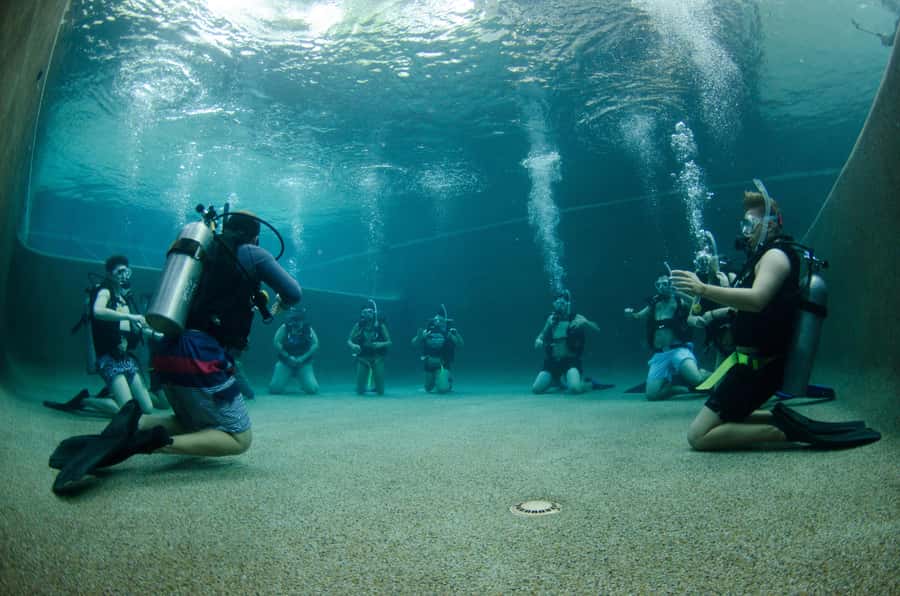
- Two days of pool + theory to build real control before you ever head offshore
- Two outer-reef day trips with training sessions focused on skills, not just sightseeing
- All scuba and snorkel gear plus air fills included, which keeps your costs predictable
- Small group size (max 10), which helps instructors spot issues early
- Test-based progression: you’ll need to pass a tread-water test and a 200m swim
Cairns to the Outer Reef: what makes this course click
Cairns is a good place to learn because it’s built for reef training. You’re not trying to “figure it out” on your own. You’re starting with basics in a controlled setting, then moving out to the reef once your skills are on track.
This course is attractive because it follows the usual beginner logic, but with a tight schedule: pool and theory first, then two full day trips to the outer reef. You get four open-water training sessions across those reef days, which is the structure you need for the PADI Open Water Diver certification process.
I also like that the course includes the non-glam parts. You’re given chilled water, tea, and coffee, and you’re not constantly worrying about where to get gear or how to arrange transfers. When a beginner course is this organized, your brain can focus on buoyancy, breathing, and staying calm.
The overall vibe, based on the instructor feedback, is safety-first and methodical. For example, one instructor named Matt is singled out for patience and clear explanations, plus practical tips for the exercises. Another instructor, Catalina, gets credit for keeping safety as the priority while still making training feel fun and confidence-building.
You can also read our reviews of more tours and experiences in Cairns.
Day 1 in Cairns: paperwork, theory, and the first pool check
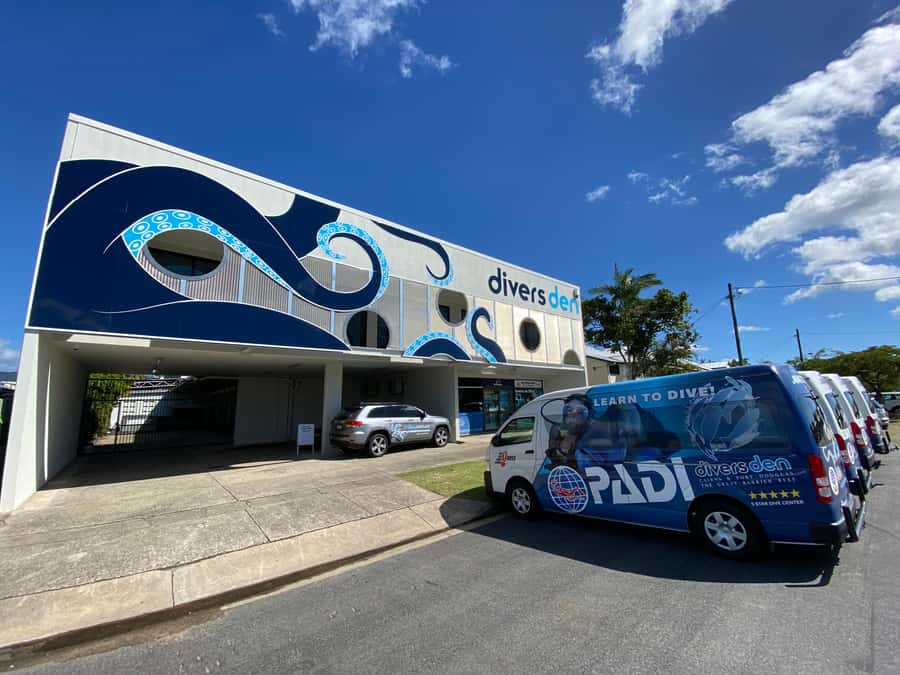
Day 1 starts either with pickup from select Cairns CBD accommodation or by making your own way to the dive centre. You’ll meet your instructor, complete paperwork, and start the theory portion.
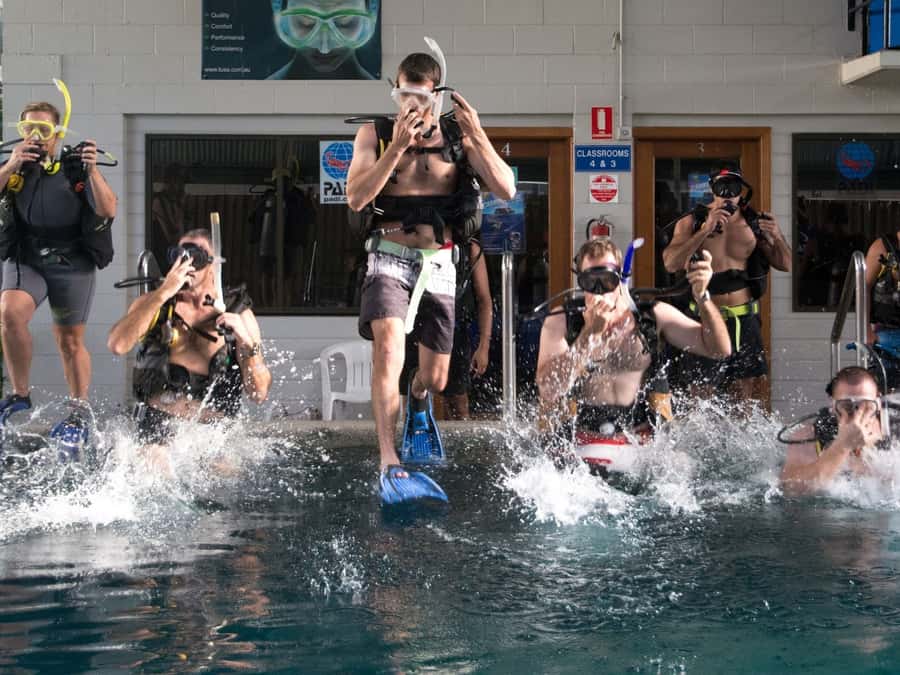
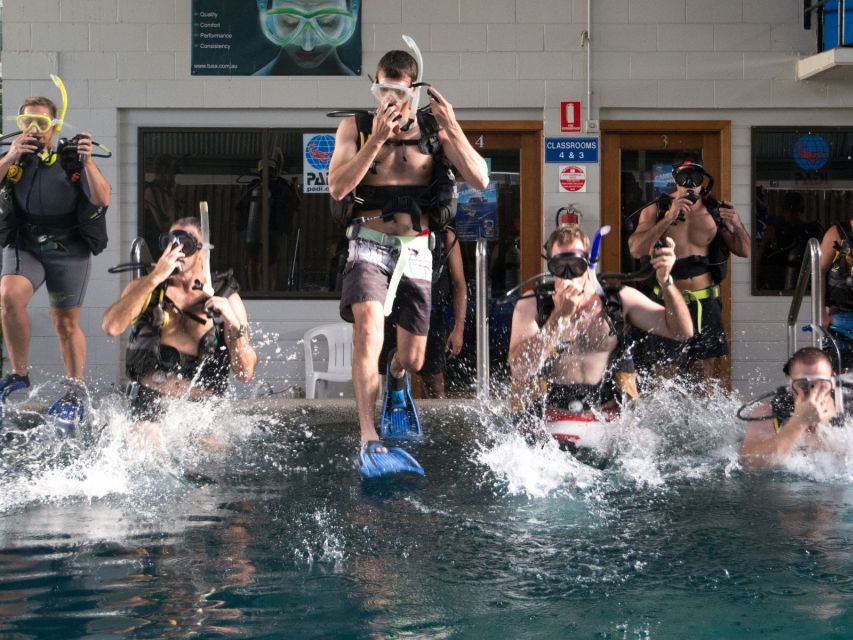
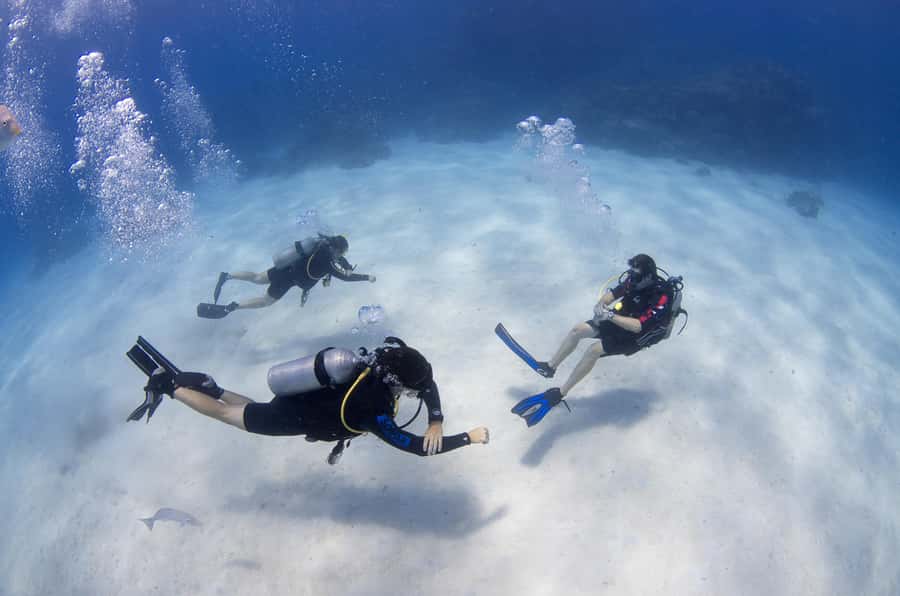
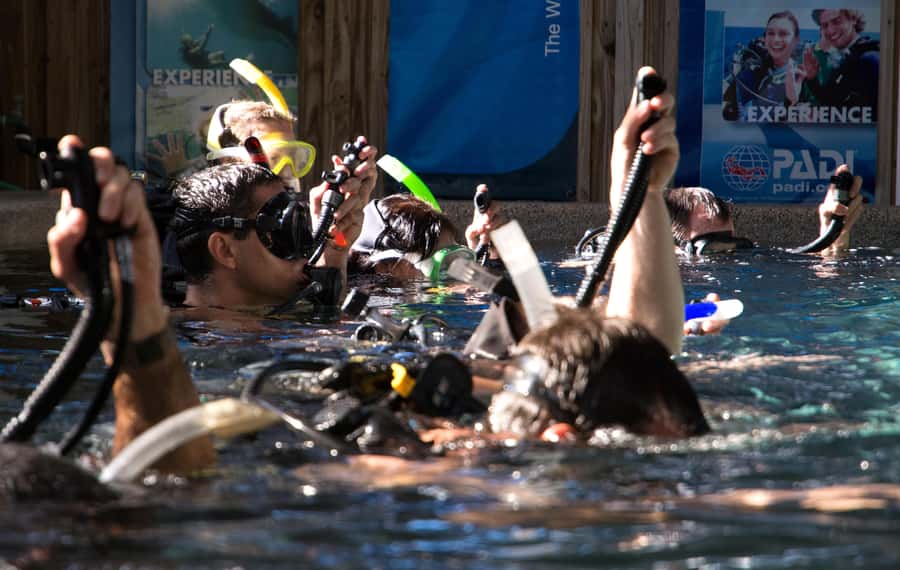
After a lunch break (lunch isn’t provided), you move into pool training. The pool day is where you learn what the gear feels like and how your body behaves with scuba equipment on. This is the part many people underestimate. It’s not just “getting in water.” It’s learning how to manage breathing, body position, and staying in control when you’re not yet an underwater natural.
You’ll also complete the tread-water test on Day 1. It’s not about being an athlete; it’s about proving you can handle yourself calmly for long enough while adjusting to the equipment and the environment. Plan to treat this as a warm-up for the mental side of the course: stay relaxed, move slowly, and don’t fight the water.
By the end of Day 1 you finish around 5:30pm, which is a nice early wind-down for your first day. You’ll be tired, but in the good way—like you worked, learned a lot, and got organized fast.
Day 2: 200m swim test, more skills, and the exam
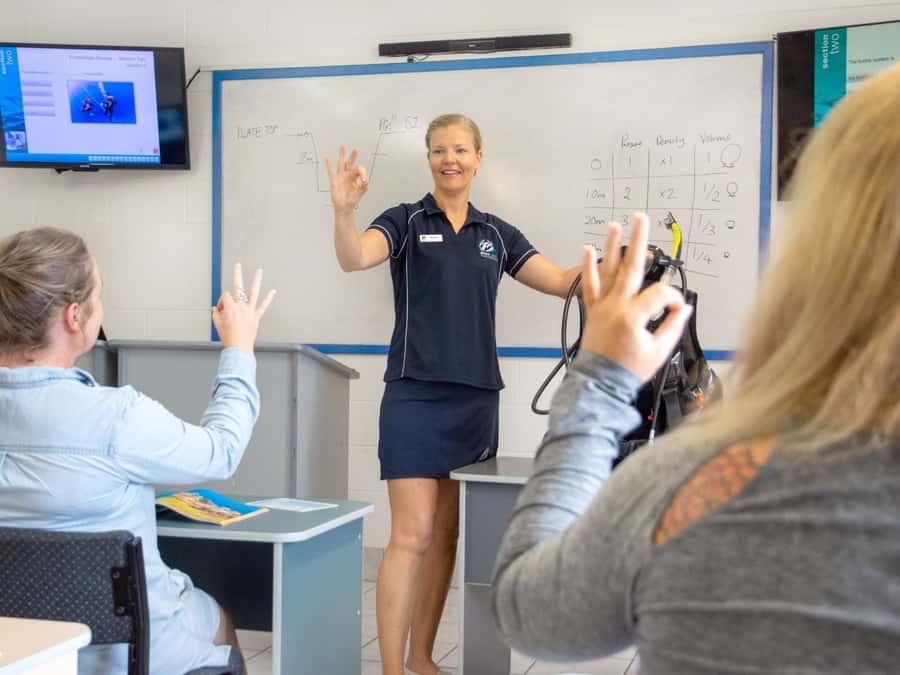
Day 2 again uses either pickup from select Cairns City accommodation or your own transport to the dive centre. You’ll continue pool training and practice additional skills. This is where the “I understand it” feeling becomes “I can actually do it.”
Next up: the 200m swim test. If you’re feeling nervous about it, the best mindset is to focus on steady pace instead of speed. The goal is consistency and control, not proving you’re the fastest person in the pool.
After pool work and lunch (lunch isn’t provided), you’ll finish the theory portion and complete a multiple-choice exam. This is a common beginner friction point: people expect the underwater part to be the hard one, but the theory helps keep you safe out on the reef. The exam is your confirmation that you’ve got the key rules and concepts down.
You’ll likely leave Day 2 with a clearer picture of what kind of scuba training you respond to best—slow practice, lots of repetition, or learning through direct feedback. That matters, because it affects how your reef day feels.
Day 3: Cairns Marlin Marina to your first outer-reef training session
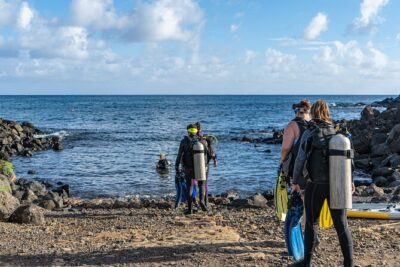
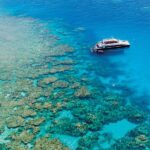
On Day 3 you board at Cairns Marlin Marina. Expect an approximate 90-minute cruise out to the outer reef. If you’re the type who gets motion-sick, this cruise is the time to prepare—bring your usual motion-sickness strategy, because you’ll be transitioning from land routine to open-water conditions.
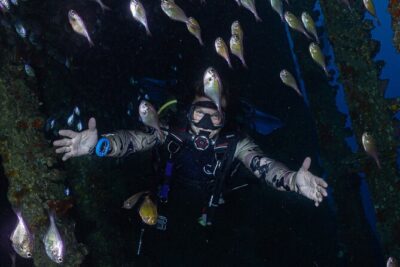
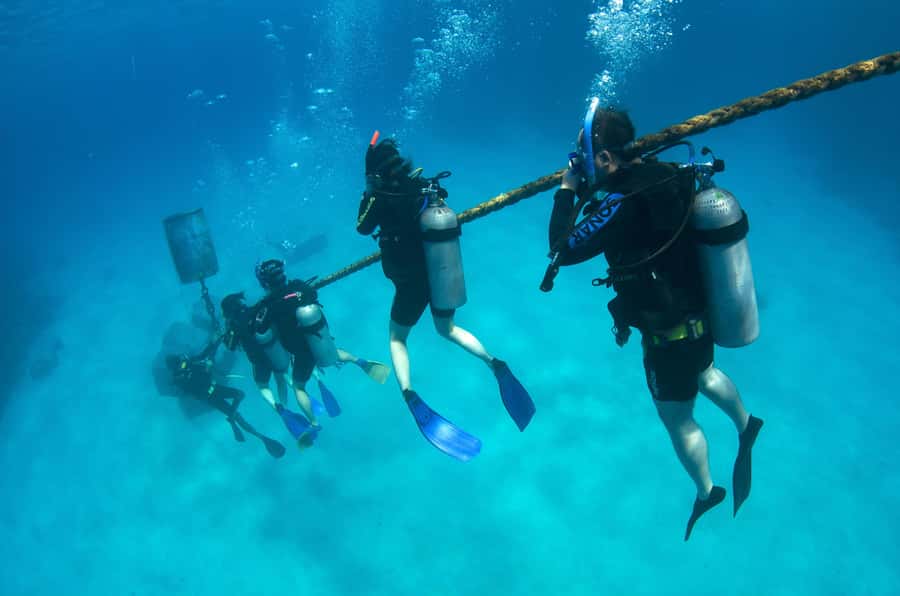
Once you reach the reef, you get a briefing, gear up, and then start your first open-water training session. The course is designed so you don’t leap straight into “look at coral” mode. You work on skills you practiced in the pool, but now you’re dealing with changing conditions, depth changes, and real visibility.
After that, there’s a second session where you refine your skills and also practice snorkelling. That combination is useful. Even if you end up loving the scuba side, being comfortable on the surface and switching between modes helps you stay relaxed. Plus, it’s a different way to experience the reef without the added complexity of depth.
After completing the fourth training session (counted across the course’s reef days), you’ll have the chance to become a certified PADI Open Water Diver. If you pass, it’s a big personal milestone. Not because it’s flashy, but because it turns a bucket-list goal into a real skill set you can repeat safely.
The ship returns to Cairns around 4:30pm.
Day 4: finishing the certification setup on the second reef day
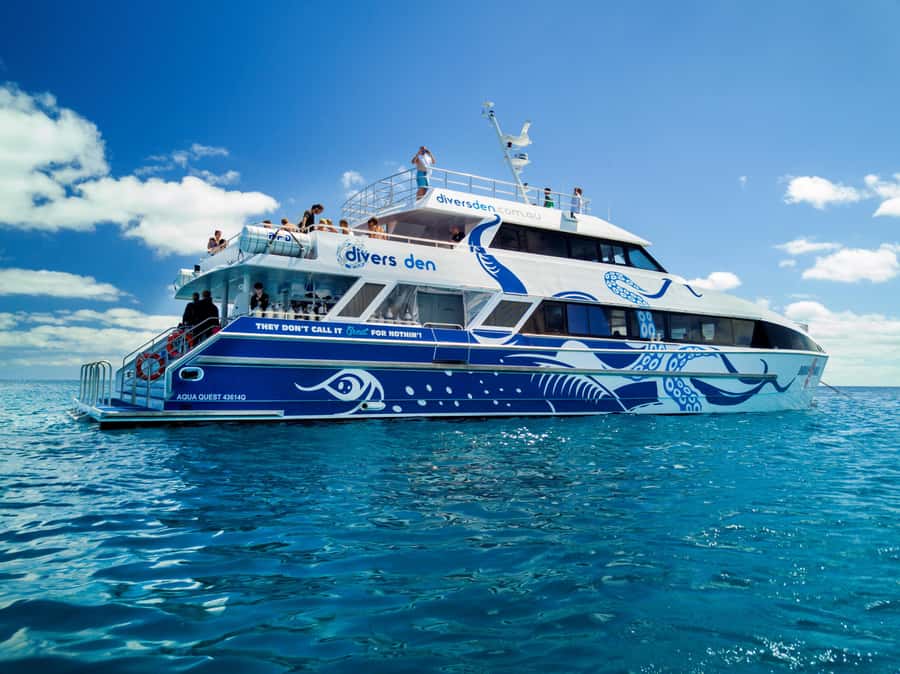
The course is built around two full-day outer reef trips, and that second reef day is where you consolidate everything. Day 3 gives you early confidence and skill refinement; the final day is where the pattern matters—practice, feedback, correct course, repeat—until your four required open-water training sessions are completed.
Even if you’re already comfortable in the water, the reef day is still a training environment. You’ll be expected to apply what you learned in the pool: calm breathing, buoyancy control, and following instructor directions when conditions shift.
Why this matters: beginners often think the “hard part” is learning the movements. The real challenge is doing those movements while your senses are overloaded by the ocean and the marine life. A second reef day gives you a second chance to put it all together under guidance.

Coral, sea life, and the rules that keep it all safe
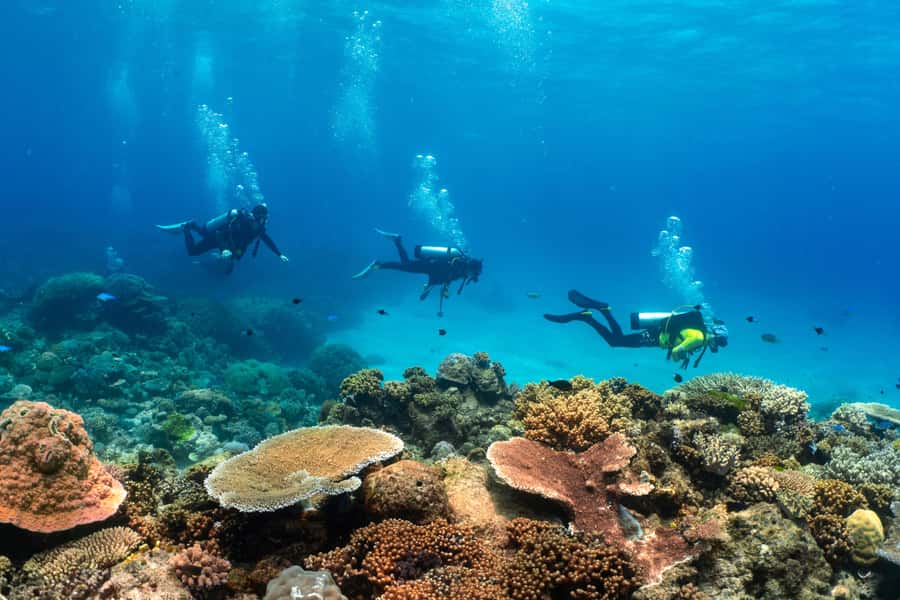
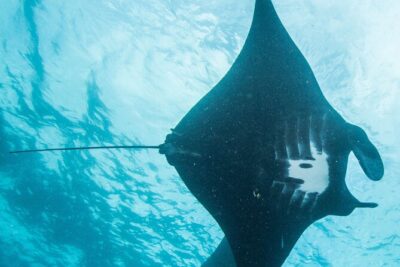
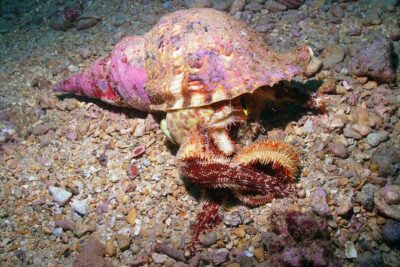
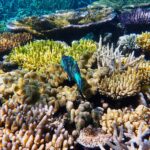
You’re going for the reef, and you’ll get it—this course is specifically set up for amazing coral and sea life in some of the best outer reef locations.
At the same time, the activity rules are clear that you’re not there to touch. You’re not allowed to touch marine life, and that’s a good thing. In training environments, the priority is safe distance, good buoyancy, and not damaging anything fragile. It also makes the whole day feel more respectful and less chaotic, which helps beginners concentrate.
So yes, you’ll see plenty. But the course experience is also about learning how to watch the reef without disturbing it.
Price and value: what $704 covers (and why that matters)
At $704 per person for a 4-day course, the price sounds “not cheap.” But for beginners, the value equation often hinges on what’s included. In this case, key costs are already covered:
- PADI materials
- Dive and snorkel equipment (including air fills)
- Full tuition and instruction
- Two full-day outer reef day trips
- Transfers from select Cairns CBD accommodation
That inclusion is a big deal. When you’re learning, you don’t want surprise add-ons. Gear rentals plus air fills plus reef trip costs can add up fast if you book them separately.
Also, the small group format helps justify the cost. With up to 10 people, you’re more likely to get fast corrections, not just “good luck out there.” Based on feedback about instructors like Matt and Catalina, the teaching style is clearly a selling point—patience, clear explanation, and a strong safety focus.
One practical note on value: lunch isn’t provided on Day 1 or Day 2. That’s not a deal-breaker, but it’s part of the real-world budgeting.
What to bring, and what to skip
You’ll want to show up ready for sun and water training. The essentials:
- sun hat
- swimwear
- towel
- sunscreen
- jacket
Bring a little common sense too. The reef day starts with a cruise, and even if the water looks inviting, wind and sun can wear you down. Your jacket helps you stay comfortable on the boat and between sessions.
You should also know what’s not allowed. Drones, weapons or sharp objects, pets (assistance dogs allowed), smoking in the vehicle, and lots of other safety-related restrictions are listed. There are also explicit rules against touching marine life and against getting intoxicated.
None of this is meant to be annoying. For a beginner course, these boundaries keep things smooth for everyone and reduce distractions around equipment and underwater safety.
Who this course is best for
This is an entry-level course aimed at people who want to become a PADI Open Water Diver through structured training.
It fits you if:
- you’re new to scuba and want step-by-step support
- you can pass the fitness checks (tread water and 200m swim)
- you want two classroom/pool days plus two outer-reef days, all managed for you
It may not fit you if:
- you can’t meet the medical questionnaire requirements
- you’re under 12 (minimum age is 12)
- you’re pregnant (not suitable)
If you’re unsure about medical eligibility, check the Can I Dive page on Divers Den’s website before you commit. It can save you time and stress later.
The biggest practical wins (and the realistic tradeoffs)
Here are the parts I’d consider “wins” for most first-timers:
- You get two pool days to build muscle memory and comfort before reef conditions
- You get instructor time in a small group, which helps the course feel personal
- You leave with not just a certification goal, but the skills to handle real training scenarios responsibly
The main tradeoff is scheduling and effort. You’re doing multiple training days and you’ll need to show up prepared to swim, learn, and follow safety instructions closely. If you’re hoping for a casual holiday swim-and-snorkel only plan, this isn’t that.
Also, on Day 1 and Day 2, lunch isn’t included. Build that into your day so you’re not scrambling when you’re already tired.
Should you book the Cairns PADI Open Water Course with Divers Den?
If your goal is PADI Open Water Diver certification and you want it done the right way—pool skills first, theory taught clearly, then outer reef sessions with proper equipment—this course is a strong choice.
Book it if:
- you like structured learning and clear feedback
- you’re comfortable with the idea of fitness checks
- you want reef time that’s built around training, not just looking
Skip or pause if:
- the medical questionnaire might be an issue for you (start by checking requirements early)
- you’re not ready for two full days of pool and classroom work before the reef
I’d also add this: instructor support is a huge part of whether you enjoy the course or dread it. Based on the named instruction praise (Matt for patience and clear explanations; Catalina for safety focus and fun professionalism), you’re likely to be guided well through the beginner moments that matter.
If you’re ready to learn scuba skills with real coaching in Cairns, this is the kind of course that can turn a first-time thought into a skill you’ll use long after you leave the reef.
FAQ
What’s the duration of the Cairns PADI Open Water Course?
It runs for 4 days.
How much does the course cost?
The price is $704 per person.
What certification can I earn?
You can work toward becoming a PADI Open Water Diver.
What’s included in the price?
Included: all PADI materials, dive and snorkel equipment (including air fills), full tuition, refreshments (chilled water, tea, and coffee), two outer reef day trips, and transfers from select Cairns CBD accommodation.
Do I get picked up from my accommodation?
Yes, transfers are included from select Cairns CBD accommodation. If your hotel isn’t on the pickup list, you can make your own way to the dive centre.
What tests do I have to pass?
You must be able to pass a 200m swim and a 10-minute treading water test.
What’s the minimum age, and is it suitable for pregnancy?
The minimum age is 12. It is not suitable for pregnant women.
What should I bring?
Bring a sun hat, swimwear, towel, sunscreen, and a jacket.