REVIEW · TENERIFE
Tenerife : Diving License international in one day
Book on GetYourGuide →Operated by Meerjungfrau Apnoe Akademie ES · Bookable on GetYourGuide
First scuba skills in one day feel doable. In Abades, Tenerife, this right off the beach CMAS Scuba Diver course mixes quick theory with two guided underwater sessions, so you practice right away, and the training stays max 2 in a private group (or even one-on-one).
The best part is how quickly you go from dry drills to real water skills with close coaching. The one thing to keep in mind: you must complete the required practical exercises in the water to pass, so this is not a casual try-it-and-hope course.
In This Review
- Key things I’d bet on before you book
- Abades, Tenerife: a one-day path to a CMAS Scuba Diver license
- The 4-hour flow: theory first, then two underwater sessions off the beach
- What you actually learn: from tank handling to hovering skills
- Marine life in Tenerife: fish, starfish, and the sea turtle factor
- Small-group coaching in Spanish, German, and English
- What’s included in the $259 package (and what you’ll still need)
- Who should book (and who should skip this one-day course)
- Quick practical tips before you show up
- Should you book the one-day CMAS course in Abades?
- FAQ
- How deep can I go with the CMAS Scuba Diver license?
- Do I need previous scuba experience?
- What is the minimum age for the course?
- What’s included in the price?
- Is transportation included?
- How long after the course should I avoid flying?
Key things I’d bet on before you book
- One-day goal with a real certification target: two guided underwater sessions plus theory to earn the CMAS Scuba Diver (recognized internationally) with a 12-meter depth limit under supervision.
- Beach-based training pace: you’ll do sand drills and then apply the same skills right in the water off the coast in Abades.
- Private coaching (max 2): you get faster feedback, more chances to ask questions, and a calmer pace if you’re a little nervous.
- Skills that actually transfer worldwide: safety topics, buoyancy/hovering, orientation, pressure equalizing, safe surfacing, and gear care.
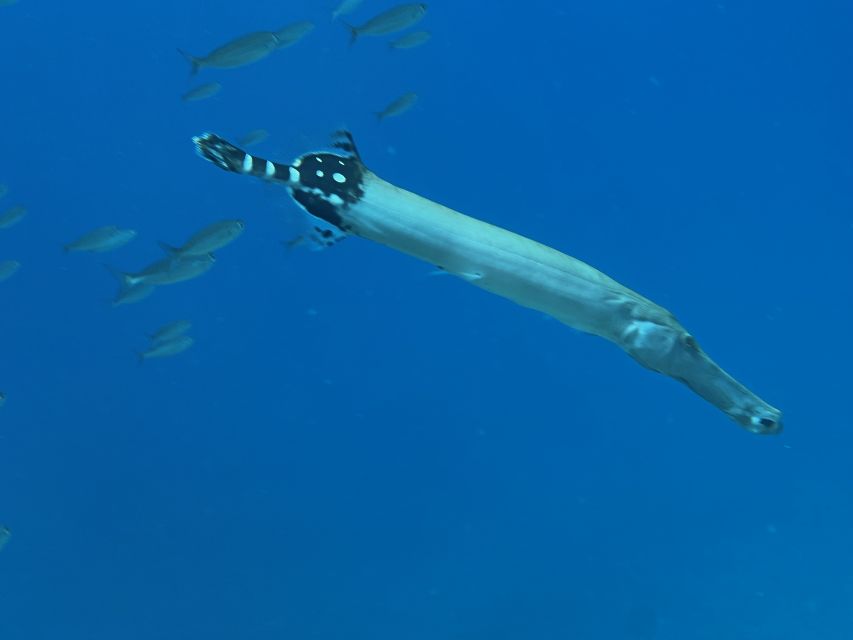
- Marine life odds are real: fish, reefs, starfish, and a good chance of a sea turtle encounter, with photos included.
- The package is practical: full equipment, neoprene, tank, license fee, accident insurance, and underwater photos are part of the price.
Abades, Tenerife: a one-day path to a CMAS Scuba Diver license
If you want scuba training without the “wait for a big multi-day trip” feeling, this one-day course is built for you. It’s based in Abades, on Tenerife’s south coast, where the training happens in a way that beginners can actually handle: instruction, practice, and then immediate application.
The headline is your CMAS Scuba Diver certification. That matters because it’s not just a sightseeing outing. This course is designed to teach you enough technique to do scuba with a maximum depth of 12 meters (40 feet) while under supervision. That’s a big difference from a first-time experience that ends after a single watered-down session.
Price-wise, $259 per person can look like a lot until you count what’s included. You’re not paying separately for instructor time, gear rentals, a tank, a license fee, accident coverage, and photos. The value here is that the package removes a bunch of the usual “extras” that quietly inflate scuba costs.
You can also read our reviews of more tours and experiences in Tenerife.
The 4-hour flow: theory first, then two underwater sessions off the beach
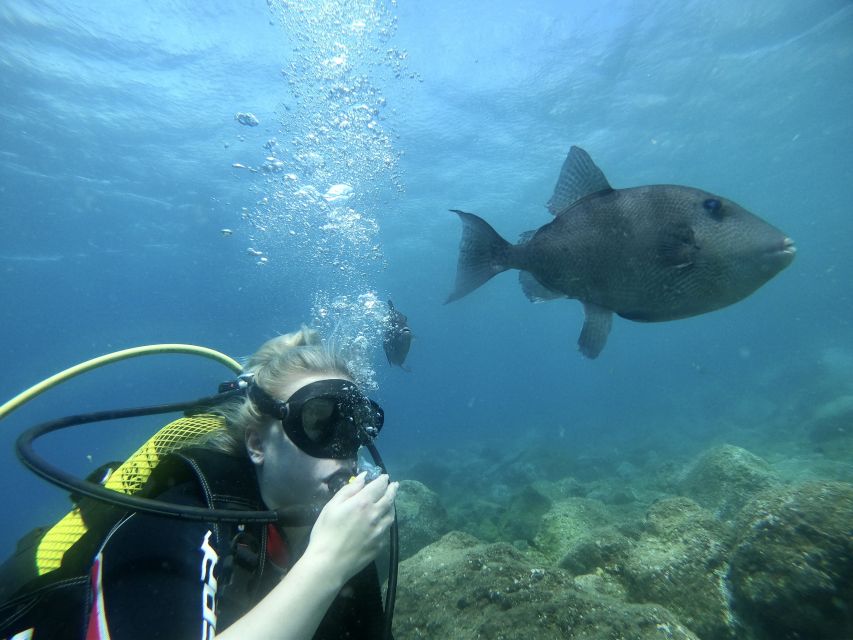
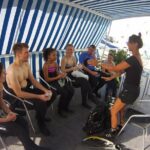
The course is scheduled for about 4 hours total. You’ll start with theory, then you’ll move into hands-on skills through dry practice (in the sand) and wet practice (in the water). The rhythm is simple on purpose: learn one skill, practice it immediately, then repeat with safer form and better control.
Here’s what this means for you in real terms:
- You’ll learn the basics of the equipment and body position, not just the “look this way” choreography.
- You’ll do dry exercises where you can focus on technique without water pressure and without the stress of being watched while floating.
- Then you’ll move into wet exercises where you apply the same technique for real.
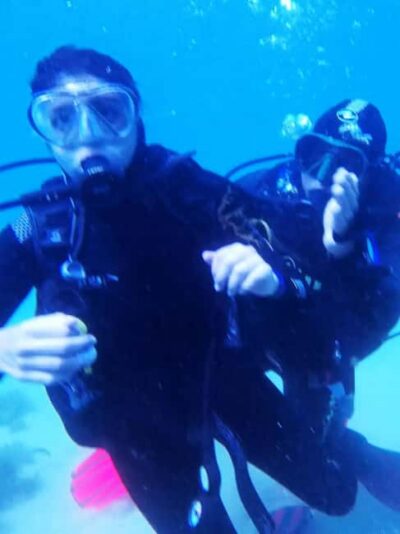
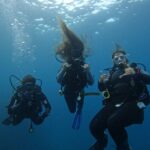
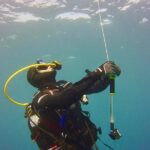
The training includes two underwater sessions. You can think of them as “practice rounds” where you use what you just learned and get coached on small adjustments—things like staying level, controlling movement, and managing breathing and buoyancy.
One more detail: the course is described as starting together on a wonderful underwater session in a national park. You’re not stuck with a generic pool-style training vibe. The goal is for your first certification day to also feel like Tenerife underwater life.
What you actually learn: from tank handling to hovering skills
Beginners often picture scuba as “just swimming with a tank.” That’s not what you’re taught here. You’re taught how to control yourself so you don’t fight the ocean.
You’ll work through core skills tied to the CMAS Scuba Diver level, including:
- Safety-related topics for diving/scuba
You’ll cover the fundamentals so you understand what can go wrong and what proper technique prevents.
- Balancing, hovering, and orienting underwater
This is huge for comfort. When you can hover and control your body position, you stop fighting the water and start enjoying what’s around you.
- How to equalize pressure
Pressure equalizing is one of the skills that can make or break a first certification attempt, so expect real coaching rather than guessing.
- How to dive properly and safely resurface
You’ll learn the mechanics of safe ascent and how to stay controlled until you’re out.
- Underwater movement that protects nature
You’ll learn what matters for not damaging reefs and habitats. This isn’t just moral talk—it’s practical technique.
Equipment handling is also part of the training. The course focuses on how to deal with your material and take care of it, because good care prevents problems later when you start doing independent dives/scuba outings.
Marine life in Tenerife: fish, starfish, and the sea turtle factor
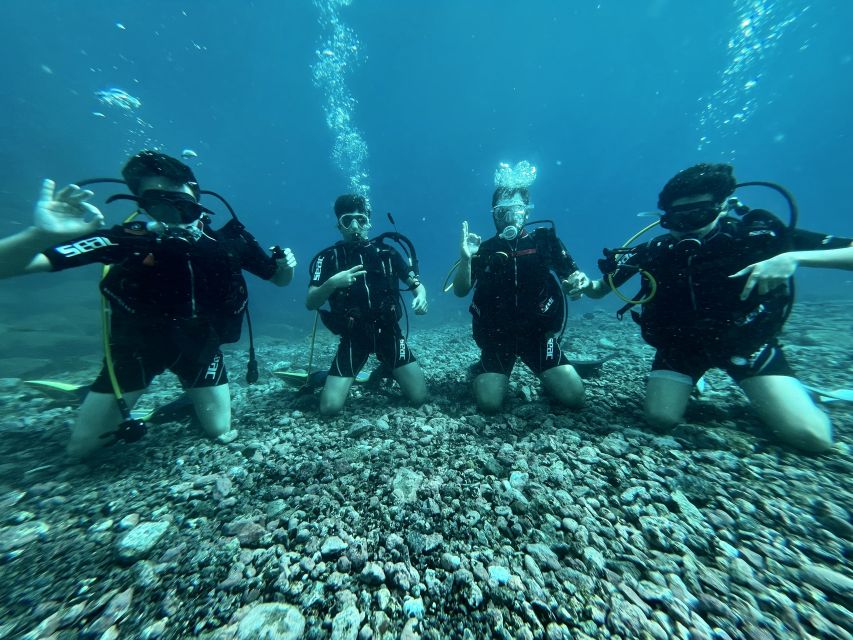
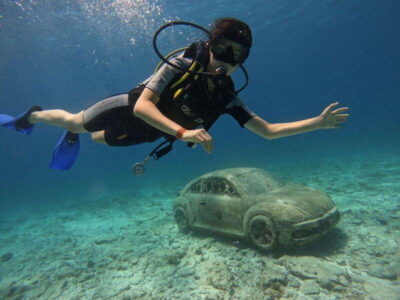
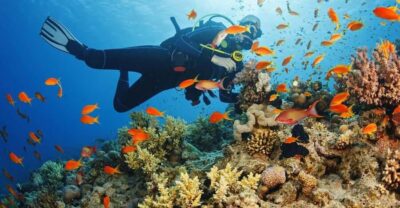
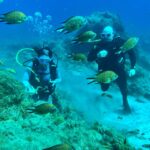
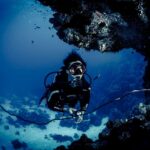
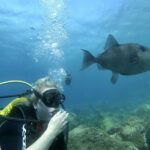
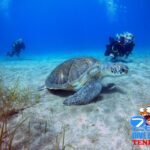
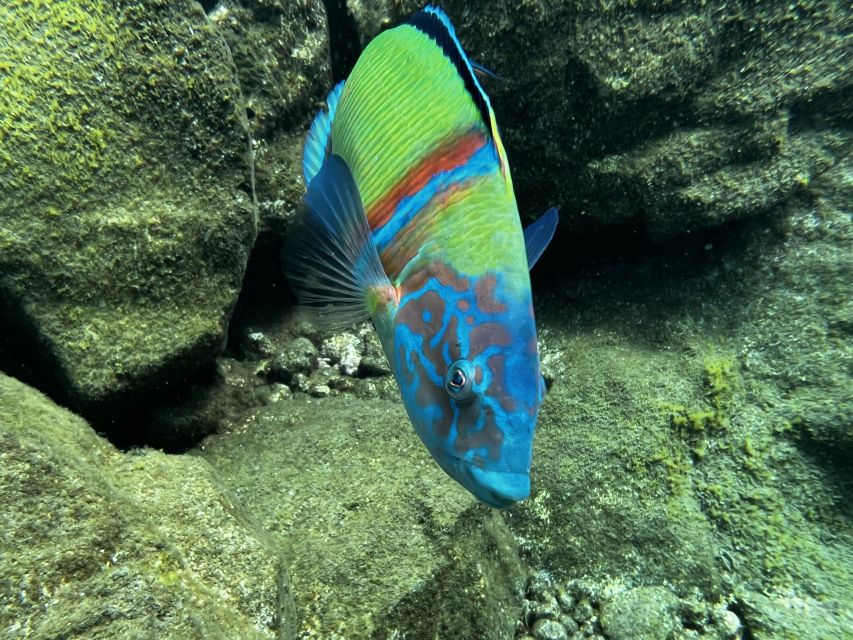
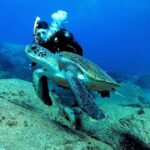
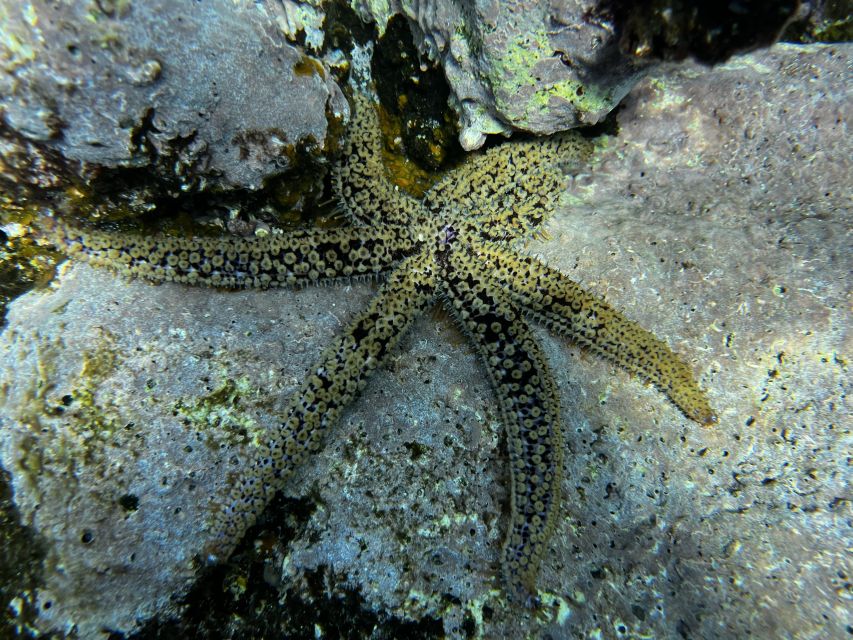
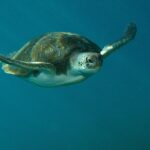
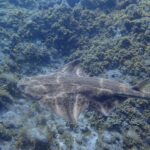
The highlights are pretty clear: you’ll get to experience Tenerife underwater life and see creatures like fish, turtles, starfish, reefs, and more. For a first certification, that’s a real win. It means you’re not only learning skills—you’re also getting the payoff that makes people fall in love with scuba.
Why this course works well for beginners is the setting. The training is described as being right off the beach, and that typically means you can build confidence quickly. You practice control near easy access points, then you use those skills during the guided underwater sessions.
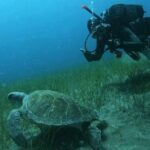
Also, a sea turtle sighting has come up in the feedback. There’s always an element of luck with wildlife. Still, the course’s “good chance” positioning is believable when you’re doing your training where marine life is common.
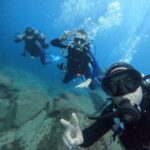
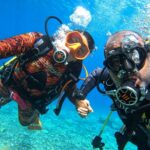
And yes, you don’t have to scramble afterward to find photos. Underwater photos are included, and at least some participants report they also received video memories.
Small-group coaching in Spanish, German, and English
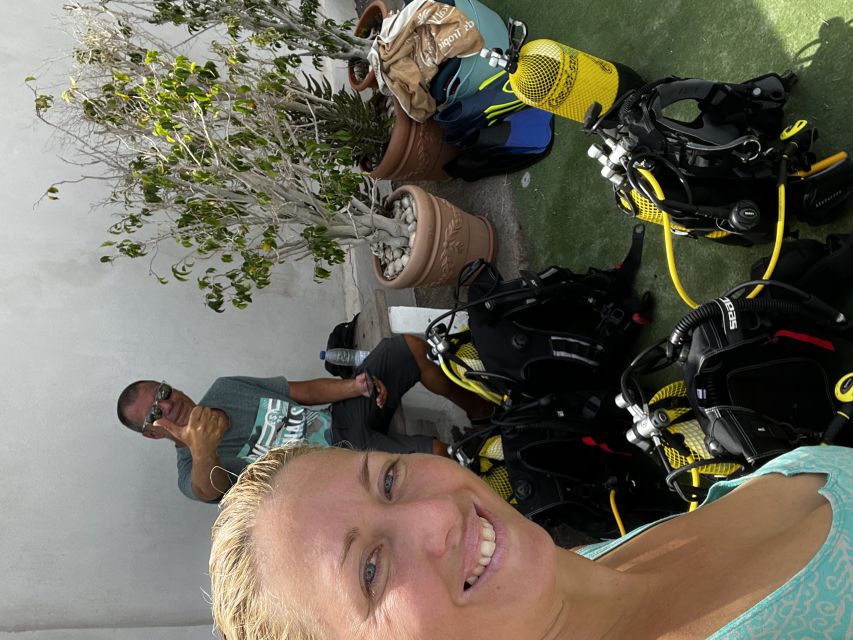
The course is offered as a private group with a maximum of two people, and it’s also available one-on-one. That changes everything.
In a small setup:
- You don’t lose time waiting your turn.
- Your instructor can watch your buoyancy and posture closely.
- If you get spooked by a skill, you can slow down and fix it safely.
The instruction is available in Spanish, German, and English. In the participant feedback you can see how much people appreciate the instructors’ calm, supportive tone. Names that appear include Natalie and Andres/Andre—and that lines up with the idea that the team is hands-on and focused.
If you’re traveling solo, this private format can feel like the “best version” of a beginner course. If you’re coming with a partner or friend, it still stays personal, since max 2 keeps the attention level high.
What’s included in the $259 package (and what you’ll still need)
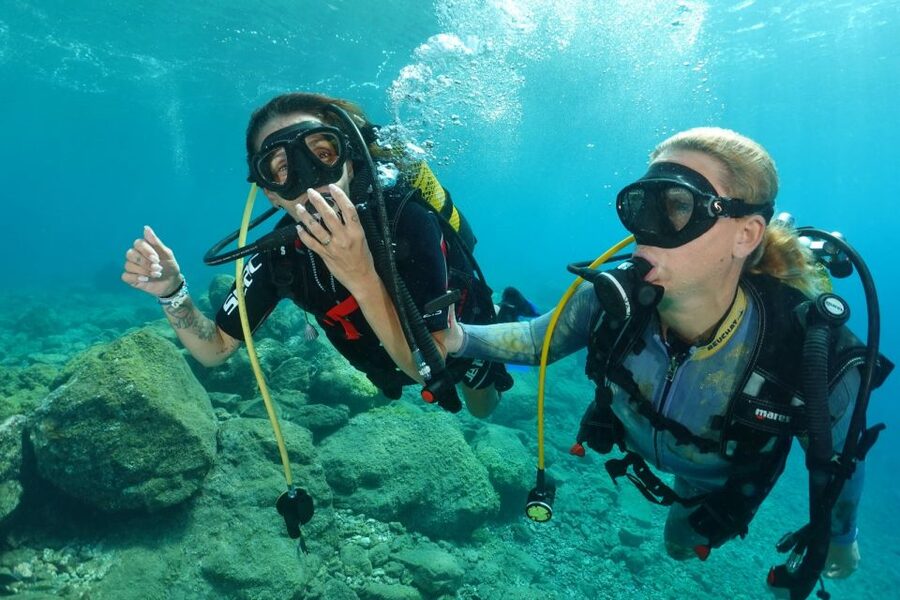
This course is priced around $259 per person for about 4 hours. What’s included is where the value really sits.
Included:
- Full diving/scuba equipment
- Neoprene (wet suit protection)
- Oxygen tank (tank is provided)
- Diving/underwater accident insurance
- Diving license fee (license cost is included)
- Underwater photos (included)
Not included:
- Transport (with an important twist)
- The info also says pickup is included, as long as you tell them your hotel name so they can organize pickup.
So what does that mean for you? You’ll likely want to plan on meeting the pickup point near your lodging, then everything from equipment through the course is handled. If you’re staying far from the pickup area, confirm the details when you book.
What to bring:
- Swimwear
- A towel
Also, glasses must be removed for underwater activities. If you wear prescription glasses, plan how you’ll handle that safely.
One health/comfort rule to take seriously: if you have heart, lung, or ear problems, you should not participate. And the course doesn’t work like a casual “try scuba” day—it requires successful completion of the water practice.
Who should book (and who should skip this one-day course)
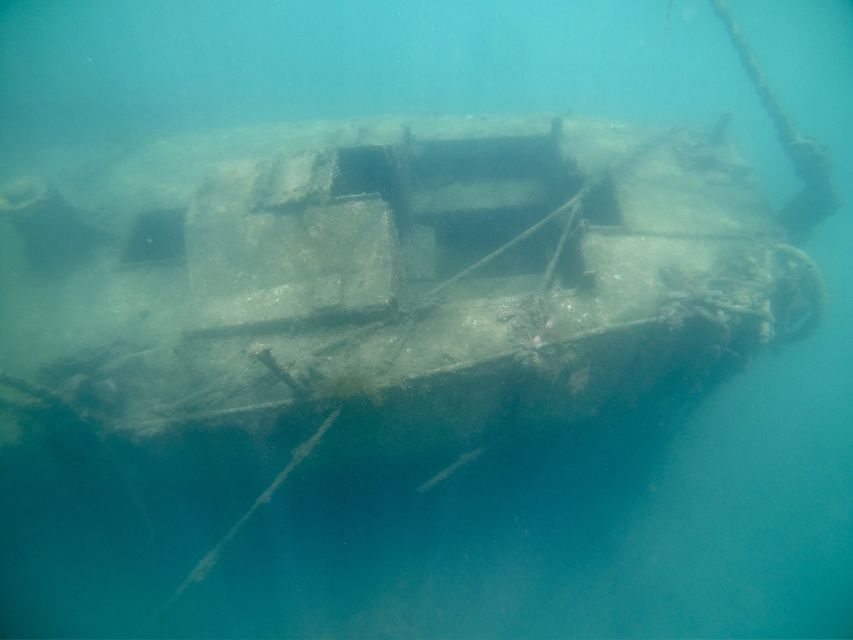
This course is well suited if you:
- Want a first international scuba certification in a single day
- Are okay with learning skills that feel a bit technical (buoyancy, equalizing, safety)
- Prefer private coaching or a very small group
- Want to leave with real underwater memories via photos
It may not be a fit if you:
- Are under 10 years old
- Are pregnant
- Are a non-swimmer
- Have health issues involving heart, lungs, or ears
There’s also a practical travel note: after your underwater training, you should avoid flying for 12 hours. That matters if you’re booking flights the same day or connecting quickly.
Quick practical tips before you show up
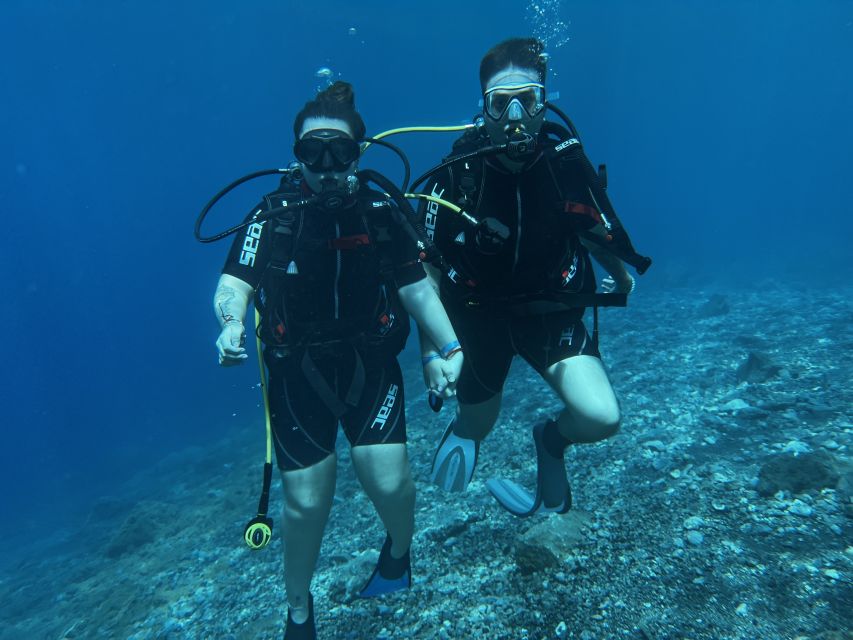
You’ll get the most out of this course if you show up ready to learn and steady enough to practice.
Here’s my simple checklist based on what the course requires:
- Be able to swim adequately. Don’t treat that as a suggestion.
- Bring your swimwear and towel. They keep it simple.
- If you wear glasses, plan on removing them underwater as required.
- Expect to do dry drills in the sand, then immediate water practice. If you’re the type who hates repetition, this might feel like homework—except the homework is what makes you safe.
- Take the instructor feedback seriously during buoyancy and hovering. Those are the skills that make everything else feel easier.
The course is only 4 hours, so you’ll get best results by being focused and receptive instead of trying to “wing it.”
Should you book the one-day CMAS course in Abades?
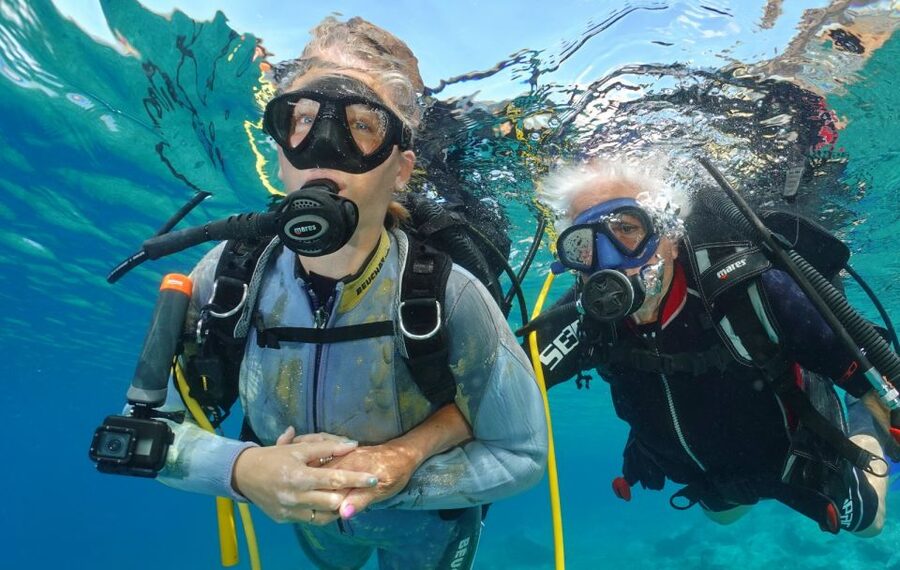
I’d book it if you want a real beginner certification day with private coaching, beach-based practice, and a strong chance of memorable marine life like turtles. The included gear, tank, insurance, license fee, and underwater photos make it a straightforward value proposition—especially compared to piecing together separate lessons and rentals.
I’d think twice if you’re not confident in swimming, or if you know you might struggle with the required water practice. This is not a “maybe certificate” experience. The license depends on you completing the practical training.
If you want your first scuba skills in Tenerife without dragging your trip into a multi-day schedule, this one-day CMAS Scuba Diver course in Abades is a smart, efficient choice.
FAQ
How deep can I go with the CMAS Scuba Diver license?
The CMAS Scuba Diver certification allows you to dive to a maximum of 12 meters (40 feet) under supervision.
Do I need previous scuba experience?
No. Previous diving/scuba experience is not necessary. You learn from the ground up.
What is the minimum age for the course?
You must be at least 10 years old to participate.
What’s included in the price?
The price includes full diving equipment, neoprene, the oxygen tank, the diving license fee, diving accident insurance, and underwater photos.
Is transportation included?
Pickup is included, if you provide your hotel name for pickup. The activity also states it cannot offer transport, so you should plan to meet the pickup arrangement.
How long after the course should I avoid flying?
You should not fly for 12 hours after the underwater training.