REVIEW · TENERIFE
PADI Scuba Dive Course in Costa Adeje
Book on Viator →Operated by Travel Sub SLU · Bookable on Viator
A fast track to scuba confidence. This PADI Scuba Diver program in Costa Adeje is built for people with limited time who still want real instruction, not just a sightseeing swim. I like how small the group is (max 4) and how equipment plus bottled water are included, so you can focus on learning.
One catch: it’s not a casual activity if you’re not comfortable in the water. You’ll need moderate physical fitness, and it’s not recommended if you can’t swim, plus the schedule depends on good weather.
In This Review
- Key highlights at a glance
- Costa Adeje Meeting Point: Get Oriented Before You Suit Up
- How the PADI Scuba Diver Program Works (Without Full Open Water)
- Classroom Sessions: What You Learn Before Going In-Water
- In-Water Practice: The Real Skills Portion
- Gear, Safety, and Bottled Water: The Details That Make It Easy
- Instructor Team and Coaching Style: What the Reviews Signal
- Timing, Weather, and Group Size: Why This Fits Tight Schedules
- Price and Value ($300.67): When This Is a Good Deal
- Who This Course Suits Best (And Who Might Prefer Another Option)
- Should You Book This PADI Scuba Diver Course in Costa Adeje?
- FAQ
- How long is the PADI Scuba Diver course in Costa Adeje?
- Where is the meeting point?
- Is bottled water included?
- What’s included with the course?
- Do I need to know how to swim?
- What fitness level is required?
- How many people are in the group?
- Can I upgrade to the full Open Water certification?
- What happens if the weather is poor?
- What is the cancellation policy?
Key highlights at a glance
- PADI Scuba Diver subset: you get the basics without committing to full Open Water
- Short and structured: about 3 hours total, with classroom teaching and in-water practice
- 3 classroom sessions + 2 in-water sessions: enough to feel what scuba training is like
- Max 4 people: more coaching time and less waiting around
- All gear and safety equipment included, plus bottled water
- Upgrade later: you can move up to full Open Water certification anytime
Costa Adeje Meeting Point: Get Oriented Before You Suit Up
Your experience starts at the PADI 5-star Travel Sub Center Tenerife on Calle Colón, s/n in Costa Adeje. The address is easy to find, and the center is near public transportation, which matters if you’re juggling bus schedules or trying not to spend your whole day on the road.
Plan to show up a little early. Not because the team takes forever—more because you’ll want time to get your bearings, fill out any required paperwork, and get fitted properly. In scuba training, being fitted right is not a “nice to have” detail; it directly affects comfort once you’re underwater.
The activity ends back at the same meeting point, so you’re not guessing where to go afterward. If you like day plans that don’t sprawl, this structure is a plus.
You can also read our reviews of more tours and experiences in Tenerife.
How the PADI Scuba Diver Program Works (Without Full Open Water)
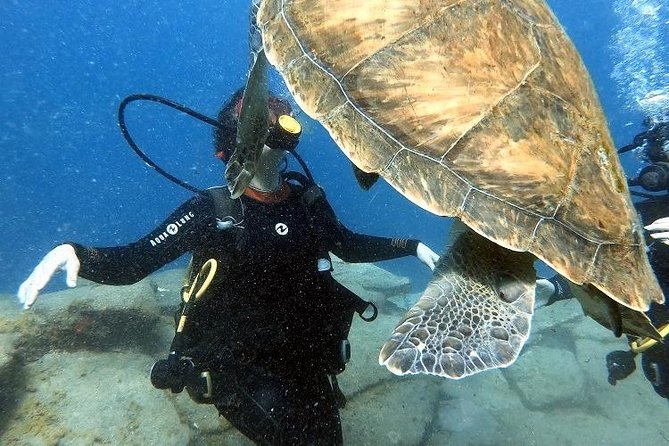
This course is a subset of the PADI Open Water Diver course. That’s the core idea: you’ll learn key foundations, then do a limited number of training sessions, so you can earn the PADI Scuba Diver rating instead of completing full Open Water certification right away.
Here’s what that means in real life: you get enough theory and practice to start building confidence fast. It’s a strong option if you’re visiting Tenerife and don’t have days to spare, or if you already know you’ll likely want professional guidance for future underwater outings.
The program also comes with an important flexibility point: you can upgrade to full Open Water certification at any time. So if the experience clicks, you’re not locked out of the bigger goal later—you’re just taking the first step now.
Classroom Sessions: What You Learn Before Going In-Water
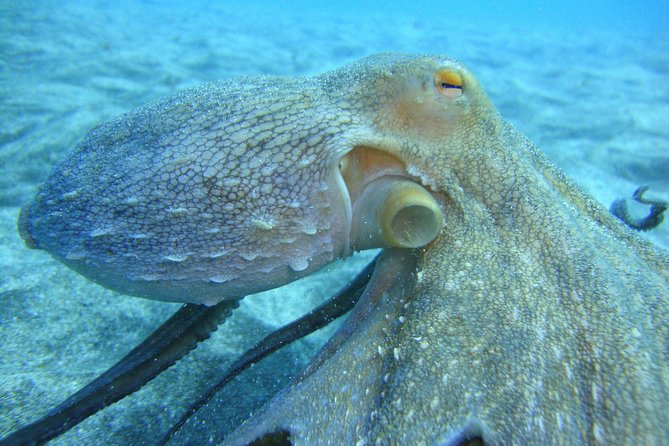
You’ll complete three out of five classroom sections that are part of the full Open Water coursework. That’s not random studying. The classroom portion is where you learn how scuba works, how to manage breathing and buoyancy concepts, and what safety rules matter most.
I especially like this setup for travelers because it keeps the teaching focused. You’re not sitting through the entire full-course curriculum; you’re getting the parts that matter for getting started safely and understanding what you’re doing during the in-water sessions.
A practical tip: take notes if you’re the type who forgets details the moment you see the ocean. The scuba terms and safety steps can feel technical at first, but the better your notes, the faster you’ll connect the dots once you’re in the water.
In-Water Practice: The Real Skills Portion
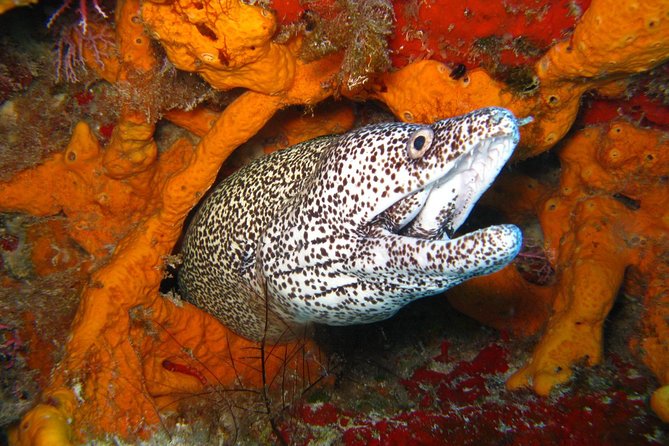
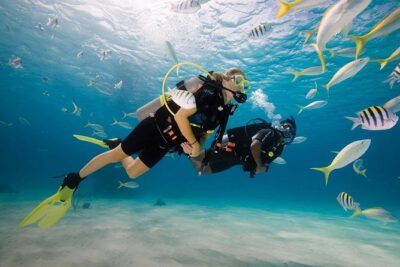
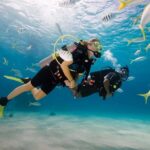
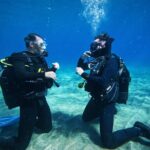
After the classroom sessions, you’ll do two out of four in-water dives as part of the PADI Scuba Diver program. Instead of getting every possible skill from the full course, you’ll focus on the most important fundamentals early on—so you can experience how scuba training actually feels.
This part is where you see the payoff of the classroom teaching. Buoyancy control, breathing rhythm, and basic procedures are taught with hands-on repetition. You also get coached while you practice, so you’re not just being thrown into the water and told good luck.
One consideration: this is still scuba training, not a tourist float. It can be mentally tiring for some people because you’re paying attention to your body, your gear, and your instructor’s directions at the same time. If you go in expecting fun and learning (not performance), you’ll enjoy it more.
Gear, Safety, and Bottled Water: The Details That Make It Easy
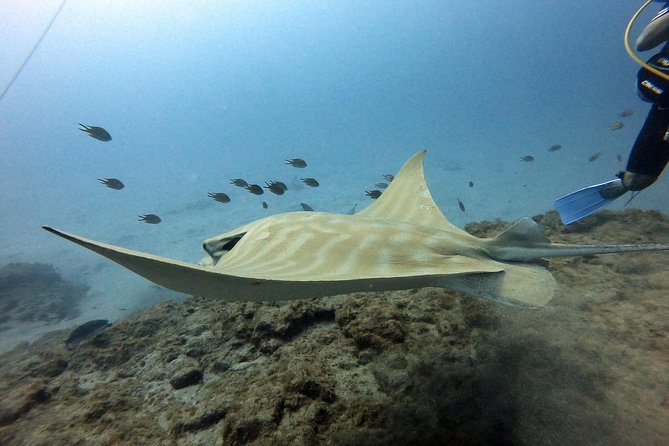
One of the strongest “do it for me” features here is what’s included. The course provides all necessary scuba equipment, including safety equipment, plus bottled water.
That matters because it removes a whole layer of hassle from your trip. You don’t need to rent or transport gear, and you’re not guessing whether you have the right setup for training. The team can fit and hand you the gear they expect you to use, which helps the learning process run smoother.
Also, bottled water being included is a small thing that saves you time. After active instruction, you don’t want to hunt for a shop while everyone is still cooling down and thinking through what just happened.
Instructor Team and Coaching Style: What the Reviews Signal
The center’s reputation in the area shows up repeatedly in feedback about the staff’s professionalism and how clearly they explain things. People praise the way instruction is organized and the way guidance is delivered step-by-step, with instructors like Davide and Roberto getting specific mentions for being professional and helpful during other PADI training.
Other names that come up include Nat, David, Max, and Elena. Even if your instructor isn’t the same person, these names are a good sign that the team has built a consistent teaching style: friendly, organized, and safety-focused, with time taken to make sure you understand.
For you, the practical takeaway is simple: you’ll likely spend less time guessing and more time learning. In a course like this, that difference can be the one thing that makes the day feel smooth instead of stressful.
Timing, Weather, and Group Size: Why This Fits Tight Schedules
The experience runs about 3 hours. That’s a sweet spot for people who want an underwater taste without turning the trip into a long training camp.
The other important detail is the maximum of 4 travelers. A tiny group usually means less waiting for your turn and more direct attention from the instructor. It also tends to make it easier to ask questions without feeling like you’re slowing down a larger class.
Weather is also a real factor here. The activity requires good weather, and if it’s canceled due to poor conditions, you’ll be offered a different date or a full refund. So I’d treat this like a plan you lock in thoughtfully, then keep your day flexible around it.
Price and Value ($300.67): When This Is a Good Deal
At $300.67 per person for about 3 hours, you’re paying for more than a short outing. You’re paying for structured PADI coursework, an instructor guiding you through the learning steps, and full gear and safety equipment.
To judge value, ask yourself what you’d otherwise pay for:
- gear rental and fitting,
- a guide who can actually teach and assess fundamentals,
- and a training structure that helps you earn a PADI rating instead of just having a one-off experience.
If you’re the type of traveler who wants to learn rather than just watch, this pricing can feel fair. If you’re expecting a cheap “try scuba once” moment, it might feel high. But if your goal is genuine basics fast—and potentially upgrade later—the package starts to make sense.
Who This Course Suits Best (And Who Might Prefer Another Option)
This program is ideal if you:
- have limited time in Tenerife,
- want structured training before any future underwater trips,
- prefer a small group with hands-on coaching,
- and want an option to upgrade to full Open Water later.
It’s not the best match if you:
- can’t swim,
- aren’t comfortable with moderate physical activity,
- or you know you’ll feel overwhelmed by the safety and procedure focus that comes with scuba learning.
Also, if you already know you want full certification immediately, the subset course might feel like a partial step. For many people, though, the “partial first” approach is smart. You start, you learn what you actually need, then you decide based on real experience.
Should You Book This PADI Scuba Diver Course in Costa Adeje?
I’d book it if you want an efficient way to start scuba skills with coaching, not just a one-time novelty outing. The biggest reasons are the mix of classroom teaching and in-water practice, the included equipment and bottled water, and the small group size that supports real attention.
I’d think twice if you’re not a confident swimmer or you’re struggling with physical comfort in active settings. And because it depends on weather, only schedule it when you can accept date changes.
If your goal is to build underwater competence during a vacation—not turn the whole trip into training—this PADI Scuba Diver program is a strong choice.
FAQ
How long is the PADI Scuba Diver course in Costa Adeje?
It lasts about 3 hours.
Where is the meeting point?
You meet at the PADI 5* Travel Sub Center Tenerife, Calle Colón, s/n, Escuela Nautica, 38660 Costa Adeje, Santa Cruz de Tenerife, Spain.
Is bottled water included?
Yes. Bottled water is included.
What’s included with the course?
The course includes use of scuba equipment, bottled water, and a professional instructor.
Do I need to know how to swim?
Yes. It is not recommended for travelers who are not able to swim.
What fitness level is required?
You should have a moderate physical fitness level.
How many people are in the group?
There is a maximum of 4 travelers.
Can I upgrade to the full Open Water certification?
Yes. You can upgrade to full Open Water certification at any time.
What happens if the weather is poor?
The experience requires good weather. If it’s canceled due to poor weather, you’ll be offered a different date or a full refund.
What is the cancellation policy?
You can cancel for a full refund if you cancel at least 24 hours before the experience’s start time. If you cancel less than 24 hours before, the amount paid isn’t refunded.