REVIEW · KUTA
Scuba Diving in Nusa Penida Island and Manta Point
Book on Viator →Operated by Plongée BALI | BALI BREIZH DIVERS | Scuba Diving PADI 5 STAR IDC - FFESSM · Bookable on Viator
Manta rays can steal your whole day. This Nusa Penida scuba trip focuses on Manta Point and a second site on the island, with a small group and a guide-to-participant ratio that stays tight. You’ll also get a proper onboard meal and drinks, so you’re not just racing between stops.
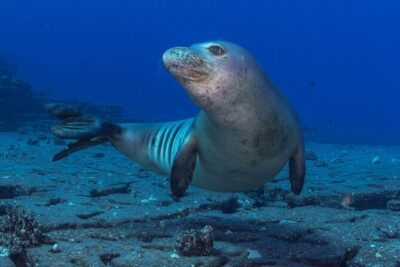
I especially like the attention to animal encounters: you go to the Manta Point cleaning station with a good chance of seeing mantas, and the plan also sets you up to look for sharks, turtles, and even a possible mola mola. The other thing I like is the pacing and support—your day runs with a full briefing around conditions, then you’re paired with a professional guide in a group limited to max five travelers.
One thing to consider: you’re signing up for an all-day commitment (about 8 hours) with real travel time, and the activity requires dive certification evidence and a health questionnaire. If your hotel is outside the pickup zone, you may need to meet separately in Sanur, and there can be surcharges for some areas.
In This Review
- Quick points to know before you go
- Manta Point on Nusa Penida: why this stop matters
- The Bali-to-Nusa Penida day plan (Sanur, speed boat timing, and why it feels long)
- Two underwater sessions: north of Nusa Penida first, Manta Point second
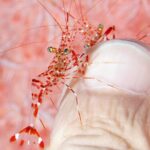
- Marine life chances: what you can realistically look for
- Guides, ratios, and the feel of the operation
- Food, snacks, and drinks: what you get during the long boat day
- Price and value: what you’re really paying for
- Who this fits (and who should rethink it)
- Should you book this Nusa Penida and Manta Point outing?
- FAQ
- How long is the experience?
- How many underwater sessions are included?
- Is lunch and water included?
- Do I need dive certification?
- Do they pick you up from your hotel?
- What’s the maximum group size?
Quick points to know before you go
- Manta Point is the star: targeted for mantas at the cleaning station
- Small groups with strong control: maximum 5 travelers, and no more than five scuba participants per guide
- Two planned underwater sessions: one north of Nusa Penida, plus Manta Point (south)
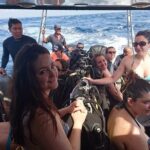
- Comfort onboard: lunch, snacks, bottled water, and hot and cold drinks included
- You’ll have real guidance: briefing on conditions and what you can realistically spot
- Guides often named in feedback: Guy and Nadège are repeatedly praised, with guides such as Vincent and Manon mentioned
Manta Point on Nusa Penida: why this stop matters
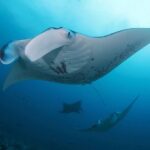
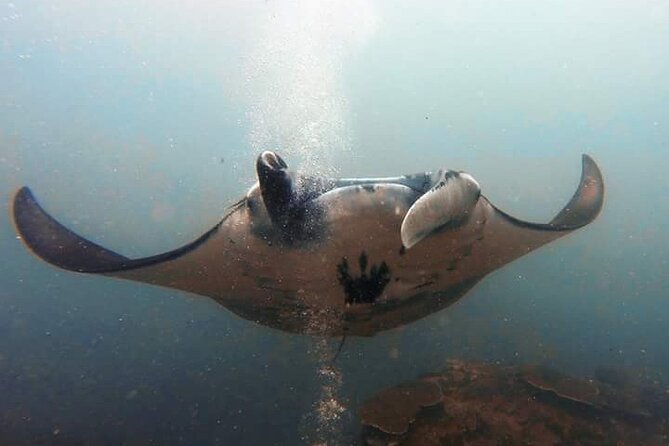
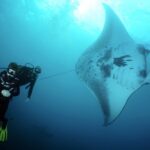
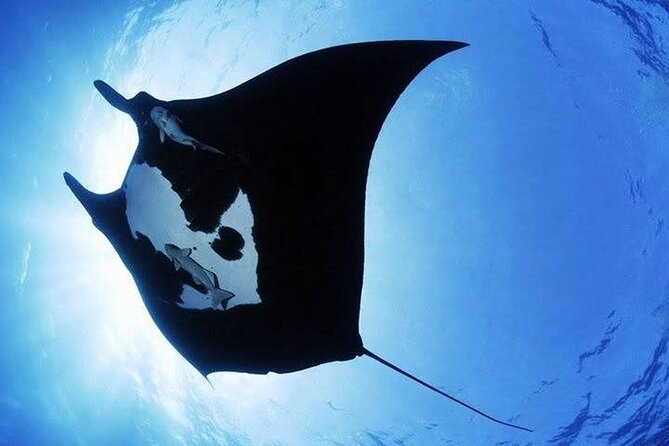
Manta Point earns its reputation for a simple reason: mantas show up often enough to make it a serious target, not just wishful thinking. The plan here is built around visiting the cleaning station area, where those “big and slow” giants gather and do the kind of behavior that’s easiest to see when conditions line up.
Even if you’ve snorkeled before, seeing mantas underwater is a different scale. The animals can feel close without being crowded, because the focus is on where they naturally come to clean and feed. And the trip also keeps your eyes open for other favorites that share the same waters—turtles, sharks, and manta-sized surprises. Some people hope for a mola mola, and the plan explicitly notes that you may have a chance.
What I like about this kind of targeting is that it’s not random sightseeing. You’re going to a location with a job to do, then you get a second site to round out the variety. That makes the day feel like more than transport plus two short checkmarks.
You can also read our reviews of more tours and experiences in Kuta.
The Bali-to-Nusa Penida day plan (Sanur, speed boat timing, and why it feels long)
Most of your time on this trip is about getting there and back. That’s normal for Nusa Penida—just don’t pretend it’s a quick hop.
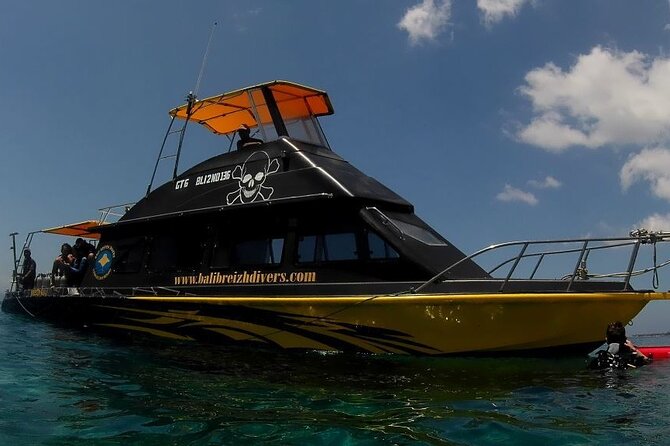
From the start point in the Denpasar area, you’ll travel to Sanur Harbor, then use a speed boat for the crossing to Nusa Penida. The day includes a boat ride segment (about 45 minutes is mentioned for the earlier boat portion), then you shift into the day’s underwater schedule. After the two underwater sessions, you return to Sanur around 2:00 pm.
Why does this matter for your decision? Because the “8 hours” isn’t just marketing math. You’ll want to plan your overall Bali itinerary around it: pick a day when you’re not also trying to squeeze in a second tour that needs your full energy. On the bright side, you’re not left starving or thirsty while you wait—lunch, snacks, and drinks are onboard.
Also note the pickup reality. Door-to-door round-trip transportation is offered from many Bali hotels, but if your hotel is outside the pickup zone, you may need to meet at the center in Sanur. If you’re staying in more specific areas (Canggu, Umalas, Sidemen, or north of Ubud), the description notes a possible surcharge for pickup.
Two underwater sessions: north of Nusa Penida first, Manta Point second
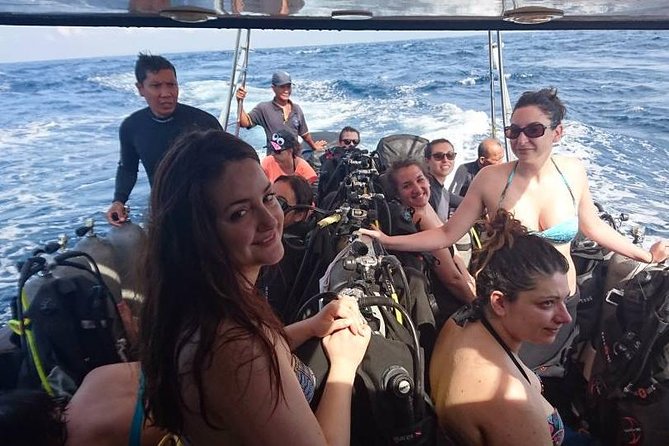
Your day is structured around two underwater sessions that complement each other.
1) North of Nusa Penida session
This is your first underwater stop. The point isn’t that one site is automatically “better”—it’s that you’re given a chance to see Nusa Penida’s variety before you focus fully on the manta target. You’ll get a briefing about the conditions and what you can expect to spot, so you’re not just dropping in blind.
2) Manta Point (south) session
After that, the plan moves you to the manta-focused location in the south, centered on the cleaning station where mantas are known to visit. The order matters because your eyes are fresher for the highlight, and you also get two chances to read what’s happening underwater through the day.
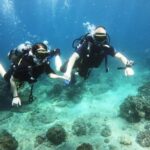
A small-group ratio is part of what makes this schedule work. The trip states there’s a limit of no more than five scuba participants to one guide, which helps keep the group more manageable. In practice, that usually means you spend more time actually looking and less time herding around.
Marine life chances: what you can realistically look for
Here’s what the trip is built around seeing:
- Manta rays at Manta Point, especially at the cleaning station
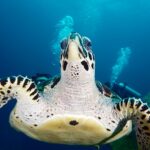
- Turtles
- Sharks
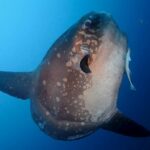
- Mola mola as a possible sighting
The “possible” part is important. Underwater life depends on currents, temperature, visibility, and just plain timing. But the advantage of this tour is that it’s not vague about targets. You aren’t just told to look around and hope; you’re taken to a site that’s specifically associated with mantas, and you’re also set up for other common big-animal sightings in the region.
If your dream list includes sharks or turtles, this is the kind of outing that keeps you in animal country instead of only showing coral and fish. And if you’re a “big animal” watcher, mola mola becomes the bonus story if conditions line up.
Guides, ratios, and the feel of the operation
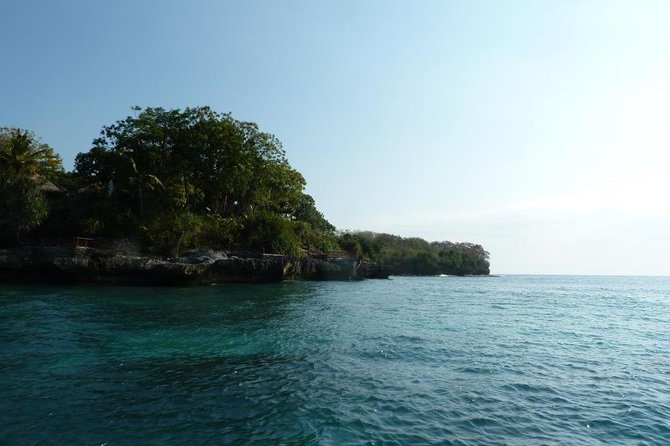
This is one of those tours where the details around leadership are a selling point. The trip highlights a professional guide, and the group size is capped at five travelers overall. That’s paired with the guide ratio (max five scuba participants per guide), which is a real quality marker for big-animal sites where you don’t want chaos.
In the feedback, names like Guy and Nadège come up again and again for organization, and other guides such as Vincent and Manon are specifically mentioned for professionalism and support. You also see Stéphanie credited in at least one account for making the day feel smooth and welcoming.
What I take from that pattern: you’re not just buying a boat ticket and hoping the day works out. You’re buying coordination—briefings, grouping, timing, and the kind of guidance that helps you understand what you’re seeing. That’s especially useful if you don’t have unlimited experience with currents or reading underwater conditions.
Food, snacks, and drinks: what you get during the long boat day
This is the kind of trip where the onboard comfort actually matters, because the schedule is full. You get:
- Lunch provided on the boat
- Snacks
- Hot and cold drinks
- Bottled water
That’s more than “something to eat.” It helps you stay functional during a day with travel, briefing, and two underwater sessions. It also reduces friction—no scrambling for food in between points or paying extra at random stalls while you wait for the boat.
A practical note from how these days typically feel: bring simple sun protection (hat, reef-safe sunscreen if you use it) and keep a dry layer for after you’re done. The tour includes drinks and water, but being comfortable after the second session is on you.
Price and value: what you’re really paying for
At $172.86 per person, you’re not buying the cheapest option. But the value case is clear when you break down what’s included.
Included items cover the stuff that often costs extra elsewhere:
- local taxes
- lunch, snacks, bottled water
- driver/guide and professional guide support
- hotel pickup and drop-off (within the pickup zone)
- a trip designed around two specific underwater locations, including Manta Point
The only item called out as not included is souvenir photos, which you can purchase separately.
So the real question is whether this is “worth it” compared to a cheaper outing. For me, it becomes a yes when you care about the manta target and want a small, controlled group. If you’re the type who gets frustrated by overcrowded boats or long, disorganized water time, paying for tighter management and food + transport bundled in is usually a good trade.
Who this fits (and who should rethink it)
This activity has a clear structure, and it favors certain travelers.
You’ll likely be happy booking if:
- You’re 18+ (minimum age is 18)
- You have moderate physical fitness
- You’re a certified scuba participant (proof of certification is required to participate in certified underwater activity)
- You want door-to-door support from many Bali hotels, or you’re fine meeting in Sanur if needed
You should think twice if:
- You can’t meet health requirements. You’ll complete a health questionnaire, and the description notes that conditions like asthma or heart conditions may prevent diving. If you’re in that category, talk to your doctor first.
- You’re traveling by air soon. Diving within 48 hours of flying is noted as not recommended.
- Your schedule can’t handle an all-day commitment (about 8 hours total).
Should you book this Nusa Penida and Manta Point outing?
I’d book this if your priority is seeing manta rays at Manta Point and you want a day that’s organized enough to protect your time underwater. The small group size, the guide ratio, and the fact that lunch and drinks are handled make it feel practical, not just adventurous. And with guides like Guy and Nadège repeatedly recognized for organization, the operation seems built for a smooth day.
Don’t book it if you’re looking for something flexible and easygoing. This is a real schedule: travel to Sanur, speed boat crossing, two underwater sessions, then back around early afternoon. Also make sure your certification and health situation are solid before you commit.
If manta rays are high on your Bali list, and you’re comfortable with the logistics of Nusa Penida, this is a strong match.
FAQ
How long is the experience?
The trip runs about 8 hours.
How many underwater sessions are included?
You get two underwater sessions: one north of Nusa Penida and one at Manta Point (south).
Is lunch and water included?
Yes. Lunch is provided on the boat, along with snacks and bottled water, plus hot and cold drinks.
Do I need dive certification?
Yes. Proof of dive certification is required for all divers who want to participate in certified underwater activity.
Do they pick you up from your hotel?
Hotel pickup and drop-off is included from many Bali hotels. If your hotel is outside the pickup zone, you’ll likely need to meet at the center in Sanur, and pickup surcharges may apply for some areas like Canggu, Umalas, Sidemen, and north of Ubud.
What’s the maximum group size?
The tour caps at a maximum of 5 travelers, and the guide ratio is limited to no more than five scuba participants per guide.