REVIEW · HALEIWA
Oahu: Shark Cage Diving Experience
Book on GetYourGuide →Operated by Hawaii Shark Encounters · Bookable on GetYourGuide
Face-to-face with sharks is the whole point. You get that thrill from a floating cage on the North Shore, with expert shark education that actually makes the animals feel understandable. Two things I really like are the surface-snorkel format (no scuba needed) and the way the guide turns a scary thought into shark-smart respect. One drawback to plan for is motion: if you’re prone to seasickness, the boat ride and open ocean conditions can be rough.
You meet at the harbor, head about 3 miles offshore, and then spend real time watching sharks circle close to the plexiglass. The experience is short enough to fit easily into a beach day, and the Haleiwa town area gives you an easy way to keep the momentum after you’re back on land. Just keep expectations grounded: you’re not in charge of the ocean, and weather can shift the plan.
In This Review
- Key things to know before you go
- Oahu’s North Shore: why the boat ride matters
- Boarding up, then switching to surface snorkeling
- Inside the cage: what you’ll see through the plexiglass
- The guide talk: shark biology plus Hawaiian culture
- Why the conservation angle is worth your attention
- Timing, duration, and what 2 hours really feels like
- Price check: is $97 good value?
- Weather, waves, and comfort rules that keep things honest
- What to bring (and what not to do) for a smooth experience
- After the water: Haleiwa is a smart follow-up
- Who this experience is best for (and who should skip)
- Should you book this Oahu shark cage experience?
- FAQ
- How long is the Oahu shark cage experience?
- Do I need scuba experience?
- What sharks might I see?
- Where is the meeting point?
- What should I bring?
- Is the tour affected by weather?
Key things to know before you go
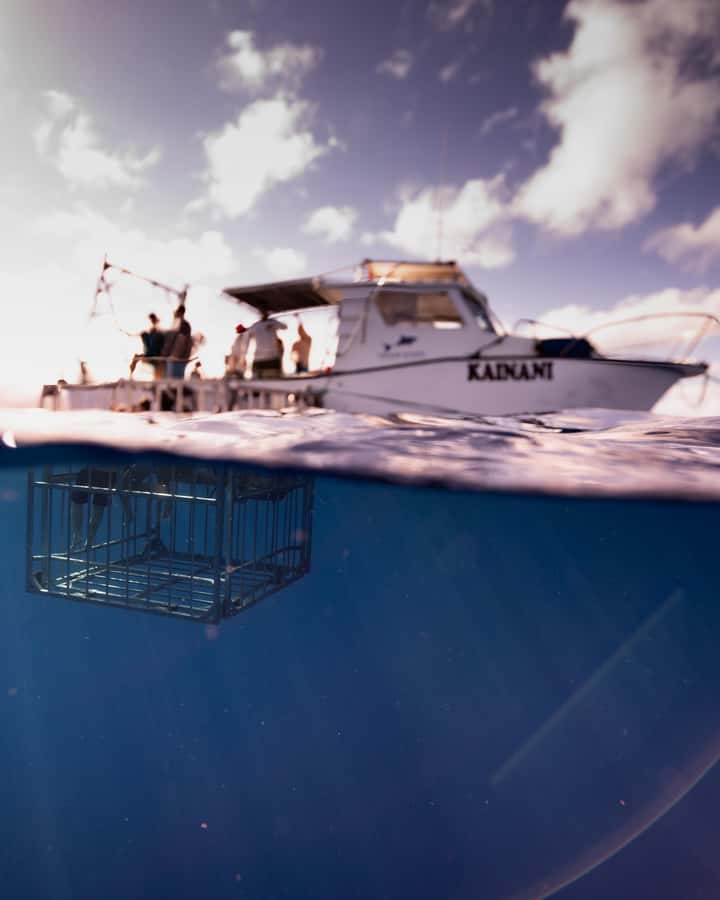
- Floating cage viewing means you watch from a stable setup using snorkeling gear at the surface.
- 3 miles offshore puts you in open-ocean water where Galapagos and sandbar sharks may be present.
- English-speaking guide talk covers shark behavior, biology, and ongoing research in the area.
- Culture comes into it with discussion of sharks in Hawaiian culture and mythology.
- Conservation participation is part of the experience, not an afterthought.
- Plan for seasickness risk if you know you get queasy on boats.
Oahu’s North Shore: why the boat ride matters
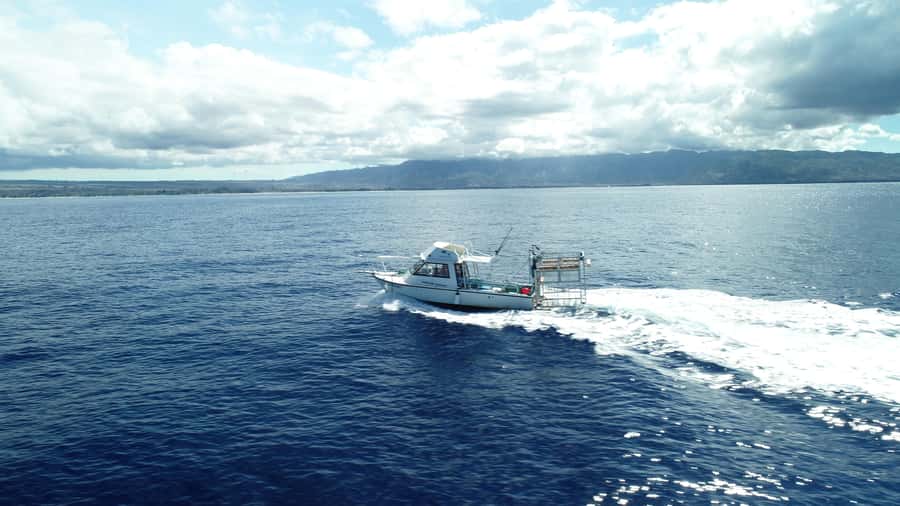
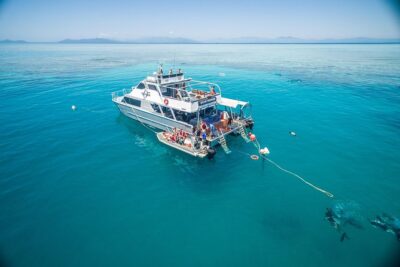
This is an out-on-the-water experience, not a quick harbor show. You start at the harbor and board the boat with your local crew, then head roughly 3 miles offshore into open ocean.
That distance matters because sharks aren’t a shore-crowd attraction. You’re going where the water and conditions are right for sightings, which is exactly why you’re paying for a specialized shark operation instead of doing it casually on your own.
Boarding up, then switching to surface snorkeling
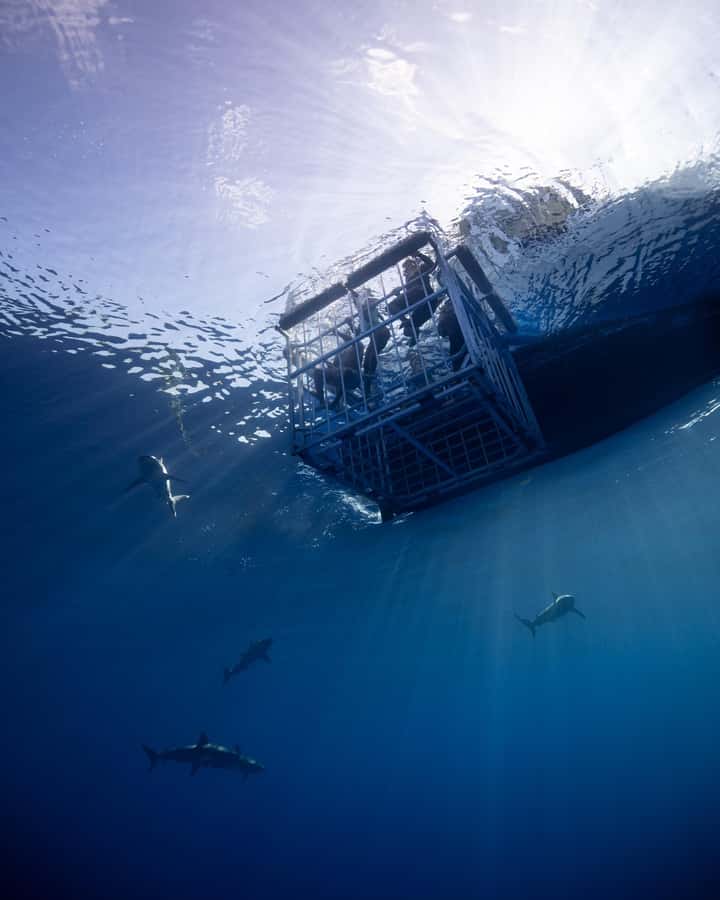
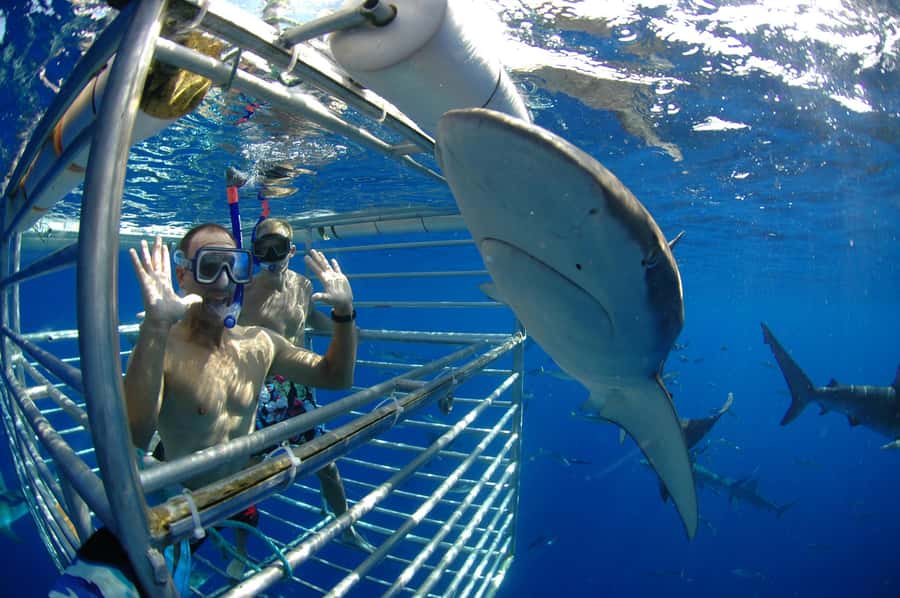
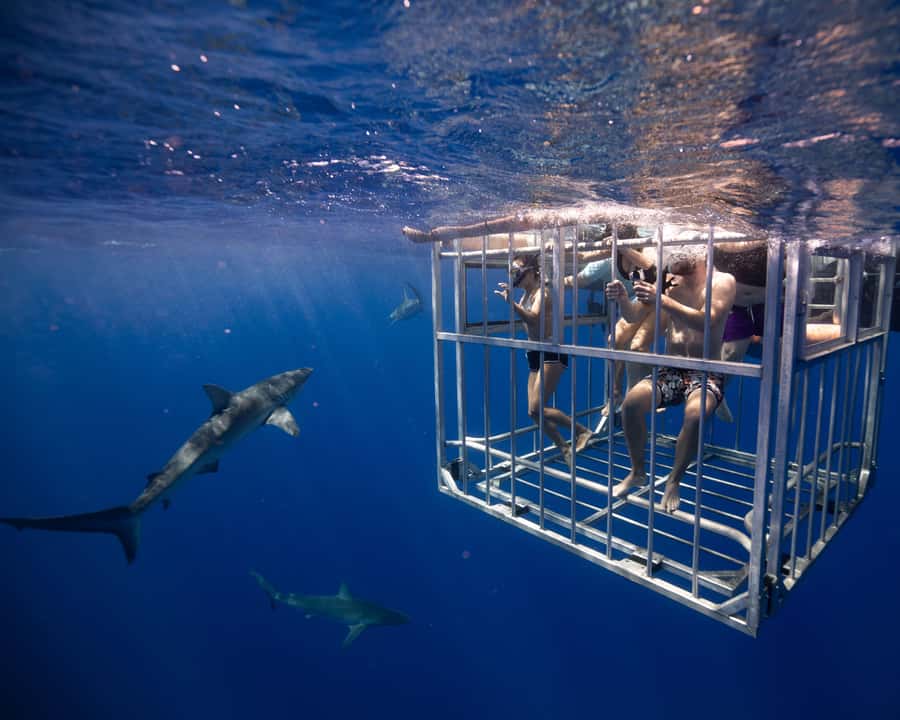
The core format is simple. You stay at the surface with a mask and snorkel, and the cage stays in the water so you can watch through big plexiglass windows.
No scuba training is required. That makes the whole thing more approachable if you’re curious about marine life but don’t want the extra gear, certification, or stress that comes with underwater diving.
When you get into position, your attention shifts fast. Sharks may glide calmly, then show curiosity toward the window. If you’ve been expecting chaos, the reality is cooler: you often get long, steady moments that feel oddly “quiet,” like they’re just doing their job and you’re the visitor.
Inside the cage: what you’ll see through the plexiglass
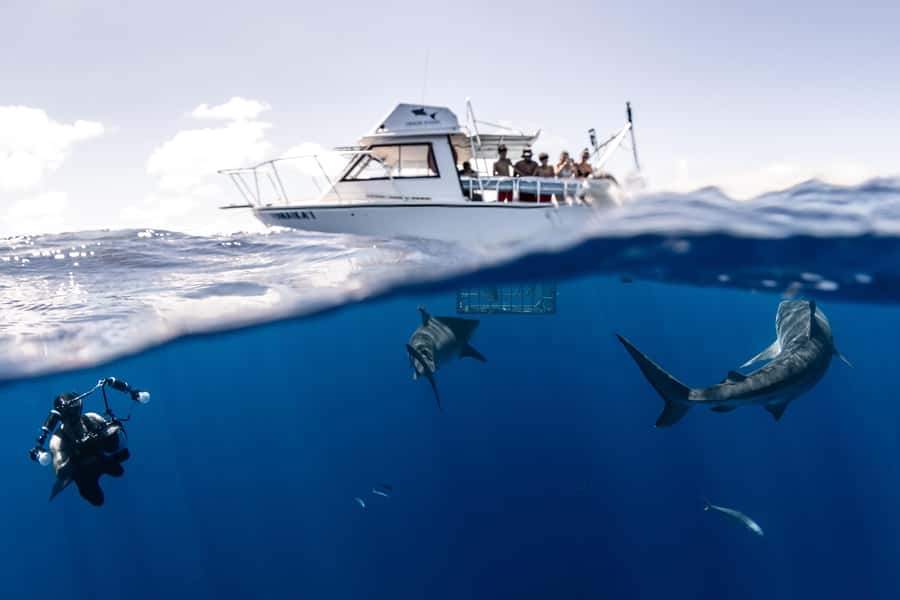
The typical sightings you’re set up for include Galapagos sharks and sandbar sharks. These are big, powerful animals, but from inside the safety of the cage, you’re able to observe their movements without trying to rush the moment.
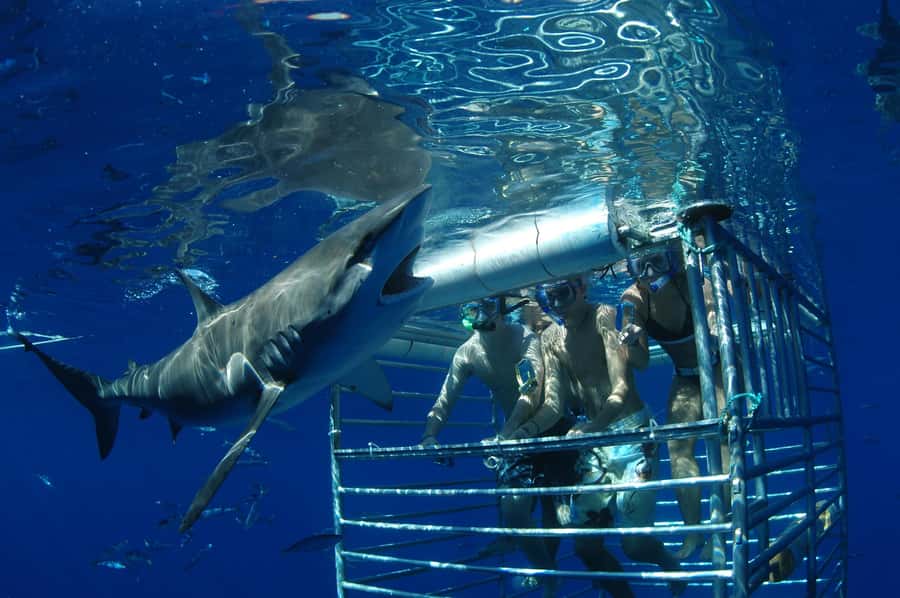
Here’s what makes the eye-to-eye factor work. As you watch, you’ll notice how sharks scan and circle rather than simply charging forward. That repeated pattern is where the education part kicks in—your guide will help you connect what you’re seeing to how sharks hunt, move, and respond in their environment.
Also, you’re not just looking for “a shark.” You’re watching behavior. That’s the difference between a one-minute thrill and an experience that changes how you think about sharks after you leave.
The guide talk: shark biology plus Hawaiian culture
I like when a tour does more than “look and go.” This one leans into understanding.
You get a safety briefing and an education talk before you’re out there, then the guide ties sightings to shark biology and behavior while you’re on the water. You’ll learn how sharks fit into the ecosystem and why their presence matters.
Then there’s the cultural layer. You’ll hear about the importance of sharks in Hawaiian culture and mythology. For me, this is what makes the experience feel more grounded than a generic wildlife encounter. Sharks aren’t treated as “props.” They’re part of a living story and a local relationship with the ocean.
The guide also covers ongoing shark research projects. It’s not just theory, either—you’ll be given a chance to participate in shark research activities tied to the conservation mission.
Why the conservation angle is worth your attention
This experience includes a contribution to shark conservation and an opportunity to participate in shark research. That matters because shark cage encounters have to connect to something bigger than entertainment.
If you care about animals staying in the ocean where they belong, you’ll appreciate how the operator frames the trip: you’re there to learn, to observe responsibly, and to support efforts aimed at protecting sharks long-term.
It’s the kind of “I did something with my time” feeling that sticks after the boat ride. You leave with a story you can actually explain—how you saw sharks behaving naturally, and what conservation work is trying to protect that reality.
Timing, duration, and what 2 hours really feels like
The tour runs about 2 hours. In practice, that usually means you spend a meaningful chunk of time on the water and less time waiting around.
One detail that helps your day: check-in is 30 minutes before the tour start time. If you arrive late, you’ll add stress at the worst moment, right before the boat ride.
Bring your mindset for a short-but-intense window. You’re not getting a full-day ocean excursion. You’re getting a concentrated experience focused on the cage viewing and the guide-led learning.
Price check: is $97 good value?
At about $97 per person, the price can feel steep—until you break down what’s included.
You’re paying for:
- a 2-hour guided cage/snorkel experience offshore
- a safety briefing and education talk
- snorkel equipment
- a local crew with local knowledge
- the chance to participate in shark research activities
- a contribution to shark conservation
That combination is the real value. If you tried to recreate this on your own, you’d still need a boat, offshore conditions, and a way to observe sharks safely. Here, the operator handles the logistics and focuses the time on what you came for.
The other value piece is the “no scuba needed” setup. You’re getting a close encounter format without paying for training or dealing with scuba logistics. That’s a practical win.
Weather, waves, and comfort rules that keep things honest
This is open-ocean Hawaii. The activity is subject to weather conditions and may be rescheduled, so don’t plan something tight right after.
Also, be realistic about the boat ride if you’re sensitive to swell. One of the most common themes you’ll want to respect is that the ocean can be choppy, and motion sickness is a real risk for some people. If you’ve had trouble on boats before, take it seriously.
On the water, you’ll want to keep your gear simple and functional. You should bring swimwear, a towel, sunscreen, and a hat. And yes, bring water—hydration helps even when you’re mostly in and out of the boat’s routine.
What to bring (and what not to do) for a smooth experience
You’ll be happiest if you show up ready to be in and out of the water a bit.
Bring:
- hat
- swimwear
- towel
- camera
- sunscreen
- water
Not allowed includes items that can create safety or wildlife issues. Examples from the rules include no touching marine life, no feeding animals, no touching the exhibits/animals, and no flash photography. There’s also a clear no-alcohol and no-intoxication policy for safety.
There are also restrictions on things like pets, weapons/sharp objects, strollers that aren’t foldable, and certain mobility devices. If you’re traveling with any special needs, it’s smart to double-check how the operation handles them before you commit.
After the water: Haleiwa is a smart follow-up
Once you’re back, you’re close to Haleiwa town, where you can keep the day going. The harbor area puts you near shops and attractions, so you can turn this into a complete half-day plan.
This is also a good moment to reset. You’ll likely want a warm shower and something to eat nearby since food and drinks aren’t included.
If you build your schedule with that in mind, the day feels balanced instead of rushed.
Who this experience is best for (and who should skip)
This is a great fit if:
- you’re comfortable in the water
- you want shark encounters without scuba
- you’re excited by learning, not just watching
- you care about conservation and research support
It’s not suitable for certain groups and conditions listed by the operator, including people with back problems, wheelchair users, and anyone prone to seasickness. There are also age limits for young children, and there’s a weight limit around 350 lbs (159 kg).
If you fall in the “I get queasy on boats” category, be honest with yourself. You can still want the experience. Just decide whether you can handle the conditions or if another shore-based marine activity would be smarter.
Should you book this Oahu shark cage experience?
Book it if you want an eye-to-eye shark encounter that’s guided, structured, and tied to research and conservation. The no-scuba surface snorkeling setup is a big reason it works for more people than you’d expect, and the cultural + biology education makes the whole trip feel meaningful.
Skip it if weather and ocean motion are likely to derail you, especially if seasickness is a past problem. Also, if you’re not comfortable in the water, the whole format won’t feel right.
If you choose to go, pack the basics, show up early for check-in, and give yourself time to enjoy Haleiwa afterward. It’s a clean half-day plan with a story you’ll talk about long after you leave the North Shore.
FAQ
How long is the Oahu shark cage experience?
It lasts about 2 hours.
Do I need scuba experience?
No. You stay on the surface using a mask and snorkel, and no scuba experience is required.
What sharks might I see?
The experience is set up for sightings of Galapagos sharks and sandbar sharks.
Where is the meeting point?
The meeting point may vary depending on the option booked, so use the exact meeting location shown for your reservation.
What should I bring?
Bring a hat, swimwear, a towel, a camera, sunscreen, and water.
Is the tour affected by weather?
Yes. The activity is subject to weather conditions and may be rescheduled.