REVIEW · NHA TRANG
PADI Freediver Course
Book on Viator →Operated by Vietnam Active - PADI Dive Center & Snorkeling · Bookable on Viator
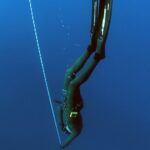
Breathe, relax, then go deeper. The PADI Freediver course in Nha Trang turns breath-hold theory into real technique, whether you’re working on basic skills or pushing to depth. It’s built around core apnea disciplines like static apnea, dynamic apnea, free immersion, and constant weight—and you do it with a small crew and PADI structure.
I like the practical teaching focus: you don’t just hear about breath-hold control, you work it into skills and repeatable habits. I also like the way the day feels supported on the water—there’s boat time, and the onboard meals are repeatedly praised as some of the best you’ll find in Vietnam.
One thing to consider: you need moderate physical fitness, and if open-water training isn’t feasible, your course may stay within confined water at 6 metres/20 feet for the Basic Freediver path. That’s still worthwhile, but it changes what depths you’ll practice.
In This Review
- Key highlights of the PADI Freediver course in Nha Trang
- PADI Freediver in Nha Trang: what you really train and why it matters
- From static apnea to constant weight: what the disciplines mean for your progress
- Two possible paths: full Freediver skills vs the Basic Freediver (6m maximum)
- The real flow: how two days tends to feel (knowledge, confined skills, then depth)
- Boat-day comfort in Nha Trang: the small-group advantage you’ll feel fast
- Pickup, mobile ticket, and the reality of scheduling
- Price and value: is $320 fair for a PADI Freediver course?
- Who this course suits best (and who should pause)
- Should you book this PADI Freediver course with Vietnam Active?
- FAQ
- Where is the PADI Freediver course held?
- How much does the course cost?
- How long is the course?
- What does the course train you to do?
- What depths are covered?
- What rating can you earn?
- Is pickup offered?
- Do I need a ticket before I go?
- How fit do I need to be?
- What is the cancellation policy?
Key highlights of the PADI Freediver course in Nha Trang
- Max group size of 3 keeps feedback personal and helps you progress at a steady pace.
- Pickup offered so you’re not hunting transport before early sessions.
- Two possible depth paths: full skills up to 10–16 metres/30–55 feet, or Basic Freediver skills up to 6 metres/20 feet.
- Boat-day comfort and strong meals make the long sessions feel more human.
- PADI structure for knowledge plus confined water skills, so you know you’re learning the right components.
- Disciplines built around oxygen conservation so the training is about control, not brute force.
PADI Freediver in Nha Trang: what you really train and why it matters
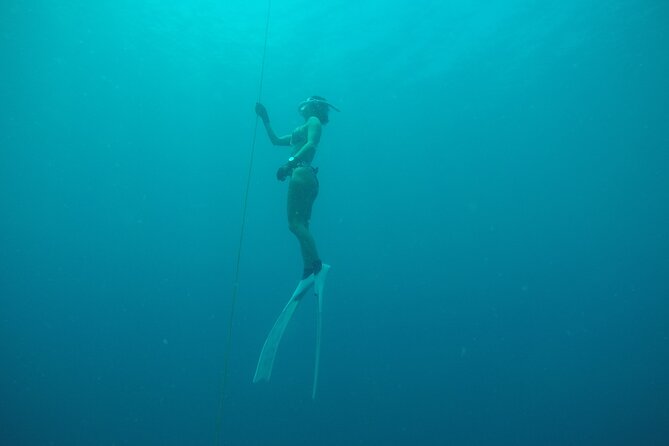
This course sits in the apnea world, one step beyond snorkel and skin dive level. Snorkeling is basically surface time with a mask and snorkel. Skin diving adds short underwater stretches and often teaches you skills like clearing your snorkel and moving more efficiently. A PADI Freediver course takes the next leap: it trains breath-hold skills and techniques aimed at conserving oxygen and managing time underwater.
In Nha Trang, that training gets a clear purpose. You’re not just trying to reach a number. You’re building the fundamentals across the core disciplines: static apnea (breath-hold control without relying on movement), dynamic apnea, free immersion, and constant weight. The course structure also gives you options depending on whether full open-water practice is practical.
If you’ve been curious about freediving but worried it’s all adrenaline and no method, this is the opposite. It’s method-focused: knowledge first, then skills in controlled water, then progression based on what conditions allow and what open-water training is feasible.
You can also read our reviews of more tours and experiences in Nha Trang.
From static apnea to constant weight: what the disciplines mean for your progress
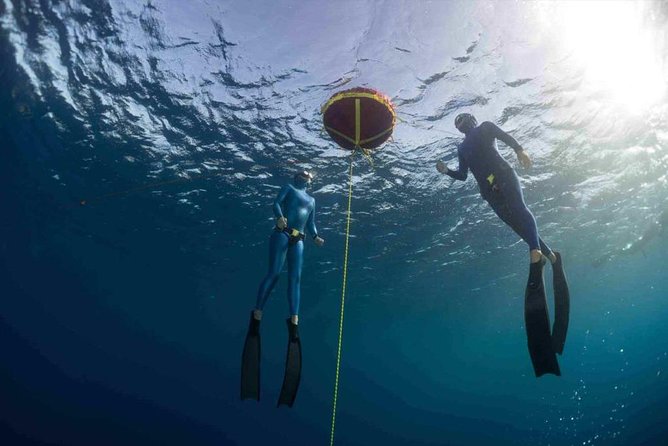
The course is designed to develop basic skills across multiple apnea styles. Even if you’re brand new, that variety matters because it teaches you different ways to manage breathing, body position, and control. The goal across all of them is oxygen conservation while you practice breath-hold time and technique.
Here’s why that matters for you, practically:
You’ll learn that depth and duration aren’t the same thing. Faster, deeper efforts usually create panic and waste oxygen. Better training gives you options: you can work on control while staying within a safe, coached range.
You’ll also get used to how your body responds under breath-hold. That takes repetition. With a smaller group size (maximum 3), you’re more likely to get corrections early, instead of waiting your turn while your technique locks in the wrong way.
Two possible paths: full Freediver skills vs the Basic Freediver (6m maximum)
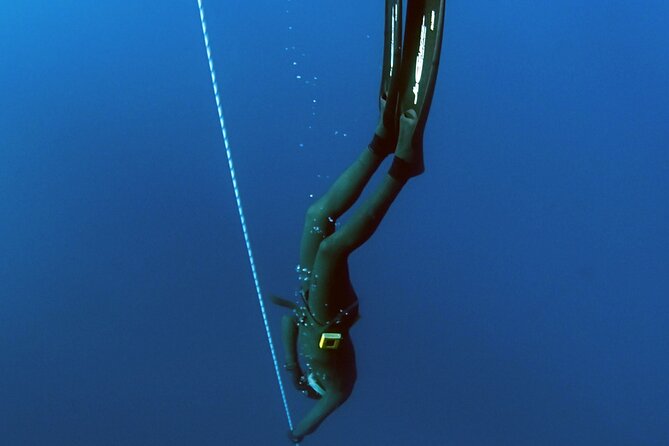
This is the part that can make or break expectations, so I’d set it early. The PADI Freediver course targets basic static apnea, dynamic apnea, free immersion, and constant weight skills from 10–16 metres/30–55 feet. But if doing full open-water training isn’t feasible or isn’t what you need, you may complete just the knowledge and confined water skill portion.
When that happens, your maximum depth is 6 metres/20 feet, and you can earn the PADI Basic Freediver rating instead of the full open-water component.
So what does that mean for you?
If you want the full progression that reaches 10–16 metres, you’ll hope conditions and planning allow the full open-water training. If the course shifts you to the Basic Freediver path, it’s not a loss of effort. You’re still working on the foundation: breath-hold knowledge plus confined water skills that set you up for future growth.
Either way, you’re learning the same core disciplines through a PADI framework, just with depth limited by what’s feasible.
The real flow: how two days tends to feel (knowledge, confined skills, then depth)
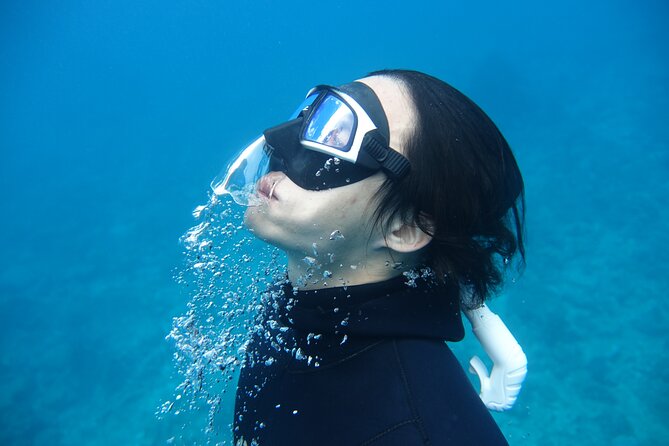
The total duration is about 2 days, and the course is scheduled during daily opening hours from 7:00 AM to 2:30 PM. That matters because apnea training isn’t something you cram at noon. Your body and head need to be ready for calm focus.
While the exact timing can vary, you can expect the course to follow the main PADI elements that are clearly stated in the training outline:
Step one is knowledge and skill preparation. You’ll cover what you’re training for and how breathing and breath-hold control fits into the disciplines. This is where a lot of fear goes away, because you understand what you’re trying to do and why.
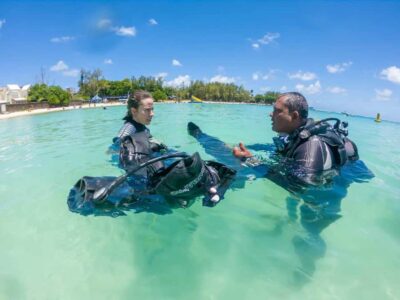
Step two is confined water skills (the foundation work). Confined water is where you practice with a coach watching, and where technique can be corrected without the pressure of major depth. This is also the part that may become your full course if open-water training isn’t feasible.
Step three is the controlled progression to depth. If full training is on the table, the course develops skills within the 10–16 metres/30–55 feet range. If it’s not, you stay within the 6 metres/20 feet maximum route toward the Basic rating.
The biggest difference between brand-new and more experienced students tends to be how quickly you can stay calm under coaching. A smaller group helps here. You spend less time waiting, and more time building correct reps.
Boat-day comfort in Nha Trang: the small-group advantage you’ll feel fast
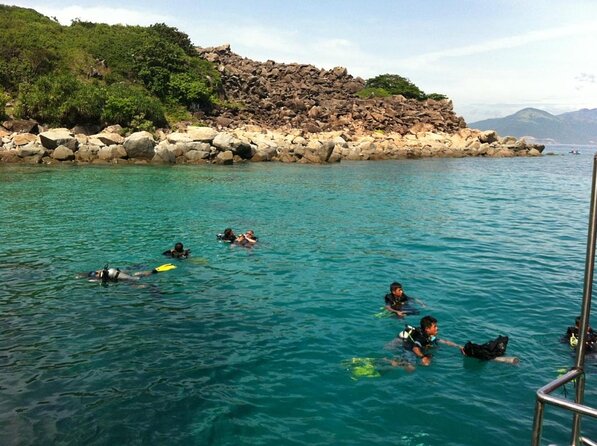
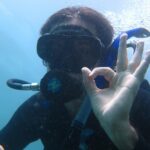
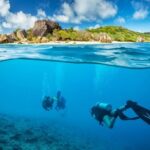
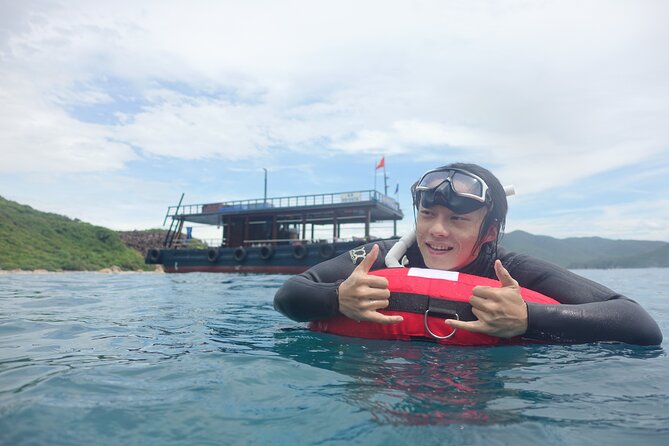
Nha Trang is a perfect place to practice water skills, and this course leans into that with boat time. One repeated highlight is the onboard food: the meals are described as some of the best in Vietnam, and they’re served each day on the boats. That’s not a minor detail. Apnea training can be mentally draining. Having good food and a comfortable break between sessions keeps your energy steady.
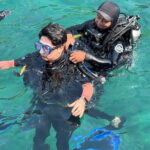
Then there’s the group size. With a maximum of 3, your instructor can focus on your technique without turning the day into a conveyor belt. This is also where the teaching style you want shows up. Instructors named Andrew and Andrey are praised for being phenomenal and professional, and for actively helping during the process.
For you, that translates into an easier learning curve. You get feedback while it still matters. You also feel safer practicing because you’re not guessing whether you’re doing the right thing.
Pickup, mobile ticket, and the reality of scheduling
Logistics are straightforward here. Pickup is offered, and you’ll get a mobile ticket. You’ll also receive confirmation at booking. Sessions fall between 7:00 AM and 2:30 PM, Monday through Sunday.
That early window is a benefit. Morning training typically feels calmer, and you’re less likely to fight crowds or heat. If you want to build a smooth two-day plan around your Nha Trang stay, this course gives you a predictable block you can work with.
Also note the maximum group size of 3. That makes the schedule feel flexible for the instructor, but it means your own punctuality matters. If you’re late, it can ripple.
Price and value: is $320 fair for a PADI Freediver course?
At $320 per person for about two days, the value comes down to what you’re getting beyond the certificate label.
You’re paying for:
- Structured instruction for multiple apnea disciplines
- A PADI-based knowledge component plus confined water skill work
- A small group learning environment
- Boat-day comfort and meals
- Pickup convenience
Freedive training isn’t just about time underwater. It’s also about safer coaching, better technique, and learning the right habits early so you don’t plateau. When instructors like Andrew and Andrey are described as consistently helpful and professional, that’s a direct value point. You’re not paying for a generic lesson; you’re paying for feedback.
If you’re mainly after one quick taste of breath-hold, you might find cheaper experiences. But if you want a real skills pathway and a PADI framework that can lead to a Basic rating or full skills depending on conditions, $320 feels reasonable.
Who this course suits best (and who should pause)
This experience asks for moderate physical fitness. That doesn’t mean you need to be an athlete. It does mean you should be comfortable with the demands of repeating controlled training sessions in water.
You’ll likely enjoy this course most if:
- You’re curious about apnea training and want a guided start
- You want structured progression instead of random attempts
- You prefer small group attention (max 3)
- You’re okay with the idea that the course may cap at 6 metres/20 feet if open water isn’t feasible
You might want to reconsider if you don’t feel ready for moderate fitness demands, or if you’re expecting a guaranteed full-depth track every time. The Basic Freediver path is real and valuable, but it’s a different outcome than practicing to 10–16 metres.
Should you book this PADI Freediver course with Vietnam Active?
If you want calm, coached breath-hold training in Nha Trang, this is a strong option. The biggest reasons to book are simple: small group size, solid instruction from coaches like Andrew and Andrey, and boat-day comfort that keeps the two-day grind manageable. The course also gives you clear expectations on depth, with a Basic Freediver path at 6 metres/20 feet if open water can’t be done.
Before you commit, ask yourself one question: are you ready to learn control and technique, not just chase depth? If yes, book it. If your only goal is a maximum number and you hate the idea of adjustments, you may feel frustrated if conditions shift the training to the Basic route.
FAQ
Where is the PADI Freediver course held?
The course is in Nha Trang, Vietnam.
How much does the course cost?
The price is $320.00 per person.
How long is the course?
It runs for about 2 days.
What does the course train you to do?
It develops knowledge and skills for basic static apnea, dynamic apnea, free immersion, and constant weight freediving.
What depths are covered?
The full course targets 10–16 metres / 30–55 feet. If open water training is not feasible or desirable, you do the knowledge and confined water skills portion with a maximum of 6 metres / 20 feet.
What rating can you earn?
You can earn the PADI Basic Freediver rating when completing the knowledge and confined water skill portion up to 6 metres / 20 feet.
Is pickup offered?
Yes, pickup is offered.
Do I need a ticket before I go?
You’ll receive a mobile ticket.
How fit do I need to be?
You should have a moderate physical fitness level.
What is the cancellation policy?
You can cancel for free up to 24 hours in advance for a full refund. If you cancel less than 24 hours before the start time, the amount you paid is not refunded.