REVIEW · BARCELONA
PADI Course and Diving in Levante Beach, Barcelona
Book on Viator →Operated by iDive Barcelona Diving School · Bookable on Viator
A one-day scuba card starts at the beach. If you want PADI Scuba Diver training without weeks of planning, this course in Levante Beach is built for exactly that: meet in the morning, do a theory block, then get in the water for training sessions that lead to your certification.
I like how clear the structure is. You start with registration and theory at the school, then you head to the Levante Beach area for three training sessions as part of earning the card. I also like that the gear is included, so you’re not scrambling to rent equipment before you even learn how it all fits.
One thing to consider: this activity has a 24-hour flight restriction. If you’re trying to catch a plane the day you finish, you’ll need to plan around that, plus the course needs good weather to run.
In This Review
- Key highlights to know before you go
- Levante Beach PADI Scuba Course: what this day is really for
- Price and value: is $347.22 a fair deal?
- The schedule in plain language: from 9:00 theory to certification
- Step 1: Meet, register, and do the theory (morning)
- Step 2: Head to Levante Beach for open-water training
- Step 3: Finish the course and leave with your certification
- Where you start: Passeig Marítim del Bogatell (and why location matters)
- Levante Beach training sessions: what you’re practicing in the water
- Equipment and hands-on help: the stuff that makes or breaks your day
- Certification: what the card means for your future scuba plans
- A small review detail worth caring about (Sid’s name comes up)
- Who should book this course, and who should skip it
- Weather and timing: the reality check for beach-based training
- Practical tips that make the day easier
- Price, group size, and the value of focused instruction
- Should you book this PADI Scuba Diver course in Barcelona?
- FAQ
- What time does the course start?
- Where do I meet for the course?
- How long is the PADI course?
- What certification do I earn?
- How many open-water training sessions are included?
- What’s the maximum depth after certification?
- Is scuba equipment included?
- When can I fly after finishing the course?
Key highlights to know before you go
- 9:00 am start with registration and theory before any water time
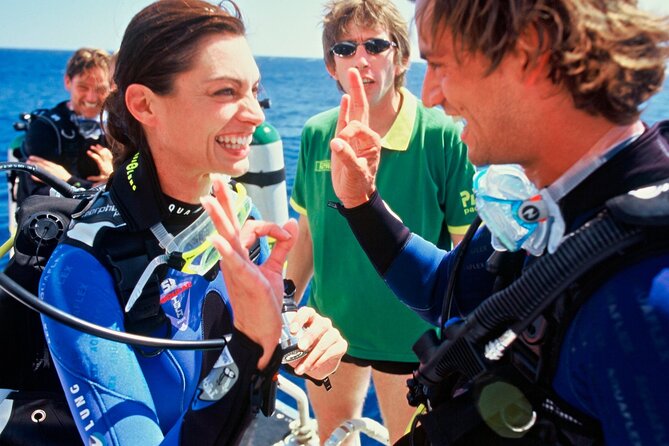
- Small group size (max 6) keeps the pace manageable
- Equipment included means you can focus on skills, not rentals
- Three training sessions are designed to earn the PADI Scuba Diver certification
- Max depth is 12 meters, and you’re always accompanied by a PADI professional
Levante Beach PADI Scuba Course: what this day is really for
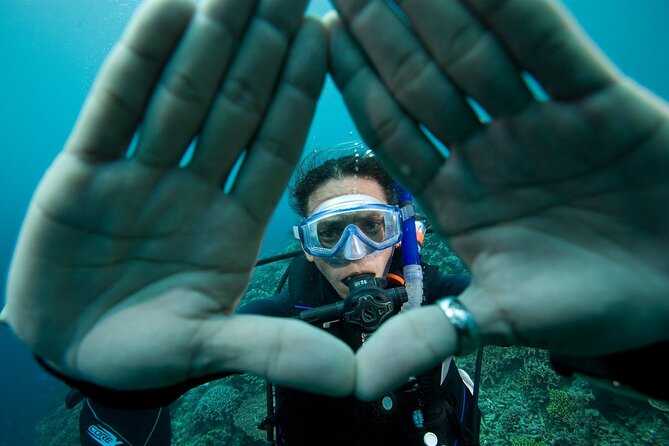
This is a one-day PADI course in Barcelona aimed at getting you to the PADI Scuba Diver level. The big promise is simple: after finishing, you’ll have the skills and certification level to scuba in destinations around the world, to a maximum depth of 12 meters, and with a PADI professional.
What makes this course appealing is not just the cert. It’s the pacing. Instead of scattering your learning over multiple days, you get a morning theory foundation, then you put it into action with structured open-water training in the Levante Beach area. If you’re the kind of person who learns best by doing, this format fits.
You should also know what the day feels like in real terms: it’s focused. You’ll spend the first chunk in the classroom for registration and theory, then you’ll shift into a water-skills mode for three training sessions. By the end, you’re not just leaving with a card—you’re leaving with muscle memory for basic scuba routines.
You can also read our reviews of more tours and experiences in Barcelona.
Price and value: is $347.22 a fair deal?
The price listed is $347.22 per person. That can sound steep until you look at what’s included.
You’re getting:
- Scuba equipment use
- PADI certification (the course outcome)
And you’re not getting:
- Bottled water
So your money is going to instruction + training + certification, not just “access to a beach.” On top of that, the course runs with a maximum of 6 people, which usually matters for hands-on training. More individualized attention often means fewer slow moments and more time actually practicing skills.
If you’re comparing against a DIY approach—booking separate equipment rentals, trying to find a skilled instructor for guided sessions, and then paying for certification later—this one-day package can be a clean, predictable way to get certified.
The schedule in plain language: from 9:00 theory to certification
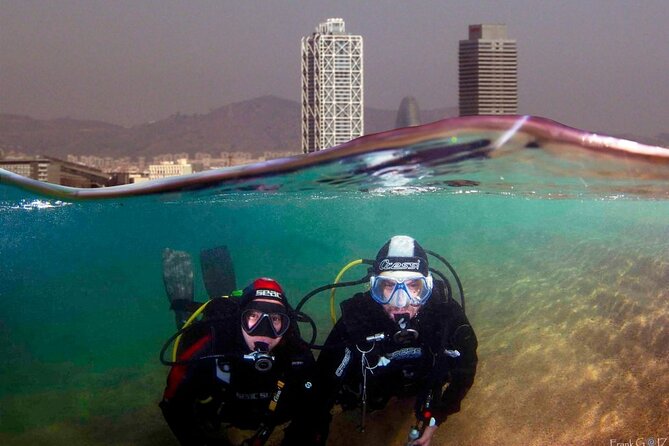
This course starts at 9:00 am. The day is designed to move in a straight line: learn the basics first, then apply them right away.
Step 1: Meet, register, and do the theory (morning)
You meet at the school location at 9:00 am. The first part is registration plus the necessary theory. That means you’ll cover the safety and rules side of scuba—what you need to understand before you can practice confidently in open water.
Why this matters: theory is where you prevent mistakes. Good theory doesn’t just satisfy a checkbox. It helps you know why a skill matters, what to expect underwater, and how to stay calm when conditions change.
Step 2: Head to Levante Beach for open-water training
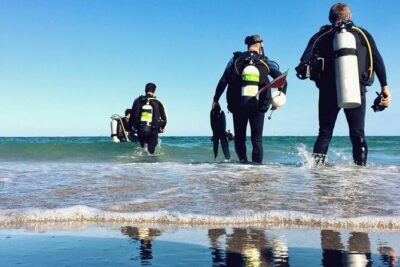
After theory, the group moves to the training water site at Levante Beach. Your training then consists of three training sessions aimed at completing the requirements for the PADI Scuba Diver certification.
What you can expect during the sessions is basic scuba practice under supervision—learning how the gear behaves, how breathing works, and how to coordinate your movements. Since your final certification level comes out of these sessions, they’re not random sightseeing. They’re skill-focused.
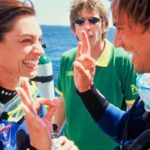
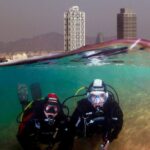
Step 3: Finish the course and leave with your certification
Once the certification steps are completed, you can scuba within the limits of the PADI Scuba Diver level. The course info also states that you’ll be accompanied by a PADI professional and that your max training depth limit is 12 meters.
Where you start: Passeig Marítim del Bogatell (and why location matters)
The meeting point is Passeig Marítim del Bogatell, 3574, Sant Martí, 08019 Barcelona, Spain. It also says the area is near public transportation.
I like meeting points like this for one reason: you can arrive without a complicated plan. Barcelona is easier when you can hop on transit and be within walking distance of the action. Since this course starts at 9:00 am, minimizing travel uncertainty is worth it.
Also, because the tour ends back at the meeting point, your day has a simple loop. You’re not trying to solve “where do I go next?” right after you’ve finished training.
Levante Beach training sessions: what you’re practicing in the water
This course includes three training sessions at Levante Beach to help you complete the PADI Scuba Diver certification. The training is structured around learning to function comfortably underwater and using equipment properly.
Here’s what the “three sessions” detail tells me as a practical matter: you likely won’t just do one short experience. Instead, you’ll have multiple chances to adjust and repeat skills, which is often the difference between feeling overwhelmed and feeling capable.
Even though the exact drills aren’t listed here, the course’s stated outcome is clear: by the end, you’ll have the basics to scuba to 12 meters as part of the certification level. That’s why the training is concentrated rather than decorative.
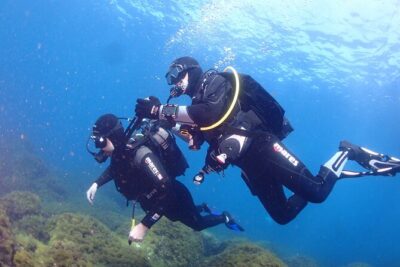
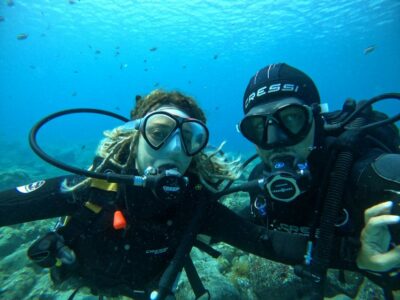
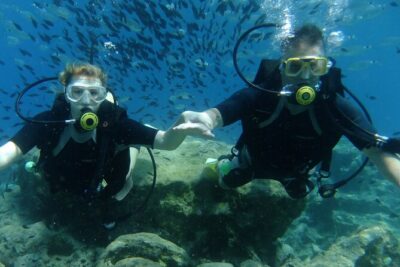
And yes, the course description talks about the feeling of being “like an aquarium” with colorful fish. While your day is mainly about skills, you’ll still get those moments where the water becomes the show: the calm breathing, the view as you descend, and the sense of being surrounded by sea life.
Equipment and hands-on help: the stuff that makes or breaks your day
The course includes use of scuba equipment. For a first-time or low-experience course, this is huge.
If you show up without gear, you spend time trying to understand:
- what fits your body,
- how straps should sit,
- and how each part behaves once you’re underwater.
By including equipment, the course can focus on fitting and instruction during the day, instead of turning your morning into an awkward gear hunt.
The course also notes you’ll be accompanied by a PADI professional. For me, that’s the safety baseline. In a learning environment, an instructor’s presence matters—especially the moments when you’re getting used to a new body position, a new breathing rhythm, and the mechanics of staying buoyant.
Certification: what the card means for your future scuba plans
The course aims for PADI Scuba Diver certification. The info also states you’ll be able to scuba anywhere in the world after completing the course, to a maximum depth of 12 meters, and always with a PADI professional.
That’s a key detail for your travel planning:
- If you’re hoping to do scuba on a future vacation, a certification gives you flexibility.
- The 12-meter limit shapes what sites you’ll likely be able to enjoy at first.
- The requirement for a PADI professional in guided settings means you should plan to book excursions that match your certification level.
If you’re thinking about doing more advanced scuba later, this course is a logical first step. It’s the entry pathway that helps you move from “I tried it once” to “I can scuba as part of a real trip.”
A small review detail worth caring about (Sid’s name comes up)
One of the positive write-ups highlights a person named Sid, with the reviewer specifically thanking him for letting them know how the training would work and for making the course feel supportive. That’s the kind of detail that matters for a nervous first-timer: you want clarity, not mystery.
I’d take that as a sign to show up ready to ask questions during theory and be honest in the water. If an instructor is checking in, your job is to communicate what you’re feeling so they can adjust your pace.
Who should book this course, and who should skip it
This experience says it’s suitable for most people. But it also lists clear health and medication constraints.
It is not recommended for:
- Travelers with hearing or respiratory problems
- Travelers who take prescription medicines
- Travelers who plan a plane flight within 24 hours after finishing
So who is it best for?
- People who want a fast path to scuba certification while they’re already in Barcelona
- Those who learn best in a structured day format: theory first, then water practice
- Anyone who likes small group instruction (this has a max of 6)
Who should pause?
- If you need to fly the next day, you’ll have to change timing.
- If you have respiratory or hearing concerns, this course may not be the right fit without medical guidance.
Weather and timing: the reality check for beach-based training
The course requires good weather. If conditions are poor, the activity may be canceled and you’ll be offered a different date or a full refund.
For planning, that means you shouldn’t build your entire itinerary around a single fixed date for this certification. If you can leave some flexibility, you’ll feel less stress.
The day itself starts at 9:00 am, and the course runs about 1 day. Because you’re learning and practicing skills, delays are less fun than they are in a typical sightseeing tour. It’s smart to arrive early enough to get settled.
Practical tips that make the day easier
Even with gear provided, you still want to prepare smartly.
Bring:
- Comfortable swimwear under dry clothes
- Any personal items you’ll want for after the sessions (quick change matters)
- A water plan, since bottled water isn’t included
Also plan your day around the course. After finishing, remember the 24-hour flight restriction. If you’re traveling soon after, adjust your schedule so you’re not stuck deciding between safety rules and ticket bookings.
Price, group size, and the value of focused instruction
At $347.22, you’re paying for a complete training package: theory, three open-water training sessions, equipment use, and the certification outcome. The max of 6 people is part of that value equation because it helps keep attention tight and training efficient.
The best value tends to come when:
- you’re ready to learn quickly,
- you can follow instructions closely,
- and you’re comfortable communicating any concerns early.
The course isn’t framed as a “see everything” seaside activity. It’s a certification day. If that matches your goal, the price can feel very reasonable.
Should you book this PADI Scuba Diver course in Barcelona?
I think this is a good booking choice if you want a fast, structured path to a real certification card while you’re already in Barcelona. The included equipment and the small 6-person max are strong practical wins, and the course’s training depth limit of 12 meters gives you a clear target.
Skip or rethink it if any of these are true:
- You need to fly within 24 hours of finishing
- You have respiratory or hearing issues, or you take prescription medicines
- You can’t tolerate the possibility of weather-related date changes
If you’re flexible with timing, and your goal is certification rather than casual sightseeing, this one-day setup at Levante Beach is a smart way to turn a holiday into an actual skill you can carry home.
FAQ
What time does the course start?
The meeting time is 9:00 am.
Where do I meet for the course?
You meet at Passeig Marítim del Bogatell, 3574, Sant Martí, 08019 Barcelona, Spain.
How long is the PADI course?
It’s listed as 1 day (approx.).
What certification do I earn?
You complete training for PADI Scuba Diver certification.
How many open-water training sessions are included?
The course includes 3 training sessions at Levante Beach.
What’s the maximum depth after certification?
The certification includes a maximum depth of 12 meters.
Is scuba equipment included?
Yes. The tour includes use of scuba equipment.
When can I fly after finishing the course?
You cannot take a plane flight until 24 hours after finishing the course.