REVIEW · BARCELONA
Barcelona: PADI Scuba Diver Course Certification Training
Book on GetYourGuide →Operated by iDive Barcelona Diving School · Bookable on GetYourGuide
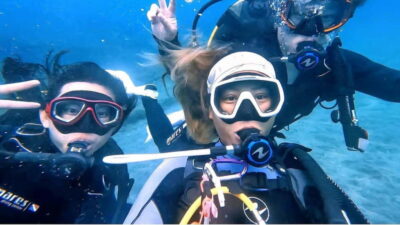
A fast route to SCUBA certification in Barcelona. You’ll train with PADI structure in a small group (max 6) and aim to finish with your Scuba Diver credential after three underwater sessions. It’s built for people who want real skills, not just a quick try-out.
I like that the day starts with a full theory session at 9:00am, focused on safety and how everything works. Then you move to the water to practice what you learned, instead of guessing what comes next. There’s a clear plan and a strict pace.
Pau and Alex stand out for a calm, patient teaching style, with clear English and lots of checks for understanding. One thing to consider: water visibility can vary at the training spot, and one past participant noted the view wasn’t great.
In This Review
- Key Things You’ll Like About This Barcelona PADI Course
- Barcelona’s One-Day PADI Scuba Diver Plan (and Why It Works)
- Your Exact Flow: 9:00am Theory, 3 Sessions in the Water, Finish by 19:00
- The Small-Group Advantage (Up to 6 People)
- Safety Skills You Actually Use: Equipment, Underwater Communication, Control
- Gear, What to Bring, and What You’ll Need to Plan Around
- Price and Value: Is $312 for One Day a Good Deal?
- Water Visibility and Conditions: What to Expect Under the Surface
- Who This Course Fits Best (and Who Should Skip)
- Getting to I Dive BCN: The Meeting Point and Day-of Reality
- Should You Book This Barcelona PADI Scuba Diver Course?
- FAQ
- How long is the PADI Scuba Diver certification training in Barcelona?
- What time does the course start?
- Where is the meeting point?
- Is equipment included in the price?
- What should I bring with me?
- Do I need to complete a medical form?
- When can I fly after the course?
Key Things You’ll Like About This Barcelona PADI Course
- Small group of up to 6, so you get coaching time instead of feeling like a number
- Three underwater sessions in one day, with theory first and practice right after
- Instructors who slow down for understanding, including clear communication in English
- Equipment included, so you can travel lighter and worry less
- Certification included, meaning you’re not paying extra to earn the credential
Barcelona’s One-Day PADI Scuba Diver Plan (and Why It Works)
Barcelona is a smart choice for a course like this because you’re in a major city with reliable schedules and easy logistics. You’re also doing SCUBA training in Catalonia with a structured PADI format, which matters if you want predictable standards and safety habits.
The best part of this setup is the time math. One day. Theory in the morning, water practice in the afternoon, and the goal is certification by the end of the day. That’s ideal if you’re building a tight itinerary or you want a focused activity without dragging it into a multi-day commitment.
Just keep expectations grounded. This is a Scuba Diver course designed around getting you certified with limited open-water time. You won’t leave knowing everything there is about every marine species or every possible condition. But you will learn the core skills that let you enjoy scuba worldwide under the right rules.
You can also read our reviews of more tours and experiences in Barcelona.

Your Exact Flow: 9:00am Theory, 3 Sessions in the Water, Finish by 19:00
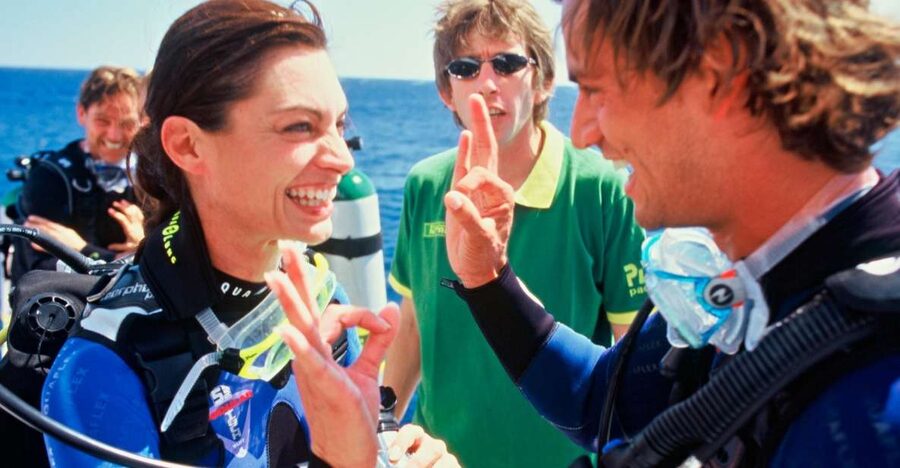
The schedule is straightforward, and that’s a good thing.
You start at 9:00am with a theory block. It covers the stuff that keeps you safe: how the equipment works and how you communicate underwater. The point isn’t to drown you in textbook facts. It’s to give you the mental checklist you’ll use once you’re wearing gear and breathing underwater.
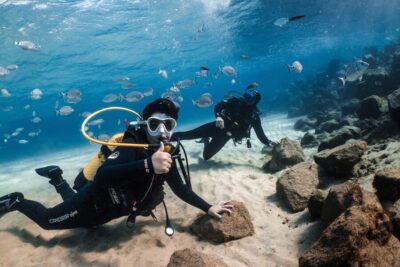
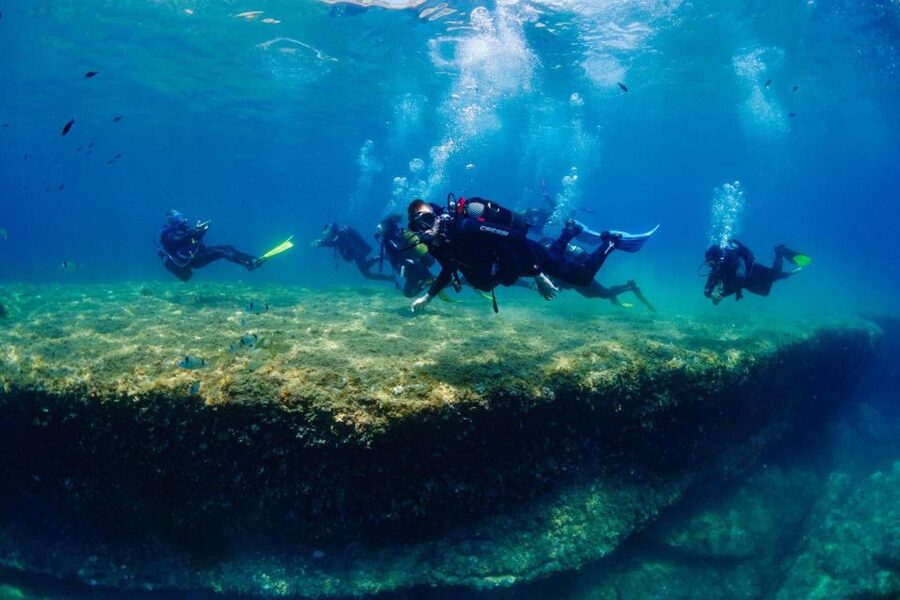
After theory, you go to the water point for three different practice sessions with a PADI-certified instructor. This is where the course becomes real. You’ll practice the skills discussed in the morning, under control, with an instructor watching closely and helping you correct mistakes early.
The day runs until 19:00. By that time, you’re already set up with your PADI Scuba Diver certification for wherever you plan to use it next. The day is long enough that you’ll want to arrive ready, but it’s not a two-day marathon.
The Small-Group Advantage (Up to 6 People)
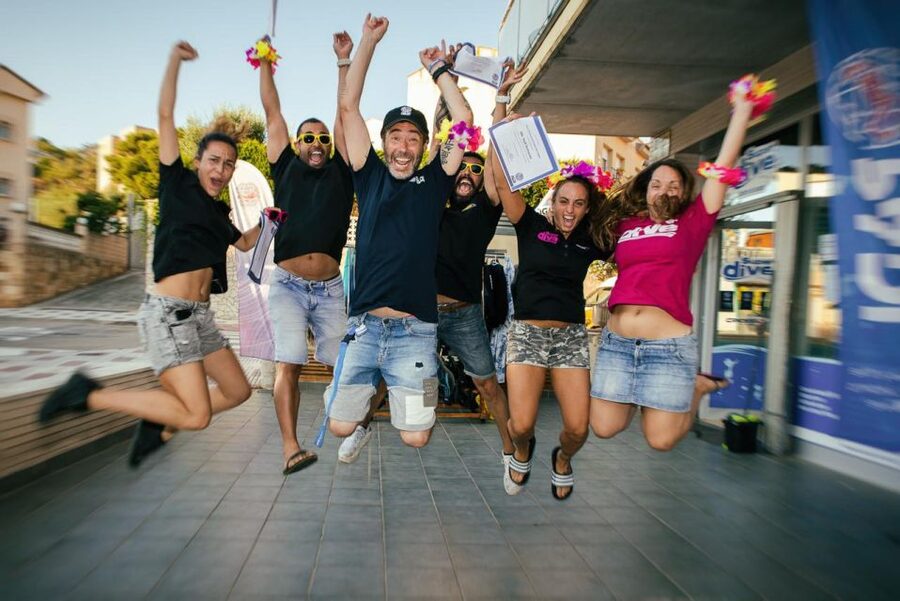
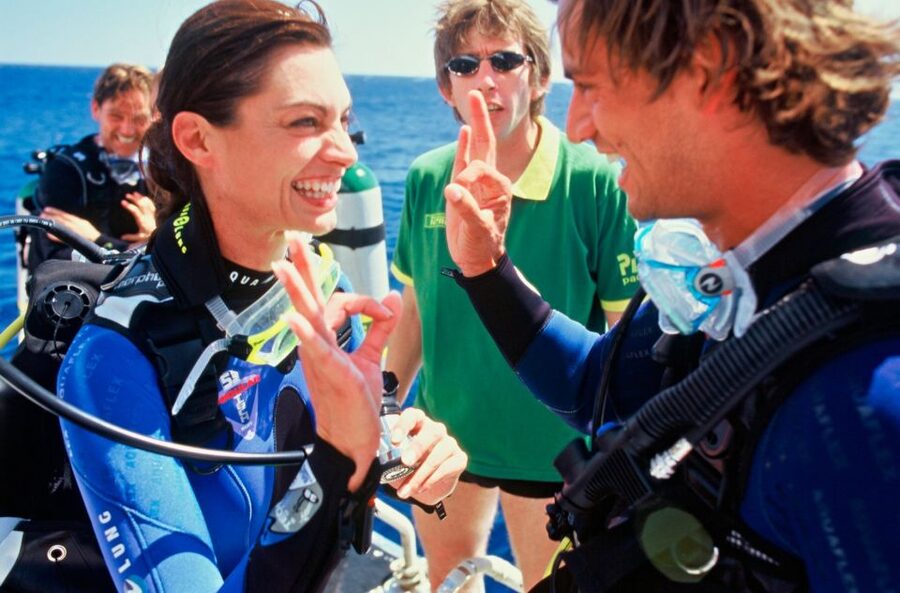
Max 6 participants changes the feel fast. In a larger class, you often wait your turn and hope the instructor notices you understood. Here, you get more hands-on time and more chances to ask questions.
That matters in SCUBA training because confidence is not just about fear levels. It’s about knowing what you’re doing: equipment checks, simple underwater procedures, and clear communication. When the group is small, the instructor can slow down for the person who’s unsure and still keep the rest of the class moving.
One of the strongest signals from the course experience is how instructors handle the pace. Pau was noted for being kind and patient, explaining things clearly and not rushing anyone. Alex also stood out for making the plan fit the group’s needs and the weather. That combination is exactly what you want in a one-day program.
Safety Skills You Actually Use: Equipment, Underwater Communication, Control
This course is built around safe practice in a controlled environment. That means you’ll spend the day learning how to manage equipment and how to work with an instructor through underwater signals.
From what’s taught, there are two big takeaways you should care about:
First, you learn the equipment basics you’ll need on every future trip. If you know how your gear works, you spend less mental energy panicking and more energy enjoying the ocean. That’s the practical difference between feeling overwhelmed and feeling in control.
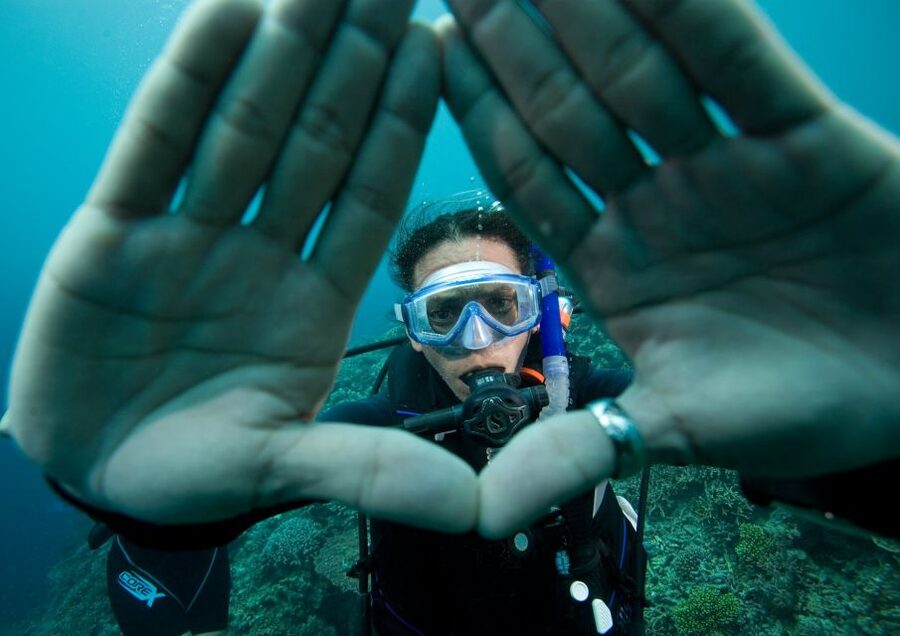
Second, you learn how you communicate underwater. It’s not about memorizing a bunch of complicated rules. It’s about having a shared system so you don’t guess when something needs attention. In SCUBA, guessing is the enemy.
If you’re new to SCUBA, treat this course like a skills boot camp. Your job is to listen, ask questions early, and practice calmly. The instructors’ style seems designed for that: patient explanations, comfort-building, and repeated clarity until you’re ready.
Gear, What to Bring, and What You’ll Need to Plan Around
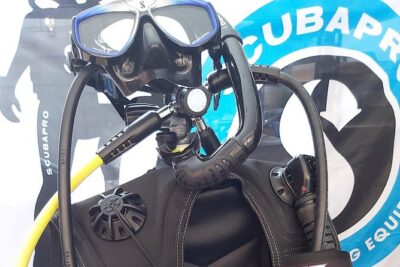
Good news: diving equipment is included. That’s a major value factor because you’re not hunting for rentals or lugging your own gear through transit.
What you should bring is simple and very traveler-friendly:
- Swimwear
- Towel
- Beachwear
Also plan for the fact that food or drinks aren’t included. This is a full-day activity, and you’ll want to be practical about timing. If you tend to get hungry or low-energy during long sessions, plan your day around food nearby before you start and after you finish.
You should also be aware of what’s not allowed: alcohol and drugs. It’s not just a rule on paper. It directly affects your safety and ability to complete training.
One more thing that surprises people: you’ll fill out a medical form on arrival. If your answers show you need medical permission, you won’t be allowed to carry out the activity. And if you’re taking prescribed medications, you also may not be eligible. If you’re denied due to a health issue, the money won’t be returned and another appointment won’t be made.
Price and Value: Is $312 for One Day a Good Deal?
At $312 per person for a one-day PADI Scuba Diver course, the value depends on what you’re comparing it to. Here’s the key: you’re paying for both equipment and PADI certification. That’s a cleaner package than many “try it” experiences that cost more once you add rentals and paperwork.
This price also fits a traveler mindset. If you’re visiting Barcelona for a short trip, this is a fast way to get a credential without spreading costs across multiple days. You pay once, you train once, and you get certified.
That said, you should weigh your personal comfort with one-day training. The schedule is intense enough that you’ll want to be well-rested and ready to learn quickly. If you prefer ultra-slow onboarding, you might feel the pace more than someone who’s done water sports before.
Water Visibility and Conditions: What to Expect Under the Surface
Here’s the honest piece: marine training conditions are not guaranteed.
One participant noted that water sight was terrible and there wasn’t much to see in the area, and also that it wasn’t the company’s fault. That tells you something important. The course is about training and skills, not about a guaranteed show of coral and big fish every minute.
So how should you plan your mindset?
- Focus on mastering the procedures and control.
- Treat the scenery as a bonus, not the main goal.
- If visibility is limited, your job is to stay calm and follow instructions. You’ll still learn what you need.
And because the instructors also factor in weather when planning, it’s likely they’ll adjust the day to keep training safe and workable.
Who This Course Fits Best (and Who Should Skip)
This is for adults and teens who are ready for structured water training and meet the health requirements.
It’s specifically not suitable for:
- Children under 12
- Pregnant women
- People with back problems
- People with mobility impairments (including wheelchair users)
- People with heart problems
- People with respiratory issues
- People with diabetes
- People with pre-existing medical conditions
- People with recent surgeries
- People over 70
If any of those apply to you, don’t assume you can “push through” on the day. The medical questionnaire is a gate for a reason.
Also, the course is not for people who want to arrive late. You must show up 15 minutes before the 9:00am start. Late arrivals aren’t allowed, and there’s no refund or rescheduling for being late.
Getting to I Dive BCN: The Meeting Point and Day-of Reality
You’ll meet at iDive BCN offices, Avinguda Diagonal 72. This is a practical setup in a central part of the city, which helps if you’re pairing your course with other Barcelona plans.
Because the day starts at 9:00am, I recommend you treat the morning like a commitment, not a suggestion. Build time for transit, check-in, changing, and a calm headspace before theory begins.
Should You Book This Barcelona PADI Scuba Diver Course?
Book it if you want a certification-focused one-day SCUBA course with equipment included, a small group, and instructors who prioritize safety and understanding. If you’re the type who learns best with clear steps and a patient coach, this format makes sense.
Skip it if you’re expecting a guaranteed “amazing marine world” show. Visibility can be limited, and the course time is primarily for training your skills. Also skip it if the health restrictions apply or if you might struggle with the strict start-time requirement and full-day pace.
If you’re ready to learn the fundamentals, this is a strong value way to earn a PADI Scuba Diver certification in Barcelona.
FAQ
How long is the PADI Scuba Diver certification training in Barcelona?
It runs for 1 day.
What time does the course start?
The theory session starts at 9:00am.
Where is the meeting point?
You meet at I Dive BCN offices at Avinguda Diagonal, 72.
Is equipment included in the price?
Yes. Diving equipment is included, and the PADI certification is included as well.
What should I bring with me?
Bring swimwear, a towel, and beachwear.
Do I need to complete a medical form?
Yes. You fill out a medical questionnaire on arrival. If your answers indicate you need medical permission, or if you are taking prescribed medications, you won’t be allowed to take part.
When can I fly after the course?
You must wait 24 hours after the course before flying.