REVIEW · NEGOMBO
PADI Advanced Open Water Diver Course
Book on Viator →Operated by Divinguru Sri Lanka · Bookable on Viator
Real coaching, not just a checkbox course. This PADI Advanced Open Water Diver (AOWD) course runs out of Divinguru Sri Lanka in Unawatuna, and you’ll practice 5 adventure underwater sessions under a PADI instructor while working through mandatory skills like underwater navigation. I like that the site mix is unusually varied for one short program: reefs and rocky valleys at different depths, plus major wreck options near Galle harbor with targets like the Rangoon wreck and SS Oreste. One thing to plan for: the 70€ PADI fee for manual and certification isn’t included in the course price.
What also made this feel worth my time is the way the training is built around repetition and feedback. You’re not just getting time in the water; you do theory for each required skill set, and you’re limited to a maximum of 8 people, so instruction stays personal. You start with registration at 8:30am, and it’s a good fit if you want structured progress without feeling rushed.
In This Review
- Key highlights you can feel on day one
- Why this Unawatuna AOWD setup is so practical
- What AOWD really adds: skills you use again
- Mandatory parts: deep-water training and underwater navigation
- Your 3 extra adventure sessions: choose your interests
- Theory time exists, and it’s not a wall of stress
- The underwater sites around Unawatuna and Galle harbor
- Reef areas up to about 18m: macro life and coral fish
- Deeper rocky sites: valleys, structure, and navigation practice
- Wreck focuses near Galle harbor: Rangoon, SS Oreste, and the Galle Ship Wreck
- Night underwater sessions are part of the possible mix
- Your 3-day flow: registration, theory blocks, and 5 total sessions
- Morning start: plan to be ready at 8:30am
- Afternoon start option: 1:30pm registration
- No exam pressure, but you’ll still do the work
- Group size cap: 8 people max
- Equipment, instructors, and what safety feels like here
- Price and value: where the real cost shows up
- Who should book this AOWD course in Unawatuna
- Should you book? My quick take
- FAQ
- What’s included in the course fee?
- Is the PADI manual and certification fee included?
- What are the mandatory parts of the AOWD course?
- How long does the course take?
- Do I need an Open Water Diver certification first?
- What’s the max group size?
Key highlights you can feel on day one
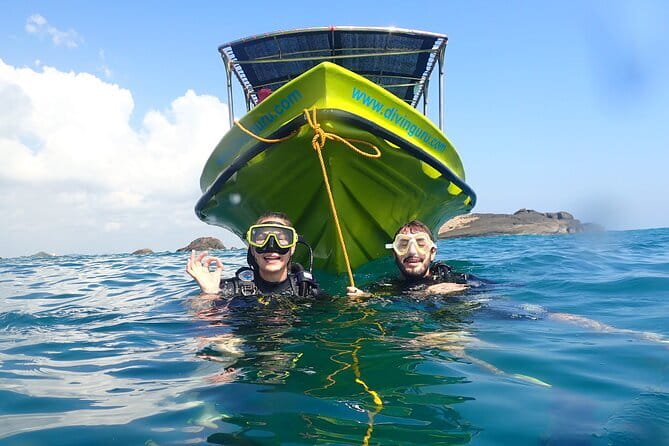
- Galle harbor wreck targets at real depths like the Rangoon wreck (30m), SS Oreste (22m), and the Galle Ship Wreck (18m)
- Reef and rocky-structure variety across sites from 6 to 30m, including macro life and sandy-bottom sting rays
- Mandatory underwater navigation plus deep-water training as core skills, then 3 more adventure options
- Hands-on instructor support with a small cap of 8 (you get the kind of time that matters for buoyancy and safety)
- Practical, repeatable structure: theory for each adventure focus (no exam) and 2 to 3 underwater sessions per day
- Included comfort items like bottled water, snacks, and coffee/tea, plus scuba equipment
Why this Unawatuna AOWD setup is so practical
Unawatuna is set up for scuba training in a way that’s easy to like: you can jump between reef areas, rocky terrain, and wreck sites without needing a whole expedition. The training center operates with around 16 different underwater sites in the 6 to 30m range, which matters because AOWD is designed to expand your skills across conditions—not just repeat the same routine.
On the “human” side, the instruction quality looks consistent. Past course work here has highlighted calm, patient coaching and a strong safety focus—names that show up in instructor experiences include Leon, Tarush, Supun, and Hans. In plain terms: you want someone who can correct your habits without drama, and the feedback on this shop points in that direction.
The one caution is budgeting: the listed price is not the full PADI cost. The course fee doesn’t include the 70€ PADI portion for the AOWD manual and certification (and PADI card/teaching materials are also not included beyond what’s stated). So the real value equation is price + PADI fees + whatever you choose for theory format.
You can also read our reviews of more tours and experiences in Negombo.
What AOWD really adds: skills you use again
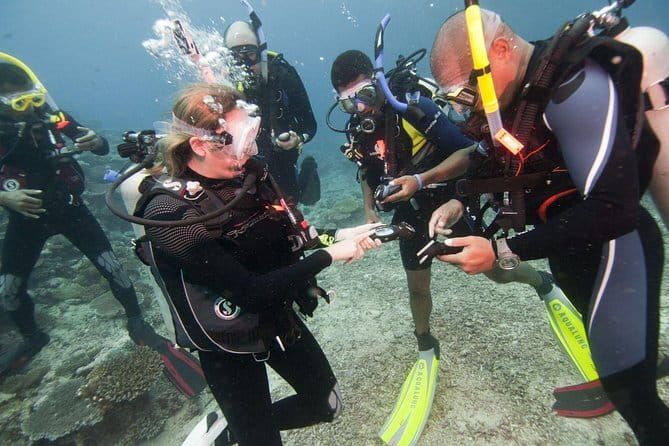
AOWD is often sold as “more dives,” but the useful part is the focused skill work. Here, the course structure centers on mandatory elements and lets you build a personal mix from there.
Mandatory parts: deep-water training and underwater navigation
You’ll complete required training for:
- Deep-water training
- Underwater navigation
Those two are the backbone of the course. Deep-water work teaches you how to manage breathing, comfort, and decision-making when conditions change. Underwater navigation is the skill that turns a good outing into a confident one—you practice controlling direction and staying aware so you’re not just following someone’s fin kicks.
Your 3 extra adventure sessions: choose your interests
After the mandatory items, you pick 3 more adventure underwater sessions, with options that can include:
- wreck focus
- boat focus
- peak performance buoyancy
- fish identification
Even if you don’t pick those exact categories, the point stays the same: you’re building specialty awareness and using it in real conditions around Unawatuna and Galle.
Theory time exists, and it’s not a wall of stress
For each adventure focus, you do theory time for around half a day, and importantly, it’s described as theory without exams. That matters because it reduces the “pass/fail panic” and makes it easier to absorb concepts between water sessions. If you prefer to do theory ahead of time, there’s also an option for PADI AOWD eLearning, but you still need to register correctly with the dive center listed for the course.
The underwater sites around Unawatuna and Galle harbor
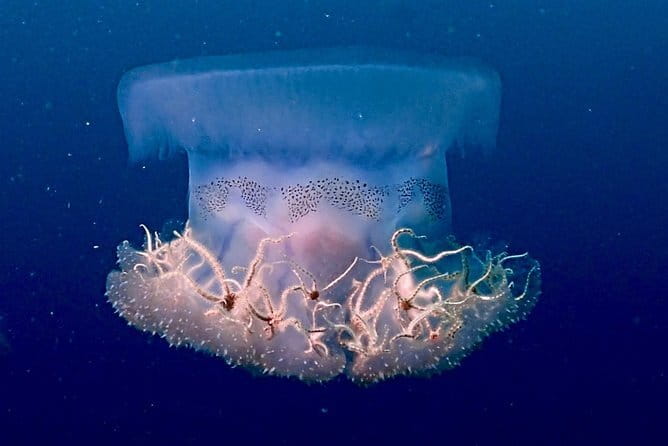
This course is built around variety, and the site list explains why.
Reef areas up to about 18m: macro life and coral fish
At many reef-leaning sites (with depths up to around 18m), hard and soft corals exist, but soft coral is described as unfortunately rare. That’s not a dealbreaker—it just changes what you should hunt for with your eyes. You’ll more likely spend your time enjoying:
- macro subjects
- nudibranchs (often a highlight in this region)
- coral fish from the Indian Ocean
- sting rays resting on sandy bottoms
If you like slowing down and spotting small things, these sites can be more satisfying than a site that’s only impressive because it looks massive from a distance.
Deeper rocky sites: valleys, structure, and navigation practice
Past the shallower reef zone, the character shifts. Deeper sites are described as mostly rocky areas with deep valleys to explore. This kind of structure rewards good buoyancy and planning—both are things your AOWD course will work on. It’s also a natural place to use navigation skills because the “map” in your head has to keep up with what you’re seeing.
Wreck focuses near Galle harbor: Rangoon, SS Oreste, and the Galle Ship Wreck
This is where the course gets especially compelling for many divers. Near Galle harbor, the wreck options include:
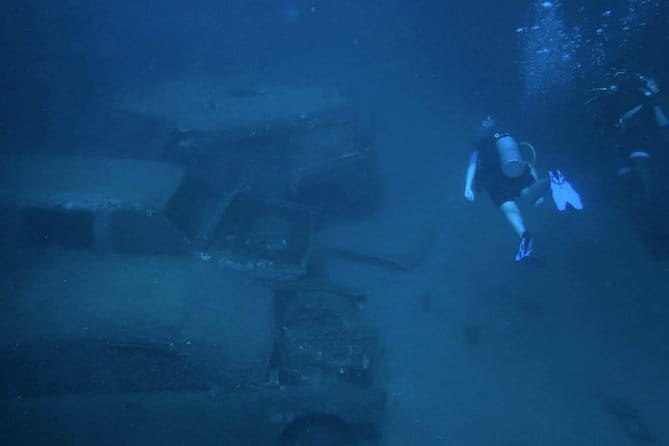
- Rangoon wreck at 30m
- SS Oreste at 22m
- Galle Ship Wreck at 18m
The deeper wreck sites are also described as having the best life density—soft corals and fish are said to be strongest at the two deeper wrecks. You may see large numbers of sweet lips, along with other fish species. If you want underwater scenes that feel like they have history plus wildlife traffic, these sites are designed for that.
Night underwater sessions are part of the possible mix
Night underwater sessions are listed among the site types the center offers. The course content includes adventure session choices, so if night becomes one of your picks, it’s worth knowing you’ll be training in different visibility and awareness conditions, not just changing the clock.
Your 3-day flow: registration, theory blocks, and 5 total sessions
The schedule is described as taking about 2 to 3 days and including 5 adventure underwater sessions. It also states you’ll complete theory for each session focus for around half a day, then do 2 or 3 sessions per day.
Here’s how I’d think about the rhythm:
Morning start: plan to be ready at 8:30am
If you’re starting in the morning, you need to be at the diving center for registration at 8:30am. That time matters because theory blocks run before you get into the water, and AOWD is structured so you don’t just show up and hop in.
Afternoon start option: 1:30pm registration
If your course starts in the afternoon, registration is at 1:30pm. In practice, that means your first theory and your first water timing will shift later in the day, so I’d build flexibility into your broader travel plan.
No exam pressure, but you’ll still do the work
Theory is part of the course for each adventure focus, but it’s described as without an exam. Still, you should show up mentally ready to learn and ask questions—navigation and deep-water concepts don’t “click” from reading alone. Doing the theory right before related water work is the whole point.
Group size cap: 8 people max
With a maximum group size of 8, you can expect more individual attention than in large-course settings. That tends to matter most for underwater navigation habits (which are hard to correct if everyone is shuffled into a big cluster).
Equipment, instructors, and what safety feels like here
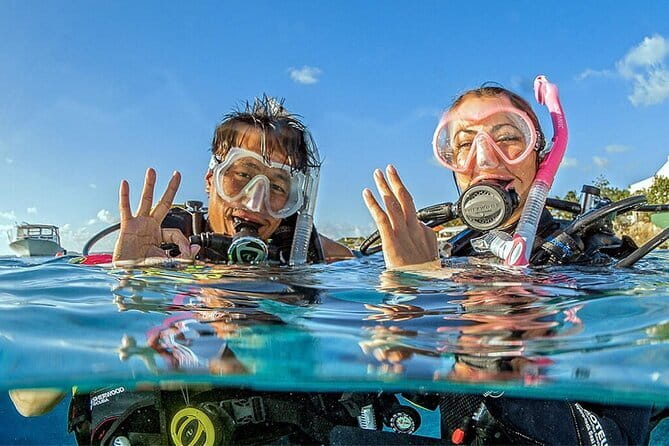
The course includes use of scuba equipment, which takes away one of the biggest hassles of traveling. You’ll also get bottled water, snacks, and coffee and/or tea, but lunch is not included—so build that into your daily budgeting.
What stands out in the instructor experience here is the consistent theme of patience and security-minded coaching. In the feedback, Leon is described as taking security seriously and being patient while explaining thoroughly. Supun is described as calm and instructional in a way that helped people feel completely at ease. Hans also comes up as a positive presence, and Tarush is noted for flexibility with course preferences.
I don’t treat that as marketing fluff. A well-run AOWD course is mostly invisible work: managing comfort, checklists, and pacing. When those parts are done well, you feel it as less stress and more time to focus on learning the actual skills.
Price and value: where the real cost shows up
The course price is listed at $225.51 per person for about 3 days, and the inclusions are solid for a short intensive:
- scuba equipment
- bottled water
- snacks
- coffee and/or tea
But here’s the financial catch: the 70€ PADI fee for the manual and certification costs is not included in the course fee. PADI card/teaching materials are also not included beyond what’s specified.
So the decision becomes: does this price still feel fair once you account for the 70€?
In my view, it can be good value because:
- you’re getting a structured AOWD program with mandatory navigation and deep-water training
- you’re working through 5 adventure underwater sessions over a tight timeframe
- group size is capped at 8, which usually correlates with better feedback
- equipment and daily comfort items are included, reducing “extra costs on top”
If you were already planning to pay for the PADI AOWD manual and certification anyway, the math looks more straightforward. If you were hoping this would be an all-in price with no add-ons, you’ll want to budget for that 70€ before booking.
Who should book this AOWD course in Unawatuna
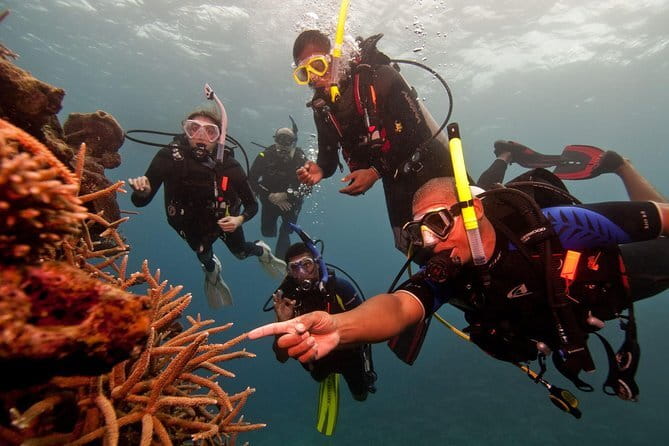
This course fits best if you:
- already have Open Water Diver certification (that prerequisite is required)
- want more skill depth quickly—especially navigation and deep-water comfort
- like the idea of wreck-focused scenes near Galle harbor
- enjoy macro life and sandy-bottom wildlife when conditions are right
- prefer smaller groups (max 8)
Minimum age is 12 years.
You might want to think twice if:
- you’re sensitive to extra costs because the PADI portion isn’t included
- you want a fully hands-off experience; theory blocks are part of the structure, even though there’s no exam
Should you book? My quick take
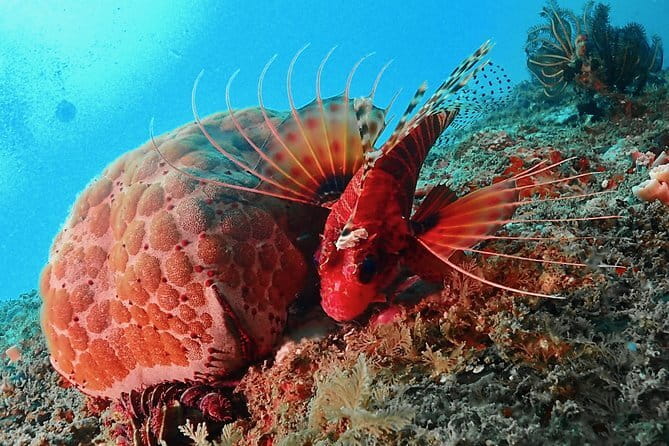
Book it if you want AOWD to feel useful—skills you can carry into future trips—and if the wreck lineup near Galle harbor is high on your wishlist. The mix of reef areas, rocky valleys, and wreck options gives your training a real sense of variety, and the instructor feedback points to patience and safety as priorities.
Skip it (or ask lots of questions) if your main goal is lowest cost with no extra PADI expenses. The 70€ PADI fee is a real line item, and lunch isn’t included either. Once you accept those, the rest of the package looks like a practical, value-driven way to earn your advanced credentials in Sri Lanka’s south-coast water.
FAQ
What’s included in the course fee?
The course includes bottled water, snacks, coffee and/or tea, and use of scuba equipment. Lunch is not included.
Is the PADI manual and certification fee included?
No. The PADI fee of 70€ for the AOWD manual and certification costs is not included in the course fee.
What are the mandatory parts of the AOWD course?
Deep-water training and underwater navigation are mandatory. You then complete three additional adventure underwater session options.
How long does the course take?
It takes around 2 to 3 days and includes 5 adventure underwater sessions.
Do I need an Open Water Diver certification first?
Yes. The prerequisite is that you must be an Open Water Diver.
What’s the max group size?
The maximum group size is 8 travelers.
—
If you tell me your current certification level and what you want most (wreck focus, buoyancy skills, fish ID, night sessions), I can suggest which AOWD adventure picks usually make the most sense for a 3-day schedule.
![[PRIVATE] Negril Sightseeing Tour with RickS Cafe Cliff Diving - Rutland Point Craft Centre and Orange Hill: a quick culture stop that doesn’t drag](https://8.scubadivelover.com/wp-content/uploads/private-negril-sightseeing-tour-with-ricks-cafe-cliff-diving-400x267.jpg)