REVIEW · CENTRAL MACEDONIA
Scuba diving for beginners in crystal clear sea of Halkidiki
Book on GetYourGuide →Operated by Triton Scuba Diving Center · Bookable on GetYourGuide
A first breath underwater changes your whole day. This beginner scuba experience in Halkidiki pairs classroom basics with hands-on practice, then sends you to Porto Valitsa Bay to meet real marine life in clear water.
I love how much time they build in for comfort: you start on the beach, practice in shallow water, and your instructor stays close while you learn regulator breathing and swimming with the gear. I also like the flexibility of doing one or two underwater sessions in the same day, depending on how you feel after the first check.
One consideration: you may wait around at the center before you head out. One review called it out, so if you’re tight on time, plan to arrive a little early and relax.
In This Review
- Key things to know before you go
- Halkidiki’s crystal-clear water and why Porto Valitsa Bay fits beginners
- What happens in the 20-minute safety briefing (and why it’s worth your attention)
- Theory lesson and shallow-water practice: learn the gear before you chase sea life
- The first underwater session at Porto Valitsa Bay: calm, colorful, and gradually deeper
- Ear equalization and comfort: the practical skill that saves your day
- Timing, duration, and how the day actually feels (3 hours total)
- Gear, language support, and what to bring so you’re not scrambling
- Price and value: what $106 gets you for a first-timer session
- Who this beginner scuba session is for (and who should skip it)
- Should you book this beginner scuba experience in Halkidiki?
- FAQ
- How long is the beginner scuba experience?
- Where do we meet?
- What’s included in the price?
- Do I need my own scuba equipment?
- Are there any age or pregnancy limits?
- What should I bring?
Key things to know before you go
- Shallow-water practice first so you get used to regulator breathing before any deeper time
- English, Greek, and Russian-speaking instructors for clear guidance
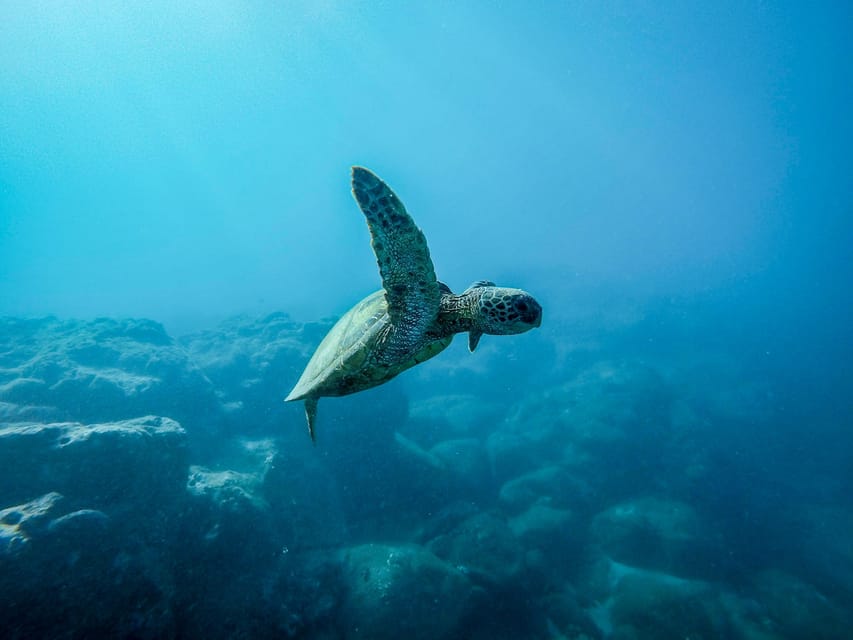
- Porto Valitsa Bay as the launch point, with reefs, sponges, and corals the goal
- One or two underwater sessions offered the same day, so you can match your comfort level
- Gear rental included daily, which keeps the experience simple for first-timers
Halkidiki’s crystal-clear water and why Porto Valitsa Bay fits beginners
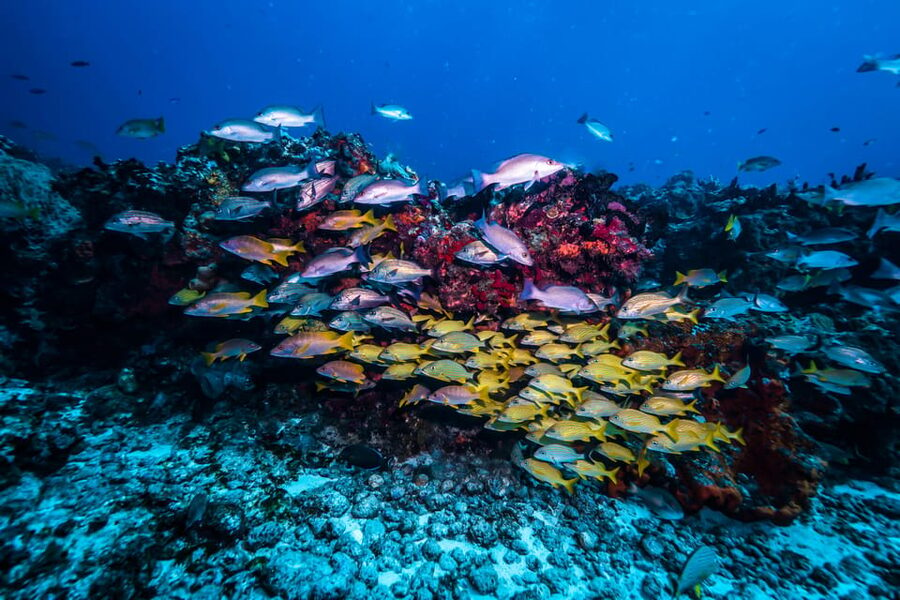
Halkidiki is known for water clarity, and this experience is built around that. You’re not thrown into the deep end. The plan is to get you feeling normal with the equipment first, then use Porto Valitsa Bay as your early training playground.
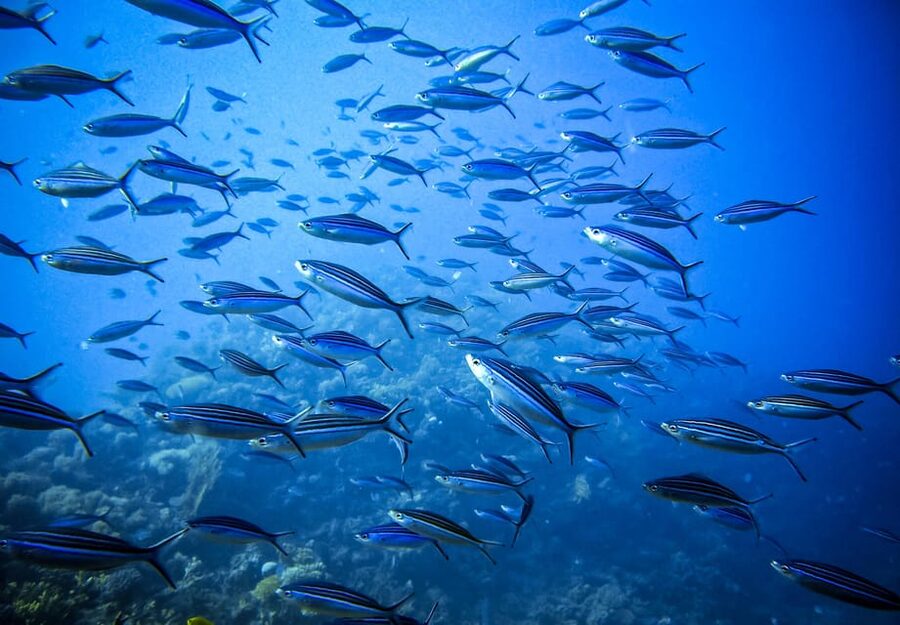
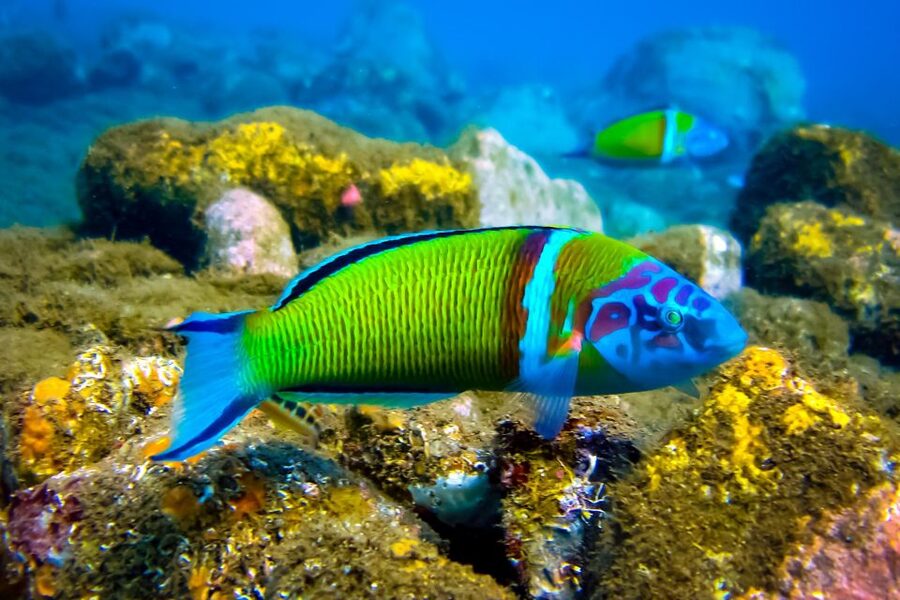
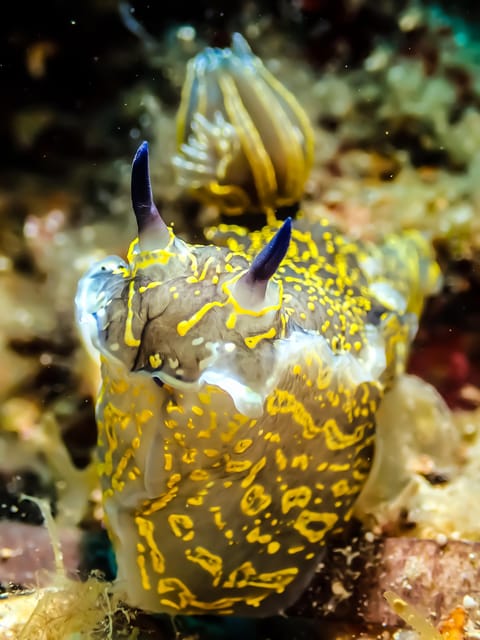
Porto Valitsa Bay matters because the routine is designed around a gradual progression. You’ll start at the beach, work in shallow water, and then move only as far as you personally feel ready to go. That’s the difference between a scary first underwater experience and one that feels controlled. You’ll also spend time looking at what’s actually down there: reefs plus lots of marine life, with the chance to spot sponges and corals as you explore.
From the day’s description, the center has access to 7 different underwater sites with different features like walls, caves, springs, and bubble zones. You won’t necessarily see all of them on a single beginner session, but it does signal that this is not a one-size-fits-all operation. They can match the plan to what your group is ready for and to the conditions that day.
What happens in the 20-minute safety briefing (and why it’s worth your attention)
Before you head to the water, there’s a safety briefing lasting about 20 minutes. For first-timers, this is where you learn the rules that keep the whole day calm. It’s also where you’re likely to get the key do’s and don’ts that make your underwater breathing feel less mysterious.
The reviews support the idea that they explain things clearly. People specifically praised how well the instructors communicated basics, not just the mechanical stuff like using the regulator, but also practical body skills. One review even mentioned that the instructor taught ear equalization techniques (including what to do even with your mouth open), which is exactly the kind of detail you want before you’re down.
This is also where you should treat questions like gifts, not distractions. If you’re nervous about ears, buoyancy, or what to do if you feel off, ask during the briefing. The point isn’t to sound fearless. The point is to get comfortable.
Theory lesson and shallow-water practice: learn the gear before you chase sea life
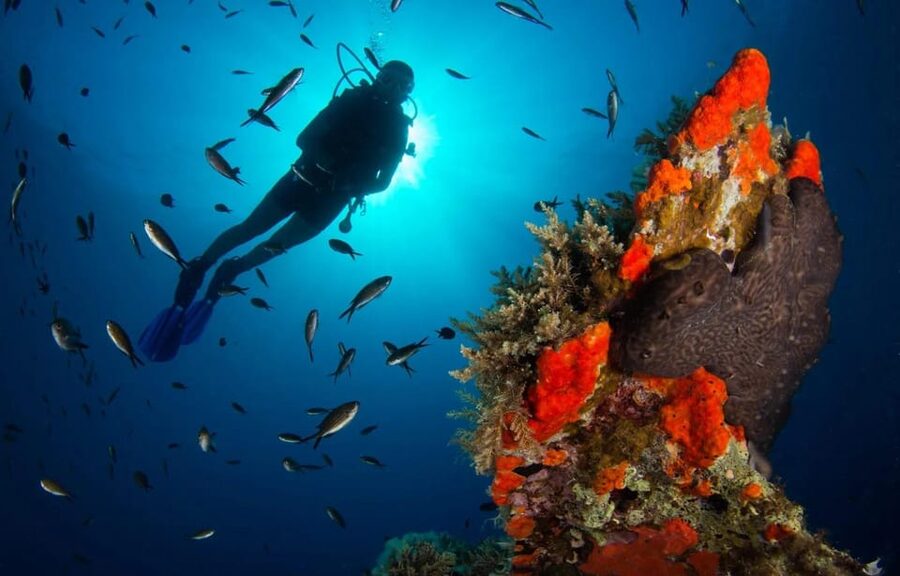
After the safety talk, you get a theory lesson plus practical instruction. The flow is straightforward: learn the basics, then test them immediately in the water.
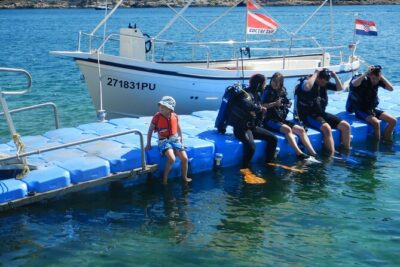
The practical part starts right from the beach. In shallow water, you’ll practice:
- breathing through the regulator without panic
- moving in a controlled way while wearing scuba equipment
- getting your body used to buoyancy and the feel of being underwater
They give you time to adjust. That matters more than people realize. First-timers often need a few extra minutes just to stop feeling clumsy. Here, you’re not rushed. Your instructor stays patiently nearby so you can build confidence step-by-step.
I also like that the training is designed around how you’re actually going to feel. Instead of learning skills only on land, you test them where they matter. And because it happens in shallow water, you can focus on technique, not depth.
The first underwater session at Porto Valitsa Bay: calm, colorful, and gradually deeper
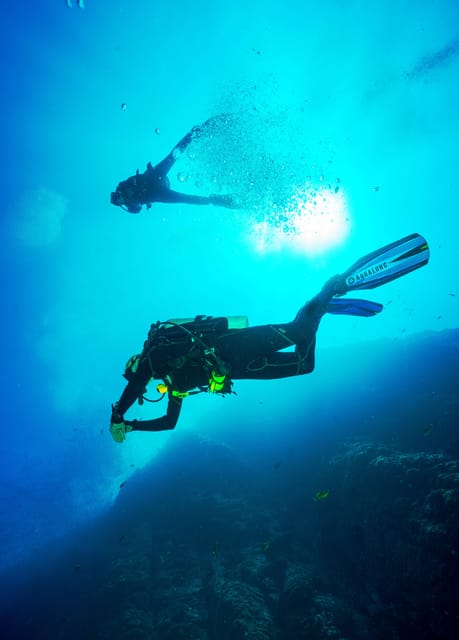
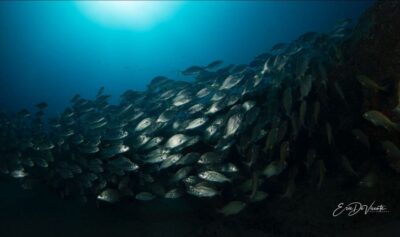
Once you’re ready, you start exploring the local marine life and underwater reef areas. The day’s description talks about reefs full of sponges and corals, plus the overall feeling of slow underwater freedom—calm, quiet, and focused.
For many beginners, the biggest surprise is how quickly you lose track of time. One review said that about 30 minutes felt like it flew by, and they ended up wanting about 30 more once they realized they could handle it. That’s a good sign for first-timers: the experience isn’t a long, uncomfortable endurance test. It’s a guided introduction.
You’ll move gradually to the depth that feels comfortable to you. That’s important. Comfortable depth means better breathing, steadier focus, and less mental noise. You get to enjoy the view instead of constantly checking how far you are from the surface.
Also, the center emphasizes multiple kinds of sites—reefs, walls, caves, springs, bubbles. Even if your exact route varies, the “mix” is the point. Underwater life isn’t only about one pretty reef patch. It’s about variety in terrain and the small ecological details that come with it.
Ear equalization and comfort: the practical skill that saves your day
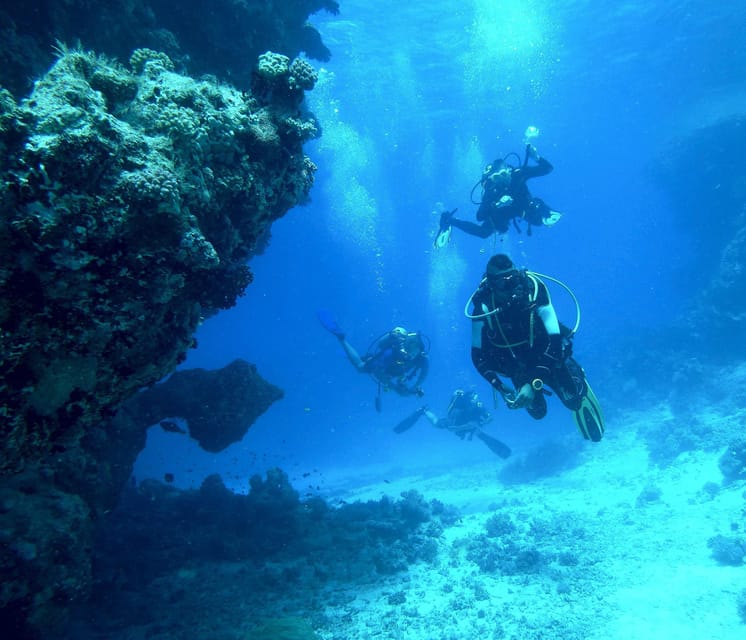
If you’re even slightly worried about ears, you’ll appreciate that the instruction includes equalization coaching. One review specifically mentioned that they had no ear problems because the instructor taught them how to equalize, even with the mouth position used during the process.
For your comfort, treat equalization as a normal part of the experience, not an emergency skill. Go slowly, do what the instructor says, and don’t force depth faster than your body wants.
Another comfort factor: the team carries heavy gear. At least one reviewer noted that the instructors handled the oxygen tank for them, which reduces the stress of managing everything yourself. For beginners, that’s not a small detail—it helps you stay focused on breathing and movement rather than logistics.
Timing, duration, and how the day actually feels (3 hours total)
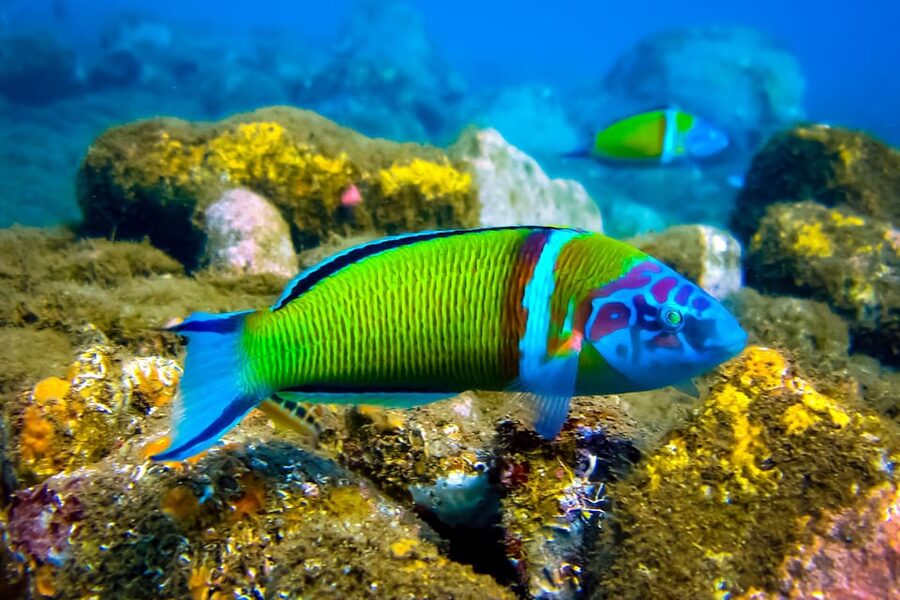
The total experience length is 3 hours. On the schedule, there are two organized sessions each day at 9:00 and 13:30.
Here’s the useful way to think about time: 3 hours is long enough for safety briefing, theory, and real practical training, but short enough that you don’t feel dragged. For beginners, that’s ideal. You get a full introduction without losing your energy.
One review did mention waiting around quite a bit at the center. That doesn’t automatically ruin the day, but it’s a heads-up. If you’re the type who hates idle time, plan to arrive a little early, bring a water bottle for before/after, and keep your expectations flexible.
Gear, language support, and what to bring so you’re not scrambling
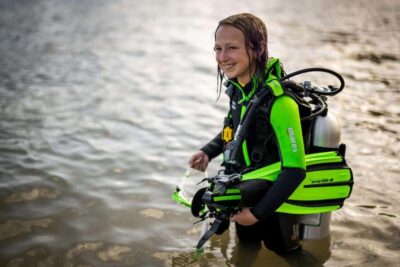
Good news: the price includes daily equipment rental, plus the theory lesson and practical instruction. You’re not hunting for your own scuba gear. For first-timers, that’s a major value point.
You’ll want to bring:
- swimwear
- towel
- sunglasses
- hat
- sunscreen
I’d add one simple mindset: protect your time above water. Sunscreen and a hat are the boring stuff that makes the whole experience more enjoyable. If you show up already comfortable in the heat, you’ll settle faster once you’re geared up.
Language support is also clear from the info: instruction is available in English, Greek, and Russian. That means if you’re more comfortable in one of those languages, you can often relax right away. Clear communication reduces nerves faster than any pep talk.
Price and value: what $106 gets you for a first-timer session
The price is $106 per person for about 3 hours. That sounds straightforward, but the value really comes from what’s included. You’re paying for more than equipment rental. You’re paying for:
- theory and structured coaching
- shallow-water practice time (not just a quick “watch me” lesson)
- the guided underwater exploration at Porto Valitsa Bay
- the instructor support that keeps you safe and calm
You’re also not paying extra just to try, which matters if you’re unsure you’ll like the experience. The structure helps beginners get enough repetition to feel competent, not just curious.
What’s not included: underwater photos and videos, and there’s no transfer included from hotels on the Kassandra peninsula. If you’re staying in Kassandra, you’ll likely need to handle your own transport to the center. That’s the main “hidden” cost variable: not the scuba part, but getting there.
For many people, the $106 price still feels fair because you’re getting a full training sequence plus a real underwater encounter, not only a gear-wearing stunt.
Who this beginner scuba session is for (and who should skip it)
This experience is designed as a first contact with the underwater world. It’s a good match if you:
- have wondered what’s beneath the surface
- want patience and step-by-step training
- prefer a gradual plan rather than a fast shock of depth
- enjoy nature-focused travel with a hands-on activity
It’s not suitable for:
- children under 8
- pregnant women
If you have any other concerns (like recent ear issues), you should talk with the center before booking, since comfort and safety depend on your personal situation.
One more practical point: the day includes the option for one or two underwater sessions based on your comfort after the first part. So even if you start nervous, there’s room to decide once you feel what the experience is actually like.
Should you book this beginner scuba experience in Halkidiki?
If you want a first-time scuba experience that’s practical, paced, and instructor-led, I think this is a strong choice. The best part is the teaching approach: shallow-water training first, clear coaching, and an instructor who stays patient while you learn regulator breathing and comfort skills. Add in the schedule options at 9:00 and 13:30, plus equipment included, and you get a day that’s easy to plan and worth your money.
Book it if:
- you want a controlled introduction to underwater life
- you like the idea of doing one or two underwater sessions depending on comfort
- you value clear instruction and calm support
Skip it (or ask questions first) if:
- you dislike waiting around at the start time
- you’re counting on hotel pickup from Kassandra peninsula (that’s not included)
FAQ
How long is the beginner scuba experience?
It lasts about 3 hours.
Where do we meet?
You meet at Triton Scuba Diving Center.
What’s included in the price?
It includes daily equipment rental, a theory lesson, a practical lesson, and the underwater session.
Do I need my own scuba equipment?
No. Equipment rental is included daily.
Are there any age or pregnancy limits?
Yes. It is not suitable for children under 8 years and not suitable for pregnant women.
What should I bring?
Bring swimwear, a towel, sunscreen, sunglasses, and a hat.