REVIEW · ST PAUL S BAY
Malta, Scuba diving with instructor
Book on GetYourGuide →Operated by Divebase Malta · Bookable on GetYourGuide
You get a first taste of the underwater world.
This 3-hour Malta experience pairs classroom prep with a supervised open-water session in St. Paul’s Bay, all run from the DiveBase Malta base in St. Paul’s Bay area. It’s a straightforward way to test the scuba waters without needing prior certification.
What I like most is the small group size (limited to 4), so the instructor can watch your breathing, buoyancy basics, and confidence in real time. I also love that everything is taken care of: full equipment, insurance, and learning materials are included, plus you get a proper theory session before you head out.
One thing to consider: you’re expected to swim confidently and follow safety rules closely, and the activity isn’t suitable for people with several medical conditions. If you can’t swim or you’re dealing with respiratory or back issues, this may not be the right fit.
In This Review
- Key highlights to know before you go
- Your first scuba experience in Malta: what you’re really signing up for
- The value of the price: is $96 a fair deal?
- Getting to DiveBase Malta and what happens before the water
- Stop 1: DiveBase Malta and the theory that actually matters
- Stop 2: Bugibba safety briefing for 45 minutes
- Stop 3: St. Paul’s Bay open-water session (1 hour, max 12 m)
- Gear, insurance, and the stuff you don’t want to forget
- Who this is best for (and who should skip it)
- Instructor style: safety that feels human
- The itinerary timing: 3 hours without feeling rushed
- Rules you’ll want to remember (seriously)
- Should you book this Malta scuba introduction?
- FAQ
- FAQ
- How long is the experience?
- Where does the experience start and end?
- Is prior scuba certification required?
- What depth will I reach?
- How big is the group?
- What’s included in the price?
- What should I bring?
- Can children participate?
- When can I fly after the session?
Key highlights to know before you go
- Small group of up to 4 means you get more direct help during the setup and checks
- Theory + practice in one 3-hour block so you learn, then use it quickly
- Max depth is limited to 12 m (good structure for a first-time session)
- Full gear, insurance, and materials included, so you don’t have to price-match rentals
- You’ll get a 45-minute safety briefing before you enter the water
- English-speaking instructor helps you keep up with every step
Your first scuba experience in Malta: what you’re really signing up for
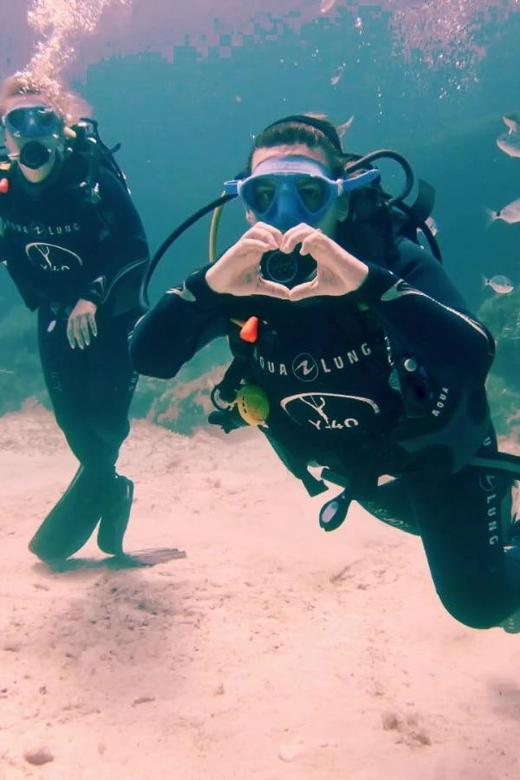
This is not a long, complicated certification course. It’s a focused introduction built for people who are new, nervous, or simply curious and want a real underwater experience with clear instruction.
The format matters. You get a theory session first, then you move to the water for an exercise period and an open-water session. That order helps you understand what you’re feeling underwater—like how your regulator changes your breathing rhythm and how buoyancy can feel “odd” at first. By the time you’re in the water, you’re not guessing. You’re following steps.
And because you’re limited to 4 participants, it’s not a rushed cattle call. You can ask questions and the instructor can spot small issues early—things like how you’re positioning your body, whether you’re comfortable equalizing, and how you handle mask and regulator checks. For your first time, that kind of attention is everything.
You can also read our reviews of more tours and experiences in St Paul S Bay.
The value of the price: is $96 a fair deal?
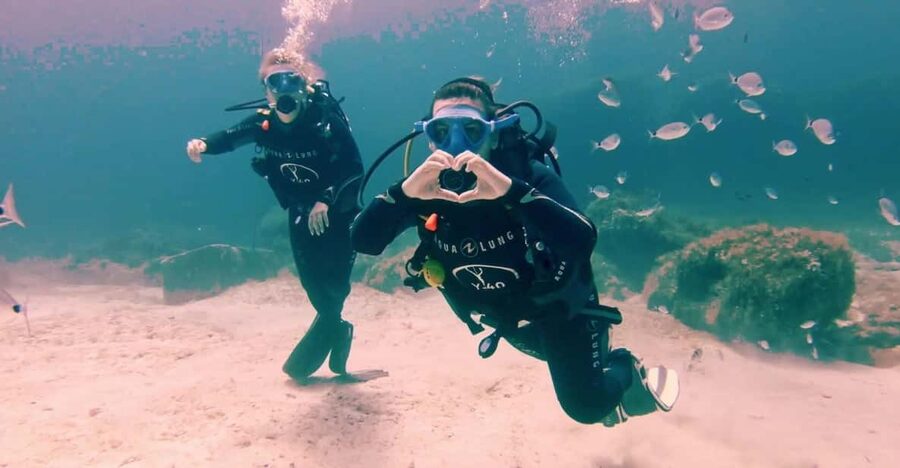
At $96 per person for a 3-hour experience, this can be a good value because the essentials are handled for you. You’re not just paying for an instructor’s time. You’re also paying for:
- Full equipment
- Insurance coverage
- Learning materials
- Transportation/assistance as part of the experience plan
- A structured theory session plus practice
When you compare that to the real cost of renting gear and arranging guided instruction on your own, $96 starts to look practical—especially if you want a clean “all-in” start with minimal hassle.
You do need to bring your basics: swimwear and a towel. Also note what isn’t included: a swimming suit (so plan to wear it or buy it elsewhere), towel, and flip-flops. If you’re traveling light, that’s worth a quick check before you arrive.
Getting to DiveBase Malta and what happens before the water
Your day starts at DiveBase Malta, next to the Seaview hotel area in St. Paul’s Bay. From there, you’ll get ready for the day’s flow and meet your instructor.
This is a small-group setup, and that affects how the experience feels. You’ll spend less time waiting and more time doing the tasks that help you feel safe and oriented: gear setup, listening to instructions, and confirming you understand the key signals.
The schedule is designed around a short but thorough ramp-up:
- Theory session at the DiveBase Malta base
- Then you head toward the water with time for instruction before entering
If you’re the type who likes knowing what’s next, you’ll appreciate the structure. If you prefer last-minute spontaneity, this one is still workable, but you’ll want to arrive on time so you don’t cut into your safety briefing.
Stop 1: DiveBase Malta and the theory that actually matters
The theory portion isn’t just a formality. It’s your chance to learn what scuba means in practical terms—how the system works, what you’ll do during the session, and how to stay calm if something feels unfamiliar.
Because it’s included and done before you get wet, you avoid the common first-time problem: panicking because you don’t know what you’re supposed to feel. You’ll learn how to manage your breathing and how to move around the water safely with an instructor watching.
The instructor is English-speaking, which is helpful if you’re not fluent in Italian or Maltese diving jargon. For beginners, language clarity reduces stress fast.
What to do: listen closely, ask questions early, and don’t worry if your first answers are basic. The goal isn’t impressing anyone. The goal is to understand the plan.
Stop 2: Bugibba safety briefing for 45 minutes
Before you enter the water for the underwater work, you’ll do a 45-minute safety briefing at Bugibba. This part is often where beginners relax—or where they decide to opt out if they realize they’re not ready.
Here’s why that briefing is a big deal: it sets expectations for how the session will work, what you must not do, and how you’ll communicate. It also reinforces equipment rules and water behavior so you don’t accidentally create problems for yourself or the group.
During this time, take it seriously but don’t overthink it. If you’re unsure about your swimming comfort, say so. The point is to keep you safe and help you get comfortable.
Practical note: alcohol and drugs aren’t allowed. If you’re planning other Malta nightlife the same day, keep this as your main priority.
Stop 3: St. Paul’s Bay open-water session (1 hour, max 12 m)
Now for the reason you came. In St. Paul’s Bay, you’ll do:
- An exercise session at sea
- A guided open-water scuba session for 1 hour
- With a maximum depth of 12 m
That depth limit matters for first-timers. It’s controlled, and it’s part of why this experience can feel manageable rather than intimidating.
The instructor leads you through the basics in the water. You practice what you learned on land—mask comfort, breathing rhythm, body position, and moving with purpose. The goal is not to “perform.” The goal is to learn what works for you underwater.
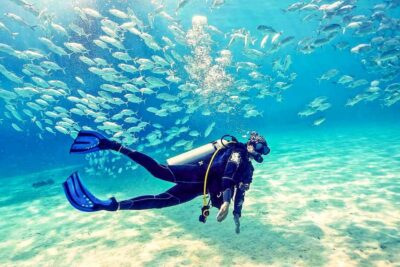
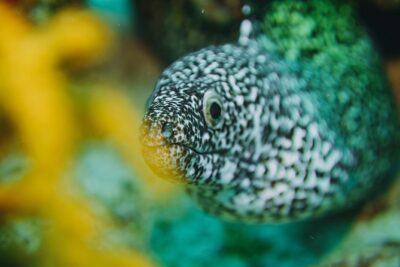
And yes, you should expect to see marine life. The Mediterranean can surprise you with how lively it feels at beginner-friendly depths, especially when you’re calm and focusing on good buoyancy. You’re not collecting anything or touching anything—don’t touch marine life is clearly part of the rules.
What you’ll likely notice fast: even when you know the theory, your body needs a minute underwater to settle. That’s normal. Breathe slowly, follow the instructor’s cues, and give yourself time to adapt.
Gear, insurance, and the stuff you don’t want to forget
One of the easiest wins with this experience: full equipment is included. That’s a big quality-of-life benefit, because scuba gear isn’t just expensive—it’s fiddly. Handling hoses, regulators, and fit while trying to learn is not the moment you want extra stress.
You’ll still want to show up prepared physically and logistically:
Bring:
- Swimwear
- Towel
Not included:
- Swimming suit
- Towel
- Flip flops
The rules also matter:
- Don’t drink or use drugs.
- Don’t touch marine life.
If you have sensitive feet, flip-flops can be useful for walking around before and after. You can either pack them or plan to buy them nearby.
Who this is best for (and who should skip it)
This experience is designed for people who want an introduction and can handle basic water requirements. It also has some clear limits.
It’s suitable when you:
- Are a non-certified beginner (no prior certification needed)
- Have sufficient swimming skills
- Can follow instructions calmly
It’s not suitable when you:
- Are under 10 years old
- Are pregnant
- Have back problems
- Are not a swimmer
- Have respiratory issues
- Have certain medical risks that require evaluation
There’s a specific medical evaluation note for conditions like asthma, heart disease, high/low blood pressure, lung disease, and surgery in the past 12 months. If any of that applies, you’ll need a medical evaluation before participating.
Also, one timing issue that many people forget: you must wait at least 12 hours before flying after the session. If your Malta trip includes a next-day flight, plan your scuba time carefully.
Instructor style: safety that feels human
The standout from the best feedback here is the way instruction is delivered. You get a strong focus on feeling safe and understanding what you’re doing—through clear explanations and patient coaching.
That matters because first-time scuba isn’t just physical. It’s mental too. If you’re worried you’ll mess up, you’ll tense up. And when you tense up, breathing and buoyancy get harder. A calm, supportive instructor helps you stay loose and focused, which makes the whole experience better.
From the way people describe the training, two themes show up:
- Caring, patient guidance
- A sense that everything is explained in a way you can actually follow
If you’re nervous, that’s your cue to prioritize an instructor who spends time correcting technique gently, not just rushing through steps.
The itinerary timing: 3 hours without feeling rushed
This is built to be efficient. Total duration is about 3 hours, with:
- Theory on land
- A 45-minute safety briefing
- A 1-hour open-water window at sea
That pacing is good for most schedules. It’s also ideal if you’re doing Malta as more of a mix-and-match trip—boat rides, city time, and a few “big ticket” activities rather than a full-day deep training program.
But it also means you should plan for a focused block of time. Don’t stack it right before something exhausting. You’ll want calm energy afterward, especially given the “no flying for 12 hours” note.
Rules you’ll want to remember (seriously)
Scuba works best when everyone follows a few simple rules. This experience lists key behavior requirements you should treat like part of the training:
- No alcohol or drugs
- No touching marine life
- Follow the instructor’s signals and safety guidance
- Don’t push depth or boundaries beyond what you’re told
If you take those rules seriously, the whole experience tends to feel smoother. If you treat them lightly, you’ll likely feel less confident underwater.
Should you book this Malta scuba introduction?
Book it if you want a well-structured first attempt with full gear and insurance included, a small group, and an instructor who focuses on making you feel safe and ready. It’s also a solid choice if you’re curious about what the Mediterranean looks like up close and you want that experience without needing prior certification.
Skip it if you know you won’t meet the swimming and medical requirements, or if your schedule makes the 12-hour no-flying rule hard to manage. And if you hate safety briefings or you’re uncomfortable taking instructions closely, you might find the training style less satisfying.
If you’re on the fence, here’s an easy decision shortcut: if you can swim comfortably, can follow rules, and you’re ready to spend 3 hours focused on learning, this is a smart, value-forward way to try scuba in Malta.
FAQ
FAQ
How long is the experience?
It’s a 3-hour experience from start to finish.
Where does the experience start and end?
It starts at DiveBase Malta (next to the Seaview hotel area) and ends back at the same meeting point.
Is prior scuba certification required?
No. No prior scuba certification or scuba diving experience is requested.
What depth will I reach?
The session includes a maximum depth of 12 m.
How big is the group?
The group is limited to 4 participants.
What’s included in the price?
Included are a theory session, an exercise session at sea, one sea dive (max depth 12 m), full equipment, instructor and learning material, and insurance coverage.
What should I bring?
Bring swimwear and a towel.
Can children participate?
Minors under the stated suitability limits are not accepted; the experience is not suitable for children under 10 years and minors need parent’s authorization.
When can I fly after the session?
You must wait at least 12 hours before flying.