REVIEW · ST PAUL S BAY
Malta: First Experience Scuba Diving Lesson
Book on GetYourGuide →Operated by AQUATICA DIVING CENTRE · Bookable on GetYourGuide
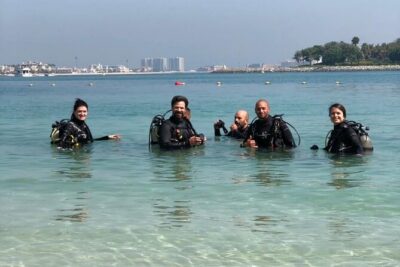
First breaths underwater in Malta feel unreal. This first-timer scuba intro is set up to get you comfortable fast, with clear instruction on land and plenty of guided support once you’re in the water. I like that it’s kept to a small group (max 4), so instructors can actually watch what you’re doing, not just hand out gear. I also like the patient teaching style many instructors are known for, from Ema and Marcel to Eva and Holly, especially when nerves show up. One drawback to consider: this is not a certification course, so if you want a licence, you’ll need a separate class after.
You’ll also want to take the pre-check seriously. You need English to follow the safety briefing, you must be a swimmer, and some medical situations require written approval. The good news is that the training plan is short (about 2.5–3.5 hours total), and the format is designed to build confidence quickly without rushing you.
In This Review
- Key things I’d plan for
- The Value: What $91 Buys for a Half-Day in Malta
- Before You Go: Online Theory, Language, and Medical Readiness
- Meeting Aquatica, Gear Setup, and the Calm Teaching Style
- Your Underwater Lesson Plan: Two Sessions, Skill First, Then Enjoy
- Session 1: Training underwater skills
- Session 2: A shore-based experience to explore and relax
- Equipment, What to Bring, and Camera Rules
- Malta Water Conditions and the Marine Moments You Can Expect
- Who This Is Best For in Real Life
- Tips That Make Your First Time Underwater Go Smoother
- It’s Not a Certification Course: Plan Your Next Step
- Should You Book This Malta First Scuba Lesson?
- FAQ
- What’s the duration of this scuba lesson in Malta?
- How deep will I go?
- Does this experience provide scuba certification?
- What’s included in the price?
- What do I need to bring and what’s not allowed?
- Do I need medical approval?
- Is there an age limit and do I have to be able to swim?
Key things I’d plan for
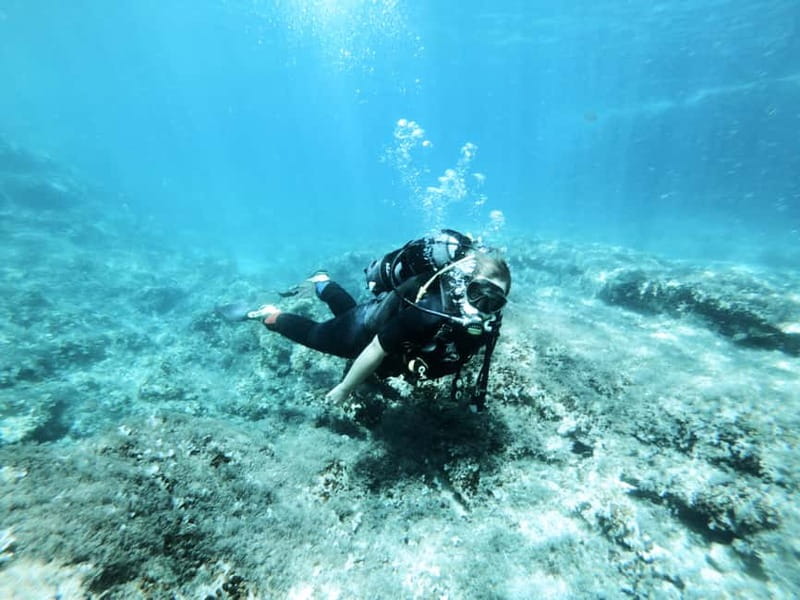
- Small group coaching (up to 4 people) makes corrections quick and personal
- Two underwater sessions: skill practice first, then a calmer shore experience second
- Max depth is 12 m, which keeps the focus on learning, not pressure
- Complete equipment kit is included, so you travel lighter
- Instructors often adjust to your comfort, including shallow-water pacing when needed
- No certification at the end, but it can point you to the right next course
The Value: What $91 Buys for a Half-Day in Malta
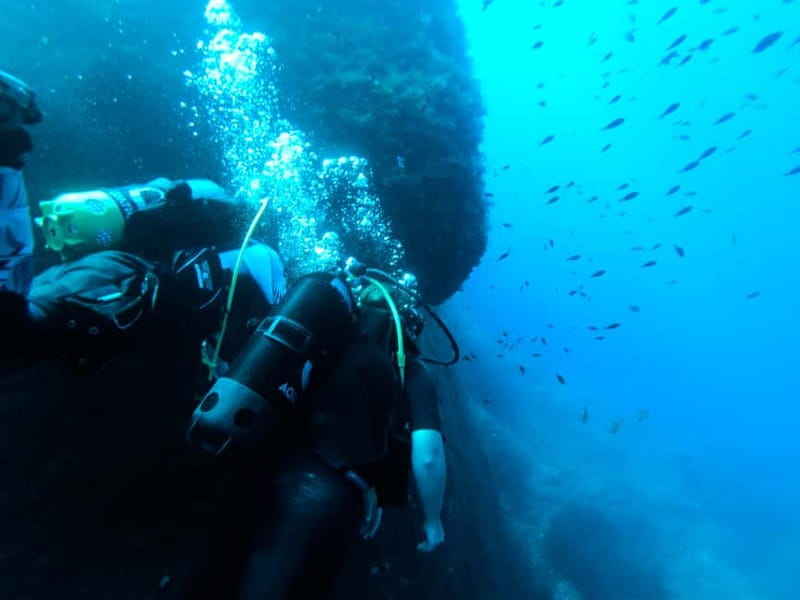
For about $91 per person, you’re getting a real lesson format, not just a quick try. The package includes the online theory you must complete beforehand, a safety briefing, and the full gear setup. You also get two guided underwater sessions within a short total time window (listed as 2.5–3.5 hours), plus transportation to and from the water spot if it’s needed.
That value holds up because your cost is tied to instruction time and risk management. Scuba isn’t something you learn only by watching. Here, you practice basic skills under supervision, then you get a second chance to enjoy the water and marine life at a relaxed pace. If you’ve ever wondered whether you’ll even like scuba, this lesson is a good first test—structured enough to be safe, short enough to fit a Malta day.
One practical note: the start time can vary by option. If you’re trying to pair it with other Malta plans, check the available start windows so you don’t end up scrambling later in the day.
You can also read our reviews of more tours and experiences in St Paul S Bay.
Before You Go: Online Theory, Language, and Medical Readiness
This experience starts before you show up. You’re expected to complete online theory materials in your language ahead of time. It’s not a casual add-on. That prep helps you arrive knowing the basic logic—how to breathe from the regulator, what the safety rules are, and what skills you’ll practice.
You’ll also need English for the instructor-led briefing. Many first-timers assume it’s optional, but the course is built around you understanding instructions and responding safely.
Then there’s the health side. The activity description is explicit: some conditions mean you must obtain written approval from your physician before you can participate. It also notes specific restrictions for people with lungs/breathing/heart/blood issues, age 45+ combined with high cholesterol/blood pressure or smoking, eye/ear/nasal/sinus problems, recent surgeries (within 12 months), neurologic injuries/disease, learning/developmental disabilities, loss of consciousness, migraine headaches, seizures, strokes, head injury, psychological/personality/addiction issues, and panic attacks within the last five years. It also flags back problems, hernia, ulcers, diabetes-related issues, diarrhea/stomach or intestinal problems, and people taking prescription medications (with specific exceptions).
I can’t stress this enough: if you’re unsure, contact the provider early. The lesson is set for safety first, and the rules are strict about written approval when certain issues apply.
Finally, plan your day around flying. You must wait at least 12 hours before flying after a scuba session. If you’re leaving Malta by air the same day, you’ll want another plan.
Meeting Aquatica, Gear Setup, and the Calm Teaching Style
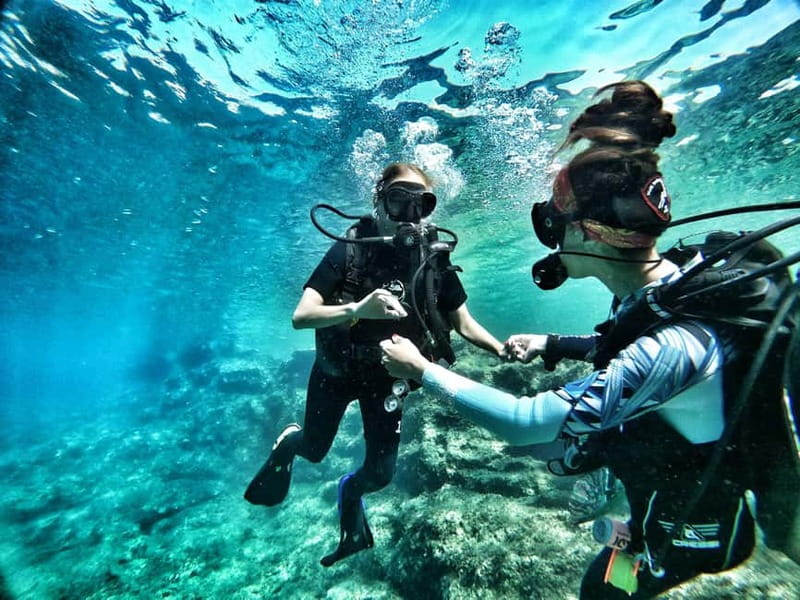
The biggest “make or break” factor in a first underwater lesson is how you feel while you learn. The feedback here is consistently positive about instructors staying calm, explaining clearly, and watching you closely.
The instructor names you’ll see come up again and again include Ema and Marcel, Eva, Holly, Frederico, Francesca, Daniel, and Riccardo. More than names, though, the teaching pattern shows up in the reviews: people mention being walked through steps carefully, not being made to feel silly when they struggled, and being allowed to settle slowly instead of being forced to move on.
That matters for your body and your brain. When you’re new to breathing underwater, your instinct is to hold your breath or tense up. A patient instructor can help you break the loop. In one first-timer experience, a person arrived with fear of water and needed time to relax; the instructor stayed calm and let them progress gradually until they were ready.
Your Underwater Lesson Plan: Two Sessions, Skill First, Then Enjoy
The course is built around a simple flow: learn the basics, practice, then enjoy.
Session 1: Training underwater skills
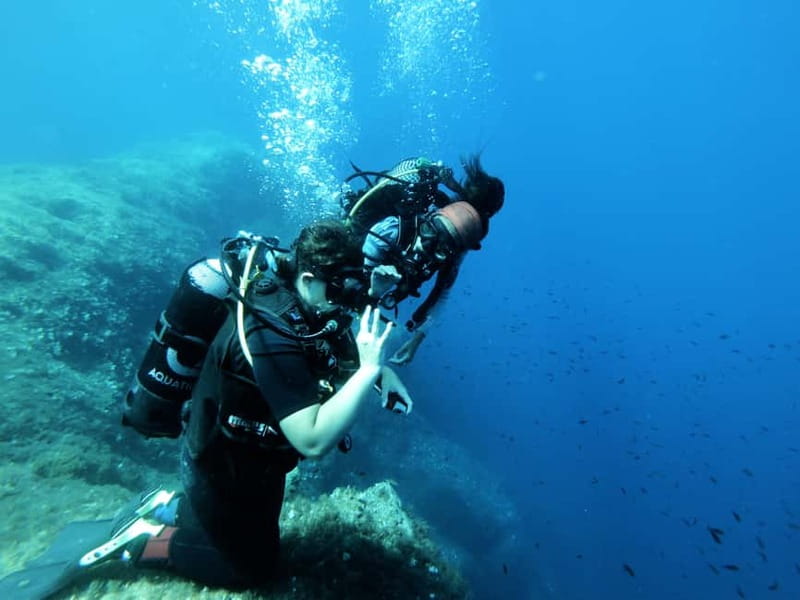
After your arrival and briefing, you’ll be kitted out with the complete gear. On land, you’ll go through equipment and safety rules, plus basic scuba skills you’ll need once you’re in the water.
Then the first underwater session focuses on practice. This is where you’ll repeat key movements until they feel natural—breathing rhythm, buoyancy control basics, and how to respond when something feels off. Reviews describe instructors keeping eyes on students closely and adjusting if comfort or technique needs attention.
A recurring theme: ear equalization can be tough for some first-timers. One review mentions ear pain after not equalizing enough, and the instructor tried repeatedly to help. The takeaway for you is simple: communicate right away if you feel pressure, and don’t try to power through.
Session 2: A shore-based experience to explore and relax
The second underwater session is where the trip shifts from learning mode to enjoyment mode. The description says you’ll practice during the first dive and then explore and relax on the second, with the Mediterranean’s calm underwater world as the reward.
Depth is controlled: the course lists a maximum depth of 12 m. In at least one review, the experience stayed shallow, around 5 meters, and the underwater time was short (about 20 minutes). That’s a sign the instructors can tailor the plan to comfort level, not just the schedule.
You’ll likely see marine life—reviews mention swimming with fish and experiencing the sensation of moving around underwater with guidance. If you’re brand-new, that “wow” moment is usually less about advanced skills and more about breathing normally and realizing you can control your body in the water.
Equipment, What to Bring, and Camera Rules
This is one of the cleaner parts of the day. The lesson includes complete diving kit, so you don’t need to rent or buy equipment in Malta.
What you should bring:
- Swimwear
- A towel
What you should leave behind:
- Cameras are not allowed in the experience.
Also note the rules about behavior and safety: alcohol and drugs are not allowed. This is standard for good reason—your comfort and judgment matter underwater.
If you’re the type who wants photos, plan on a different time for photos on land. Underwater is about training, not souvenirs.
Malta Water Conditions and the Marine Moments You Can Expect
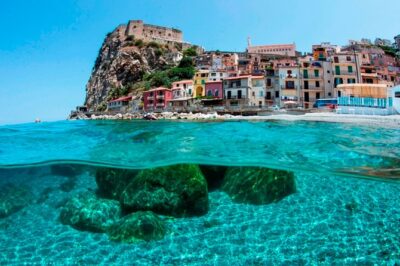
Malta is the kind of place that can spoil you for future water experiences, mainly because the water can be crystal clear, and the coast is full of spots where you can see marine life without a complicated plan.
The lesson description frames the experience as exploring the Mediterranean’s beauty, and the reviews back up the clarity. People mention seeing fish and enjoying calm underwater movement. One person even mentioned an under-water walk feeling special, which is a reminder that the instructors guide you through moments that feel magical without needing advanced certification.
Also, don’t assume weather always cooperates. One review describes a situation where conditions weren’t great, and the instructor liaised with other divers in the area to choose a better spot for the first experience. If Malta weather shifts, your best move is to stay flexible and trust the plan.
Who This Is Best For in Real Life
This course is designed for beginners, but it still has real requirements.
You’ll be a good fit if:
- you’re comfortable as a swimmer
- you can follow instructions in English
- you’re willing to complete the online theory ahead of time
- you’re physically able to meet the medical requirements, or you have written medical approval when needed
This is not suitable for:
- children under 10 (minimum age is 10, and minors joining alone need tutor/parental written consent)
- pregnant women
- non-swimmers
- people with back problems
- people with heart problems
- people with respiratory issues
- people with epilepsy
- people with pre-existing medical conditions or recent surgeries (within the set limits)
If you’re nervous, you’re still allowed to go—just don’t skip the prep. Reviews mention fear of water and still having a great time because instructors stayed patient and paced the training.
Tips That Make Your First Time Underwater Go Smoother
Here’s what helps most on day one, based on the teaching style and the common issues first-timers face:
- Do the online forms and materials before the day. One review notes someone wished they had done the forms beforehand, and that caused extra stress.
- Tell your instructor immediately if you feel pressure in your ears. Equalization problems come up, and the course allows instructors to keep you shallow and adjust as needed.
- Go slowly on breathing rhythm. If you start tense, stop and reset with your instructor. The best instructors treat that as normal, not a failure.
- If you’re unsure about whether you’re medically cleared, get answers early. Written approval may be required for certain health conditions.
- Bring what you need for a comfortable change after. A towel is small but helpful.
It’s Not a Certification Course: Plan Your Next Step
Important detail: this experience does not provide certification for scuba. If your goal is a scuba licence, plan on taking the next course afterward (the description points you toward a Basic Diver Course or a Scuba Diver Course).
That doesn’t make this lesson a dead end. For many people, a first structured attempt is the quickest way to find out whether scuba fits their personality. If you love it, you’ll know what kind of next class you want. If you’re not sure, you’ll still gain safety-focused basics without committing to long training.
Should You Book This Malta First Scuba Lesson?
I’d book it if you want a short, guided introduction in a place known for clear water, and if you’re ready to do the pre-work (online theory + health checks). The small group size (max 4) and the repeated theme of patient instructors—names like Ema, Marcel, Eva, Holly, Frederico, Francesca, Daniel, and Riccardo come up for a reason—are exactly what you want for a first underwater experience.
Skip it and choose a different option if you’re not cleared medically, if you’re not a swimmer, or if your ears and breathing issues are likely to flare without medical input. Also, if you need certification immediately, this won’t meet that goal.
If you’re ready for a controlled max depth learning setup and you want to see Malta’s marine world with real coaching, this is a smart first move.
FAQ
What’s the duration of this scuba lesson in Malta?
The total duration is listed as 2.5 to 3.5 hours. Starting times depend on the option you book.
How deep will I go?
The course lists a maximum depth of 12 meters for the training and shore underwater sessions.
Does this experience provide scuba certification?
No. This lesson does not provide certification. If you want a licence, you’ll need a Basic Diver Course or Scuba Diver Course.
What’s included in the price?
Included are the online theory materials, safety briefing, complete diving kit, 1 training underwater session and 1 shore underwater session, and transportation to and from the dive site if needed.
What do I need to bring and what’s not allowed?
Bring swimwear and a towel. Cameras are not allowed, and alcohol and drugs are not allowed.
Do I need medical approval?
If you have certain lung/breathing/heart/blood issues, age 45+ with high cholesterol/blood pressure or you smoke, eye/ear/nasal/sinus problems, recent surgeries within 12 months, neurologic conditions, or other listed issues, you must obtain written approval from your physician before diving.
Is there an age limit and do I have to be able to swim?
Yes. Minors must be 10 years old. It’s not suitable for non-swimmers, and pregnant women and several medical conditions are also not suitable.