REVIEW · KAUAI
Kauai’s Ultimate Discover Scuba Dive – OCEAN EXPERIENCE (1 Tank Dive)
Book on Viator →Operated by Dive Kauai · Bookable on Viator
Kauai water, minus the guesswork. I love the PADI Discover Scuba format built for first-timers, and the small-group vibe with no more than four people. The one big watch-out is the extra screening and physical requirements, including ear equalizing and being comfortable in open water.
Plan on a quick, structured day: from check-in to being back done is about 2.5–3 hours, and you’ll be limited to a max 40 feet while instructors stay right with you. Also, remember the schedule rule—don’t fly within 18 hours after your scuba session.
In This Review
- Key highlights you’ll actually feel on the day
- Koloa Landing check-in: the practical start that sets the tone
- PADI Discover Scuba: the skills session that turns nerves into calm
- Going underwater up to 40 feet: what supervision feels like
- Kauai marine life and fish ID: spotting wildlife with context
- Who should book this (and who should rethink it)
- Timing on Kauai: the 2.5–3 hour schedule and day-planning tips
- Cost and value: what $186.13 buys you in real terms
- Weather and conditions: why Kauai can be both perfect and unpredictable
- How to prepare so the day feels easier
- Should you book this Ultimate Discover Scuba experience?
- FAQ
- How long does the 1-tank Discover Scuba experience take?
- What’s the maximum depth for this beginner scuba experience?
- Is this experience only for certified divers?
- What’s included in the price?
- What should I be able to do before I participate?
- Are there weight limits?
- Do I need medical clearance?
- What are the weather-related rules?
- Can I cancel and get my money back?
Key highlights you’ll actually feel on the day
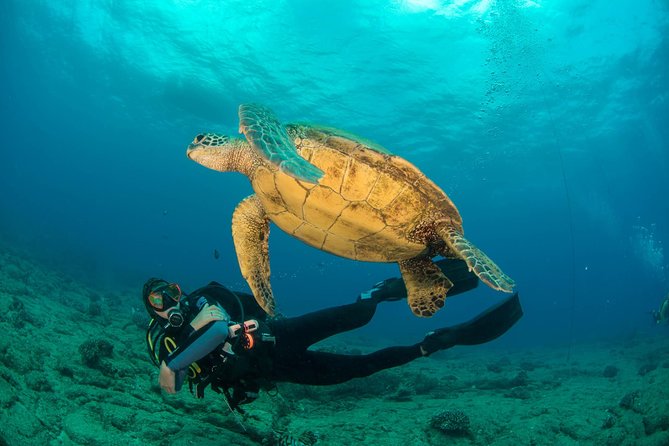
- PADI Discover Scuba for non-certified swimmers: you’re taught the basics before you go underwater.
- Max four people: you get real coaching, not a crowd-to-calm ratio problem.
- Shallow-water practice first: you’ll run through core skills before going deeper.
- Fish-and-ecology briefing included: you get help spotting what you’re seeing.
- Supervised underwater limit of 40 feet: the experience is designed to stay controlled for beginners.
- Snacks and bottled water included: you’re not left to hunt for a bite afterward.
Koloa Landing check-in: the practical start that sets the tone
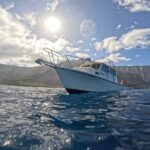
This experience starts at Koloa Landing (Poipu, Kauai). The location matters more than people think, especially for a beginner program. You’ll be close to the meeting point, and that makes the whole day feel less chaotic—parking, getting gear on, and meeting your instructor group are straightforward.
Expect an organized flow right from arrival. You’ll meet your PADI instructor and the rest of the small group, then move into briefing mode. This isn’t just “put on a tank and go.” The day is built around getting you comfortable with the equipment and the way scuba feels before you commit to the deeper part.
One practical note: you need to be able to swim and feel comfortable in open ocean conditions. If the idea of getting out where waves and current show up makes you tense, plan to talk with your instructor upfront. The stronger your comfort level, the smoother the whole session tends to feel.
You can also read our reviews of more tours and experiences in Kauai.
PADI Discover Scuba: the skills session that turns nerves into calm
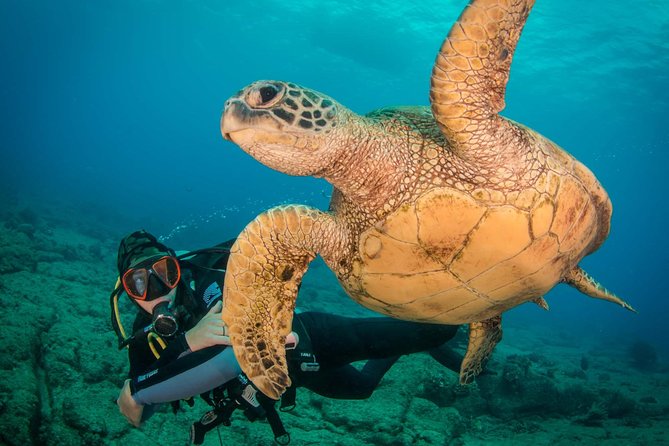
The core of the program is the PADI Discover Scuba approach for people who aren’t certified yet. You’ll go through a detailed orientation first, then get hands-on with a set of fundamental scuba skills in shallow water.
Here’s what makes this worth it for first-timers: you’re not thrown into a worst-case scenario. The shallow-water portion is designed to show you how scuba actually works—breathing through the regulator, managing your buoyancy, and learning how to move with less panic and more control.
The program specifically includes practice of four basic scuba-related skills. That structure is a big deal. It gives you a checklist in your brain instead of an overwhelming feeling of, I’m just supposed to figure this out underwater.
When it clicks, it’s fast. Several instructors have been praised for being patient and calm during the training stage—names that come up often include Ally, Alessandra, Logan, Dom, Micah, and Claire. That pattern isn’t random. Beginner-friendly coaching means you get time to re-try something if it doesn’t feel right the first go.
Going underwater up to 40 feet: what supervision feels like
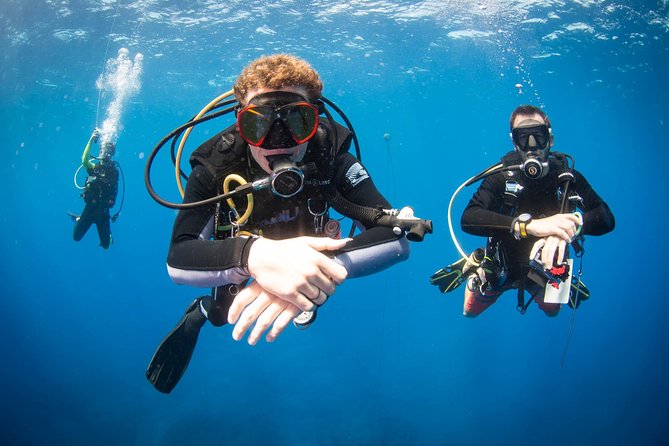
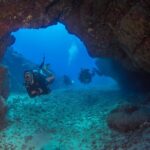
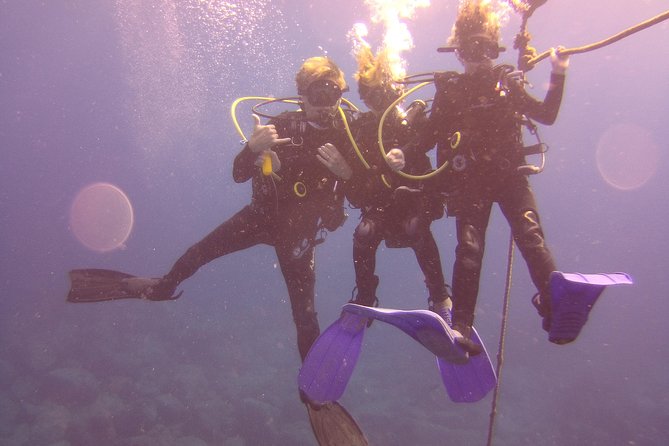
After you complete the shallow skills portion successfully, you’re qualified to go to a maximum depth of 40 feet. You’ll stay under direct supervision of PADI instructors the entire time, which is the point of an intro program like this.
In practice, that means you should feel guided, not abandoned with a tank and a prayer. Instructors often pace the learning curve based on how you’re doing with breathing, comfort, and gear. Some people pick it up quickly. Others need a bit more time to equalize ears and settle into the rhythm.
You should also know that the underwater time length can vary. Some people end up with a shorter bottom time based on comfort and air use, while others have enough air for a longer experience. The training portion often takes up more of the total day than the actual underwater segment, which can surprise you if you expected the schedule to be mostly time in the water.
And about ears: a few experiences reported not being able to equalize and having to skip the underwater portion. That doesn’t mean the day is wasted—you may still get help with your gear and a shore-side experience for the rest of the group. But it does mean you should treat ear equalizing as part of your prep, not an afterthought.
Kauai marine life and fish ID: spotting wildlife with context
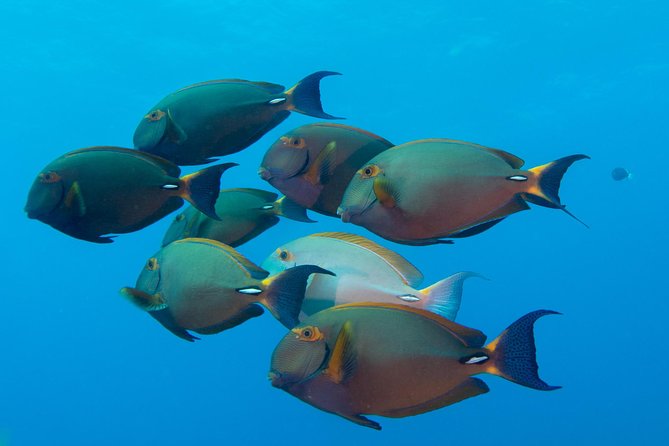
One of the best parts of this type of intro scuba experience is how quickly you start noticing that scuba isn’t just an activity—it’s a new way to see your surroundings.
This program includes a detailed marine ecology and fish identification briefing. That helps you go beyond random fish sightings. Instead of thinking, I saw something, you’re more likely to understand what it is and why it’s there.
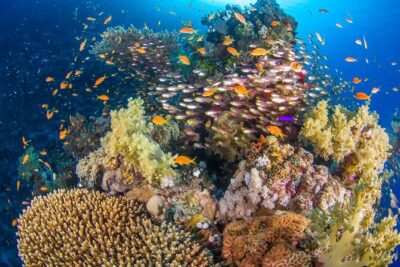
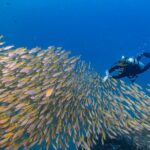
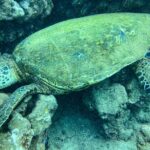
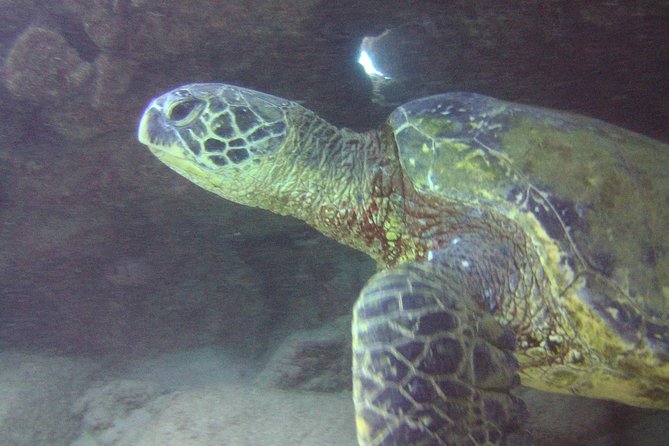
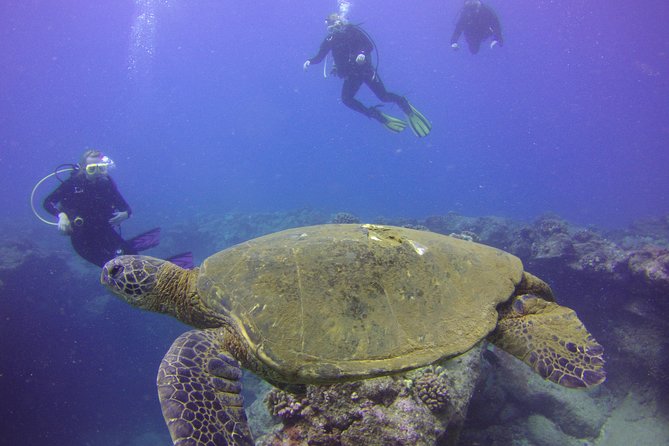
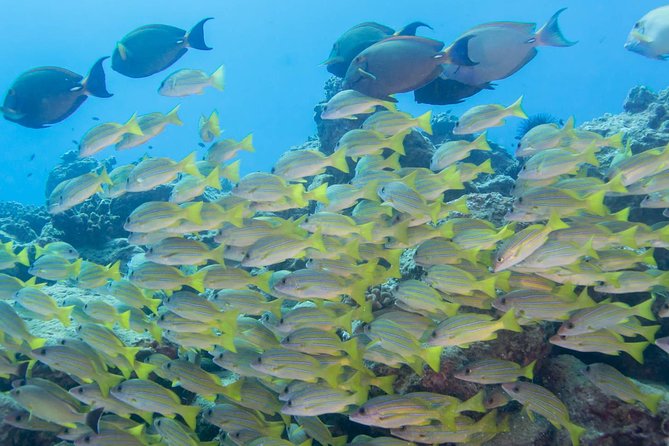
What you can reasonably look forward to includes sea turtles, schools of fish, eels and other reef life. People also mention dolphins swimming nearby (from the surface context), which can add a fun bonus feel if conditions line up.
A couple of practical tips that come from the realities of Kauai shore conditions:
- The water can have wave action/current that feels tricky for brand-new divers. If you’re anxious about balance, focus on your instructor’s cues during entry and the early moments.
- Some areas may get deep faster than you expect. That can be intimidating for people who are still getting used to the idea of breathing underwater.
When that briefing is done well, it changes the whole experience. You’re not only trying to survive the mechanics—you’re learning how to look.
Who should book this (and who should rethink it)
This is designed for first-timers and it’s built around guided fundamentals. That said, your body and comfort level still matter.
You should consider booking if:
- You can swim and you’re comfortable in open ocean conditions.
- You’re okay with a moderate physical activity level.
- You can handle the basics of equipment and the breathing rhythm once you start practicing skills.
You’ll need to meet stated requirements:
- Must complete a medical questionnaire. Depending on your answers, medical clearance may be required for safety, and it could prevent you from participating in the underwater portion.
- Must be under 300 lbs.
- Must be comfortable enough to get through open-water entry and the training stage.
If you’ve had trouble equalizing ears in the past, don’t assume it will be fine on the day. Equalizing is key to comfort during descent, and if it doesn’t work, it can stop you from going deeper.
One reviewer-worthy reality check: if you’re not a confident swimmer, skip this and go for snorkeling or other beginner-friendly water time first. Several experiences rate the program highly for people who can swim, and the less confident cases can struggle with parts of the skills progression.


Timing on Kauai: the 2.5–3 hour schedule and day-planning tips
From arrival to departure, the total time is about 2.5–3 hours. That’s a manageable chunk of your day, but it helps to understand where the time goes.
You’ll spend time:
- Getting briefed and fitted with equipment
- Going over safety rules and guidelines
- Practicing scuba skills in shallow water
- Then doing the supervised underwater portion up to 40 feet
Because the training and preparation take real time, the best way to enjoy the session is to treat it like a lesson first, experience second. If you walk in hungry, stressed, or rushing, the beginner skills portion can feel harder than it needs to be.
Also, plan your flight and the rest of your day carefully. You cannot fly within 18 hours after your scuba session. If Kauai is part of a tight travel schedule, schedule a buffer. You’ll thank yourself later.
The trip includes snacks and bottled water, which helps keep your energy stable for the training portion and the ride back.
Cost and value: what $186.13 buys you in real terms
At $186.13 per person for a single-tank intro experience, you’re paying for more than gear and a check-the-box moment.
Here’s what the price covers based on what’s included:
- Scuba equipment use (so you’re not renting separately)
- Snacks and bottled water
- Guided by a PADI Professional Dive Instructor
- A detailed marine ecology and fish identification briefing
For first-timers, the instructor time and the structured skill practice are where the money goes. That matters because you’re not just paying for the underwater segment—you’re paying for safety coaching, feedback, and instruction that gets you comfortable enough to go deeper to the stated limit.
What you should note is that trip protection isn’t included. If you’re the type who wants refund flexibility, consider how your travel plans line up with the weather and scheduling requirements.
Also, this is small-group by design, so you’re getting more attention per person than large commercial formats.
Weather and conditions: why Kauai can be both perfect and unpredictable
This experience requires good weather. If it’s canceled due to poor weather, you’ll be offered a different date or a full refund.
That weather dependency matters on Kauai because wind, swell, and visibility can shift quickly. For beginner scuba, those conditions can affect how comfortable entry feels and how the timing works once you’re in the water.
You’ll also want to take seriously the requirement that you be comfortable in the open ocean. It’s not just paperwork. It’s what helps you handle the water movement while you’re learning the breathing and control basics.
How to prepare so the day feels easier
You’ll get the most out of the session if you show up prepared for the learning curve, not just the novelty.
Practical prep ideas that fit the stated requirements:
- Complete the medical questionnaire as soon as you book it. If you wait, you risk delays.
- Brush up on equalizing awareness. If you’re unsure you can equalize, don’t ignore that. It can decide whether you’re able to go to the underwater portion.
- Wear clothing you can get in and out of comfortably. You’ll be handling gear and spending time outdoors before water time.
- Choose calm, confident expectations. The shallow-water skills portion can feel slower than people expect, especially if you’re nervous at first.
And one small mindset trick: focus on steady breathing and instructor cues during the first minutes in the water. That’s when beginners tend to lock up. Once the rhythm is familiar, things typically feel more manageable.
Should you book this Ultimate Discover Scuba experience?
Book it if you want a structured, instructor-led introduction to scuba in Kauai with small-group attention and a clear skill progression. The training-first approach is ideal for non-certified people who want to understand scuba mechanics while learning how to spot marine life with actual context.
I’d hesitate or choose a different format if:
- You’re not a confident swimmer or you don’t feel comfortable in open ocean conditions.
- You’re worried about ear equalizing.
- Your schedule can’t handle the no flying within 18 hours rule.
If you fit the requirements and you’re ready to treat this like a lesson, this is a strong pick. The combination of PADI-guided basics, marine ecology briefing, and supervision up to 40 feet is exactly what you want for a first successful underwater experience on Kauai.
FAQ
How long does the 1-tank Discover Scuba experience take?
From arrival to departure, it’s about 2.5 to 3 hours.
What’s the maximum depth for this beginner scuba experience?
You’re qualified to go to a maximum depth of 40 feet under the direct supervision of PADI instructors.
Is this experience only for certified divers?
No. It’s designed for first-time, non-certified divers using the PADI Discover Scuba Diving program, including a hands-on orientation and shallow-water skills practice.
What’s included in the price?
Included are scuba equipment use, snacks, bottled water, a guided experience by a PADI Professional Dive Instructor, and a marine ecology and fish identification briefing.
What should I be able to do before I participate?
You must be able to swim and be comfortable in open ocean conditions. You should also have a moderate physical fitness level.
Are there weight limits?
Yes. You must be under 300 lbs to participate.
Do I need medical clearance?
You must complete a medical questionnaire. Depending on your answers, you may need medical clearance, which can prevent you from participating if you can’t get the required clearance in time.
What are the weather-related rules?
The experience requires good weather. If it’s canceled due to poor weather, you’ll be offered another date or a full refund.
Can I cancel and get my money back?
You can cancel up to 24 hours in advance for a full refund. If you cancel less than 24 hours before the start time, you won’t get a refund. Changes inside 24 hours aren’t accepted.