Trying scuba for the first time in Bali feels surprisingly doable. This half-day PADI Discover Scuba setup teaches you the basics fast, then gets you into the water with a guided instructor in a small group (max 4 people).
What I like most is that you’re not buying a whole certification course—you learn what you need and then you can decide if you want the real training later. And with pickup and drop-off from Amed or Tulamben hotels, the day stays simple instead of turning into a logistics puzzle.
One thing to weigh: it’s not a casual swim. You must be able to swim, be medically fit for scuba, and some conditions mean it’s not recommended unless the medical form clears you.
In This Review
- What you get right away (the practical highlights)
- Your half-day scuba try-out in Amed: what the 8:30 start really means
- Price and value: why $121 can make sense here
- The “no certification” part: what you should expect to learn
- The instructor experience: small group support is the real game-changer
- Underwater time and reef choices: what you’ll likely see
- How the morning usually flows (and where people feel the biggest difference)
- 1) Pickup, then equipment setup
- 2) Skills practice in protected, pool-like conditions
- 3) Guided shallow reef session (the first real check)
- 4) Optional second session if you liked the first
- Who this is best for (and who should skip it)
- Logistics that keep the day calm: transfers, small groups, and tickets
- Things to consider before you go (so the water feels fun)
- You’ll need basic swimming comfort
- Medical screening is part of the deal
- It’s still a new skill
- What I’d do to prepare (simple steps that help)
- Should you book this Discover Scuba in Amed?
- FAQ
- Do I need a scuba certification to do this?
- How many underwater sessions are included?
- What’s the minimum age, and do I need to swim?
- Where do I get picked up from?
- What time does the experience start?
- What gear is included?
- Is it safe for everyone with medical conditions or medications?
- Is weather a factor in whether it runs?
What you get right away (the practical highlights)
- PADI-led Discover Scuba (no full course required) so you can test scuba basics without committing to certification
- Two guided shallow reef sessions after skills practice in pool-like conditions
- All scuba gear included (you just bring swimwear)
- A capped group size (max 4) which usually means more instructor attention
- Optional comfort step: you can start with practice in a resort pool if you feel nervous
- Food and drinks included: snacks, fizzy drinks, coffee, tea, and bottled water
Your half-day scuba try-out in Amed: what the 8:30 start really means
This experience is built for a first-timer who wants results without a long program. The schedule starts around 8:30am and runs for roughly 5 hours. In that time, you’ll go from briefing and fitting to controlled skills practice, then to guided time underwater—plus a second session if you enjoy the first one.
Even if the booking location says Ubud, the key detail is where the water time happens. The included two-way transfers are from Amed and Tulamben hotel areas, so the whole morning is designed around getting you to the coast, into the gear, and back without you needing to sort out transport.
You can also read our reviews of more tours and experiences in Ubud.

Price and value: why $121 can make sense here
At $121 for about half a day, this isn’t the cheapest option you’ll see. But it can be good value because a lot is included that usually adds up:
- Gear included (you don’t have to rent at multiple stops)
- Instruction included via a PADI instructor
- Two-way transfers from Amed/Tulamben areas
- Refreshments included: snacks and drinks
Where value really shows is in the group size and attention. Reviews from the local team repeatedly highlight the instructor focus—people describing themselves as nervous first-timers, people returning after long breaks, and even kids doing the Open Water course right alongside families. That points to a center that expects beginners, not just experienced divers.
If you want the experience to feel calm and guided, that’s what the price buys you: time with an instructor, in the right conditions, not just a ticket to show up.
The “no certification” part: what you should expect to learn
The program is specifically Discover Scuba, which is shorter than a certification course. You’ll practice the core skills you need to handle basic scuba breathing and control in the water. The outline is:
- Equipment explanation and fitting
- Skills practice in protected, pool-like conditions
- Guided open-water session on shallow reefs
The goal isn’t to make you a fully independent diver that day. It’s to help you understand how the system works and feel comfortable enough to enjoy your time underwater safely.
If you’re a bit scared, there’s also an option that matters in real life: you can start with practice in a resort pool first, so you get your comfort level up before stepping into open water.
The instructor experience: small group support is the real game-changer
In scuba, the difference between a good day and a great day is often simple: an instructor who’s patient and explains things clearly at your pace.
The reviews you can find for this operation repeatedly name instructors and describe that exact kind of support:
- Roda stood out for being kind and professional, with people feeling looked after step by step.
- Made Bukti (Longsor) is described as the senior instructor with years of teaching in the Amed/Tulamben area.
- Coco is praised for patience, clear explanations, and careful guidance for both brand-new divers and people with only minimal prior experience.
- Pierre is mentioned for a thorough briefing approach (one review calls out a 45-minute comprehensive equipment and skill explanation).
- Sasa comes up for making first-timers feel safe and guided through the experience.
- Nyoman is credited with strong care and team support, plus good conditions and lots of sea life on the sites people went to.
- Kadek is specifically noted as handling a kid who struggled on the first day of a course, which suggests the team knows how to adjust when someone needs extra time.
So even though Discover Scuba is short, what you’re buying is not just the activity. You’re buying the chance to learn through coaching from people who have taught beginners constantly.
Underwater time and reef choices: what you’ll likely see
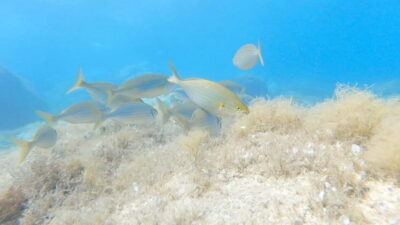
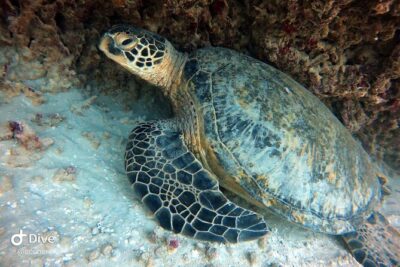
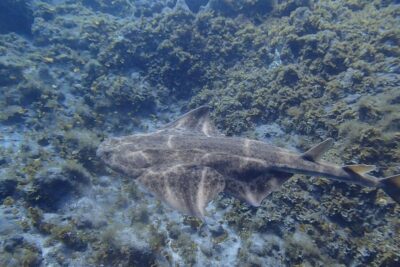
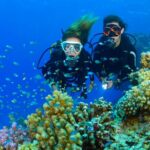
Your core promise is two guided underwater sessions, designed around shallow reef conditions. The brochure-style description emphasizes a coral garden setting with marine life, and the Amed area is known for that kind of underwater variety.
What’s helpful from real reviews is the variety of sites the same team can use depending on conditions and your interests. People reported locations like:
- Jemeluk wall
- Lipah Bay (mentioned in one review, though the sentence truncates)
- USAT Liberty wreck
- Liberty wreck
- wreck and wall-style spots
You might not see every listed site on your exact day—what you get depends on conditions and what’s safe and suitable for first-timers. But the pattern matters: the operation doesn’t treat every outing as identical. They can steer you toward what the group is ready for, after an initial check.
How the morning usually flows (and where people feel the biggest difference)
Even without a minute-by-minute posted itinerary, the structure is clear. Here’s how it typically feels in practice.
1) Pickup, then equipment setup
You’ll be collected from your hotel in the Amed/Tulamben area for a morning that starts at 8:30am. Once you arrive, gear fitting comes early. This is the part that can make or break comfort: if the equipment fit is off, everything feels harder.
That’s why “all the equipment you need” matters. You’re not trying to solve sizing yourself in a place you’ve never been. You’re working with staff who do this repeatedly.
2) Skills practice in protected, pool-like conditions
Next comes the practice segment where you learn breathing and basic control. The key here is the environment: protected, calm water that’s meant to feel manageable.
This is where first-timers often realize something important: scuba isn’t about holding your breath and fighting panic. It’s about learning a rhythm, clearing easily if needed, and trusting the instructor’s cues.
3) Guided shallow reef session (the first real check)
Then you move into open water for a guided shallow reef experience. This is where you’ll likely feel the difference between practice water and the “real world” underwater. You’re still guided, and the sites are selected for the Discover Scuba format.
4) Optional second session if you liked the first
If you enjoyed the first session, there’s an option to continue with a second one. The description specifically recommends doing it, and for most people it’s the moment the experience clicks—because you’re no longer thinking quite as hard about the basics.
Who this is best for (and who should skip it)
This is built for people who want to try scuba without the certification process. It’s also not for everyone, and the conditions are clearly stated.
You must meet these requirements:
- Able to swim
- Medically fit for diving
- Minimum age 10 years or older
It also says it’s not recommended if you take prescribed medications, and it flags several medical categories you’ll need to answer in a questionnaire, including:
- diabetes
- ear or sinus problems
- lung injuries
- inner surgeries in the last 12 months
- asthma
- allergies
…and other conditions (so you’ll fill out the form to check eligibility).
So if you’re healthy and comfortable swimming, this is a great “test the sport” day. If you have medical uncertainty, don’t wing it—send your details through the medical questionnaire and follow the team’s guidance.
Logistics that keep the day calm: transfers, small groups, and tickets
The biggest practical wins are the parts that reduce friction.
- Pickup/drop-off from Amed or Tulamben hotels: you’re not hunting taxis or trying to time buses.
- Small group size: max 4 people means fewer distractions and more attention.
- Mobile ticket: easy access once you’re booked and ready.
The price also includes snacks, fizzy drinks, coffee, tea, and bottled water, which sounds minor until you’re standing around waiting for equipment. Being fed and hydrated helps your brain focus on learning rather than hunger.
Things to consider before you go (so the water feels fun)
Here are the considerations I’d treat as “real life” before you commit to the day.
You’ll need basic swimming comfort
The requirement is able to swim. That doesn’t mean you need to be fast, but you should be comfortable in open water and not panic if you have to tread.
Medical screening is part of the deal
This isn’t just paperwork. It’s there because ears, sinuses, lungs, and general health matter for safe scuba. If you’re on prescription meds or have any of the flagged conditions, expect the questionnaire to be important.
It’s still a new skill
Even with calm training water, you’ll be learning buoyancy and breathing coordination. That can feel strange the first time. If that worries you, choose the option to start with practice in a resort pool if the team offers it for your situation.
What I’d do to prepare (simple steps that help)
The only required “prep” information you’re given is swim ability and medical fitness, but you can still show up ready in a way that helps:
- Bring swimwear (gear is included, but you’ll need a swimsuit).
- Plan for a morning start. Starting at 8:30am means you’ll want an early breakfast if you eat.
- If you’re nervous, say so early. The team can adjust the comfort approach with pool practice before open water.
Should you book this Discover Scuba in Amed?
Book it if:
- You want to try scuba without committing to a full certification course
- You like the idea of two guided shallow reef sessions
- You value small group attention and clear instruction (the named instructors and consistent beginner-friendly feedback are a strong sign)
Skip or rethink it if:
- You don’t meet the swim requirement
- You’re unsure about scuba fitness and your medical questionnaire might not clear you
- You’re looking for a long, self-directed underwater holiday rather than a taught first experience
If you’re in Bali and curious, this kind of short, coached day is often the best way to learn whether the sport fits you. The experience is designed to teach you enough to enjoy the underwater world—and then help you decide if you want to go deeper later.
FAQ
Do I need a scuba certification to do this?
No. This is a Discover Scuba experience designed to let you try scuba with a PADI instructor without doing the full certification course first.
How many underwater sessions are included?
The package includes two guided sessions. Your first session happens after skills practice, and if you enjoy it, you can continue with a second.
What’s the minimum age, and do I need to swim?
You must be at least 10 years old and able to swim.
Where do I get picked up from?
Transfers are included from hotels in the Amed or Tulamben area (two-way transfers).
What time does the experience start?
The start time is 8:30am.
What gear is included?
All scuba equipment you need is included. You should bring your swimwear.
Is it safe for everyone with medical conditions or medications?
It’s not recommended if you take prescribed medications, and it’s also not recommended with certain conditions (like ear/sinus problems, lung injuries, asthma, diabetes, allergies, and recent inner surgery). You’ll need to complete a medical question form to check eligibility.
Is weather a factor in whether it runs?
Yes. The experience requires good weather. If it’s canceled due to poor weather, you’ll be offered a different date or a full refund.