REVIEW · HERAKLION
Heraklion: Try Scuba Diving For Beginners (1 dive)
Book on GetYourGuide →Operated by Horizon Diving · Bookable on GetYourGuide
One short breath at a time changes everything, especially in clear Cretan water. I love how this program keeps things beginner-safe and paced for your comfort, and I also like that you get a small group (up to 8) with instructors watching closely. The main trade-off is that this is a short 4–5 hour intro, so if you want lots of time down below, you might feel you could use more.
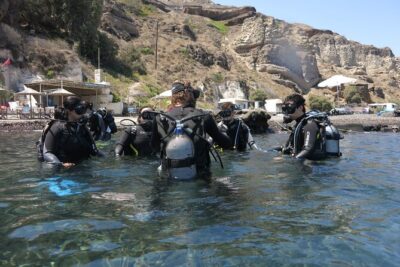
You’ll start with skills in shallow water, then you’ll get to explore the sea life around the Mononaftis beach area. It’s designed for families and friends, but it’s not for everyone: children under 8, pregnant people, and anyone with heart problems should skip it, and you’ll need a medical questionnaire first.
In This Review
- Key things to know before you go
- Mononaftis beach and hotel pickup: getting to the start fast
- The 4–5 hour flow: skills first, then your first underwater look
- Small group (8 max) and close instructor support
- What you’ll see: Cretan sea life, good visibility, and the fun surprises
- Safety and comfort for beginners: what the instructors actually do
- Equipment, snacks, and the value behind the $116 price
- Languages, audio guide, and what to expect if your comfort language differs
- Medical questionnaire and who should not book
- Photo and video: you may want to budget a little extra
- A realistic drawback: underwater time can feel short
- Should you book Horizon Diving’s beginner scuba try-out?
- FAQ
- FAQ
- How long is the beginner scuba try-out in Heraklion?
- How much does it cost?
- Is prior scuba experience required?
- What’s included in the price?
- What is not included?
- Where do we meet?
- Do you offer small groups?
- What languages are available?
- What should I bring and what should I avoid?
- Who shouldn’t take part?
Key things to know before you go
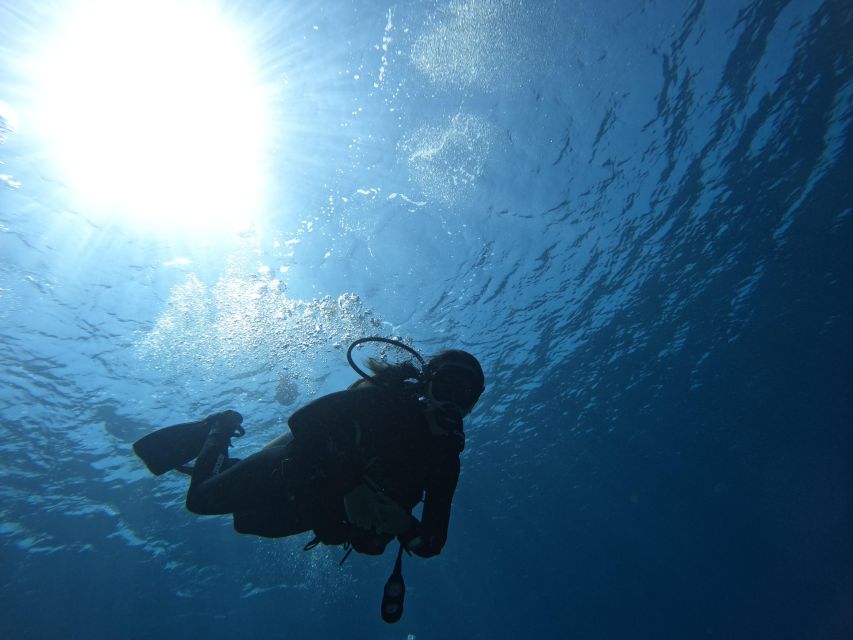
- Shallow-water first: you learn basics in a controlled, beginner-friendly setting before going further
- Up to 8 people: small group size helps you move at your own pace and get hands-on help
- Mononaftis beach meetup: if you’re driving, you can meet directly at the site; otherwise pickup is arranged nearby
- Crystal-clear water and sea life: expect great visibility and lots to look at in the Cretan Sea
- Gear, instructor, and snacks included: full equipment rental plus water and a snack are part of the price
- GoPro rental isn’t included: you can plan around that if you were hoping to film hands-free
Mononaftis beach and hotel pickup: getting to the start fast
In Heraklion, the biggest “how hard is this to organize?” question is the meeting point. This experience is set up with hotel pickup and drop-off in nearby areas, which means you don’t need to figure out timing or parking unless you’re driving your own car.
If you have a car, you can skip pickup and head straight to Mononaftis beach to meet the team. That’s a practical option if you’re staying outside the main pickup zones or you just prefer being in control of your day.
Either way, the schedule is built around a total 4–5 hour block, and starting times depend on availability. So if you’re juggling a cruise day, family plans, or a late dinner, it helps to pick your slot early.
You can also read our reviews of more tours and experiences in Heraklion.
The 4–5 hour flow: skills first, then your first underwater look
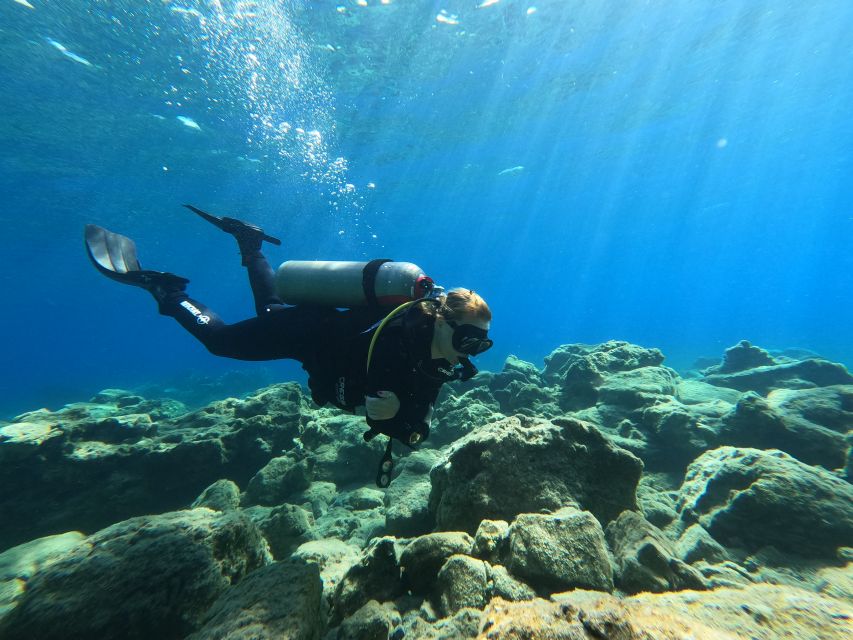
This is an entry-level program made for people with no prior scuba experience. The core idea is simple: you learn the basics first, then you go enjoy the underwater world at a level that feels safe and comfortable.
In the classroom and water prep, you’ll go over fundamental scuba skills and how to handle your gear. Expect the instructors to focus on comfort and control before anything more adventurous happens. This matters because first-time students don’t just need theory—they need your body to learn what the equipment feels like and how breathing works under pressure.
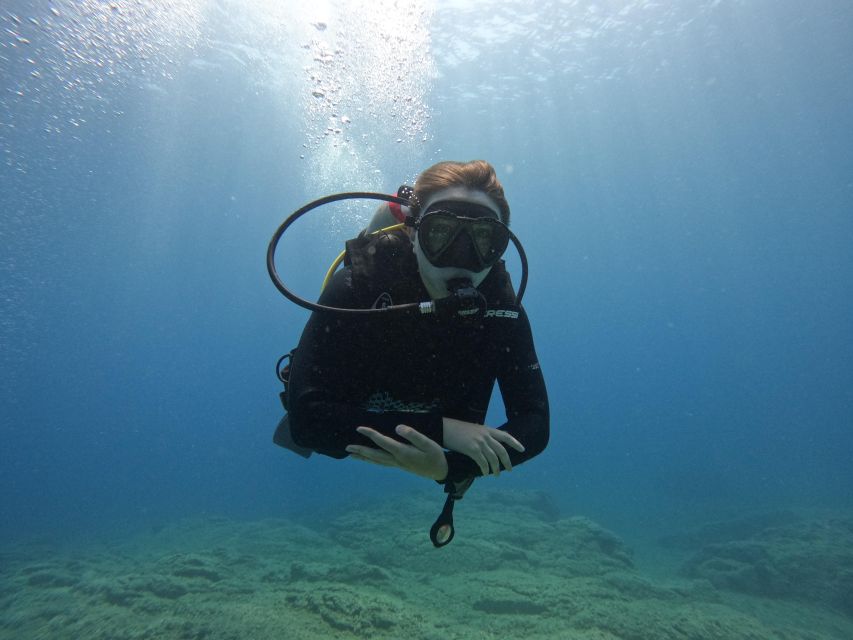
After the skills practice, you’ll explore the underwater area in shallow conditions. That “skills first” structure is why people tend to relax quickly. One instructor named Chris was praised specifically for taking time to help students get used to the equipment and the water, which is exactly what you want at the start.
And yes, it stays beginner-friendly: shallow waters, close supervision, and a pace you can keep even if you’re a little nervous.
Small group (8 max) and close instructor support
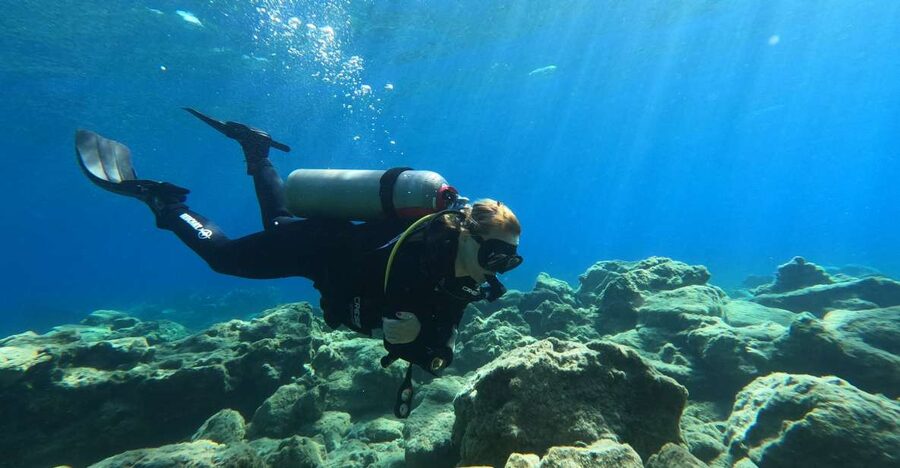
This is one of the best parts of the setup: small group size (up to 8). In a larger group, you can spend time waiting while someone else gets adjusted. Here, you get more attention during both the practice steps and the underwater part.
That “watch closely” feel shows up in the experience descriptions. People noted instructors keeping eyes on them, supporting them through the early moments, and not rushing the process. If you’re the kind of person who needs reassurance to build confidence, this is the right format.
It also helps that the instruction team can communicate in multiple languages. The program lists instructor languages as English, Greek, German, and French, and an audio guide is included in those same languages. That gives you a safety net if you don’t catch every word in one language.
What you’ll see: Cretan sea life, good visibility, and the fun surprises
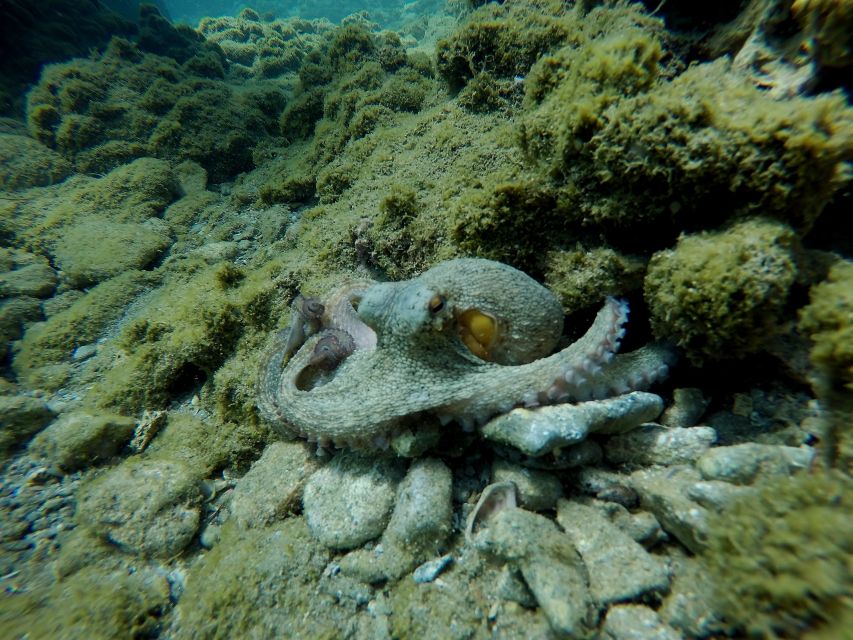
This is a sea-life-focused intro. You’re there for the crystal-clear water and the wildlife, not for technical challenges or long endurance sessions.
With good visibility, you can spend more time looking around instead of constantly worrying about what’s going on with your gear. In the experience write-ups, people highlighted excellent underwater sight and lots to see—especially fish and coral.
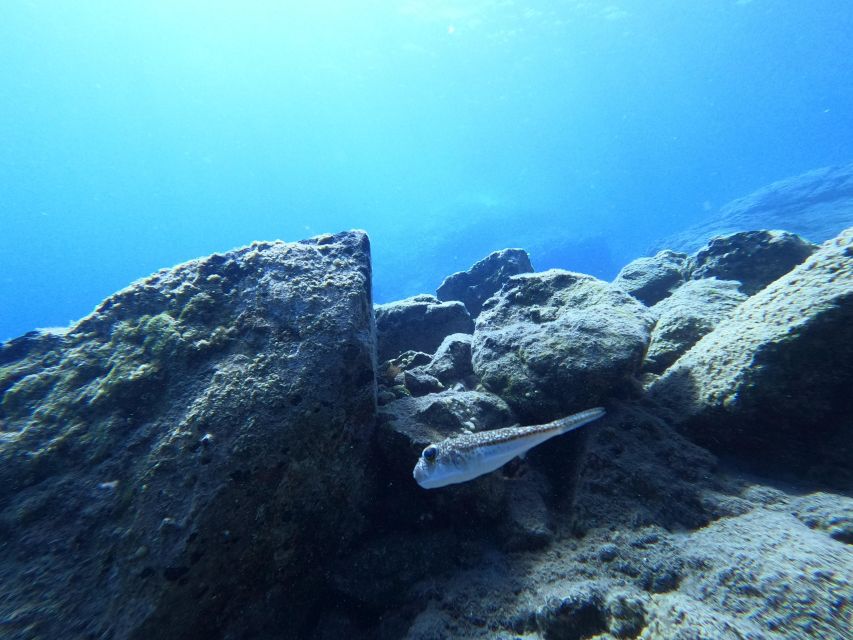
You might also spot creatures that stand out. One report mentioned an octopus and a red eel-like fish. Another talked about many fish and corals. You can’t control what the day brings, but these notes hint that the area can be lively enough to keep your attention.
A practical tip for first timers: treat your first underwater session like a “slow looking” activity. If you keep your movements calm and your breathing steady, you’ll naturally spend more time observing rather than checking your setup.
Safety and comfort for beginners: what the instructors actually do
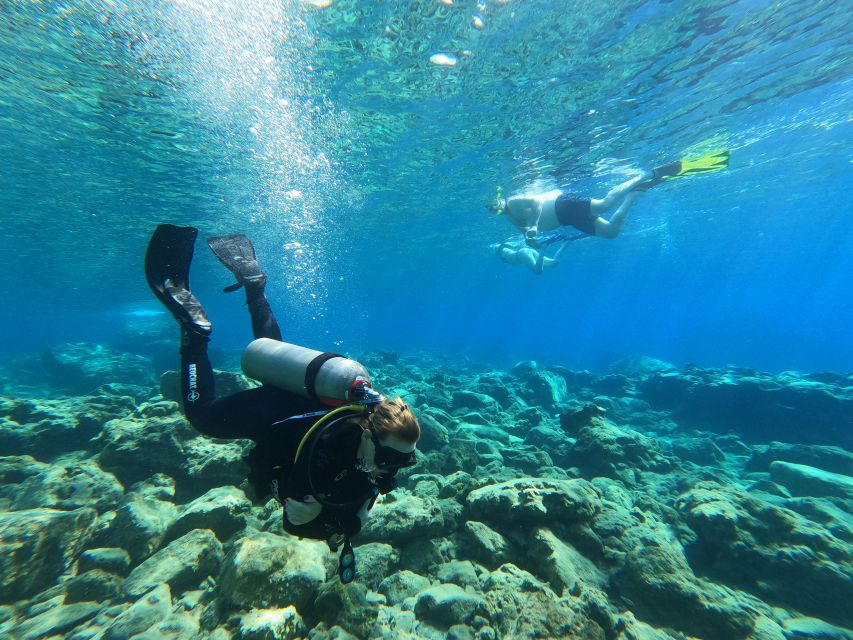
This program is built around an “absolutely safe environment for beginners” approach, but you still need to understand what that means in real terms. It means you’re guided step-by-step, kept within training limits, and supported during the most delicate moments—usually the first time you feel the equipment and adjust to the water.
People praised instructors for preparation and clear guidance. Several comments pointed out that the instructors took time, explained what to do, and helped students feel safe even if they had nerves. If you’ve got a mild fear of water or you’re anxious about trying something new, the good news is that the teaching style here is designed to address that early.
That also ties into the shallow-water start. When you can stand or stay closer to a predictable depth, your brain stops fighting the unknown and starts learning.
Equipment, snacks, and the value behind the $116 price
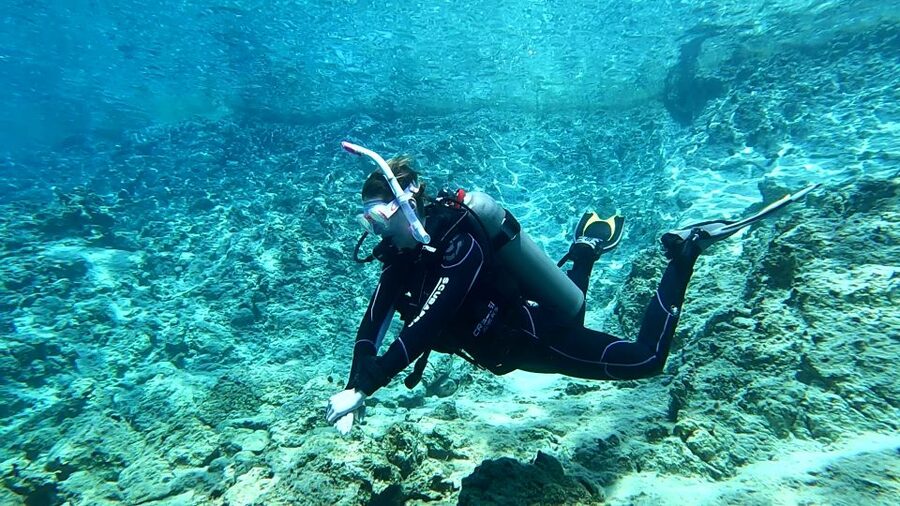
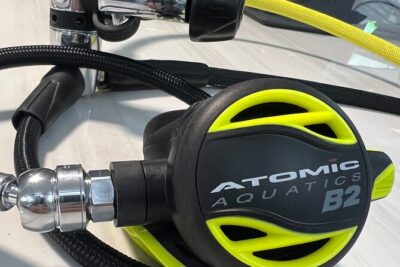
At $116 per person for a 4–5 hour intro, the value depends on what you’d otherwise pay and how much support you want. Here, the price includes full diving equipment rental, professional instructors, and a water and snack.
You’re also getting hotel pickup and drop-off (nearby areas) or an option to meet at Mononaftis beach if you drive. For most people, that reduces hassle and eliminates the cost of renting gear elsewhere.
It’s also a good deal because you’re not just paying for access to the sea—you’re paying for guided instruction and supervision during your first scuba experience. That’s the part you can’t improvise safely on your own.
One small note: GoPro underwater camera rental isn’t included. If you’re hoping to record your experience, plan ahead so you’re not surprised on the day.
Languages, audio guide, and what to expect if your comfort language differs
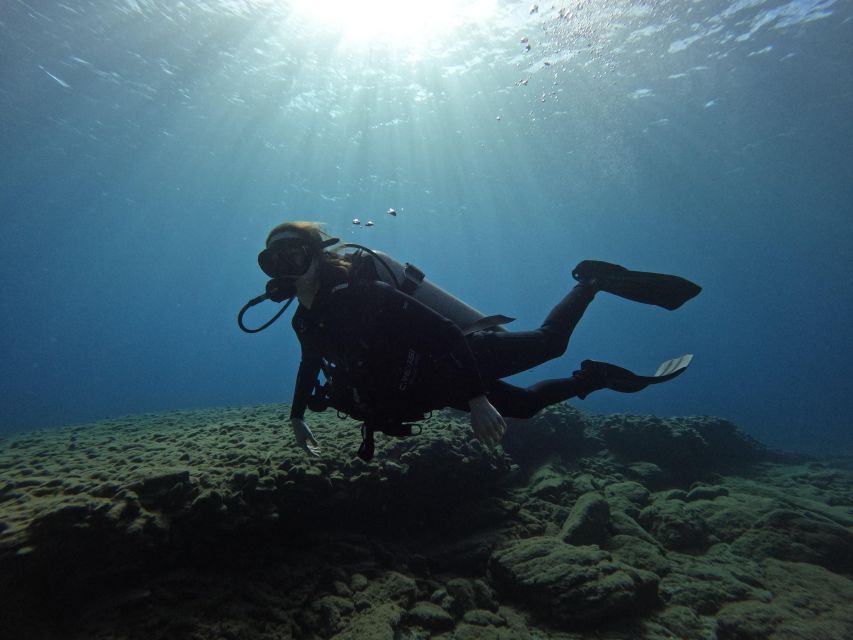
Communication can make or break a first scuba experience. Fortunately, this program lists multiple languages for both instructors and the audio guide: English, Greek, German, and French.
In practice, language can also affect how confident you feel during the training steps. One story mentioned a student booked in German but did the session in English and still felt supported, because the instructor could also explain in German when needed. Another mention said explanations are done in English, but the team can clarify with a bit of German for support.
So if your language isn’t guaranteed to be the one you trained in, don’t panic. This setup is flexible enough to keep you understanding the steps you need to follow.
Medical questionnaire and who should not book
Before you go, you’ll need to fill out a medical questionnaire. If you have existing medical problems or conditions, the program states that you’ll need a doctor’s confirmation with signature.
They also list clear limits on who shouldn’t participate:
- Children under 8
- Pregnant women
- People with heart problems
This isn’t a “fine print” checkbox. In scuba training, your health status is a core safety factor. If you’re unsure, it’s worth asking questions before you book so you don’t end up in a situation where you can’t participate.
Photo and video: you may want to budget a little extra
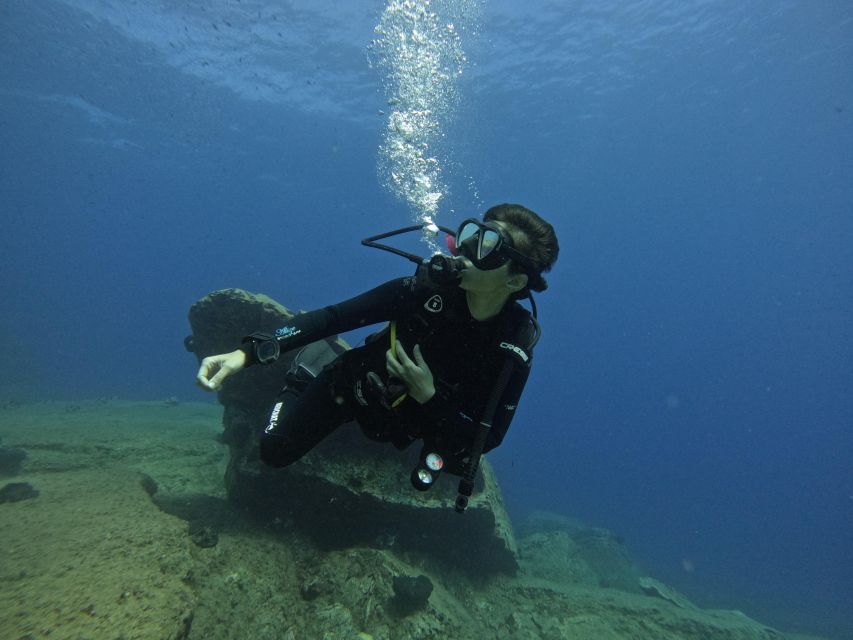
You’re likely to leave with more than just memories. One write-up noted that the team takes photos and videos and that you can buy a photo/video package for around €30.
Even if you don’t plan to purchase, it’s still helpful to ask about what’s available so you know your options. If you want your hands free and prefer professional documentation, that can be an easy add-on.
A realistic drawback: underwater time can feel short
Not everyone is looking for a marathon session, but it’s fair to flag the downside: some people felt the time underwater could be a bit longer.
That’s the trade-off of an introductory, beginner-focused format. You’re there to learn and feel confident, not to maximize minutes below the surface. If you’re the type who wants longer underwater exploration right away, you may want to treat this as step one and plan another experience later.
Should you book Horizon Diving’s beginner scuba try-out?
I think you should book if you want a first-time scuba experience that’s structured, guided, and not intimidating. The combo of shallow-water training, small group size, and multi-language support is exactly what reduces stress for beginners.
I’d skip it if you fall into the listed “not suitable” categories (under 8, pregnant, or heart problems) or if you know you might struggle with the medical paperwork requirements. And if your main goal is maximum time underwater in your first outing, you may feel it’s too short.
If you’re flexible, it’s a smart way to see what scuba feels like in good visibility and come away confident enough to consider a longer course later.
FAQ
FAQ
How long is the beginner scuba try-out in Heraklion?
The program runs about 4 to 5 hours. Starting times depend on availability.
How much does it cost?
The price is listed as $116 per person.
Is prior scuba experience required?
No. It’s an entry-level program for first-timers and requires no prior experience.
What’s included in the price?
Hotel pickup and drop-off (nearby areas), full scuba equipment rental, professional instructors, and water and a snack are included.
What is not included?
GoPro underwater camera rental is not included.
Where do we meet?
If you drive, you can meet directly at Mononaftis beach. Otherwise, pickup is offered from your hotel in nearby areas.
Do you offer small groups?
Yes. The group is limited to 8 participants.
What languages are available?
Instructors are listed as English, Greek, German, and French. An audio guide is included in French, German, English, and Greek.
What should I bring and what should I avoid?
Bring swimwear and a towel. Alcohol and drugs are not allowed.
Who shouldn’t take part?
Children under 8, pregnant women, and people with heart problems are not suitable for this program. You’ll also need to complete a medical questionnaire, and some conditions may require a doctor’s confirmation and signature.