REVIEW · PHI PHI ISLANDS
From Phi Phi: Half-Day Trip for Certified Divers (2 Dives)
Book on GetYourGuide →Operated by Blue View Divers · Bookable on GetYourGuide
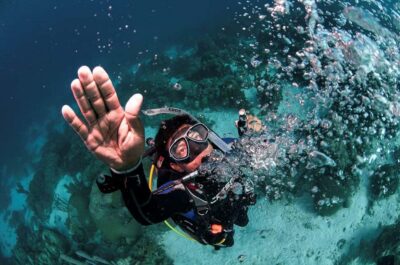
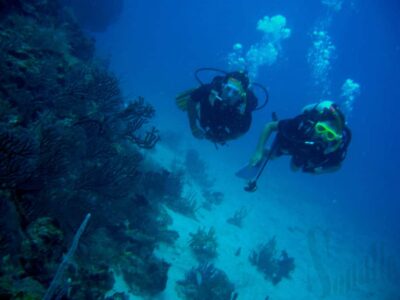
A day on Phi Phi’s water gets serious fast. This half-day outing pairs Phi Phi National Marine Park sites with a small-group setup and a tight 5-hour schedule. You’re in and out from Phi Phi Pier, aiming for warm, clear reefs with a good chance of turtles, sharks, and macro life.
What I like most is the eco-conscious approach (Green Fins plus National Park rules) and the fact you’re taken care of between sessions with a proper Thai lunch on board—plus fresh fruit and water. One thing to consider: the National Park fee (600 THB) isn’t included, and if you haven’t had recent scuba experience within a year you’ll need a paid refresher first.
In This Review
- Quick hits: what makes this Phi Phi outing work
- Phi Phi National Marine Park, packed into one smooth 5-hour plan
- Morning vs afternoon departures: pick your timing first
- From Phi Phi Pier to the first underwater stop: what the schedule feels like
- Ko Bida Nok and the Bida Islands: where shark spotting is a goal
- Ko Phi Phi Le: turtles and coral gardens on the second session
- The underwater site list: what you might see, named clearly
- Boat choice: Dory or the longtail Georgie (by request)
- Between sessions: Thai lunch on board and zero-waste details
- Eco-minded diving rules that make a difference in real life
- Gear, comfort, and what’s actually included
- Price and value: what you get for $93 (and what adds on)
- Who this outing suits best (and who should skip it)
- A note on instruction style and on-the-spot support
- Should you book this Phi Phi half-day with two underwater sessions?
- FAQ
- What’s the duration of the Phi Phi half-day trip?
- Are there morning and afternoon departures?
- What’s included in the price?
- What extra costs should I plan for?
- Do I need a scuba refresher if I haven’t been underwater recently?
- What animals are you likely to see?
- Where do I meet?
- What should I bring?
- Is touching marine life allowed?
- Is booking confirmed immediately?
Quick hits: what makes this Phi Phi outing work
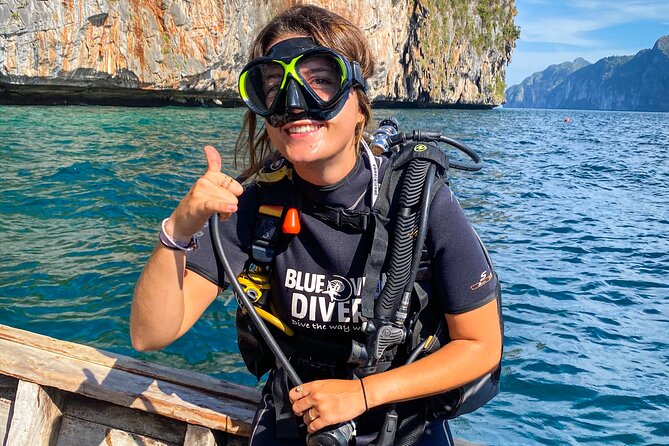
- Two underwater sessions in 5 hours, with a break and lunch on board between them
- Small group feel with PADI professionals, so you’re not lost in a crowd
- Eco-first rules: Green Fins and National Park regulations, plus no touching marine life
- Animal odds you can plan around: hawksbill turtles, blacktip reef sharks, and macro critters like ghost pipefish
- Stops chosen by conditions, based on weather, sightings, and time of year
- Lunch on board in a zero-waste box, with fresh fruit and tea/coffee available at the office
Phi Phi National Marine Park, packed into one smooth 5-hour plan
This is a certified scuba outing built for people who want quality underwater time without a full day commitment. The format is simple: safety briefing on shore, a short boat transfer, one underwater session at a nearby site, then you reset with lunch before heading back down again.
Because it’s around the Phi Phi Islands, the sites you target are close to the pier. That matters. Less time in transit usually means more actual reef time, and a calmer schedule if the water has chop.
You can also read our reviews of more tours and experiences in Phi Phi Islands.

Morning vs afternoon departures: pick your timing first
You can choose a morning or afternoon option. The timing isn’t a detail—it affects your day plans. Morning returns in time for onward travel to Phuket or Krabi, while afternoon gives you a chance to catch sundowners after you’re back.
If you’re trying to keep your itinerary tight (especially if you’re only on Phi Phi Island for part of your trip), this flexibility is a big plus.
From Phi Phi Pier to the first underwater stop: what the schedule feels like
You meet at Siam Commercial Bank next to Phi Phi Pier—look for the purple bank by McDonald’s, about two doors down, in front of the ATMs. After you’re there, you get a safety briefing that runs about 20 minutes.
Then you move to the water. The boat transfer is usually around 30 minutes to the first site. You’ll kit up and do your pre-session safety checks before rolling into warm tropical water.
This structure is practical. You’re not doing frantic gear work at sea. You’re set up on shore, you get your headspace straight during the briefing, then you go.
Ko Bida Nok and the Bida Islands: where shark spotting is a goal
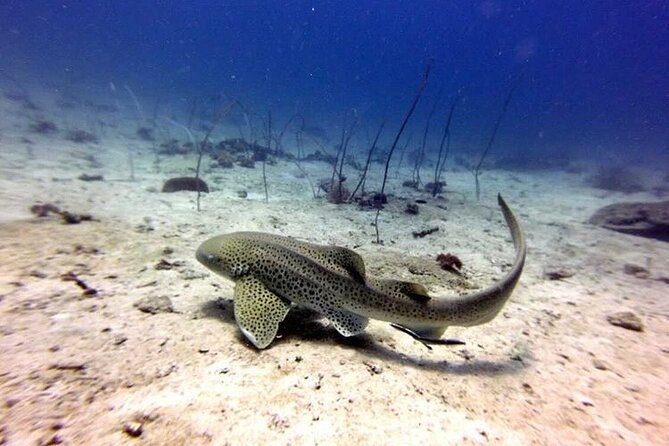
One of the main first-session areas is Ko Bida Nok, part of the Bida Islands region. This is where the program points you for shark spotting, and it’s also a great spot for wall and reef variety.
In the water, you’re aiming for:
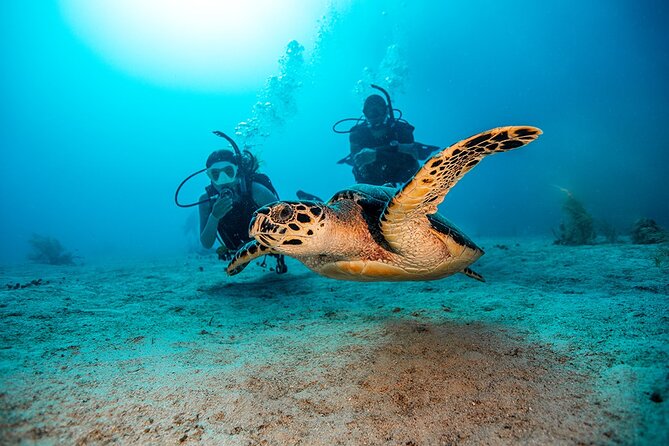
- Hawksbill turtles
- Blacktip reef sharks
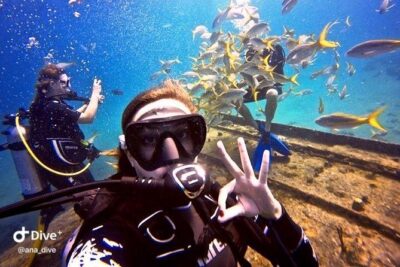
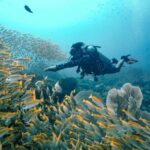
- big schools and reef fish activity, including snappers
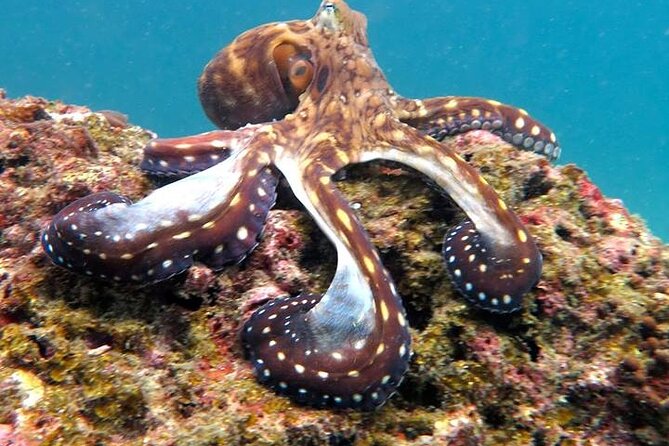
- macro life, with chances for critters like ghost pipefish and seahorses
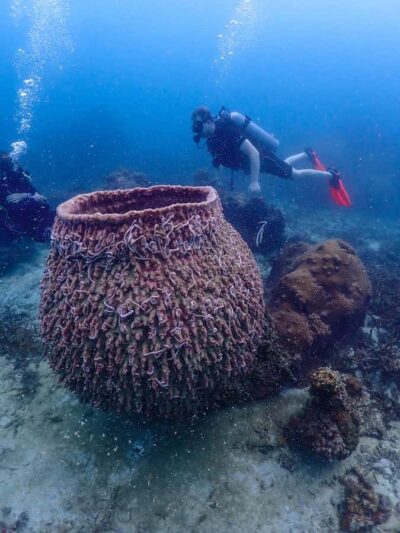
Also, the underwater terrain is described in the mix you’ll see across the trip: walls, sloping reefs, pinnacles, bays, swim-throughs, and wrecks (depending on the day and conditions). So even if the animal sightings are slow one moment, the structure keeps you engaged.
Ko Phi Phi Le: turtles and coral gardens on the second session
Between the two underwater sessions you get a break, and then lunch on board. After that, you head back down around Ko Phi Phi Le for the second underwater session.
This part of the program leans into turtles and coral gardens. The itinerary specifically mentions hawksbill turtles as a target here, alongside corals and the kind of reef scenery that makes photographers happy (as long as you follow the underwater photography rules that are outlined at check-in).
If your first session doesn’t line up with your favorites, this second stop can still deliver. The program is designed to keep the day varied: islands, reefs, and formations, not repeating the same exact underwater look.
The underwater site list: what you might see, named clearly
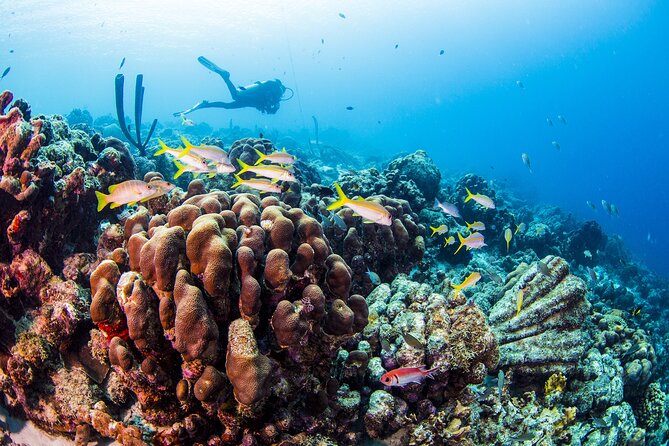
You don’t just get a generic reef day. The operator names the underwater stops you may visit, including:
- Finger Reef
- Bida Nok Wall
- Bida Bay
- Bida Nai Wall / Bay
- Malong Shelf
- Malong Wall
- Mushroom Rock
- Palong Pinnacles
- Pileh Walls
- Viking Gardens
Why that matters for you: it gives you something to look up before you go, and it helps you imagine the types of underwater shapes you’ll encounter—walls, shelves, pinnacles, and rock features that can change your sightings even when conditions are similar.
And because sites are selected based on weather, sightings, and time of year, you should think of this as a menu, not a guaranteed script.
Boat choice: Dory or the longtail Georgie (by request)
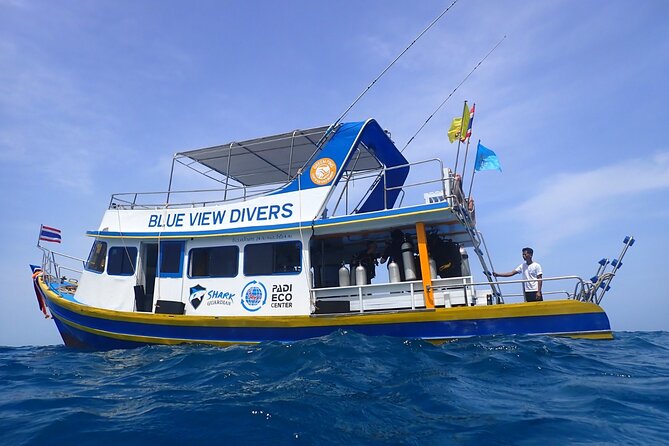
You may board the newly refurbished boat Dory, or you can request the custom longtail boat Georgie. Either way, the schedule stays tight: gear up, get to the first stop, return for lunch, then go again.
Longtail boats can feel more open and swaying depending on sea conditions. If you get seasick easily, you’ll want to plan carefully. This outing isn’t recommended for people prone to seasickness anyway, so be honest with yourself before booking.
Between sessions: Thai lunch on board and zero-waste details
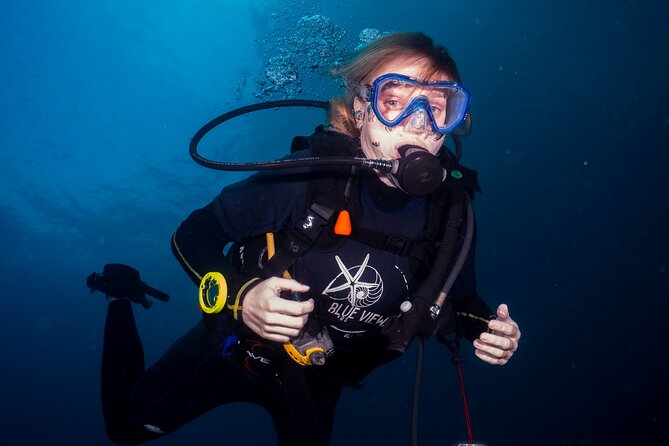
Between the first and second underwater sessions you get a break plus lunch. The lunch is Thai, served on board, and it’s paired with fresh fruit and water.
The “zero waste lunch box” is part of why this feels like more than just a quick snack. It’s also a nod to the operator’s eco-minded approach. You’re still on a working boat day, not a resort buffet, but you’ll be fed well enough to keep your energy steady for the second session.
Eco-minded diving rules that make a difference in real life
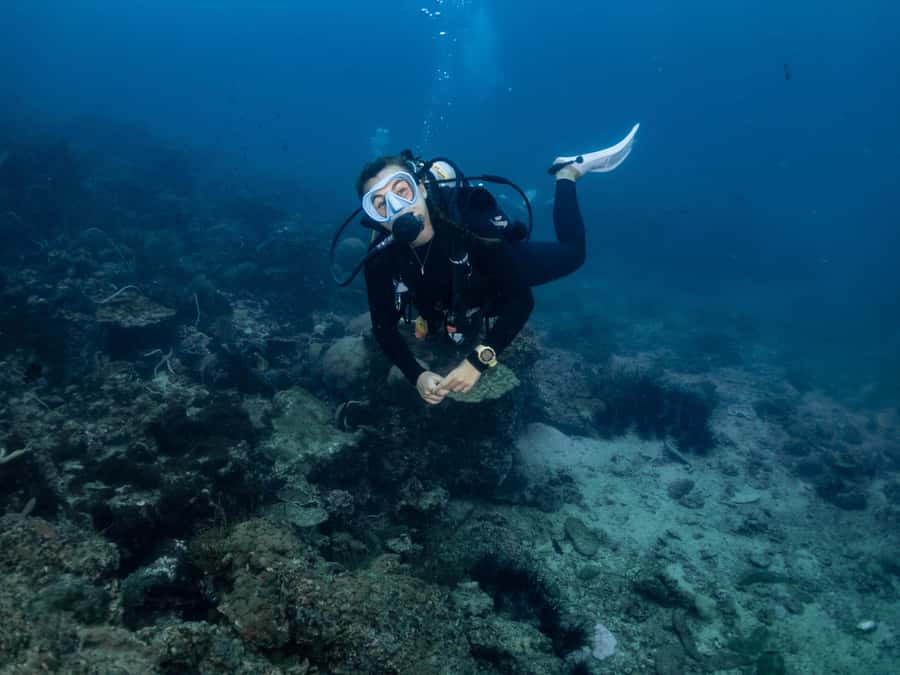
This is one of the trips where the reef rules aren’t just talk. They follow Green Fins and National Park regulations, and you’re told clearly that you must not touch marine life.
If you care about how reefs look after your visit, that matters. Touching wildlife or reef structure can cause lasting damage, and it can also ruin your guide’s ability to keep the group together safely. So think of the no-touch rule as part of how you get better sightings too: less panic, fewer disturbances, more calm underwater behavior.
Gear, comfort, and what’s actually included
You don’t need to pack scuba gear for this outing. The price includes equipment rental, plus neoprene boots / open-heel fins. That’s a practical time-saver, especially if you’re only in Phi Phi for a short stay.
It also includes:
- fresh fruit and water
- tea/coffee at the office
- free water refills
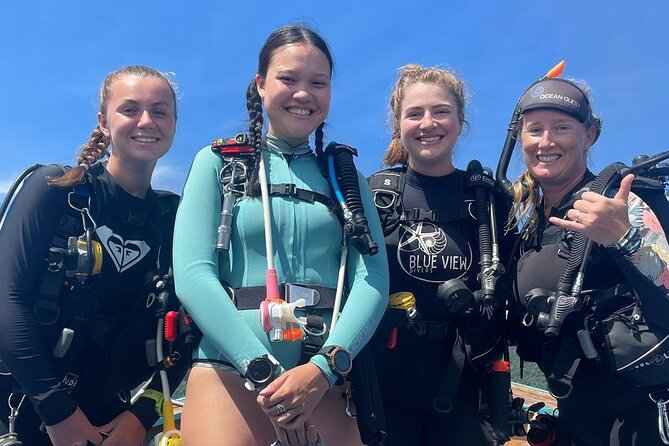
- a professional PADI dive guide
- basic Thai opt-in insurance
Not included (and worth budgeting):
- National Park fee: 600 THB
- camera rental / photography service
- scuba computer rental: 250 THB
- private guide option: 2,000 THB
- refresher training if you’re not meeting recent-experience requirements: 800 THB
If you’re the type who likes to know your numbers, ask about the computer option ahead of time so it doesn’t feel like a last-minute decision.
Price and value: what you get for $93 (and what adds on)
At $93 per person for a 5-hour small-group outing with two underwater sessions, equipment rental, lunch, and a PADI guide, this is priced like a serious, organized half-day activity—not a bare-bones tour.
The big add-on is the National Park fee (600 THB). Plan for that so you don’t get surprised on the day. If you need a refresher due to not having recent scuba experience within a year, that’s another cost (800 THB).
My rule of thumb for value here: if you’re already comfortable with scuba procedures and you’re on Phi Phi Island anyway, this is a good way to buy quality underwater time with minimal logistics.
Who this outing suits best (and who should skip it)
This one is for certified scuba guests with recent experience within the last year. If you haven’t done scuba within that window, you’ll need the paid refresher before joining.
It’s not suitable for:
- pregnant women
- people with back problems
- non-swimmers
- people prone to seasickness
Also, plan around flight timing. You should make sure you don’t have a flight within 24 hours after the underwater sessions.
If you want a well-run day, good instruction, and a strong reef-and-animal mix without spending your whole time on a boat, this fits well.
A note on instruction style and on-the-spot support
One of the standout themes from recent experiences is how kind and patient the instructors are when you’re working through details in the water. I’d especially expect a calm, attentive approach if it’s your first time doing scuba in this area, or if you just need help getting your comfort level up before the second session.
That kind of coaching matters more than people think. Better pacing leads to better control. Better control leads to cleaner sightings.
Should you book this Phi Phi half-day with two underwater sessions?
Book it if:
- you’re already certified and your experience is current within a year
- you want two separate underwater sessions with a real break and lunch
- you like small-group days and clear reef rules
- you’re targeting hawksbill turtles, blacktip reef sharks, and macro critters like ghost pipefish
Think twice if:
- you’re likely to get seasick (this isn’t built for that)
- you haven’t had recent scuba experience and don’t want the refresher cost
- you’re trying to keep your schedule ultra-flexible with flights (the 24-hour after-session rule is real)
If you’re on Phi Phi Island and want a high-value reef day without the full-day grind, this is a strong match.
FAQ
What’s the duration of the Phi Phi half-day trip?
It runs about 5 hours total, with two underwater sessions and lunch on board between them.
Are there morning and afternoon departures?
Yes. You can choose a morning or an afternoon departure based on your schedule.
What’s included in the price?
Equipment rental is included, along with neoprene boots and open-heel fins, a zero-waste lunch box, fresh fruit and water, and a professional PADI dive guide. Tea/coffee is available at the office, and there are free water refills.
What extra costs should I plan for?
National Park fees are not included (600 THB). Also not included are camera rental/photography services and a scuba computer rental (250 THB), plus optional private guide service (2,000 THB) and a refresher (800 THB) if needed.
Do I need a scuba refresher if I haven’t been underwater recently?
Yes. This trip is for certified guests with recent scuba experience within 1 year. If you haven’t dived in the past year, you must upgrade to a scuba refresher.
What animals are you likely to see?
The highlights include hawksbill turtles, blacktip reef sharks, nemo, large schools of snappers, vibrant corals, and rare macro life such as seahorses and ghost pipefish.
Where do I meet?
Meet at Siam Commercial Bank next to Phi Phi Pier. It’s the purple bank next to McDonald’s, about two doors down, meeting in front of the ATMs.
What should I bring?
Bring a hat, swimwear, a towel, sunscreen, water, and (if you plan to photograph) a camera and a waterproof camera. You should also use biodegradable sunscreen and bring insect repellent.
Is touching marine life allowed?
No. Touching marine life is not allowed.
Is booking confirmed immediately?
No. Booking is not complete until you contact the dive center via Whatsapp, and you must check in 1 day before by 5pm. This activity also requires that you’re staying on Phi Phi Island.