REVIEW · KEY WEST
Southpoint Divers: Afternoon Reef Dive Trip
Book on GetYourGuide →Operated by Southpoint divers · Bookable on GetYourGuide
If you want coral without the hard-core deep stuff, this is it. I like that you get two separate reef stops with a comfortable plan for first-timers, plus the payoff of Florida Keys reef scenery. It’s set up around the world’s third largest living coral barrier reef, and the crew aims for good visibility by picking sites based on conditions.
I also like the structure: about 25–35 ft each time, with roughly an hour underwater at each location. That rhythm makes the day feel manageable, especially after you’ve got your basics down. The one drawback is simple: you must have basic open water certification to do the scuba sessions, and the trip isn’t suitable for non-swimmers.
In This Review
- Key Highlights You’ll Feel Right Away
- Two Tank Reef Sessions Off Key West: Why This Trip Works
- Meeting at 606 Front St and Getting Out on the Water
- The Reef Plan: 25–35 ft, About an Hour Each, and Real Marine Life
- Beginner-Friendly Depth Without Feeling Like a Baby Pool
- Snorkelers, Riders, and Family-Friendly Reality Checks
- What’s Included vs Optional: Gear, Wetsuit, Computer, and Guide
- Reef Rules That Keep the Day Fun (and Ethical)
- Price and Value: Is $124 Worth It?
- How to Have a Smoother Afternoon at Sea
- Who Should Book This Scuba Reef Afternoon Trip?
- Should You Book Southpoint Divers’ Afternoon Reef Trip?
- FAQ
- How long is the Southpoint Divers afternoon reef trip?
- Where do I meet for the trip?
- How many reef sites will I visit?
- What depth should I expect?
- Are scuba sessions included in the price?
- Do I need certification to join?
- Can snorkelers and riders join?
- What should I bring with me?
- What is optional and costs extra?
- Is there a guide available on the trip?
Key Highlights You’ll Feel Right Away
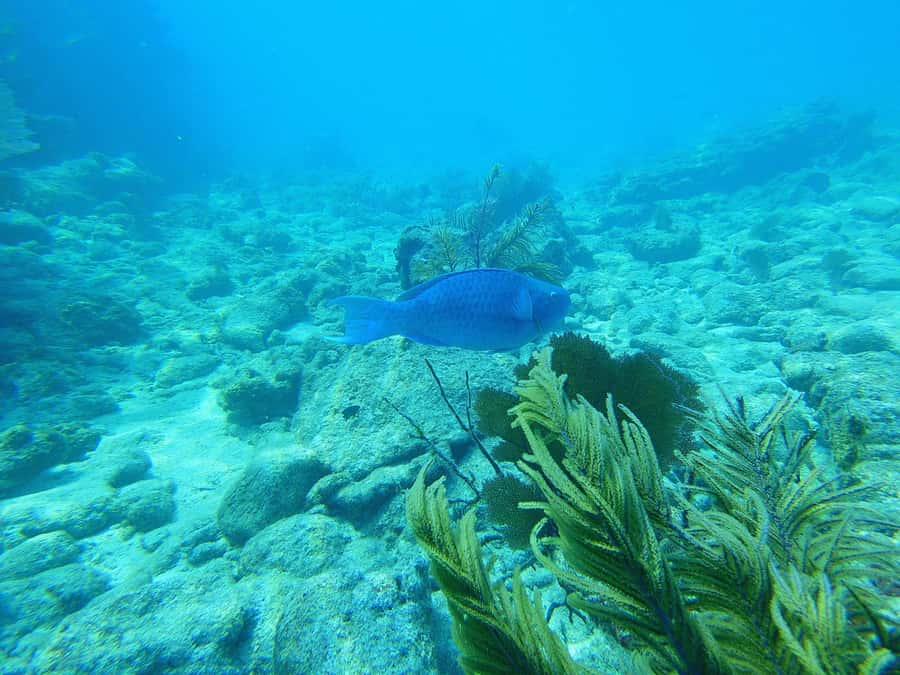
- Third largest living coral barrier reef off the Florida Keys, with real reef habitat instead of a quick look
- Two reef sites with relaxed depth ranges and about an hour underwater at each location
- Captain-led site selection based on currents, sea-state, and the goal of better visibility
- Family-friendly options with snorkeling and riders welcome to join the trip
- All scuba gear included, with optional add-ons if you want extra tech or warmth
- No-touch rules for marine life and plants, so you’ll keep the reef safe while you look
Two Tank Reef Sessions Off Key West: Why This Trip Works
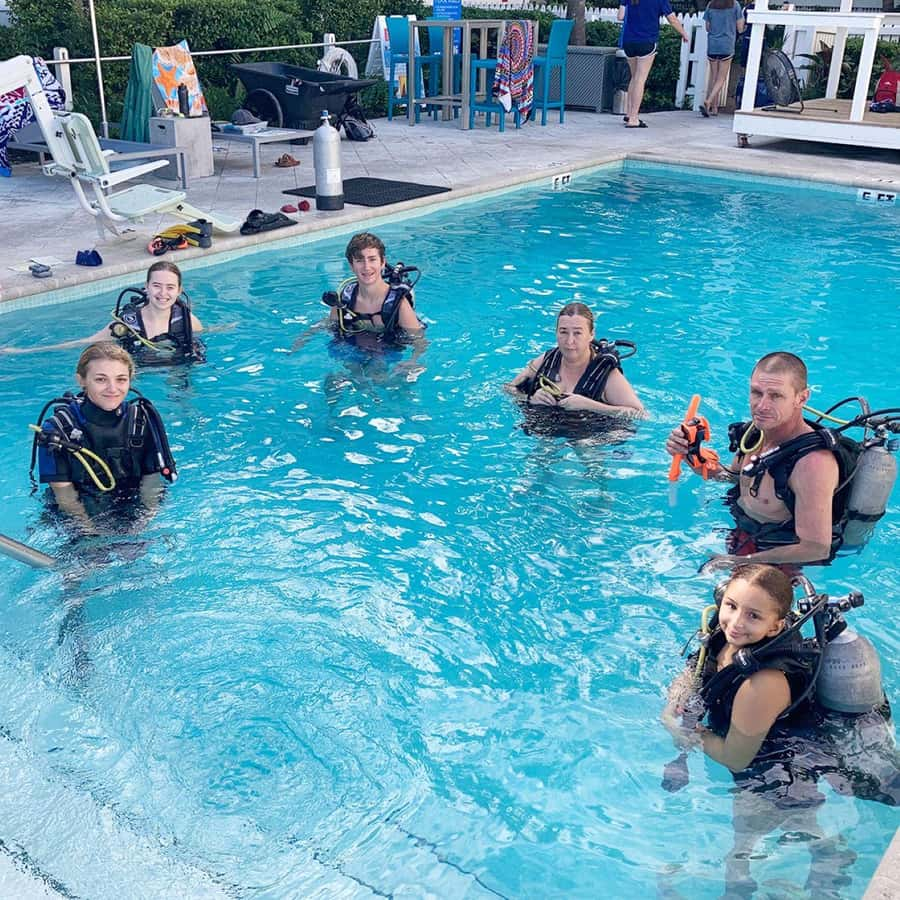
This is a classic afternoon reef plan: you leave from Key West, head just offshore, and come back with two separate reef experiences instead of one long, drawn-out session. The whole idea is to keep things easy and repeatable—same depth zone, same general comfort level, then different places to look at fish and coral.
What makes it especially appealing is the combination of location and pacing. You’re going to the Florida Keys reef system—described as the world’s third largest living coral barrier reef—so you’re not just chasing one “pretty patch.” You get two chances to see how the reef looks in a different spot, which helps when conditions change during the day.
And the crew doesn’t lock you into a single reef name regardless of weather. The captain chooses the actual site based on current conditions, with the goal of better visibility and a smoother ride. In reef diving/sea days, that choice matters more than you’d think.
Meeting at 606 Front St and Getting Out on the Water
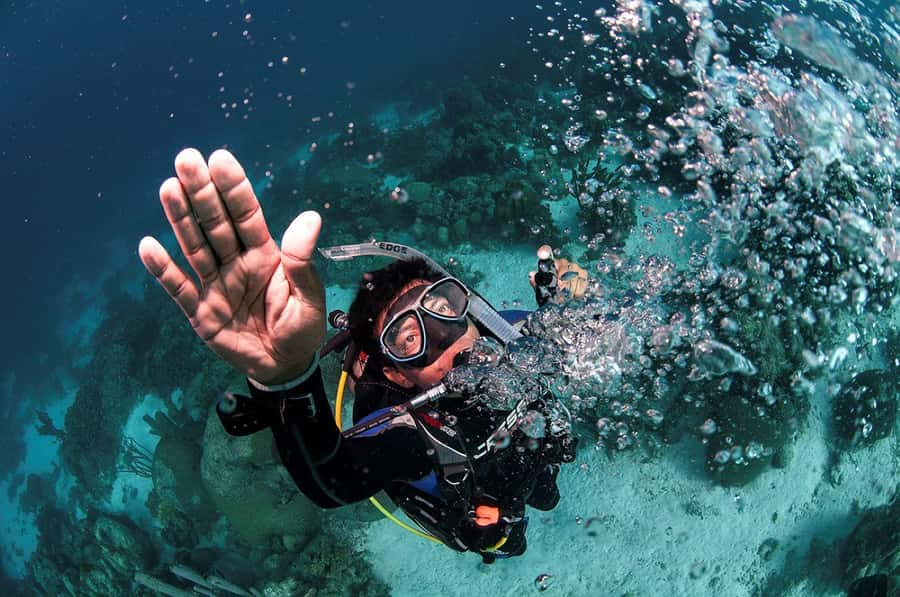
Your day starts at 606 Front St at Southpoint Divers. Look for the dive flags hanging in front of the shop and a Southpoint Divers sign, then plan to check in on arrival so you’re ready to board.
The full trip runs about 270 minutes, which is roughly four and a half hours. That timing includes getting organized, heading offshore, and doing two reef sessions with time for transitions on the boat.
You’ll board the boat after meeting your guide at the dive center, and then you’ll head to reef access just off the Florida Keys. The ride is described as short, which is a small but real quality-of-life detail—less time bouncing around, more time where you actually want to be.
The Reef Plan: 25–35 ft, About an Hour Each, and Real Marine Life
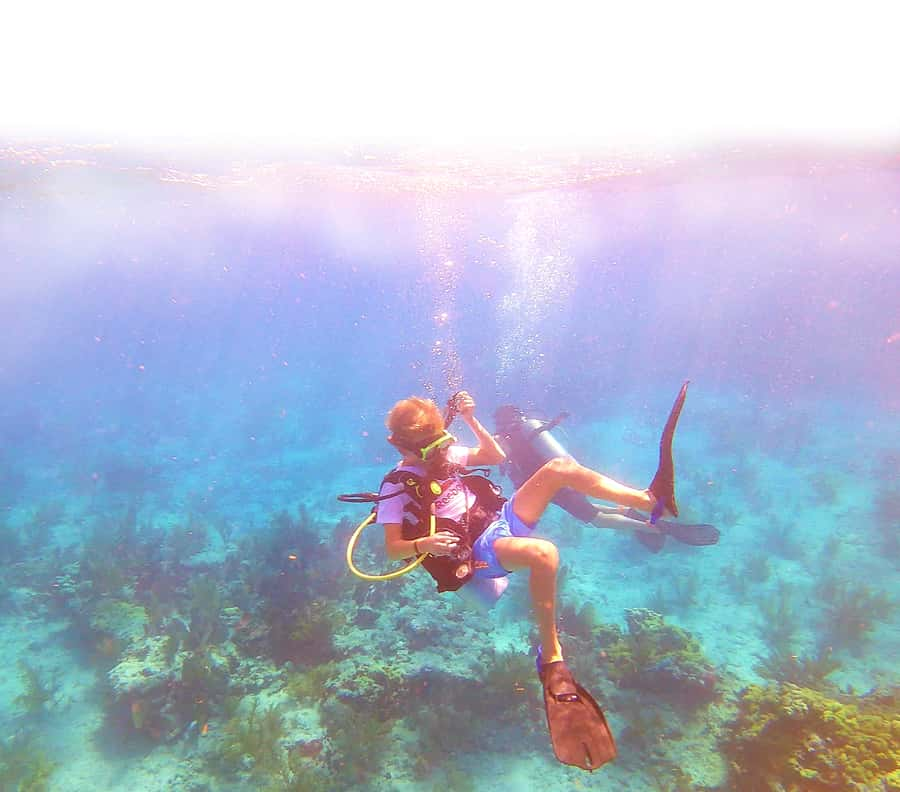
This trip is built around shallow reef exploration. Most certified divers are comfortable with the 25–35 ft range and the pacing of about an hour at each location. For a new open water diver, that’s a big deal. You’re not asked to manage deep depth stress while also trying to focus on fish, coral, buoyancy, and breathing at the same time.
You’ll do two reef sites. The captain selects them each day depending on current and sea-state, aiming for the best visibility and conditions. That means your exact route can vary, but the format stays consistent: look, breathe, relax, and repeat.
One specific advantage of this structure is how it lets you settle into the water. If your first site takes a little more concentration than you expected, the second site gives you time to apply what you learned. If everything feels smooth, the second site is a chance to slow down and enjoy the details rather than rushing.
On at least some days, divers may go to named reef areas such as Mark 32 Fingers and Nine Foot Stake. Those names matter because they’re tied to the actual underwater terrain you’ll be looking at, not just vague “reef area” labels.
Beginner-Friendly Depth Without Feeling Like a Baby Pool
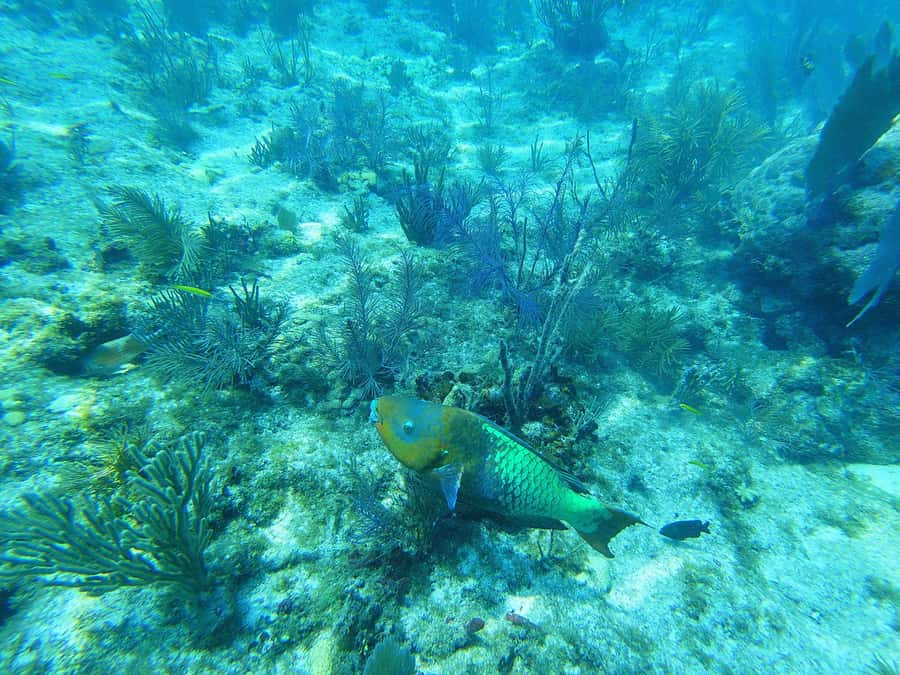
This isn’t “shallow means boring.” It’s shallow means doable. The goal is a relaxed reef experience where you can focus on fundamentals and still see plenty of tropical life.
In the dive plan described here, the depths are in that sweet spot: deep enough for meaningful reef habitat, shallow enough for comfort. You’ll spend about an hour at each location, so you’re not doing micro-peeks. That time is what lets you scan for fish, watch how they move through the structure, and notice coral form.
It also matters that many divers can be guided through the experience, while the most confident, certified divers can handle it with a calmer pace. If you’ve recently finished open water training, this kind of day structure is the easiest way to turn classroom knowledge into instinct.
Just remember: shallow doesn’t mean careless. You’ll still be responsible for buoyancy and control, and you’ll need to follow all reef rules, especially the no-touch policy.
Snorkelers, Riders, and Family-Friendly Reality Checks
One of the smartest details here is that snorkelers and riders are welcome. That means you can bring people who want the day on the water without necessarily doing the scuba sessions.
So, if you’re traveling with family, you’re not forced into an all-or-nothing day. Some can go in and some can stay on board or snorkel (depending on how the day is run), and you all still share the same outing.
The catch is who should do what. The trip is not suitable for non-swimmers, and scuba participants must be certified. But if your group includes at least one certified diver and you’ve got family members who just want to join the outing, this setup can be a much better fit than a trip designed for only one type of participant.
What’s Included vs Optional: Gear, Wetsuit, Computer, and Guide
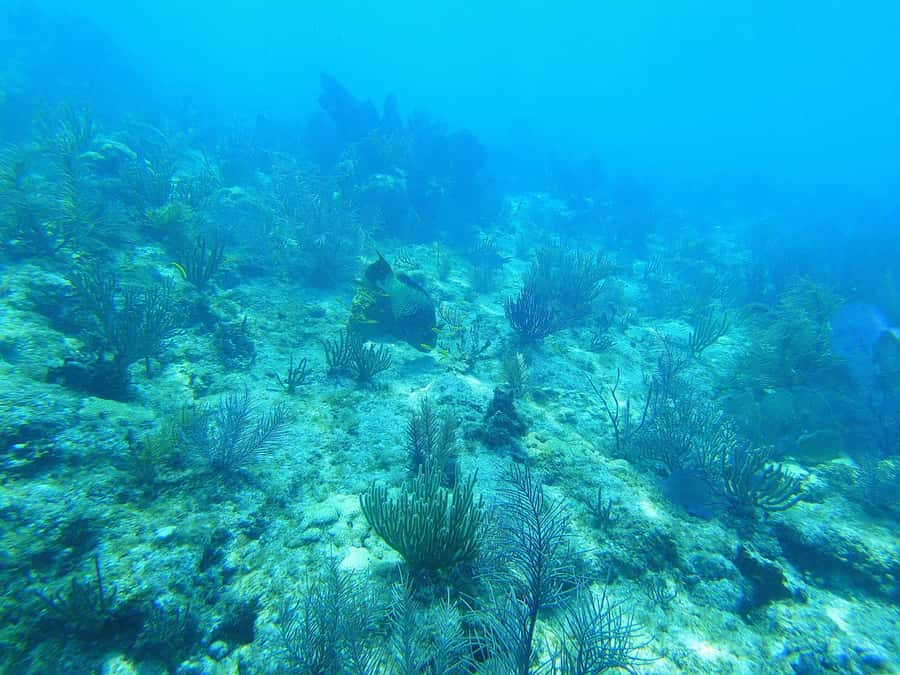
The big value win here is that all gear is included. For many people, that’s the difference between spending time hunting for equipment and showing up ready to go.
That said, a few items are optional:
- A wetsuit (optional, $15)
- A dive computer (optional, $15)
- A guide (optional, $45)
Here’s how I’d think about those extras as you plan. If you’re new and want an extra layer of comfort and help, the optional guide can make the day feel less like guesswork. If you’re used to tracking your own data and prefer that extra feedback, a dive computer is a practical add. If you tend to run cold or just like added comfort, consider the wetsuit option.
If you’re staying focused on value, you can likely do fine without the extras since gear and the core plan are already included. But if your confidence level is tied to tools or extra guidance, the options give you a way to shape the day.
Reef Rules That Keep the Day Fun (and Ethical)
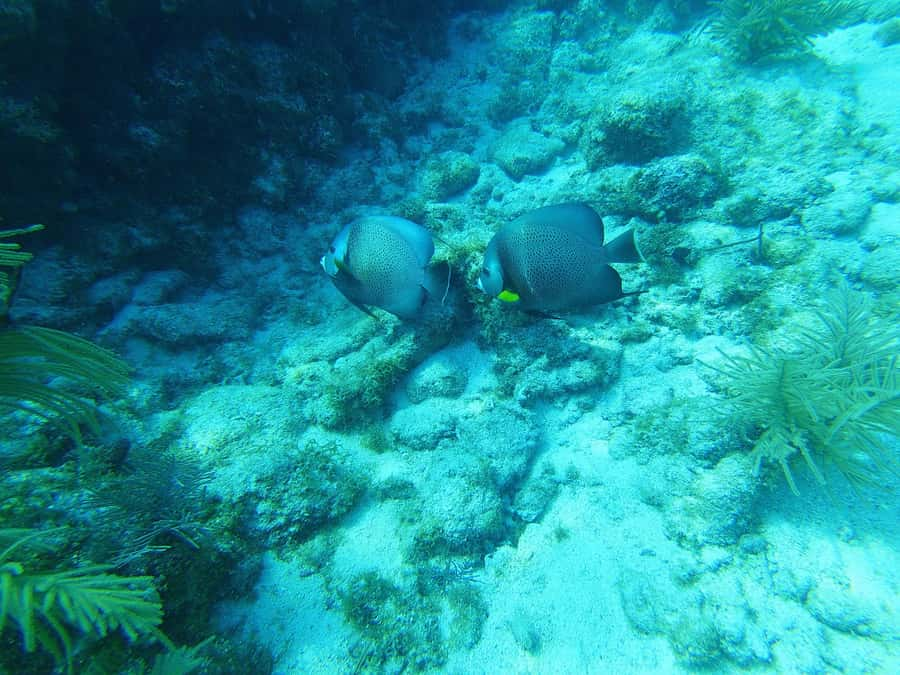
This trip has clear “look, don’t touch” rules. You won’t be allowed to touch marine life or plants. That’s not just a moral rule—it’s a way to keep the reef healthy and keep you from accidentally damaging what you came to see.
It also means your attention stays on observation: fish behavior, coral structure, and how the reef changes across your two locations. When you remove the temptation to touch, you often see more, because you’re using your eyes instead of your hands.
And since you’ll be outside for part of the day, bring sun protection. The suggested items include sunscreen (biodegradable), a hat, swimwear, and a towel. Snacks are also on your list, which is practical for an afternoon schedule.
Price and Value: Is $124 Worth It?
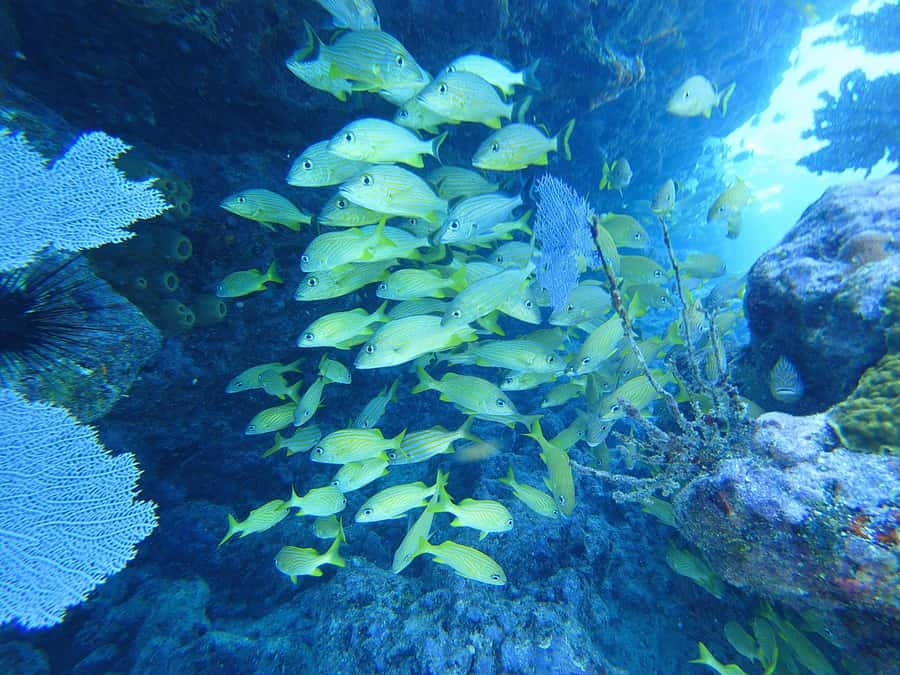
At $124 per person for a two-tank reef outing, the value is really about what you get for that price and what you don’t have to manage.
You’re paying for:
- Two reef sessions on a coral barrier reef system
- All scuba gear included
- A shallow, relaxed plan with manageable depths and time underwater
- A captain-led approach aimed at good visibility and sea-state
Where it gets fair fast is in the “included” part. If you had to rent gear and build a plan yourself, costs would rise quickly. Here, the pricing is bundled around a clear format: two locations, two underwater periods, and a day that stays in that comfortable depth band.
The optional charges are also sensible. If you skip them, you still get the core experience. If you add them, you’re paying for something you chose: extra guidance, a wetsuit, or a computer.
So the question isn’t whether the price is low. It’s whether it matches your needs. If you’re a beginner looking for a confidence-building reef day, or you want an easy afternoon underwater without complicated logistics, the $124 rate makes a lot of sense.
How to Have a Smoother Afternoon at Sea
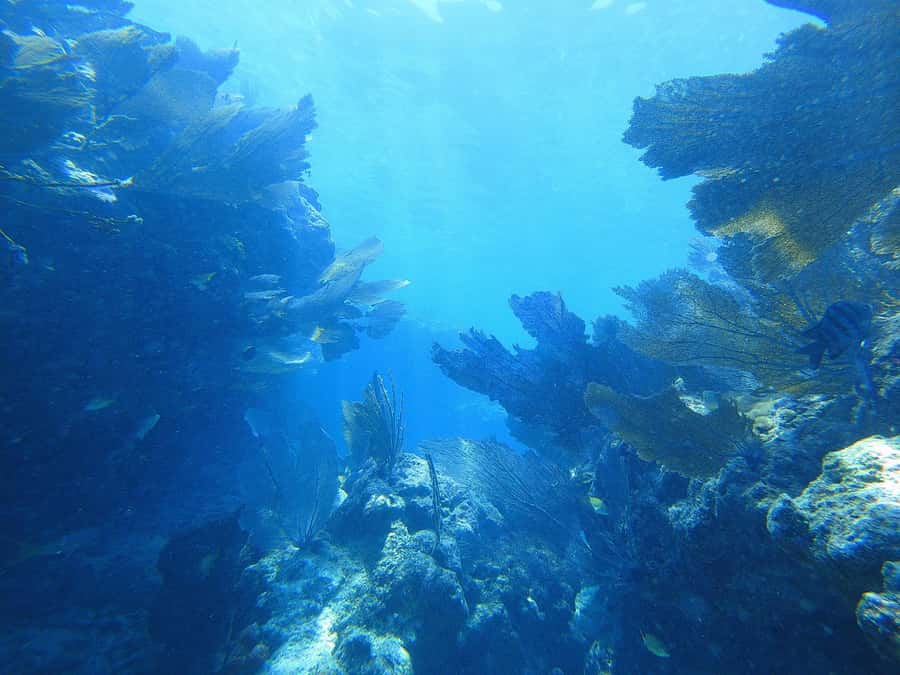
A reef trip feels simple, but small preparation steps make the day feel calmer.
First, trust the captain’s choice. The plan explicitly says the captain selects the reef location based on current conditions, with the goal of better visibility and sea-state. That’s your best clue that conditions can change, so listen to the briefing and be ready for the site swap.
Second, use the day schedule to your advantage. Two reef sites with about an hour each means you should plan your energy like a two-course meal: settle in first, then enjoy the second location more fully once your breathing and buoyancy feel familiar.
Third, show up sun-ready. You’ll want hat, sunscreen (biodegradable), and a towel. Snacks are a smart add because you’re out for several hours and there’s no mention of food being provided.
Finally, follow the no-touch rules. It keeps you safer and helps the reef stay healthy for the next group, which is what makes these reef visits sustainable.
Who Should Book This Scuba Reef Afternoon Trip?
This outing fits best if you match at least one of these:
- You’re newly certified and want a beginner-friendly reef experience at shallow depths
- You want two reef locations in one afternoon rather than one long session
- You’re going with a mixed group and want snorkelers and riders to join the day too
- You prefer a captain-led plan that aims for better visibility and sea-state instead of a fixed, always-the-same route
It’s not the best fit if:
- You’re not a swimmer
- You don’t have the required certification for the scuba sessions
- You’re looking for a deep-water, technical profile (this is focused on easy depths and comfortable time)
Should You Book Southpoint Divers’ Afternoon Reef Trip?
Yes—if your goal is a relaxed, beginner-appropriate reef day with two separate underwater looks. The shallow 25–35 ft plan, the two reef stops, and the captain’s flexibility based on conditions are the winning combination.
If you’re traveling as a family, the fact that snorkeling and riders can join makes it easier to keep everyone together. And since gear is included, you can spend your mental energy on the reef instead of logistics.
My advice: book if you want a confidence-building Florida Keys reef day, not a complicated expedition. If you’re certification-ready and you’re comfortable with shallow-water rules like no-touch and good buoyancy, this is exactly the kind of outing that turns your certification into real-world experience.
FAQ
How long is the Southpoint Divers afternoon reef trip?
The duration is listed as 270 minutes, which is about four and a half hours.
Where do I meet for the trip?
You meet at 606 Front St. Look for the dive flags in front of the dive shop and a Southpoint Divers sign.
How many reef sites will I visit?
The trip includes two reef sites.
What depth should I expect?
The plan is for shallow reef exploration at about 25–35 ft.
Are scuba sessions included in the price?
Yes. The package includes 2 tank reef dive sessions and all gear included.
Do I need certification to join?
Yes. All divers must be certified, and basic open water certification is required to join the scuba sessions.
Can snorkelers and riders join?
Yes. Snorkelers and riders are welcome to join the trip.
What should I bring with me?
Bring hat, swimwear, towel, snacks, sunscreen, and biodegradable sunscreen.
What is optional and costs extra?
A guide is optional ($45), a wetsuit is optional ($15), and a dive computer is optional ($15).
Is there a guide available on the trip?
There is a live tour guide, and the tour language listed is English.