REVIEW · PHI PHI ISLANDS
From Phi Phi: Beginner Scuba Diving Day Trip with 2 Dives
Book on GetYourGuide →Operated by Blue View Divers · Bookable on GetYourGuide
Two reef sessions in five hours, no stress. I like how this Phi Phi beginner program keeps things controlled and calm, then lets you go see turtles, blacktip reef sharks, and schools of fish in warm Gulf of Thailand water. You’re in a small group with a PADI instructor team, so the day feels more like coaching than a factory line.
What I really like is the hands-on setup: you get PADI eLearning ahead of time, then on the boat you practice breathing and basic skills right where you can build confidence. I also love the in-between comfort—Thai lunch, fresh fruit, and chilled water—so you’re not rushing around hungry or wiped out. One thing to weigh: the underwater life you see depends on conditions and time of year, and you may not get a huge range of fish at every depth; plus, photo options (including GoPro-related extras) can cost extra.
In This Review
- Key Things That Make This Day Trip Work
- Price and Logistics: What You’re Really Paying For
- Getting Ready in Advance: PADI eLearning + Real-Life Check-In
- Meet-Up and Boat Ride: The Calm Start You Want
- Two Underwater Sessions at Ko Phi Phi Le: How the Day Gets Built
- Your First Session: Breathing, Buoyancy, and Easy Skills
- Lunch and Recovery: Thai Food, Fruit, and Refills
- Your Second Session: More Reef, More Confidence
- Instructors and Safety: Why Small-Group Coaching Matters
- What You’ll Likely See Underwater (And Why It Can Vary)
- Photos, GoPros, and Souvenirs: Know the Extra Costs
- Eco-Conscious Diving: A Small Detail With Meaning
- What This Trip Is Best For
- Should You Book This Phi Phi Beginner Scuba Program?
- FAQ
- How long is the Phi Phi beginner scuba day trip?
- How many people are in the group?
- What’s the maximum depth during the training?
- Do I need to complete PADI eLearning before the day?
- What’s included in the price?
- What’s not included?
- Do I need to contact the dive centre before my day starts?
- Is there an option for people who feel nervous or not ready for the ocean?
- Can I fly right after the scuba sessions?
Key Things That Make This Day Trip Work
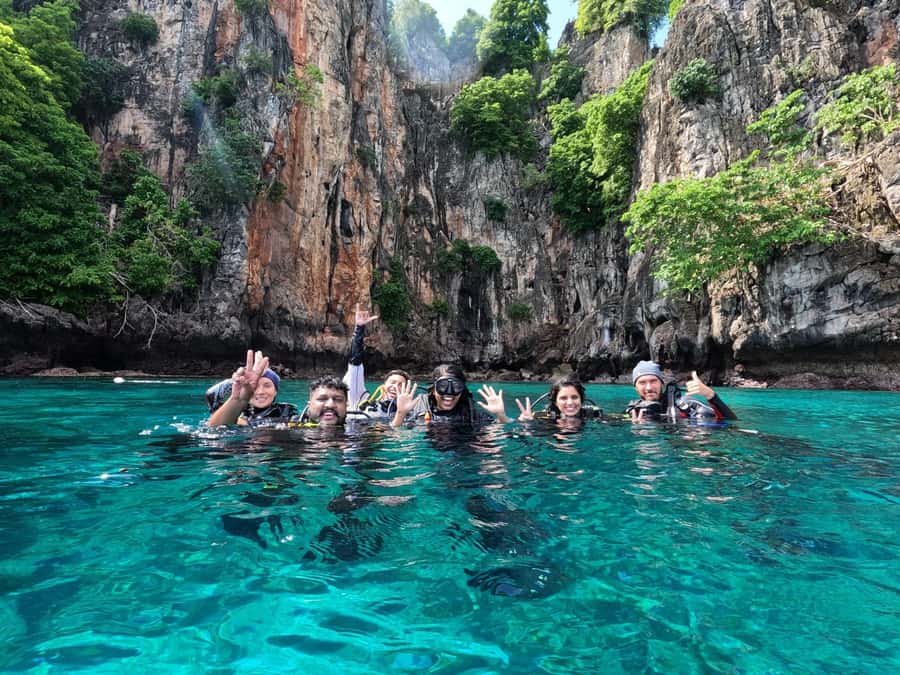
- Small group size (max 2 participants) for more one-on-one attention during your skills practice
- PADI eLearning before you go, so the first minutes underwater feel familiar
- Two separate reef sessions with a proper break and Thai lunch onboard in between
- Guided sightings you can plan for like hawksbill turtles and blacktip reef sharks
- Max depth 12 meters keeps this beginner-friendly and confidence-based
- Eco-conscious approach with Green Fins and national park rules
Price and Logistics: What You’re Really Paying For
The listed price is $125 per person for a 5-hour experience, which is pretty solid for Phi Phi. Why? Because the cost isn’t only about being taken out to sea. You’re also paying for the whole training package: PADI eLearning (required), equipment rental, and professional instruction for two underwater sessions.
On top of that, you’ll have the national park fee to cover (600 THB). That’s normal here, and it’s worth budgeting for so you don’t get surprised once you arrive.
One more practical note: this program isn’t “book and forget.” Booking isn’t complete until you contact the dive centre directly on WhatsApp and do the admin/medical pre-checks in advance (the key deadline is the day before check-in by 5pm). If you miss that window, you can miss the day and pay for it yourself—so put that reminder in your calendar the moment you book.
You can also read our reviews of more tours and experiences in Phi Phi Islands.
Getting Ready in Advance: PADI eLearning + Real-Life Check-In
This experience starts before you even leave your hotel. You receive PADI eLearning a few days before your program day. The point is simple: you learn the theory before you get wet, so you spend your energy on buoyancy, breathing, and comfort instead of trying to figure out how the system works mid-water.
Check-in is the next step. You can either check in the day before in person at the dive centre overlooking Loh Dalum Bay, or you can complete the necessary admin remotely by messaging first. Either way, you’ll want a working WhatsApp number ready.
Also think about flights. You cannot fly within 24 hours after your scuba sessions, so keep your schedule realistic if you’re moving on to Phuket or Krabi soon after.
Meet-Up and Boat Ride: The Calm Start You Want
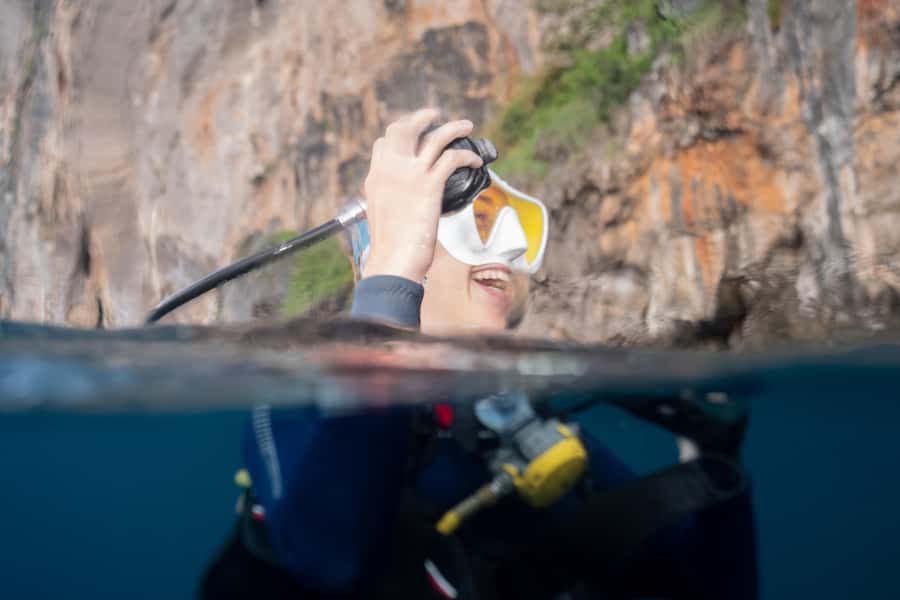
You’ll meet about 30 minutes before departure near the Phi Phi Pier area (your exact meeting point can vary depending on whether you choose Phi-phi pier or Blue View Divers). After you get set, you’ll handle the basics: the national park fee is paid, then the team runs through dive specifics and skills you’ll practice.
Most sites are about 20 minutes from the pier, which helps a lot for beginners. Short transfer time means less motion fatigue and less “waiting around” before your first underwater skills practice.
Two Underwater Sessions at Ko Phi Phi Le: How the Day Gets Built
The day is paced as two underwater sessions, each about one hour, with a break and lunch between them. The rhythm is smart: you learn, practice, see animals, then you eat and reset before going back down again.
Your First Session: Breathing, Buoyancy, and Easy Skills
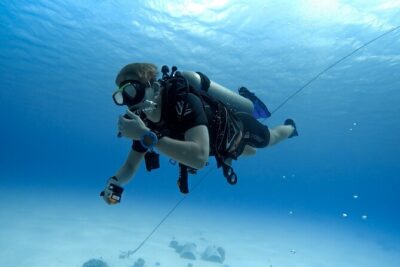
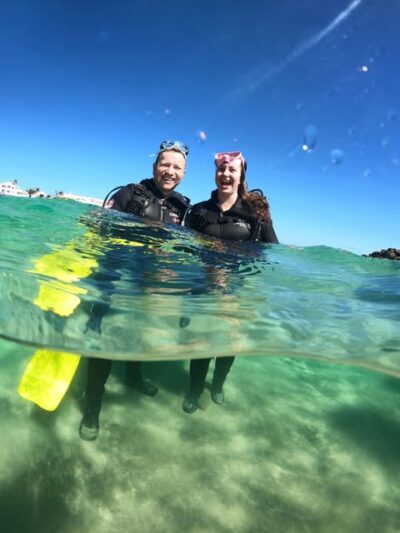
After kit-up, you roll into warm tropical water and start on the descent line. This is where you build trust quickly. You practice breathing and swimming, plus a set of basic skills just beneath the surface.
Then, when you’re ready, you descend to a maximum depth of 12 meters onto the shallow reef. This depth limit matters. It’s enough to experience the reef ecosystem, but it’s still controlled for new divers who are learning to stay calm, slow down, and move efficiently.
What you can hope to see here includes:
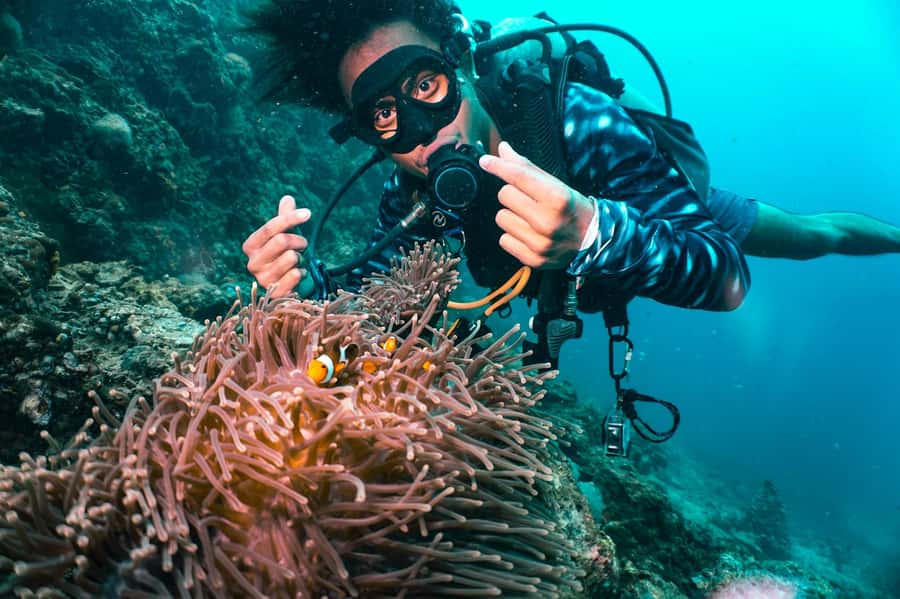
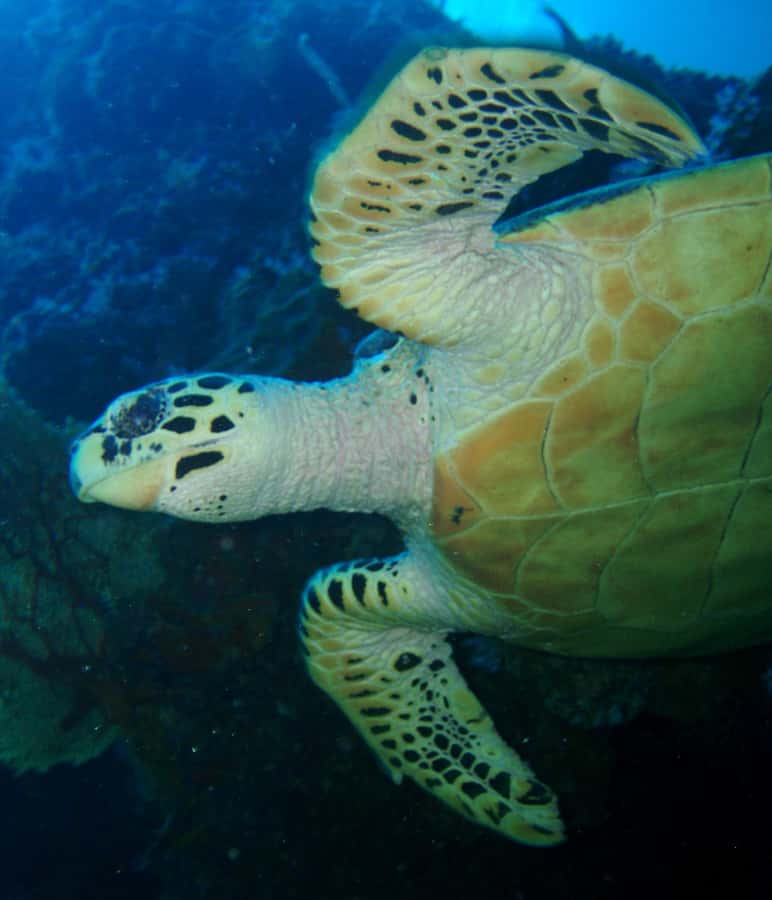
- Hawksbill turtles
- Blacktip reef sharks (harmless and expected in the region)
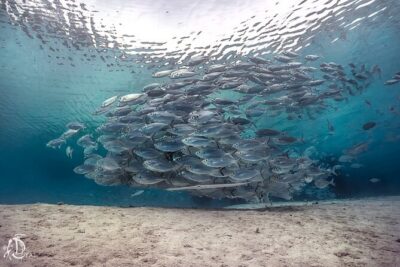
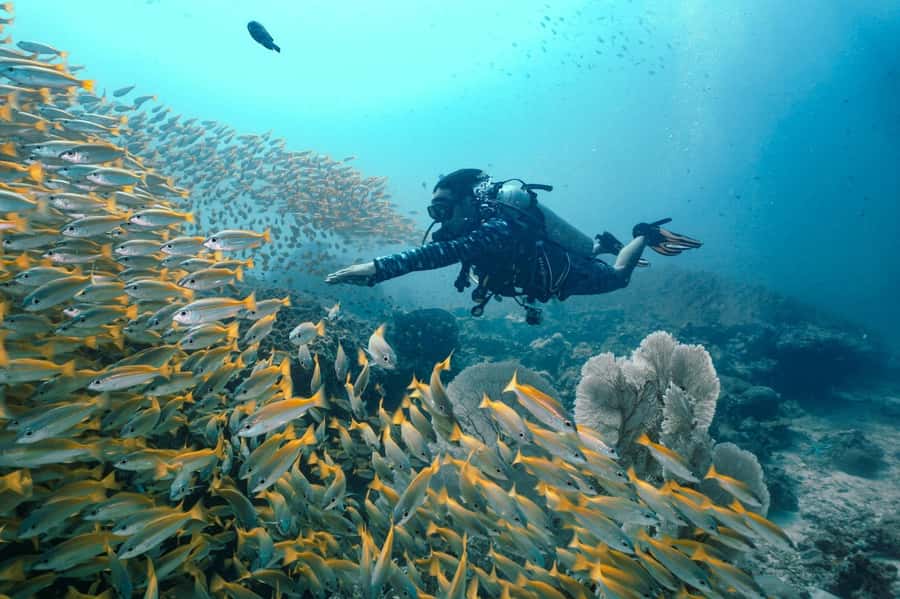
- Huge schools of snappers and lots of reef fish
- Corals and reef rock formations
- 1000s of tropical fish (the exact mix depends on season and conditions)
Lunch and Recovery: Thai Food, Fruit, and Refills
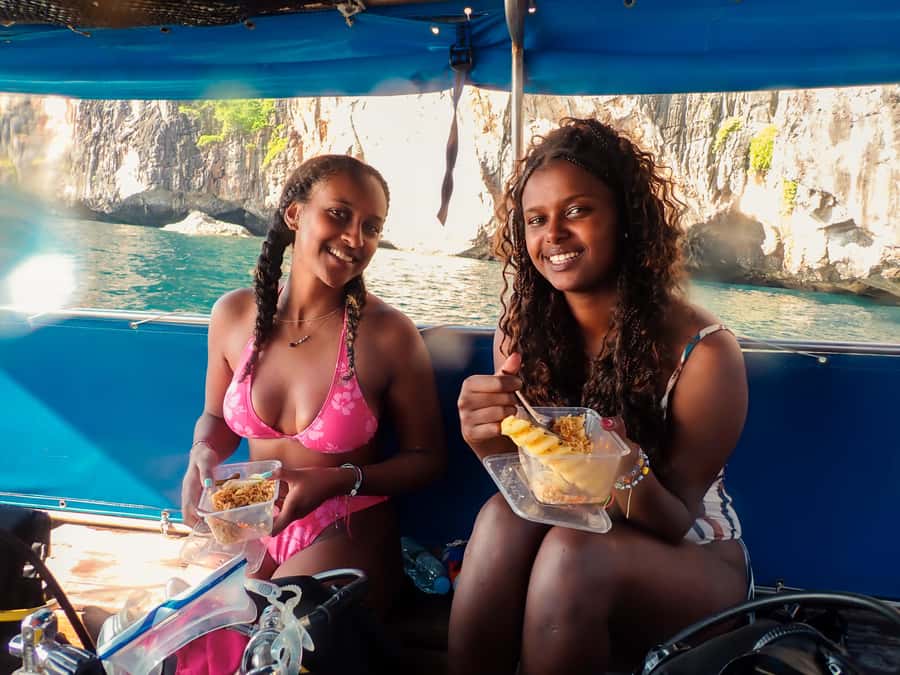
Between sessions, you head back to a break period onboard the boat. You’ll get a delicious Thai lunch plus fresh fruit and water. There’s tea/coffee as well, and water refills are part of the setup.
This part is more important than it sounds. After you’ve been task-focused underwater, a warm meal and a chance to dry off help you enjoy the second session more. If you’re coming from a busy island hopping day, this break keeps the overall experience from feeling rushed.
Your Second Session: More Reef, More Confidence
After lunch and a reset, you go again around Phi Phi Leh area and explore another reef site with a similar time window. This is where you usually feel the payoff: your breathing is steadier, your movements are calmer, and you spend more time noticing animals and reef texture.
The second site can also help you catch variety. Even if the first location was fish-heavy, the next spot might change the mix—new rock formations, different patches of coral, and another shot at those headline animals.
Instructors and Safety: Why Small-Group Coaching Matters
This is run by a professional PADI dive instructor team, and the experience is designed for a small group—limited to 2 participants. That’s a big deal when you’re learning. You get more time for questions, more frequent checks, and quicker feedback on basics like buoyancy control.
One name that came up in past experiences was José, praised for being professional, attentive, and especially careful about safety throughout the day. Another pair that showed up in feedback was Blue and Michael, noted for professionalism and how smoothly they keep things moving.
You also get options if you’re nervous or you’re not sure you’re ready for the ocean yet. There’s an optional beach training option (additional cost: 1,200 THB). That training can be a smart choice if you’re a non-swimmer or you want extra practice before stepping into open water.
What You’ll Likely See Underwater (And Why It Can Vary)
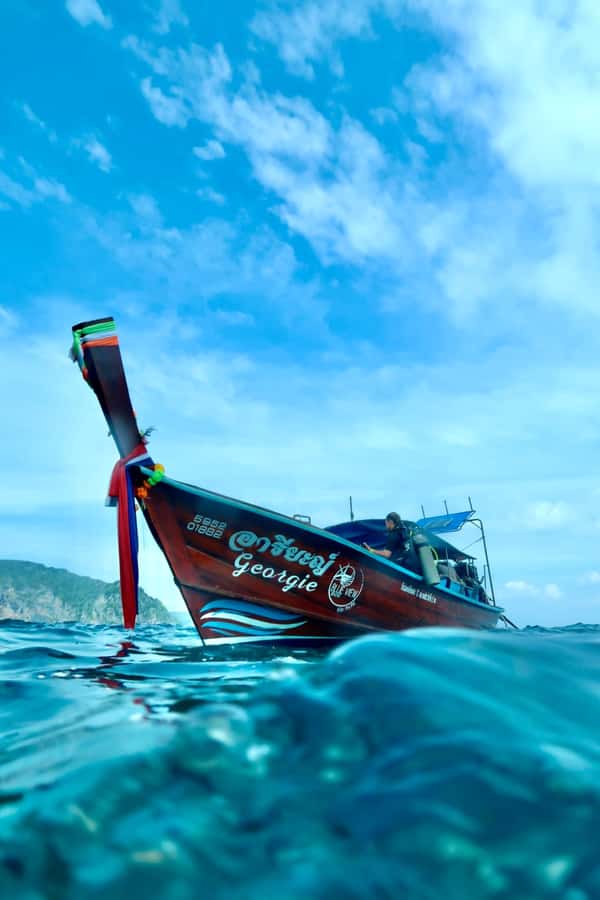
The program is built around real marine-life expectations: turtles, blacktip reef sharks, and dense fish life around the reef. You’ll also see coral and reef formations in shallow water.
Still, you should assume sightings vary by:
- Weather and visibility on the day
- Time of year
- Which reef site you’re assigned
One practical example from experience notes: at around 12 meters, some days may feel less diverse in fish variety than you expected. That doesn’t mean the trip is a waste—it just means this is more about learning the experience properly and enjoying the reef ecosystem than checking off a guarantee list of every animal.
Photos, GoPros, and Souvenirs: Know the Extra Costs
Photography service isn’t included in the main price. And if you’re hoping for GoPro footage, be aware that rules can be strict: in past experiences, GoPro use wasn’t always allowed without paying for the photo option.
If photos matter to you, plan on either:
- Renting your own camera solution that complies with staff rules, or
- Buying the photography option so you get usable underwater memories.
This is one of the biggest “budget surprises,” so decide early whether you’re okay with headshots from your camera only above water, or you want that extra package.
Eco-Conscious Diving: A Small Detail With Meaning
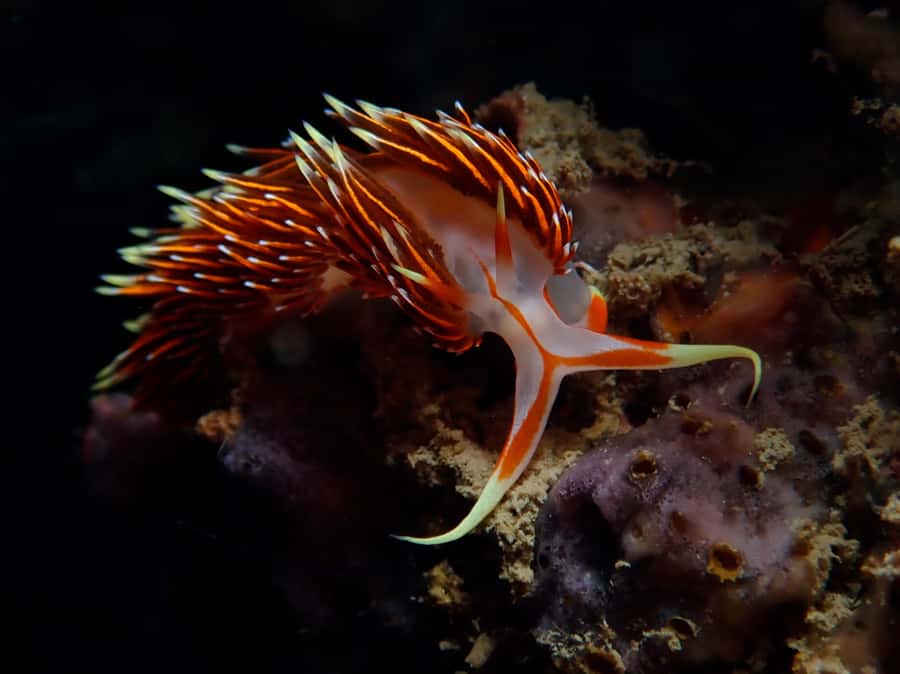
The operator follows Green Fins and national park regulations. For you, that translates to practical habits that reduce harm to reefs: controlled movement, attention to fins and contact, and adherence to rules about the marine environment.
This isn’t just a feel-good policy. When you’re learning, eco-conscious habits also reinforce good technique. If you’re staying off fragile coral and keeping control, you’re safer and you’re more likely to see animals that aren’t startled by rough handling.
What This Trip Is Best For
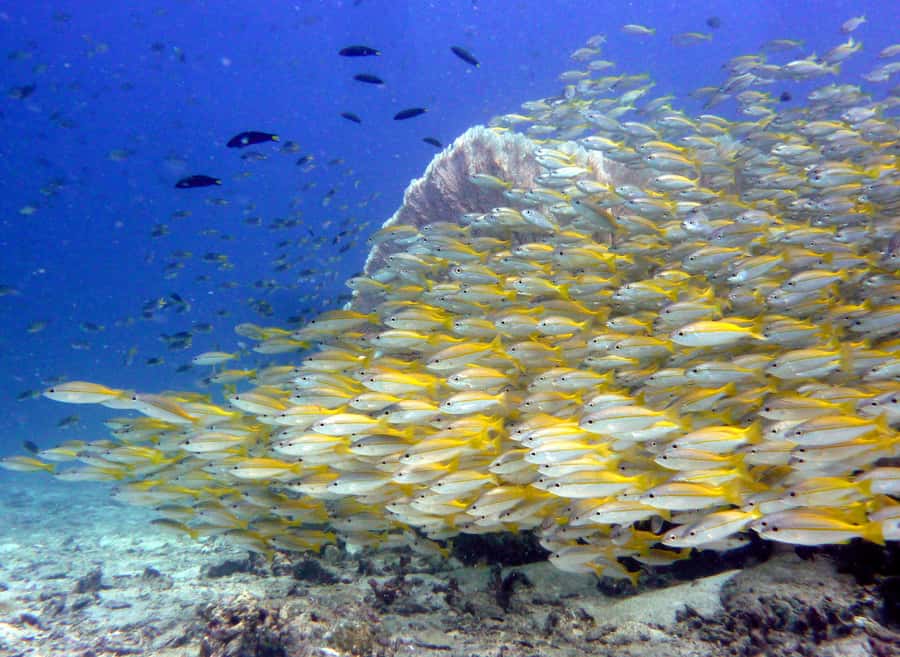
This is ideal if:
- You want a beginner scuba experience with two structured underwater sessions
- You prefer small-group attention rather than large groups
- You’re excited by reef life—turtles, blacktip reef sharks, and schools of fish
- You want a day that doesn’t drain you because lunch and rest are built in
It also makes sense if you’re traveling between islands or heading onward, since you can choose morning or afternoon departures. Morning tends to be better if you need time to continue to Phuket or Krabi. Afternoon works well if you want sundowners later.
Should You Book This Phi Phi Beginner Scuba Program?
Yes, if your priority is a confidence-first experience with real coaching, good comfort breaks, and a shot at major marine sightings in warm water. The small-group format is the real value driver, not just the two-session schedule.
Before you book, check yourself on two points:
- Are you willing to do the required PADI eLearning and the admin steps by the deadline?
- Do you care about underwater photos enough to handle possible extra costs (especially if GoPros aren’t allowed)?
If those boxes fit your style, you’ll likely leave with calmer skills, a good reef feel, and the kind of underwater moment you remember—without turning the day into a stressful endurance test.
FAQ
How long is the Phi Phi beginner scuba day trip?
It runs for about 5 hours.
How many people are in the group?
The group is limited to 2 participants.
What’s the maximum depth during the training?
The program includes a maximum depth of 12 meters.
Do I need to complete PADI eLearning before the day?
Yes. PADI eLearning is required and is provided a few days before your dive program starts.
What’s included in the price?
Included are PADI eLearning, scuba equipment rental, a zero waste lunch box, fresh fruit and water, and a professional PADI dive instructor (plus tea/coffee and water refills).
What’s not included?
National park fees (600 THB) are not included. Photography services are also not included. Optional beach training is an extra 1,200 THB.
Do I need to contact the dive centre before my day starts?
Yes. Booking is not complete until you contact the dive centre via WhatsApp and complete the required admin/medical pre-checks. You must check in by 5pm the day before, or you may miss the sessions at your own expense.
Is there an option for people who feel nervous or not ready for the ocean?
Yes. There’s an optional beach training option (1,200 THB) if you’re particularly nervous, a non-swimmer, or unsure you’re ready.
Can I fly right after the scuba sessions?
No. You cannot fly within 24 hours after scuba sessions, so plan your flight timing accordingly.