REVIEW · BRINDISI
Brindisi: Try scuba diving
Book on GetYourGuide →Operated by APULIA MULTIADVENTURE · Bookable on GetYourGuide
Want to breathe underwater for the first time? This one-day try-out in Brindisi walks you through the basics, then gives you close, instructor-led time in the water so you can actually experience it without signing up for a full course.
I like two things right away: it’s run from the Marina di Brindisi area by an experienced team, and the class size is kept very small, so you’re not just another number in a big group. The instructors are ISO-certified and report 10,000+ divers certified, which matters when you’re learning hands-on skills.
One drawback to note: this experience isn’t for everyone. If you deal with any of the listed conditions like claustrophobia, heart or respiratory issues, epilepsy, or you’re pregnant, it won’t be suitable, and you should save yourself the hassle.
In This Review
- Key points before you book
- Why Brindisi is a smart place to try scuba
- Finding ponton F at Marina di Brindisi
- The briefing: the fastest way to feel safe
- Gear prep: wetsuit, BCD, regulator, tank, mask, fins
- Shallow-water exercises that teach real control
- The open-water session: guided, close, and safety-first
- Debrief and the certification record
- Price and value: is $90.63 a fair deal?
- Languages and group size: why max 4 helps beginners
- Who this is best for (and who should skip it)
- Safety rules you should take seriously
- A quick note on timing and how to plan your day
- Should you book Try scuba in Brindisi?
- FAQ
- What’s the duration of the scuba try experience in Brindisi?
- How much does it cost per person?
- What equipment is included?
- How many people are in the group?
- What languages are available for the instructor?
- Where do we meet for the activity?
- Who should not take part?
- When should I book?
Key points before you book
- Official local center: run from Marina di Brindisi, not some random “we’ll figure it out” setup
- Small group (max 4): more time with the instructor, less waiting around
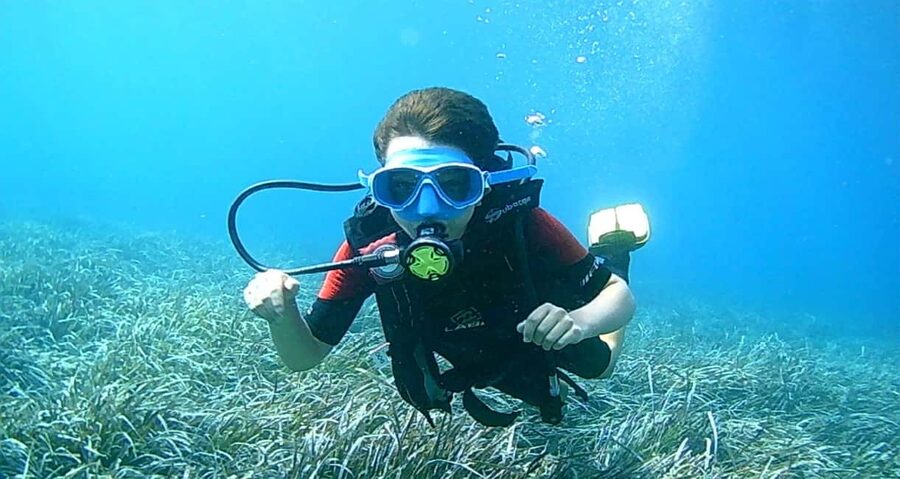
- Full equipment included: wetsuit, BCD, regulator, tank air, mask, and fins
- Step-by-step training: briefing, then shallow-water skills before open-water time
- Multi-language instruction: English, Spanish, and Italian
Why Brindisi is a smart place to try scuba
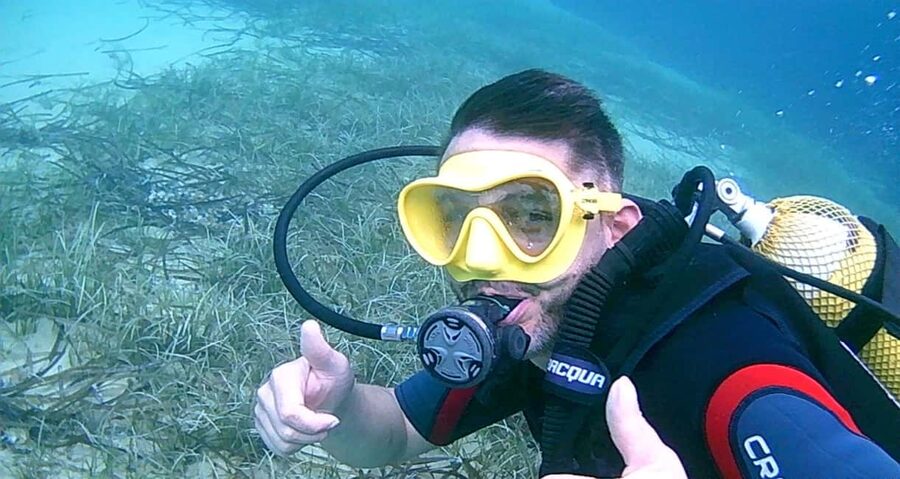
Brindisi is one of those Apulia ports where the sea feels like it’s part of everyday life. For a first try, that’s a big deal: you want a place that’s used to putting beginners in the water with calm, controlled conditions.
This experience is built for first-timers who want the real sensation of scuba, not a “theory first” classroom day. You’ll start with a briefing, practice the essentials in shallow water, and only then move to an open-water setting with close supervision.
Also, I’m a fan of the setup style here: the team presents itself as an official center tied to the Marina di Brindisi area, with instructor trainers and national federal instructor credentials. That signals a mature operation, especially when you’re learning breathing techniques and buoyancy control for the first time.
You can also read our reviews of more tours and experiences in Brindisi.
Finding ponton F at Marina di Brindisi
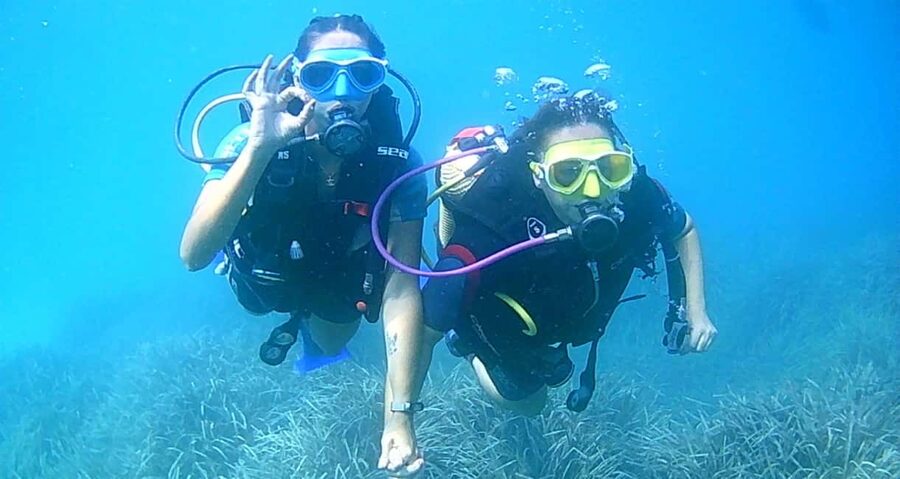
Your meeting point is in front of ponton F, and you end back there. That sounds simple, but if you arrive late or in a different spot, you can lose the smooth start of your training.
Here’s my practical advice: when you’re on location, take 10 minutes to visually confirm you’re at the correct pontoon before you assume you’re right. In one case I saw described by a participant, the person arrived early, couldn’t reach anyone, and eventually left after no one showed up. That story is rare, but it’s enough to remind you to plan a little buffer time and keep your contact method handy.
Once you’re there, expect the day to run like a real lesson. This is not the kind of activity where you just wander around and hope for the best. You’ll be geared up and guided in sequence.
The briefing: the fastest way to feel safe
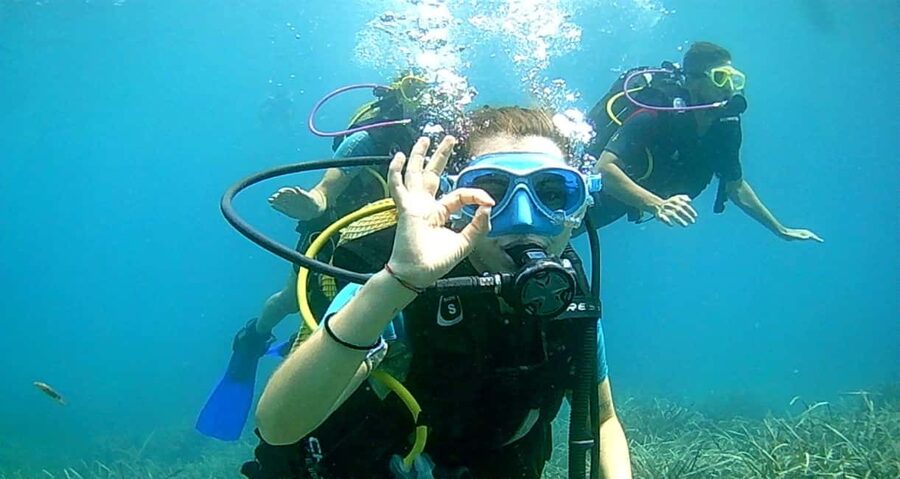
Before you get in the water, you’ll get a detailed briefing from a certified instructor. This is where you learn the building blocks you’ll use constantly underwater.
You can expect basics like:
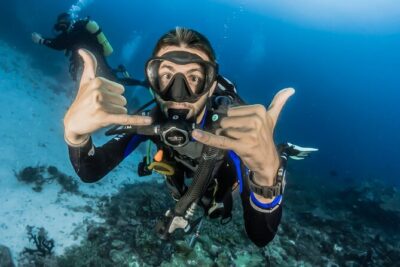
- Hand signals used underwater (so you’re not guessing)
- Breathing techniques (how to manage air calmly)
- How to handle the equipment without panic
I love that the briefing is framed as training you can use right away. New scuba students often worry about the gear. Here, the instructor tells you what each piece does and how it fits into the workflow, so your brain isn’t trying to learn scuba and figure things out at the same time.
One more point: your instructor can work in English, Spanish, or Italian, which helps if you want quick clarity rather than struggling through slow translation.
Gear prep: wetsuit, BCD, regulator, tank, mask, fins
After the briefing, you’ll practice with your equipment. The instructor will guide you in preparing and checking the core items: wetsuit, BCD, regulator, compressed air tank, plus mask and fins.
And yes, this matters. For a first session, gear issues are usually not dramatic underwater problems. They’re fit problems, strap tension problems, or mask clearance issues that you can fix before you go in the water. When someone checks everything before entry, you’re more likely to stay relaxed.
This plan is also good for value. Many “try it” experiences make you rent a random kit and then figure out the setup on the fly. Here, the equipment is included as part of your booked experience, which is part of why the price makes sense.
Shallow-water exercises that teach real control
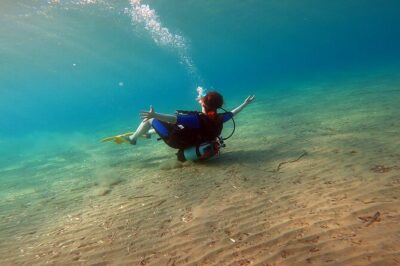
You won’t jump straight into open water. Before that, you practice in a shallow area with confined water exercises. This is where your first scuba confidence gets built.
Expect skills like:
- Practicing breathing underwater
- Clearing your mask if water gets in
- Retrieving your regulator (so you know what to do if it slips)
- Managing buoyancy (the trickiest skill for many beginners)
This sequence is smart because it targets the things that feel scary at first, then turns them into muscle memory. Breathing underwater becomes normal faster when you’ve already practiced it once in a controlled setting.
Buoyancy is the big one. If you can hover and control your depth, your whole experience feels smoother and less stressful. Even if you don’t become a pro, you’ll leave your first session with a clearer sense of what to focus on.
The open-water session: guided, close, and safety-first
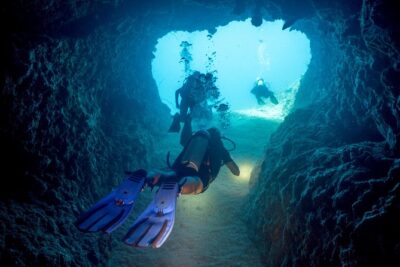
Once you feel comfortable with the basic equipment and techniques, you move to open water. The exact setting can vary, but the experience is designed to stay controlled—think calm conditions where a beginner can succeed.
During the open-water time, you’ll be closely accompanied by the instructor. That’s key. This is not a “freestyle adventure” where you figure out what you’re doing alone. It’s a lesson plus the chance to explore the underwater environment with real support.
You’ll also get a debrief after the water time. This is where the instructor talks through what went well, answers questions, and helps you understand what to improve next.
Debrief and the certification record
After the dive training and the open-water time, you’ll finish with a debriefing. Expect discussion of the experience, plus suggestions for improving your skills.
There’s also a certification note tied to your participation. The experience says it will be certified in an international register connected to professional and technical instruction. Translation: you should leave with some formal documentation of the experience, not just a verbal “good job.”
That matters if you’re the type who wants a clear step forward. Even if you don’t enroll immediately in a full course, having your first try recognized can help when you later sign up elsewhere.
Price and value: is $90.63 a fair deal?
At $90.63 per person for a one-day experience, the price isn’t low, but it’s not random either. What justifies it is what’s included and how guided it is.
You get:
- Instructor-led briefing plus guided skills practice
- Confined water exercises followed by open-water time
- Full equipment included (wetsuit, BCD, regulator, cylinder air, mask, fins)
- A small group capped at 4 participants
If you compare this to DIY snorkeling gear plus renting tanks and paying for a lesson separately, the package format usually wins. Most of the cost is really instructor time and equipment logistics. In other words, you’re paying for safety, supervision, and learning—not just for access to water.
If you want to try scuba with minimal friction, this price is easier to swallow than you might expect.
Languages and group size: why max 4 helps beginners
This is a small group experience, limited to 4 participants. That is a big deal for first-timers because it keeps the instructor’s attention focused on a few people instead of juggling a crowd.
It also makes questions easier. You can ask what you’re supposed to do next and get answers without the instructor repeating instructions five times.
With instruction available in English, Spanish, and Italian, you’re also more likely to get clear explanations quickly. When you’re learning hand signals and breathing habits, speed and clarity beat “close enough.”
Who this is best for (and who should skip it)
This experience is designed for people who want to try scuba without completing a full scuba certification course. It’s a great fit if you:
- Want a guided first-time experience with equipment provided
- Learn better in a structured progression: briefing → shallow skills → open-water time
- Prefer one instructor overseeing a very small group
But you should skip it if you fall into any of the listed categories. The experience is not suitable for:
- Children under 8 years
- Pregnant women
- People with claustrophobia
- People with heart problems, respiratory issues, epilepsy, or diabetes
- People with a cold
- People with recent surgeries
- People over 70 years
- Wheelchair users
- Hearing-impaired people
For health-related limits, I’d treat the list as the final word and not try to “talk yourself into it.” The whole day depends on being comfortable in the gear and able to follow safety directions.
Safety rules you should take seriously
The experience specifically says no alcohol and drugs are allowed. That’s not just policy. It’s a safety requirement when you’re learning controlled breathing and buoyancy.
Your best move is to follow the instructor’s cues exactly, especially during shallow-water skills. If you feel uncertain, say so right away rather than powering through. That’s how you keep the experience positive instead of stressful.
And remember: the whole point is to teach you the basics in a safe, controlled way. You’re not being judged. You’re being coached.
A quick note on timing and how to plan your day
This is a one-day experience, and you’ll want to check available starting times. Plan your day so you’re not rushing to make last-minute connections right after your session.
Also, book it at least 1 day before. That gives the provider time to arrange equipment and staffing for your group.
Since the activity ends back at the meeting point, you can plan a meal nearby afterward. Brindisi is a great place to do that: you’ve earned a proper post-water appetite.
Should you book Try scuba in Brindisi?
I’d book this if you want a guided first scuba experience with small-group attention, a clear lesson structure, and equipment included. The combination of shallow-water skill practice and close instructor support is exactly what you want when you’re learning hand signals, breathing, mask clearing, and buoyancy for the first time.
I’d hesitate only if you know you might have difficulty with tight-fitting gear or the confined feel of early exercises—especially if you fall into the listed unsuitability categories like claustrophobia. And because one participant reported a meeting-point/no-contact problem, I’d also suggest you arrive early and confirm you’re at ponton F rather than cutting it close.
If you’re a healthy first-timer who’s okay following directions, this is a solid way to see what scuba feels like without committing to a full certification course.
FAQ
What’s the duration of the scuba try experience in Brindisi?
It’s listed as a valid 1 day experience. Starting times depend on availability.
How much does it cost per person?
The price is $90.63 per person.
What equipment is included?
The experience includes a wetsuit, BCD, regulator, compressed air cylinder, mask, and fins.
How many people are in the group?
It’s a small group limited to 4 participants.
What languages are available for the instructor?
The instructor can work in English, Spanish, and Italian.
Where do we meet for the activity?
You meet in front of ponton F, and the activity ends back at the same meeting point.
Who should not take part?
The activity is not suitable for children under 8 years, pregnant women, people with claustrophobia, heart problems, respiratory issues, epilepsy, diabetes, a cold, recent surgeries, people over 70 years, wheelchair users, or hearing-impaired people.
When should I book?
You need to book the activity at least 1 day before.