REVIEW · KOH TAO
Become certified diver in 3 days – PADI Open Water Diver course on Koh Tao
Book on Viator →Operated by PADI 5 Star IDC Diving Center Scuba Birds · Bookable on Viator
Three days, then you can breathe underwater. Koh Tao’s PADI Open Water Diver course is a clear path to a PADI certification you can use worldwide, with provided equipment and real water practice instead of only classroom time. It’s also an easy-feeling setup because the Scuba Birds center is within walking distance of the pier area in Mae Haad, so you’re not wasting vacation hours on transfers.
Here’s the one thing to weigh: you’ll do serious prep work—manual reading, training video segments, knowledge reviews, and a final written exam. If you want a totally laid-back vacation with no homework at all, this course asks for focus before you earn your card.
In This Review
- Key things I’d bet you’ll care about
- Koh Tao and Scuba Birds: why this 3-day certification makes sense
- Day 1 at the Scuba Birds center: manual work plus first shallow-water skills
- Day 2: two open-water sessions up to 12 meters and more real control
- Day 3: final exam, certification procedures, and the 18-meter cap
- Equipment, log book, and why the PADI card is useful
- Price and value: what $375.70 really buys you
- Logistics in Mae Haad: timing, meetings, and keeping stress low
- Who should take this course (and who should think twice)
- Should you book the Koh Tao PADI Open Water course with Scuba Birds?
- FAQ
- How long is the PADI Open Water course on Koh Tao?
- What certification do I get at the end?
- How many open-water sessions are included?
- How deep do I train on Day 2 and Day 3?
- Is equipment provided?
- What happens if weather is bad?
Key things I’d bet you’ll care about
- PADI Open Water certification in about 3 days with a structured classroom + water progression
- Four open-water training sessions after the skills build-up in shallower water
- Max training depths of 12m on Day 2 and 18m on Day 3 as your skills advance
- Small groups (up to 10 students), which usually means more attention when you’re new
- Instructor support that helps nervous first-timers, including Dominik Maier’s style—funny when it helps, firm when it matters
Koh Tao and Scuba Birds: why this 3-day certification makes sense
Koh Tao is known for getting beginners comfortable fast, and this course is built around that idea. You get a tight schedule: classroom prep first, then you start building skills right away in the water. For me, the big advantage is that you’re not waiting days for the “real part.” You’re doing the hard learning early, then practicing it repeatedly until it clicks.
Scuba Birds runs the experience from Mae Haad, and the meeting point is walkable from the pier area. That matters more than it sounds. When you’re learning to gear up, remember steps, and stay calm, you want your travel time simple and predictable. Less scrambling also means more energy for the sessions themselves.
And the card you earn isn’t a “local” certificate. It’s a PADI diver certificate, which is exactly what you want if your goal is to dive elsewhere later. You also leave with a diving log book to track what you do, which is handy for future trips and for keeping your learning organized.
One more practical note: the course requires good weather. That’s normal for open-water training, but it’s worth considering if your trip is set in stone on a specific date.
You can also read our reviews of more tours and experiences in Koh Tao.
Day 1 at the Scuba Birds center: manual work plus first shallow-water skills
Day 1 starts with you working through the PADI Open Water materials. You’ll read 5 chapters of the PADI manual, and you can supplement with 5 parts of the training video. After that, you complete knowledge reviews (the schedule includes multiple reviews and checks as part of the learning flow).
This is the part many people underestimate. It’s not just reading for reading’s sake—you’re building a base so your instructor can reinforce what you’ll apply in the water. In a first-time course, your brain can feel busy: equalizing, breathing, buoyancy control, and remembering procedures all at once. The classroom work helps those tasks become less scary later.
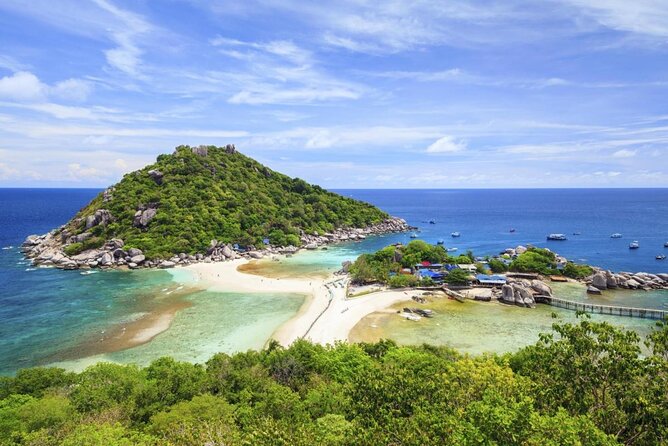
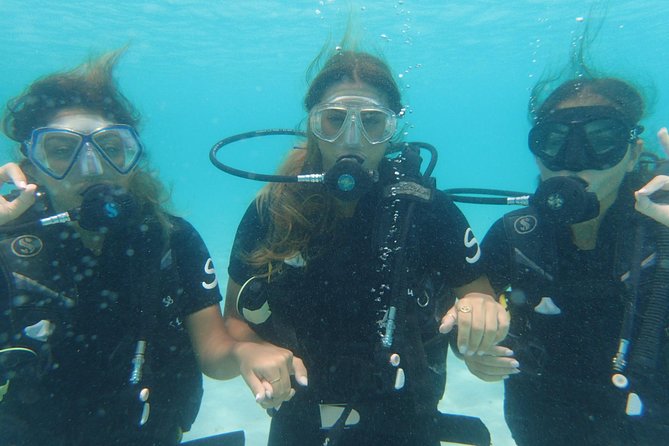
After the theory comes the water work at Nang Yuan Island. On Day 1, the practical application happens in shallow water. That’s where you learn core skills like equipment assembling and buddy procedures, plus the basics of how things are supposed to feel underwater when you’re new. You’re not going straight to bigger depths. You’re training your body and mind to work together.
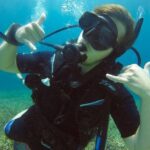
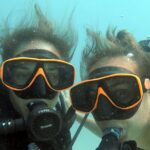
What to expect emotionally: the first water steps often feel like a lot. You’ll likely be nervous at certain points if you’ve never tried SCUBA before, and that’s exactly when a good instructor style matters. Dominik Maier’s approach—hilarious but still stern when needed—makes a difference in those moments. You get the right mix of calm guidance and clear correction.
Possible Day 1 drawback: if you hate studying on vacation, this day can feel like more “work” than you expected. But it’s also why the rest of the course can move smoothly.
Day 2: two open-water sessions up to 12 meters and more real control
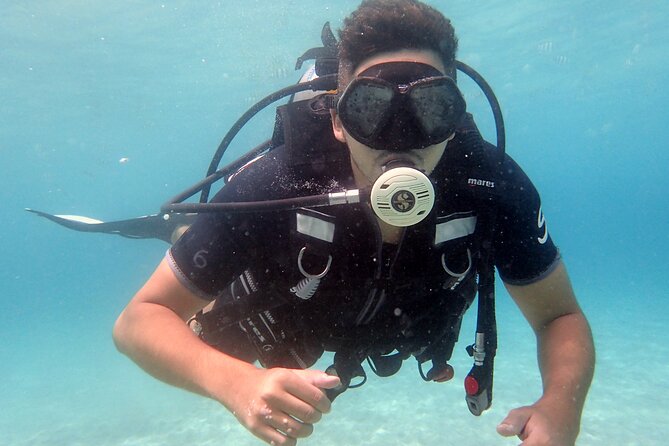
Day 2 continues the theory side. You’ll go through additional knowledge reviews and quizzes, so you’re not moving forward on autopilot. This part is important because the open-water work requires you to understand procedures, not just imitate them.
Then the schedule shifts to Nang Yuan Island again, with two open-water training sessions. The max depth listed for Day 2 is 12 meters. That’s a smart progression. It’s enough depth to practice key skills in the kind of environment you actually want for certification, but it’s still within the comfort range of early-stage training.
In practical terms, these sessions are where you’ll start to feel the difference between “doing skills” and “actually controlling your experience.” You’ll work on things like:
- staying comfortable with your breathing rhythm
- following buddy procedures consistently
- using buoyancy to avoid bouncing up and down
- remembering step-by-step tasks while staying calm
You’re also building confidence through repetition. Two sessions on the same day means you have a chance to improve between them. The first one might feel like learning on hard mode. By the second, you’ll usually be faster, steadier, and more relaxed.
One consideration: open-water training has a learning curve. Even if you’re physically comfortable, your brain is still new to how air, buoyancy, and movement work together. Expect small hiccups, not perfection.
Day 3: final exam, certification procedures, and the 18-meter cap
Day 3 begins at 8:00 AM with continued theory and a final written exam. If you’re the kind of person who freezes when it’s time to write answers, give yourself extra patience here. This exam isn’t meant to trick you—it’s meant to confirm you understand the course material you used on Day 1 and reviewed on Day 2.
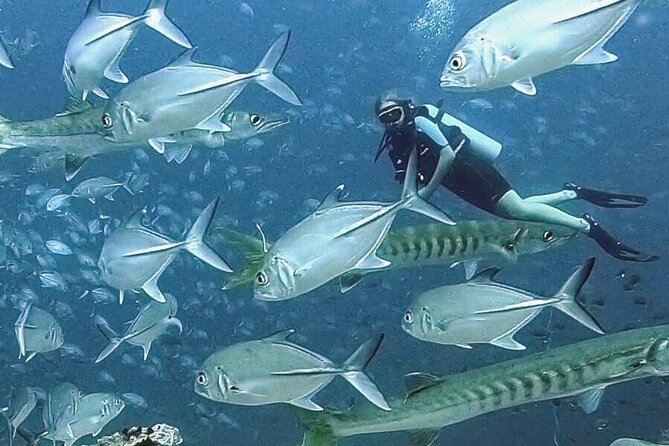
Then comes Nang Yuan Island again, from 9:00 AM to 2:00 PM, for two open-water sessions with a max depth of 18 meters. This is the step-up day. By now, you should have more familiarity with the gear, the procedures, and what you need to focus on. The deeper session is about confirming you can apply those basics while the dive environment changes.
The day ends with certification procedures. That’s the moment the course becomes more than a training weekend. You finish with your PADI diver certificate, and you get the log book to carry forward.
What I like about ending this way: it wraps the whole learning arc into a single outcome. You’re not just going home with some experience. You’re leaving with recognized certification that you can build on with future trips.
Day 3 can feel mentally tiring. Between the exam and the final sessions, you’ll want to stay hydrated and focused. If you treat it like a checklist day—rather than a panic day—you’ll get more out of it.
Equipment, log book, and why the PADI card is useful
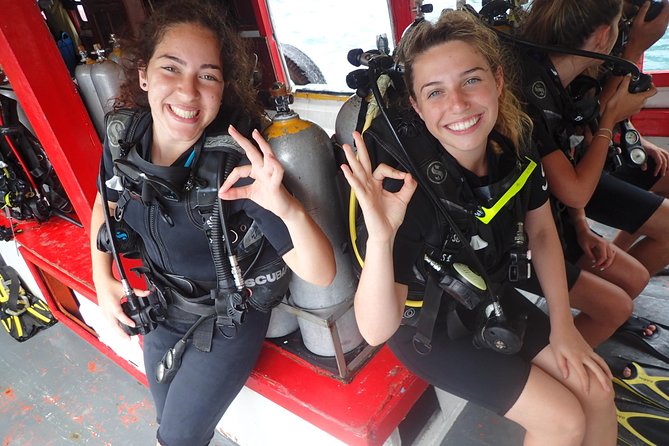
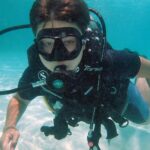
This course includes provided SCUBA equipment for your open-water sessions. For a first-timer, that’s a major value point. You don’t have to guess which gear works for your body, how it fits, or how to assemble it. You learn with the tools the instructors use every day, which reduces a lot of friction.
You also bring home a diving log book. That might sound like a small detail, but it’s a practical one. Keeping track of dives helps you see progress. It also helps if you want to plan future trips and remember key moments—like what conditions felt easier or harder.
Most importantly, the course includes an included PADI diver certificate. That’s the difference between a one-off experience and a continuing hobby or travel skill. If you want to dive around the world later, you’ll benefit from training that matches an internationally recognized standard.
One more thing: group size is capped at 10 travelers. In beginner training, that matters. You get faster attention when you’re learning gear setup, buoyancy concepts, and buddy procedures.
Price and value: what $375.70 really buys you
At $375.70 per person, this isn’t a “budget-only” activity. But for what you get—PADI certification over three days, multiple theory check points, and four open-water training sessions with provided equipment—it can be a good deal compared to piecemeal alternatives.
Here’s why the value holds up:
- You’re paying for a full structured training program, not random snorkeling-style sessions
- The equipment is included, which saves rental hassles and setup confusion
- The schedule is tight, so you spend fewer days paying for logistics and time
- You finish with a recognizable certification card and a log book
Also, this is booked in advance fairly often (about 39 days on average). High demand usually means the course structure is running smoothly and dates fill up. If you’re traveling during peak months, booking earlier is a smart move so you don’t get stuck trying to fit training around your itinerary.
Logistics in Mae Haad: timing, meetings, and keeping stress low
You meet at Diving Koh Tao / Scuba Birds PADI Dive Center in Mae Haad (24, Mae Haad, 21, Tambon Ko Tao, Amphoe Ko Pha-ngan, Surat Thani 84280). Start time is 9:00 AM, and the activity ends back at the meeting point.
Near public transportation usually helps in two ways: you’re not stuck in a remote location, and you can plan your day without overthinking transport. Walking distance from the pier makes the “gear day” feel less complicated too.
If you’re building a trip schedule, plan for a full set of days. Day 3 especially is a long stretch from morning exam to two open-water sessions ending around the mid-afternoon window.
Small group size (max 10) also changes your day-to-day vibe. You’re less likely to feel like a number, and your instructor can keep an eye on how you’re doing.
Who should take this course (and who should think twice)
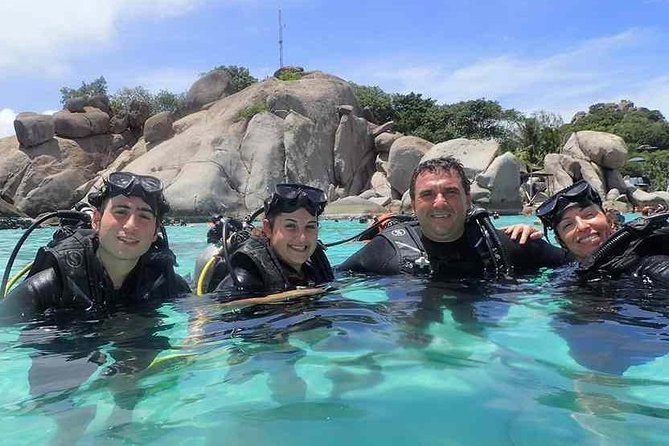
This is ideal if:
- you want a real, internationally recognized PADI certification in a short time
- you’re comfortable doing some reading and quizzes as part of learning
- you like structured guidance with clear steps
- you want to practice in the Gulf of Thailand conditions around Nang Yuan Island
You might think twice if:
- you really dislike exams or written tests
- you’re traveling with the expectation that everything is totally effortless
- weather uncertainty would seriously derail your schedule (because the experience requires good weather)
Overall, it suits most people who can handle a mix of study and hands-on practice. It’s not just “fun water time.” It’s training with an outcome.
Should you book the Koh Tao PADI Open Water course with Scuba Birds?
If you want a straightforward path to certification, I’d lean yes. The combination of classroom prep, shallow-to-open-water progression, and four open-water training sessions is exactly what beginner training should look like. The added detail that the center can work well for nervous first-timers—like the Dominik Maier teaching style—also makes it feel more human than some overly rigid programs.
Book it if you’re ready to put in effort on Day 1 and stay focused through the final written exam. Skip it (or at least adjust expectations) if you need a vacation with zero structure.
My quick decision rule: if your goal is to leave Koh Tao with a real certification (not just a memorable day in the water), this course is a strong fit.
FAQ
How long is the PADI Open Water course on Koh Tao?
It runs for about 3 days.
What certification do I get at the end?
You finish the course with an included PADI diver certificate.
How many open-water sessions are included?
The program includes four open-water training sessions in total.
How deep do I train on Day 2 and Day 3?
On Day 2 the max depth is 12 meters, and on Day 3 the max depth is 18 meters.
Is equipment provided?
Yes. You use provided SCUBA equipment for the open-water training.
What happens if weather is bad?
The experience requires good weather. If it’s canceled due to poor weather, you’ll be offered a different date or a full refund.