REVIEW · HANGA ROA
Easter Island: Customized recreational-tourist diving
Book on GetYourGuide →Operated by Buceo Tortuga Hanga Piko · Bookable on GetYourGuide
Rapa Nui is famous for its other-worldly shoreline, but the real draw is the marine life. This private, customized scuba water session is built around comfort and safety, with a certified guide right beside you from start to finish. If you like the idea of getting real help in crystal-clear water, this is the kind of experience that matches the hype.
I especially like two things. First, you get a full, step-by-step equipment and safety introduction before you head out, so you’re not guessing underwater. Second, you’ll come away with free digital photos and videos, which means you can focus on the experience instead of trying to film everything.
One consideration: this isn’t a walk-on-and-go activity. It’s not for everyone physically (and it’s also not suitable for children under 9), so check your comfort level with scuba requirements and your comfort in the water first.
In This Review
- Key highlights to know before you go
- Why Rapa Nui’s waters are a great match for a guided session
- Getting to the water: pickup, transfers, and what to confirm
- Private group scuba coaching: what it actually changes for you
- Your 45-minute class and gear setup: how they get you ready
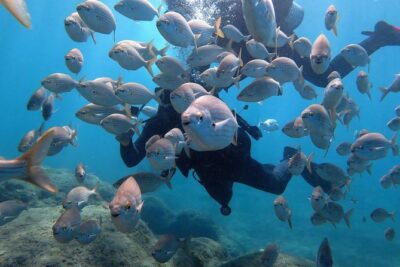
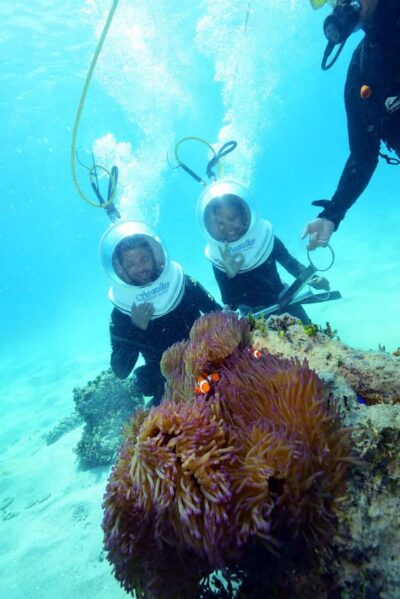
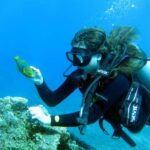
- Underwater time in Rapa Nui: coral, fish, and endemic species
- For certified scuba participants: submerged moai and underwater caverns
- Photos and videos: how you’ll keep the memories (no GoPro tax)
- What to bring (and what to leave behind)
- Who this suits best, and who should skip it
- Price and value: what $135 buys you in real terms
- Timing on an island with volatile weather
- Should you book this Rapa Nui scuba water session?
- FAQ
- How long is the experience?
- What’s included in the price?
- Do I need to bring my own scuba gear?
- Will I be picked up from my hotel?
- What should I bring?
- Is it suitable for children?
- Can pregnant women or people with respiratory issues join?
- Are alcohol and drugs allowed?
Key highlights to know before you go
- Private, personalized guidance so you’re not left to figure things out on your own
- Strong visibility waters around Rapa Nui for color, fish, and coral spotting
- Endemic marine life and corals that feel specific to the island ecosystem
- A 45-minute class/setup that covers equipment and how the session will work
- Optional moai underwater and caverns for certified scuba participants
- Free digital photos and videos included as part of the experience
Why Rapa Nui’s waters are a great match for a guided session
Rapa Nui sits far out in the Pacific, and that isolation shows up in the underwater world. The promise here is simple: get you into clear water where you can actually see what’s around you, without turning the experience into a survival test.
What makes this tour feel practical is the balance between wonder and structure. You’re not just handed gear and pointed toward open water. You get coached first, so you understand how your equipment works, how to breathe efficiently, and what the guide expects from you. That matters because good underwater experiences are usually less about bravado and more about calm control.
If you’re new to scuba, this kind of setup can be the difference between enjoying the first minutes and spending the whole time fighting your own nerves. If you’ve got certification already, the structure still helps. You can spend more brainpower on what you’re seeing rather than constantly monitoring basics.
You can also read our reviews of more tours and experiences in Hanga Roa.
Getting to the water: pickup, transfers, and what to confirm
This experience runs from an Easter Island base with a total time around 2.5 hours. You’ll be picked up at your hotel and brought back at the end. That’s the plan you’ll be given.
Still, here’s the one detail I’d treat as a must-verify: one prior guest noted that the pickup didn’t happen as expected and they had to meet at the diving center instead. I can’t know what your day will look like, so I’d recommend confirming the exact meeting point the day before. A quick message to the provider can save you from arriving at the wrong place.
Transfers happen depending on where you’re going: expect a mix of boat or van travel. That’s a normal part of reaching the best underwater spots, and it’s also why the schedule needs a little flexibility once you’re on the island.
Tip for your comfort: bring a windbreaker and plan for changeable conditions. The water may be calm, but the island weather can shift fast.
Private group scuba coaching: what it actually changes for you
“Private group” sounds like marketing. In practice, it usually means two things you’ll feel right away.
First, your guide can tailor the pace. If you’re adjusting slowly to breathing underwater or getting your mask position right, you won’t be left behind. Second, your guide stays close. That’s a big deal if you’re not totally confident yet.
One of the standout points from the experience details is that your guide provides continuous assistance and stays by you throughout the session. That means you’re not expected to swim on your own and navigate the reef like you’re on a solo mission. You’ll move as a team, and the guide can position you where visibility and marine life are likely to be best.
You also get instruction in English, Portuguese, and Spanish, which makes a difference if you’re anxious and need clear, simple explanations.
Your 45-minute class and gear setup: how they get you ready
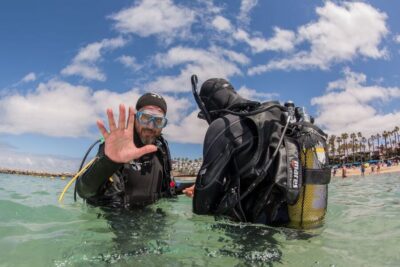
Before any underwater time, you’ll start with a complete introduction that covers the full setup. The session includes a 45-minute class focused on the basics and the flow of the activity.
Here’s what that should mean for your body and your head:
- Equipment fit and function: You’ll go over mask, fins, BCD, wetsuit, and the scuba tank so you’re not guessing.
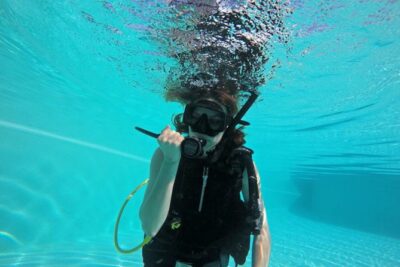
- Safety steps: You’ll learn what to do, how to communicate, and what the guide will do to keep everything controlled.
- Comfort with the process: The goal is that you feel safe before you go underwater, not after.
If it’s your first time, don’t expect to become a confident underwater swimmer in five minutes. The better your expectations are, the better you’ll enjoy the experience. You’re there to follow the guide, see the reef, and build comfort step-by-step.
Another useful detail: the tour includes all major gear. That means you don’t need to hunt down a rental package, check sizing at the last minute, or worry about whether the equipment will match your needs.
Underwater time in Rapa Nui: coral, fish, and endemic species
Once you’re equipped and briefed, you’ll head to the underwater site by boat or van depending on the plan for the day. This is where the tour’s promise turns into real moments.
The focus is on colorful corals and fish that are endemic to Rapa Nui. That’s the key phrase for value. Generic tropical snorkeling can feel similar across destinations. Island-specific marine life tends to feel more personal, more connected to where you are.
Because the water is described as crystal-clear, you should be able to see the reef details better than you would in murkier locations. That also makes the session more enjoyable for first-timers. When you can see what’s ahead, you relax faster.
How the guide experience shapes what you see matters too. The tour description emphasizes that the guide stays by your side and provides ongoing help. Practically, that usually means:
- You’ll keep a smooth rhythm without constantly correcting your gear
- You’ll get positioned for good views of coral and fish
- You won’t spend all your energy trying not to drift
If you’re the kind of person who wants to enjoy the animals without feeling rushed, this approach suits you.
For certified scuba participants: submerged moai and underwater caverns
If you’re already certified, there’s an extra attraction: the chance to visit submerged moai and explore underwater caverns. It’s not presented as a free-for-all. It’s always under the supervision of the specialized tour guides.
This is where the tour feels especially distinctive. The moai are one of the big cultural icons of Rapa Nui, and seeing them in the underwater context gives you a different mental image than you’d get from the surface.
A cautious note: caverns typically demand more comfort underwater than open-water reef viewing. Even with supervision, think about how you handle enclosed spaces, changing depth, and tighter navigation. If you’re confident with your buoyancy control and breathing, the experience can be a highlight. If you’re less comfortable, you may want to stick with the more standard reef-focused approach your guide recommends.
Photos and videos: how you’ll keep the memories (no GoPro tax)
One of the smartest “hidden value” parts of this experience is the photo and video inclusion. You get digital photos and videos as part of the activity.
That changes how you pack and what you do during the session. If you were planning to bring your own GoPro setup, you might not need to. One review specifically called out that the guides have their own gear and you’ll get the media afterward, shared through WhatsApp.
So your best move is to travel light. Keep your attention on breathing and looking around. Let the team handle the filming.
Also, you’re not only buying memories—you’re buying time to enjoy the moment. Underwater photography can distract you when you’re still learning the basics.
What to bring (and what to leave behind)
Keep this simple. The tour asks for beachwear, and it also suggests practical extras: bring a windbreaker, a tolla, and sandals. That makes sense for island travel where the day can start sunny and end breezy.
You should also plan your behavior around the rules. Alcohol and drugs are not allowed. That’s not just about policy—it helps the whole group stay safe during training, setup, and underwater time.
As for what you get, the tour includes the full equipment set: wetsuit, mask, fins, BCD, and scuba tank. That’s a real cost saver compared with renting gear elsewhere.
Who this suits best, and who should skip it
This tour is built for people who want structure, safety, and a guide close by. It’s a good fit for:
- First-timers who want coaching before going underwater
- People who prefer a private, tailored experience
- Travelers who like endemic wildlife and want island-specific marine life
- Certified scuba participants looking for moai underwater and caverns
It may not be the best choice if you:
- Need wheelchair access (it’s not suitable for wheelchair users)
- Are traveling with children under 9
- Are pregnant
- Have respiratory issues
- Are over 80
- Weigh over 331 lbs (150 kg)
- Recently had surgery
- Are bringing babies under 1 year
- Have hearing impairments
This list is strict, and it’s there for good reasons. Scuba requires stable breathing, safe physical comfort, and clear communication. If you’re unsure, confirm with the provider before you book so you don’t waste a day on planning that can’t happen.
Price and value: what $135 buys you in real terms
At $135 per person for about 2.5 hours, you’re paying for more than the underwater time. You’re paying for a package: full equipment, personalized guidance, photos and videos, and transportation to and from the water.
Here’s how I look at value for a scuba-style activity like this:
- Gear included: You avoid rental costs and the hassle of sizing gear.
- Guide time included: A private guide for setup and support usually takes more staff effort than group experiences.
- Media included: Photos and videos can be a big deal if you’re trying to avoid paying extra for a photographer or buying your own filming gear.
- Transfers included: Boat or van travel costs time and money, and they handle it for you.
If you compare this to options where you provide your own gear, pay separately for photos, or join a larger group with less attention, the price starts to make more sense. You’re not just buying access. You’re buying an experience designed to keep you comfortable.
Timing on an island with volatile weather
Rapa Nui weather can be unpredictable, and that affects underwater activities. A practical tip from a prior guest was to schedule the session for the first day of your stay.
That’s smart for two reasons. First, you’ll have a buffer if conditions force a change. Second, if you need to reschedule, you won’t be stuck trying to fit it into the last hours before departure.
Your total time is about 2.5 hours, so even when you’re flexible, you still want breathing room in the rest of your day. Plan light afterward so you can recover and upload your day’s memories without rushing.
Should you book this Rapa Nui scuba water session?
Book it if you want a guided, controlled experience with personal attention, strong visibility, and marine wildlife that feels tied to Rapa Nui rather than generic reef sightseeing. The included gear, guide support, and media make it a good value, especially for first-timers who want help fast.
Skip it if you fall into any of the clear medical or physical limits, or if you’re determined to handle everything independently. This tour is built around the guide being right there with you. If that sounds like what you want, you’ll likely enjoy the calm confidence that comes with it.
FAQ
How long is the experience?
The activity lasts about 2.5 hours. You’ll want to check availability to see the starting times.
What’s included in the price?
The price includes complete equipment (wetsuit, mask, fins, BCD, and scuba tank), a personalized tour guide, digital photos and videos, and transfer.
Do I need to bring my own scuba gear?
No. Equipment is provided, including the wetsuit, mask, fins, BCD, and scuba tank.
Will I be picked up from my hotel?
The experience states that you’ll be picked up at your hotel and returned afterward. One previous guest reported that pickup didn’t happen and they had to meet at the diving center, so it’s worth confirming the exact meeting point.
What should I bring?
Bring beachwear. The tour also suggests packing a windbreaker, tolla, and sandals.
Is it suitable for children?
No. It’s not suitable for children under 9 years old.
Can pregnant women or people with respiratory issues join?
No. It’s not suitable for pregnant women or people with respiratory issues.
Are alcohol and drugs allowed?
No. Alcohol and drugs are not allowed during the activity.