REVIEW · GOLD COAST
Try Scuba Diving at Cook Island – Guided Ocean Dive with Turtles
Book on Viator →Operated by Gold Coast Dive Centre & Marine Training College · Bookable on Viator
A morning of turtles and training beats a typical tour day. Cook Island sits just off the Gold Coast, and the Cook Island Aquatic Reserve is set up for an easy first trip beneath the surface. I like that this is beginner-friendly and still feels like a real ocean adventure, not a shallow pool routine. One thing to keep in mind: the whole experience is weather dependent, so the timing can change.
What you’ll enjoy most is the mix of structure and freedom. The instructors guide you step by step, then you spend actual time in the water seeing reef life and bigger visitors like stingrays and wobbegongs. The small-group size (up to 12) also means you’re not just herded along like a ticket number.
The main drawback is communication and time planning. One review called out unclear pickup timing and a drop-off mismatch, so you should double-check your pickup details in advance and keep your phone handy.
In This Review
- Key highlights worth planning around
- Why Cook Island works so well for a first try
- The guided try-scuba setup: what you’re actually getting
- Morning logistics from the Gold Coast: plan for an early 6:30am start
- Cook Island Aquatic Reserve: what you’ll likely see and why it’s worth it
- Instructor support and safety: how the “no certificate” part stays legit
- Gear, photos, and what’s included vs. extra
- Price and value: is $192.94 a fair deal for this day?
- Weather rules and the smart way to plan your booking
- Who this is best for (and who should reconsider)
- Booking checklist: small moves that make the day smoother
- Should you book Try Scuba at Cook Island?
- FAQ
- Do I need an Open Water Certificate?
- Is prior scuba experience required?
- What’s the minimum age?
- How long is the experience?
- Is pickup offered?
- What does the tour include for equipment?
- Where does the activity start?
- What time does it start?
- Are health forms and a waiver required?
- Is this tour dependent on weather?
- Is it recommended if I recently flew?
Key highlights worth planning around
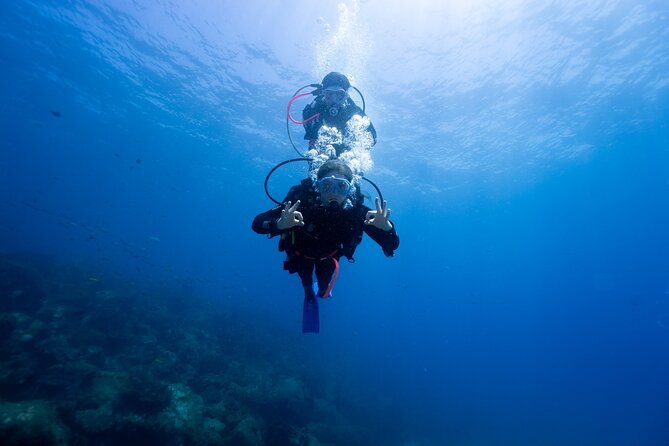
- Turtles and bigger sea life are realistic targets, not just a theoretical promise
- No Open Water Certificate needed (your instructor stays with you if you don’t have it)
- Hotel pickup and drop-off are included, which makes the early start easier
- All gear is provided, so you only need to show up and follow instructions
- Small group limits to 12 travelers, which helps with safety and attention
- It’s weather-first, so be ready for rescheduling if conditions don’t cooperate
Why Cook Island works so well for a first try
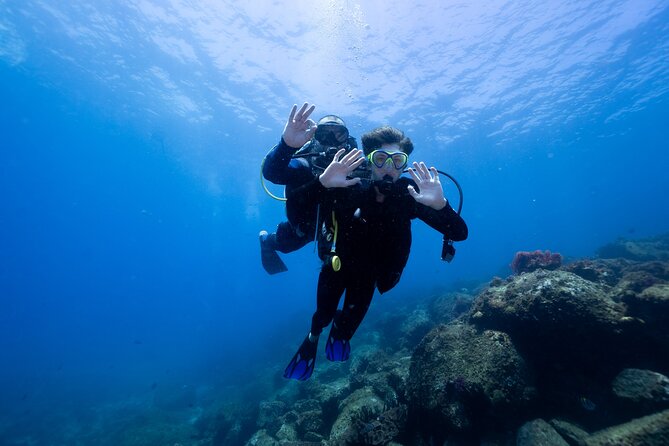
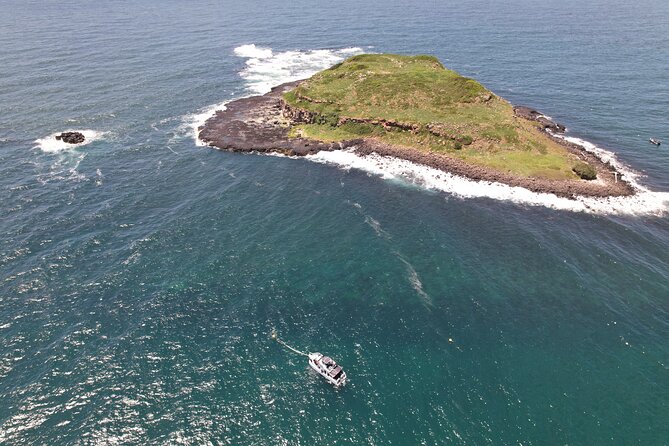
Cook Island is close enough to the Gold Coast that you can make the trip without feeling like you spent the day commuting. Once you’re in the water, you’re in a protected aquatic area designed for seeing marine life, including reef fish and the bigger slow movers that make snorkeling feel like the kiddie version.
I also like that this experience is built around both beginners and people who already know their way around scuba basics. That matters because a first-timer’s biggest fear is getting overwhelmed. Here, the plan is to walk you through everything you need, then you get to experience real weightlessness in a guided setting.
And yes, the animals you hope for are the real kind. You might see pufferfish, surgeonfish, anemonefish, sweetlips, and more. Over summer, there’s a chance of leopard sharks, which is the kind of sight that makes a group go quiet for a few seconds.
You can also read our reviews of more tours and experiences in Gold Coast.
The guided try-scuba setup: what you’re actually getting
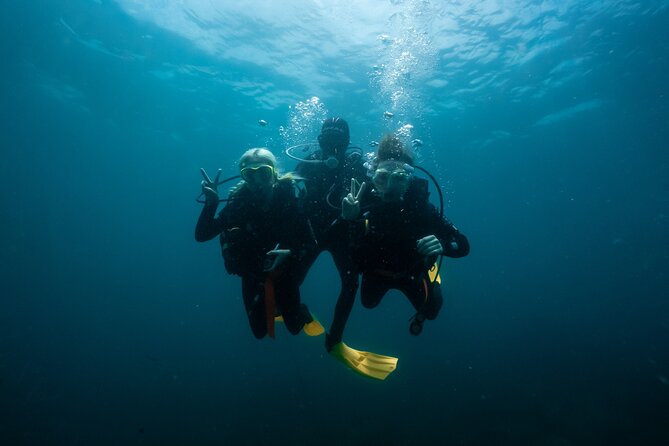
This is a guided try-scuba format, meaning it’s not just “gear, water, good luck.” You’ll be supported by instructors throughout the experience. The key practical detail: you do not need an Open Water Certificate, and if you don’t have one, your instructor will stay with you in the water.
For first-timers, the value is in how controlled the process feels. You’ll be given flotation devices, you’ll complete the required health questionnaire, and you’ll get instruction before you’re expected to handle anything on your own. That’s what keeps it fun instead of stressful.
There’s also a clear admin framework before you go:
- You’ll complete a waiver (mandatory).
- You’ll answer diving-related questions during booking, including whether you have prior diving experience and how confident you are in swimming.
- You’ll complete a health questionnaire, and certain conditions can prevent diving.
If you’re the type of person who likes to know the rules ahead of time, you’ll feel comfortable here. It’s more “guided training day” than “random adventure.”
Morning logistics from the Gold Coast: plan for an early 6:30am start
The start time is 6:30am, and the meeting point is at 2/54-56 Paradise Ave, Miami QLD 4220. If you opt for pickup, that removes most of the hassle, but you still want to confirm the timing clearly so you’re not standing around wondering if the driver has you.
This kind of early start also affects how you should schedule the rest of your day. You’ll finish back at the meeting point, so you can go straight into whatever comes next, but you’ll want to avoid plans that depend on a precise return time in case weather affects the day.
Also note the age requirement: minimum age is 10, and children must be accompanied by an adult (with an instructor requirement as noted). If you’re bringing a younger teen or tween, this is more about readiness and comfort than age alone—follow the instructor guidance.
Cook Island Aquatic Reserve: what you’ll likely see and why it’s worth it
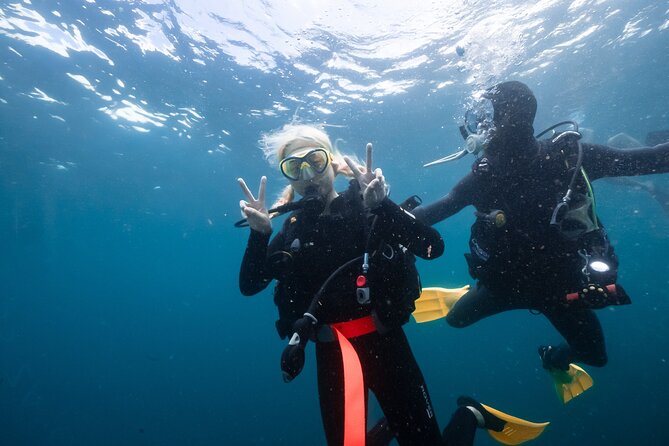
Your main water time is tied to Cook Island Aquatic Reserve. That’s a good setup because you’re focusing on one strong location instead of bouncing between places. It keeps the day simpler and helps you spend more time where your chances of seeing marine life are highest.
Here’s what you can reasonably look for:
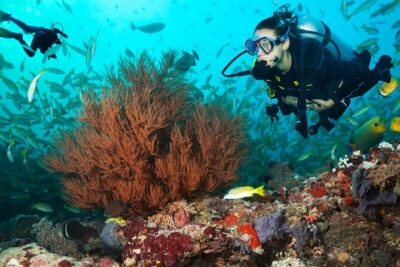
- Small reef fish like anemonefish, surgeonfish, and sweetlips
- Pufferfish among the reef visitors
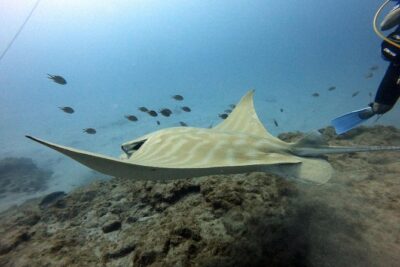
- Larger creatures that may show up depending on conditions, including stingrays and wobbegongs
- Over summer, there’s a chance of leopard sharks, which is a standout target if you travel during warmer months
A practical tip: underwater visibility and animal movement vary with conditions, so don’t plan your expectations like a checklist. Instead, think of it as a guided wildlife watch with scuba skills added in. If you keep your buoyancy calm and follow the instructor’s positioning, you’ll generally get better opportunities to observe without scaring anything off.
Instructor support and safety: how the “no certificate” part stays legit
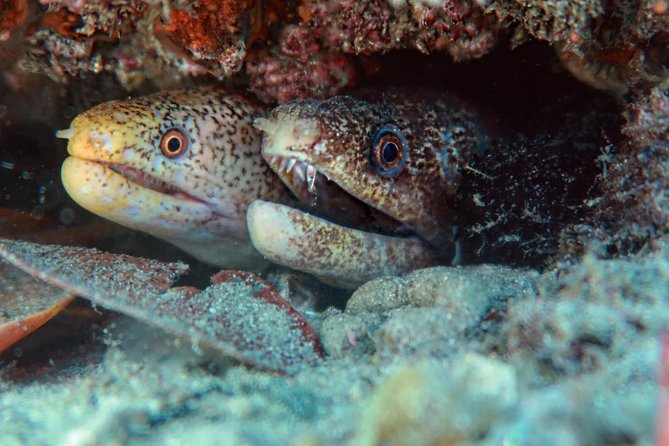
This experience is built for people who are curious and cautious at the same time. The big promise—no Open Water Certificate needed—only works if the instructor support is strong, and the structure here is designed for that. Your instructor will dive with you if you don’t have the Open Water Certificate, so you’re not being left to figure it out while you’re under pressure (literally).
You’ll also get flotation devices, which is a huge comfort factor for new divers/scuba participants. For most beginners, the first goal is feeling stable and breathing steadily. With proper flotation and clear instruction, the whole experience becomes about wonder, not survival.
Before you ever get near the water, you’ll need to handle the health side:
- A health questionnaire is required.
- Some conditions (example given: asthma, heart conditions) may prevent you from participating.
- If you have severe medical conditions, it’s on you to consult your doctor before booking.
And if you’re juggling travel: diving within 48 hours of flying is not recommended. That’s one of those rules that sounds annoying until you remember how much pressure changes matter.
Gear, photos, and what’s included vs. extra
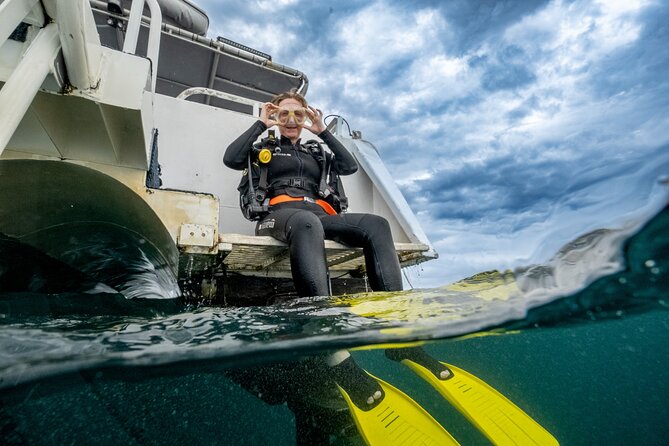
Good value in a day like this means you don’t have to hunt down rentals and then worry if you got the right size. Here, all required gear is provided, and flotation devices are included. That’s a real money-saver, especially for first-timers who don’t already own scuba equipment.
There is an extra option for photos of your adventure, but it’s not included automatically. If you want souvenirs beyond the memory, ask the staff ahead of time. If you’re indifferent, you can keep the cost down and focus on the experience itself.
You’ll also use a mobile ticket, and confirmation comes within 48 hours of booking, subject to availability. That’s useful because it gives you a small window to adjust plans if the date needs to shift.
Price and value: is $192.94 a fair deal for this day?
At $192.94 per person for about 6 hours, this is priced like a guided, instructor-led activity rather than a basic entry tour. The value comes from several bundled parts that add up if you tried to piece them together:
- pickup and drop-off included (if you select it)
- full gear provided
- instructor guidance throughout
- flotation devices
- a small-group limit (max 12), which usually means more attention per person
The extra costs you might run into are mainly optional (like photos) or indirect (like being flexible about timing if weather changes the day). If you’re traveling without scuba gear and without scuba experience, you’re getting the expensive stuff handled for you.
That said, the price makes sense only if you’re ready to follow safety rules and show up on time. If you’re easily stressed by early mornings or you aren’t comfortable completing the required health questionnaire/waiver, this may feel like too much admin for a one-off thrill.
Weather rules and the smart way to plan your booking
Cook Island trips are strictly weather dependant. That means the ocean is the boss. If conditions aren’t safe or suitable, your schedule can shift or you can cancel for a refund depending on timing, with the provider offering an alternate date or a full refund if canceled due to poor weather.
What I’d do as a traveler:
- Keep your day flexible if you can.
- Avoid booking a tight connection right after this activity.
- If you’re traveling in peak season, still expect a weather check on the morning of—plan like nature might have the final word.
This is the tradeoff for going where the marine life is: you get the real thing, and you accept the ocean as a variable.
Who this is best for (and who should reconsider)
This works great if you:
- want a first scuba experience without having to hold an Open Water Certificate
- prefer small groups and hands-on instruction
- love the idea of real marine animals like turtles (plus the chance of leopard sharks in summer)
- are reasonably comfortable with physical activity (moderate physical fitness level is required)
It’s also a good pick for people who enjoy structured guidance but still want an ocean experience that feels alive.
You might want to reconsider if you:
- have medical conditions that could affect diving (and you haven’t cleared it with your doctor)
- hate early starts and can’t manage a 6:30am departure window
- are traveling on a tight timeline right after flying (diving within 48 hours of flying is not recommended)
Booking checklist: small moves that make the day smoother
Before you go, get these sorted:
- Expect to fill out a health questionnaire and sign the waiver.
- Provide the mandatory booking details listed by the operator, including swimming ability and whether you have previous diving experience.
- Make sure you can share contact details at booking (a phone number is required).
- If you don’t have prior scuba experience, be honest about it—your instructor support depends on that.
Most importantly: because there can be communication hiccups, confirm pickup timing clearly before the day starts. One review described not being told the pickup time, which led to the use of an Uber. You can avoid that by locking in the plan early.
Should you book Try Scuba at Cook Island?
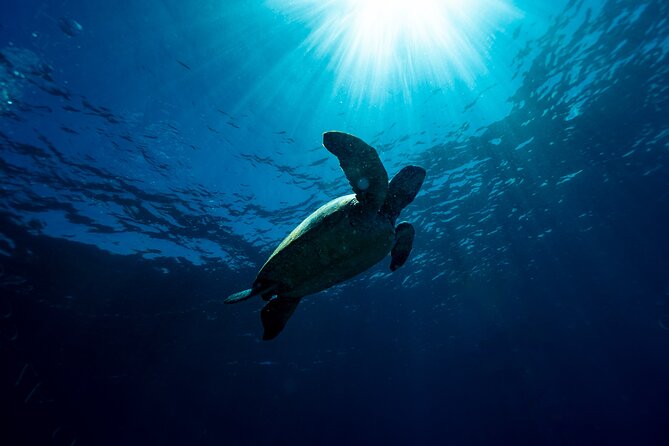
If you want a guided, beginner-friendly way to experience scuba with real marine life nearby, I’d book it. The combination of no certificate required, gear provided, flotation support, and an instructor who stays with you if you’re new makes the whole thing feel manageable. Plus, you’re in a place where you can reasonably hope for turtles and other standout sea creatures.
If you’re the type who needs highly predictable logistics down to the minute, go in with eyes open and confirm pickup details in advance. Also build in flexibility because weather can change everything.
Overall, this is strong value for a one-day ocean experience—especially if you don’t already have scuba gear and you want guided confidence in the water.
FAQ
Do I need an Open Water Certificate?
No. You do not need an Open Water Certificate for this try-scuba experience. If you don’t have one, the instructor will stay with you in the water.
Is prior scuba experience required?
No prior scuba experience is required. You’ll still be asked about previous diving experience when booking.
What’s the minimum age?
The minimum age is 10 years old, and children must be accompanied by an adult.
How long is the experience?
It’s approximately 6 hours.
Is pickup offered?
Yes, pickup and drop-off are included.
What does the tour include for equipment?
All required gear is provided, and flotation devices are also provided.
Where does the activity start?
It starts at 2/54-56 Paradise Ave, Miami QLD 4220, Australia (the meeting point), and it ends back at the same meeting point.
What time does it start?
The start time is 6:30am.
Are health forms and a waiver required?
Yes. You’ll need to complete a health questionnaire and sign a waiver before diving.
Is this tour dependent on weather?
Yes. Cook Island trips are strictly weather dependent.
Is it recommended if I recently flew?
Diving within 48 hours of flying is not recommended.