REVIEW · GOLD COAST
Gold Coast Learn to Dive – Open Water Certification Course
Book on Viator →Operated by Gold Coast Dive Centre & Marine Training College · Bookable on Viator
Scuba skills start before you even hit water. This 3-day SSI Open Water Diver course takes you from online prep to pool technique and then into the ocean, building real confidence fast toward certification. I especially liked that all equipment is provided and you finish with an internationally recognized SSI card. The only real catch to plan around is the very early 6:45am start and the fact that the open-water sessions depend on good weather.
What makes it feel easier is the way the training is structured and paced for first-timers: classroom review and exam on Day 1, plus hands-on skills in a pool before you move to deeper water. In previous groups, instructors like Diego and Karolina have been singled out for professional, friendly care. (Other names also come up often, like Jonny, Indo, and Heitor.)
One thing to consider up front: you do need to be able to swim 200m and float 10 minutes, and you’ll want to be comfortable with a moderate fitness level. If that sounds like a stretch, practice in advance. You’ll get more out of the course.
In This Review
- Key highlights worth caring about
- Gold Coast timing and conditions that make SSI Open Water make sense
- The 3-day flow: online prep, pool skills, then ocean sessions to 18m
- Flying after your course
- What you learn underwater (and how that translates to real comfort)
- Instructors, safety habits, and why “gear provided” matters more than you think
- Meeting point, early mornings, and what your schedule should look like
- Price and value: $426.76 for a credential you can use
- Should you book? Who it suits best (and who should prepare)
- After certification: getting the most out of your new skills on the Gold Coast
- Final verdict: book it if you want real training, not a one-off thrill
- FAQ
- How many days is the SSI Open Water certification course?
- Do I need any prior scuba experience?
- Is all scuba equipment provided?
- How deep will I go during the open-water training?
- Is there online learning before the first day?
- What physical requirements do I need to meet?
- Is a medical form required for everyone?
- What if the weather cancels the experience?
Key highlights worth caring about
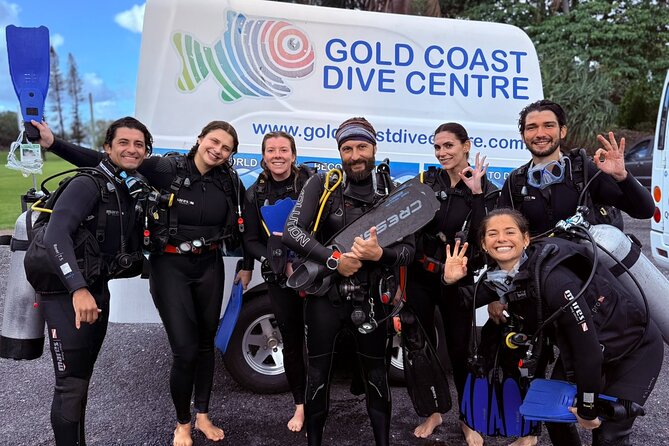
- Equipment included: you don’t need to rent gear, which keeps costs and stress down.
- SSI Open Water Diver certification: internationally recognized credential after successful completion.
- Progression to 18 metres: four ocean training sessions that step up from 12m to 18m.
- Small group size (max 18): more instructor attention and less standing around.
- Instructors praised for care and professionalism: names like Diego, Karolina, Jonny, Indo, and Heitor show up in feedback for a reason.
- Real buddy and safety skills: you learn how to manage buoyancy and underwater communication—not just how to wear a tank.
Gold Coast timing and conditions that make SSI Open Water make sense
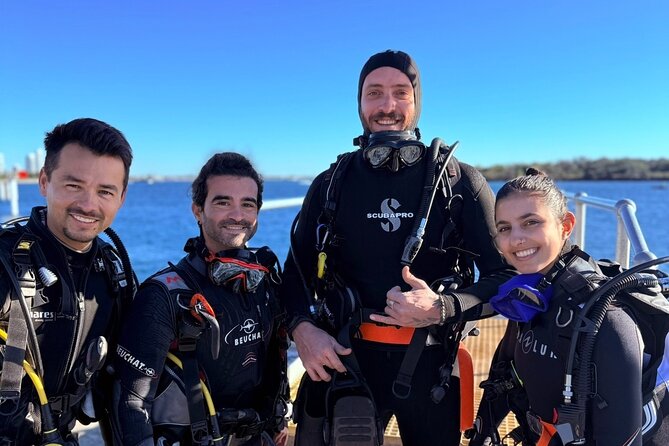
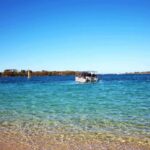
The Gold Coast is a smart place to start because you can combine training with great travel energy. You’re not stuck doing skills in some cold, gloomy place where everyone’s just trying to survive the weather. Instead, your course runs in a coastal setting with ocean sessions designed specifically for learning fundamentals and building comfort.
Also, the course is built for first-timers with no prior experience needed. That matters. You’re not thrown into chaos on day one. You start with a classroom review, then you get pool time to practice the basics until they feel normal, and only then do you head out for the open-water training.
You’ll also like the short, focused format. Three days is long enough to learn and repeat core skills, but short enough that you don’t lose your whole holiday to the process. And because it’s capped at 18 people, you’re not stuck watching someone else figure everything out while you wait.
Finally, you finish in a way that connects to future travel: you walk away with SSI Open Water Diver certification, so later you can book guided underwater outings anywhere your passport is welcomed.
You can also read our reviews of more tours and experiences in Gold Coast.
The 3-day flow: online prep, pool skills, then ocean sessions to 18m
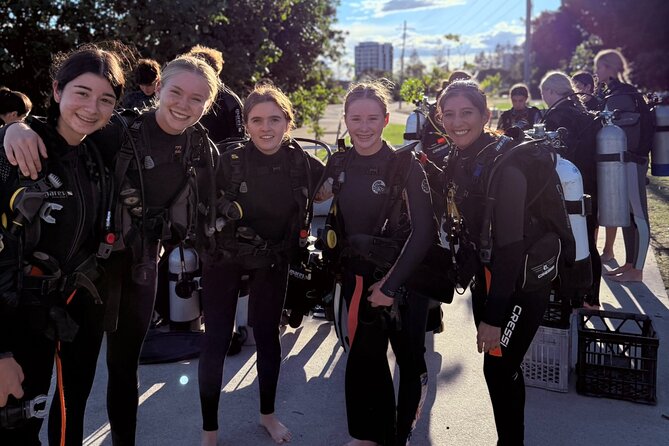
Your prep starts before you arrive. You’ll complete 5–6 hours of flexible online learning at home. This is a big deal. It means you’re not learning scuba terminology from scratch while you’re already wearing gear and trying to control your breathing. You arrive with the basics already in your head, so the in-person time becomes actual skill-building.
Day 1 is classroom + pool. You meet your instructor for a review and a final exam, then you do your first hands-on skills session in the pool. Think of this as the moment where your body learns the “how” of scuba: breathing with a regulator, using your equipment correctly, and managing buoyancy without panicking.
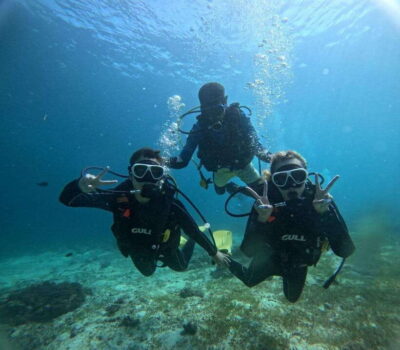
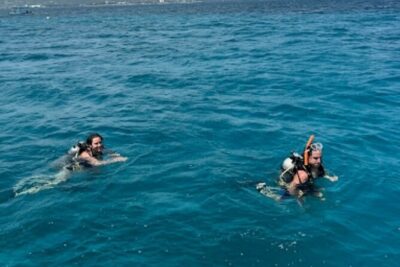
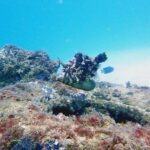
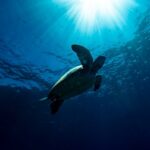
Days 2 and 3 are the ocean portion. You complete four open-water training sessions at local underwater training locations. The plan starts around 12 metres, then progresses up to 18 metres as your comfort and control improve. That step-up is important. It’s not a one-size-fits-all leap to max depth. You build confidence and get corrected before things get challenging.
Morning starts can be early. The course begins at 6:45am, so plan your sleep and don’t treat this like a “start when you feel like it” tour.
Flying after your course
If you’re planning flights right after the program, keep in mind that flying within 18–24 hours after your scuba sessions isn’t recommended. That’s a smart safety guideline to schedule around.
What you learn underwater (and how that translates to real comfort)
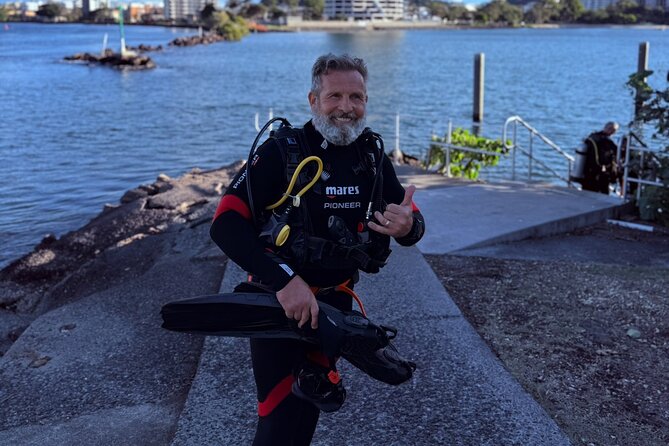
The course isn’t just about reaching a certain depth. It’s about gaining control. You’ll learn to use scuba gear properly, manage buoyancy, and communicate underwater with your buddy. The goal is that you can think clearly and act calmly even if you need to slow down or reset.
Here’s what that usually means in practice:
- You work on buoyancy control, so you’re not constantly bumping up and down or accidentally sinking fast.
- You practice gear use, so you know what you’re handling and why.
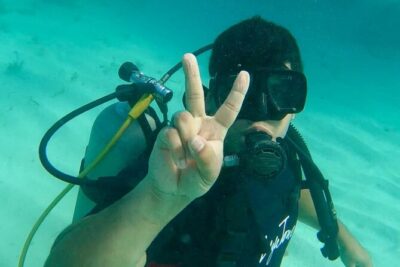
- You learn underwater communication methods that fit buddy diving, not solo chaos.
- You practice buddy and safety routines so you’re not just going through moves—you understand how they protect you.
The better-run courses make those skills feel practical instead of theoretical. Based on the feedback, the instructor style here leans toward careful coaching and reassurance, which helps a lot if you’re nervous about being new in the water. Instructors such as Diego and Karolina have been praised for going above and beyond to look after people, which tells me they don’t treat the course like a checklist.
You’ll also love the fact that the skills are reusable. Once you’re certified, you can practice these fundamentals again and again on future underwater outings. That’s the difference between a one-off thrill and a foundation you can build for life.
Instructors, safety habits, and why “gear provided” matters more than you think
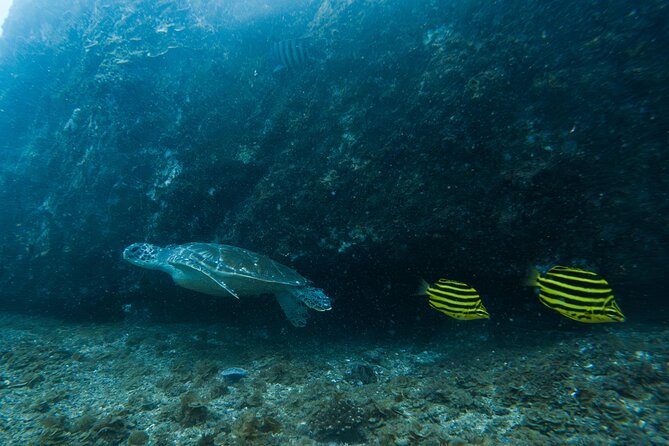
The training is guided by a professional SSI instructor throughout. That’s not just a comfort blanket; it’s how you learn the right habits early. For first-timers, the biggest risk isn’t “not knowing how.” It’s getting rushed or confused while wearing unfamiliar equipment.
What helps here:
- Professional guidance at every stage: classroom, pool, then ocean sessions.
- A structured progression from 12m up to 18m.
- Buddy-based skills: you’re learning how to behave with another diver, not just alone.
Then there’s the gear situation. With all necessary equipment provided, you avoid the time sink of rentals, sizing mistakes, and last-minute surprises. You can show up and focus on training. For many people, that alone makes the course feel better value, because the hidden costs and hassle of getting gear sorted are removed.
If you end up in a group with instructors like Jonny, Indo, or Heitor (names mentioned in feedback), you’ll likely notice an emphasis on client care and making sure everyone’s set before water time. That kind of attention matters when you’re trying to learn new muscle memory while managing breathing and buoyancy at the same time.
Meeting point, early mornings, and what your schedule should look like
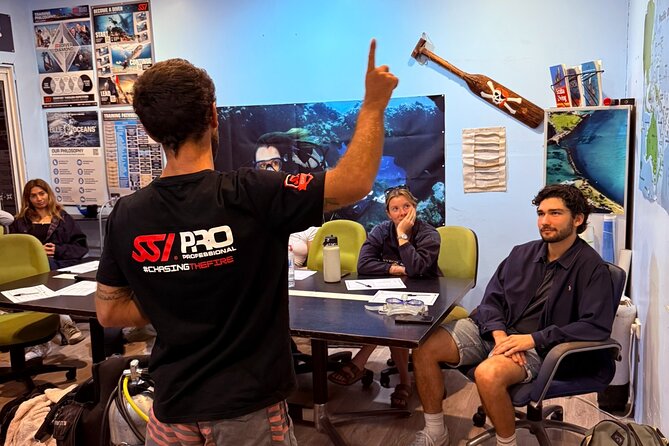
You’ll start at 2/54-56 Paradise Ave, Miami QLD 4220, with pickup-style convenience in mind (it’s listed as near public transportation). The start time is 6:45am, so I recommend booking accommodation that makes this painless—especially if you’re flying in from elsewhere.
The course ends back at the meeting point, so you’re not dealing with complicated transfers after long days in the water.
Group size is capped at 18 travelers, which affects the feel of the whole course. Smaller groups tend to mean more frequent check-ins from staff, fewer delays waiting for turn-by-turn coaching, and quicker correction when something doesn’t feel right.
Also note the basic physical requirements:
- moderate physical fitness level
- be able to swim 200m
- be able to float 10 minutes
If you’re nervous about meeting those requirements, don’t wait. Practice a steady swim and easy floating before your course. Your training will be smoother, and you’ll stay calmer because you know you can handle yourself even if you need a breather.
Price and value: $426.76 for a credential you can use
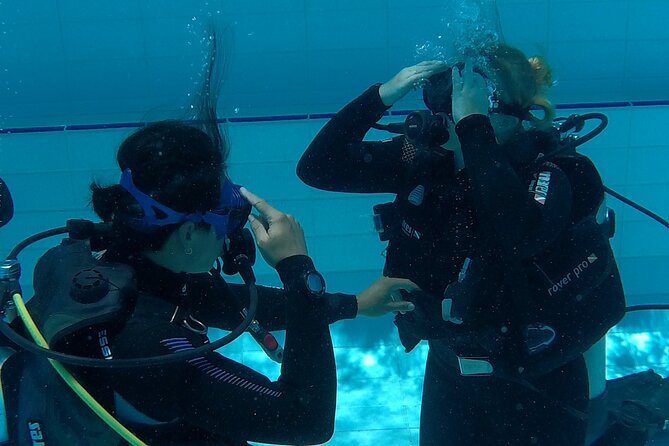
At $426.76 per person, this course is priced like a real training program rather than a casual “try it” experience. The value comes from what’s included:
- SSI Open Water Diver certification after completion
- All equipment provided
- Classroom + pool + four ocean training sessions
- Instructor time over three days
- Online learning component (5–6 hours) completed before arrival
You’re paying for structured learning, safety oversight, and skill repetition. That’s where costs usually pile up in scuba training—gear and instruction time.
Also, because the certification is internationally recognized, you’re not just paying for three days in the Gold Coast. You’re buying a ticket to future underwater travel experiences worldwide, with training you can maintain and build on.
The course requires good weather. If it gets canceled due to poor weather, you’ll be offered a different date or a full refund. And if you cancel or ask for changes, the amount you paid won’t be refunded. So I’d treat this like a commitment: lock it in when your dates are solid.
Should you book? Who it suits best (and who should prepare)
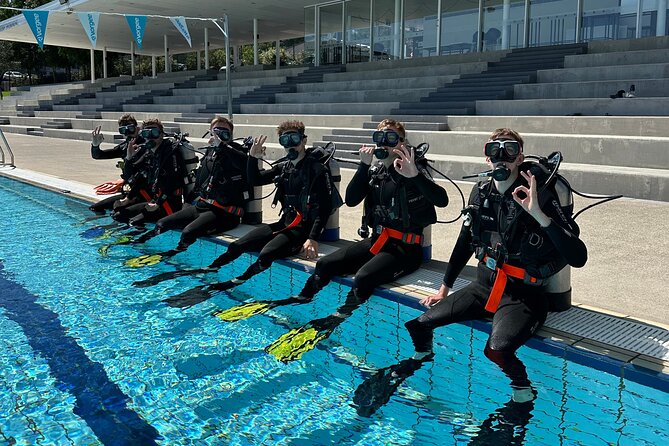
This course is a strong match if you:
- want an internationally recognized SSI Open Water Diver credential
- have never done scuba before
- want all gear handled for you
- like structured learning with clear progression (pool first, ocean second)
- can handle early mornings and being in the water for skills practice
It’s also a solid option for travelers who like earning skills while they travel. By the end, you don’t just have photos—you have a foundation you can use on future underwater trips.
Be extra careful if:
- swimming 200m or floating for 10 minutes is challenging
- you’re unsure about medical clearance
- you’re planning to fly immediately after your course (remember the 18–24 hour guideline)
Medical note: if you’re over 45 or have any pre-existing medical conditions, you’ll need an AS4005.1 medical form (valid for one year). That’s not something to improvise last minute. Get it handled early so you’re not stuck waiting on paperwork.
After certification: getting the most out of your new skills on the Gold Coast
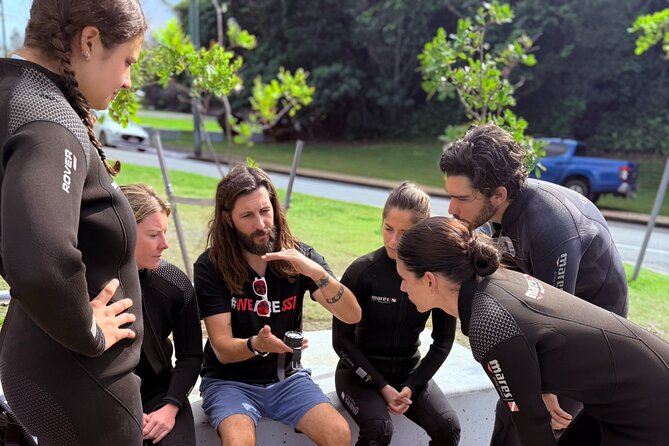
Once you’re certified, you’ll be ready to practice the skills you learned again and again. That’s where the real payoff happens. The most fun next step is to book guided underwater outings in the Gold Coast area while your comfort is fresh.
You’ll also feel more confident because you already learned the basics of buddy procedures, buoyancy control, and communication methods. That means you can spend more energy enjoying the underwater world and less energy worrying about how to manage your gear.
One smart travel move: keep planning scuba sessions around calm conditions and good visibility. And give yourself time. The best outcomes come when you’re not rushing sleep, food, and schedule.
Final verdict: book it if you want real training, not a one-off thrill
I think this is worth booking if you want a genuine, structured start to scuba with equipment included and a clear path to SSI Open Water Diver certification. The early start and weather dependence are real, but the payoff is practical skills you’ll reuse for years.
If you’re comfortable with swimming basics, want instructor-led coaching, and can commit to the study and the 3-day schedule, this course is a solid “learn and go” option in one of Australia’s best-known coastal regions.
FAQ
How many days is the SSI Open Water certification course?
It runs for about 3 days.
Do I need any prior scuba experience?
No. The course is designed for people with no prior experience.
Is all scuba equipment provided?
Yes. Necessary equipment is provided, so you do not need to rent anything.
How deep will I go during the open-water training?
You’ll complete ocean sessions progressing from about 12 metres up to 18 metres.
Is there online learning before the first day?
Yes. You complete 5–6 hours of flexible online learning before arriving.
What physical requirements do I need to meet?
You should have moderate physical fitness, be able to swim 200m, and float for 10 minutes.
Is a medical form required for everyone?
No. If you’re over 45 or have any pre-existing medical conditions, you’ll need an AS4005.1 medical form (valid for one year).
What if the weather cancels the experience?
The experience needs good weather. If it’s canceled due to poor weather, you’ll be offered a different date or a full refund. The experience is non-refundable and cannot be changed for any reason if you cancel or amend it.