REVIEW · PHILIPPINES
Scuba Diving in Boracay: SSI Basic Diver for Beginners
Book on GetYourGuide →Operated by DiveGurus Diving Services Corporation · Bookable on GetYourGuide
Underwater calm starts with a simple course. I like that SSI’s Basic Diver gives you a real taste of scuba gear and breathing rules in shallow water, without demanding full certification first. I also love that you get a structured intro you can build on later, since this course can be credited toward SSI Open Water.
The only real catch: it’s just a 4-hour introduction, so you’ll leave wanting more if the experience hooks you.
This is built for true beginners. You’ll learn what it feels like to wear the kit, move around underwater, and get the basics of safety and control before you take the next step.
In This Review
- Key Highlights You’ll Feel Fast
- From Curious to Confident: How SSI Basic Diver Fits Your Time
- Gear Fitting and the Moment You Breathe Through a Regulator
- Shallow-Water Practice: The Skills That Keep You Relaxed
- Boat-Based Water Time: Getting Your Bearings Offshore
- Safety Rules and Non-Negotiables You Should Plan For
- Price and Value: What $63 Covers (and What It Doesn’t)
- Languages and Team Style: Why Instruction Quality Matters Here
- Who Should Book This SSI Basic Diver Course
- FAQ
- What is the duration of SSI Basic Diver?
- Do I need previous scuba certification?
- What’s included in the price?
- What should I bring?
- Is hotel pick-up included?
- Can I fly after the session?
- Should You Book SSI Basic Diver in Boracay Waters?
Key Highlights You’ll Feel Fast
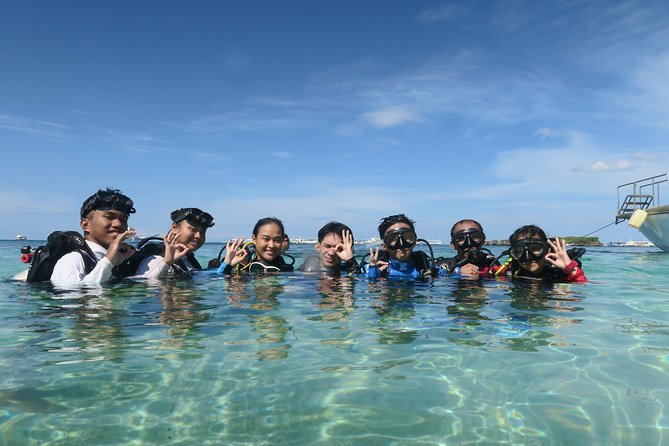
- Beginners get a full gear introduction without needing prior scuba certification
- Shallow-water practice teaches core comfort before any bigger plans
- Instructor support in multiple languages (English, German, Tagalog, Spanish)
- Boat-based water time adds the fun factor while staying beginner-friendly
- All equipment and course materials are included
- Credit toward SSI Open Water makes it a smart stepping stone
From Curious to Confident: How SSI Basic Diver Fits Your Time
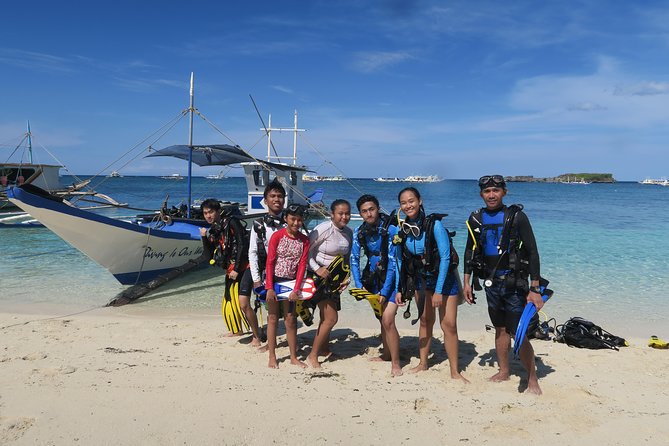
SSI’s Basic Diver course is basically a first contact with scuba life. It’s designed for people who want to understand how scuba works, not just watch from shore. In this program, you’ll learn how to use the scuba setup in shallow water, then practice fundamental skills and safety rules.
You’re not earning full certification here. Think of it as a confidence builder. You’ll get enough knowledge and comfort to decide if full SSI Open Water training is your next move. And if it is, the course can be credited toward that larger certification path.
The 4-hour duration matters. It’s short enough to fit a vacation day, but long enough that you shouldn’t feel rushed through the basics. If you’re trying to “test the waters” before committing to a multi-day certification course, this format is a good fit.
One more practical note: the location details feel a bit mixed. The listing area is given as Catanduanes Province, but the experience description points to Boracay waters. Before you go, confirm the exact water site and meeting point with DiveGurus when you reserve. That one question saves confusion later.
Gear Fitting and the Moment You Breathe Through a Regulator
A beginner course lives or dies on the gear experience. This one includes the key pieces you need: mask, snorkel, fins, a buoyancy compensating jacket with a scuba tank, a regulator for breathing, and depth/air-supply instruments.
Here’s why that’s valuable for you. When everything is provided, you spend zero energy figuring out sizing or compatibility. You can focus on the main goal: learning how your body reacts when you breathe through the regulator and control your position.
Most likely, your first steps are about getting used to the kit as one system, not as random parts. You’ll learn what it feels like to wear the equipment, then practice moving underwater so you’re not fighting your fins, buoyancy, or breathing.
Also, you only need one real item from home: swimwear. That’s it. No special equipment hunt, no gear rental math, no last-minute shopping.
Shallow-Water Practice: The Skills That Keep You Relaxed
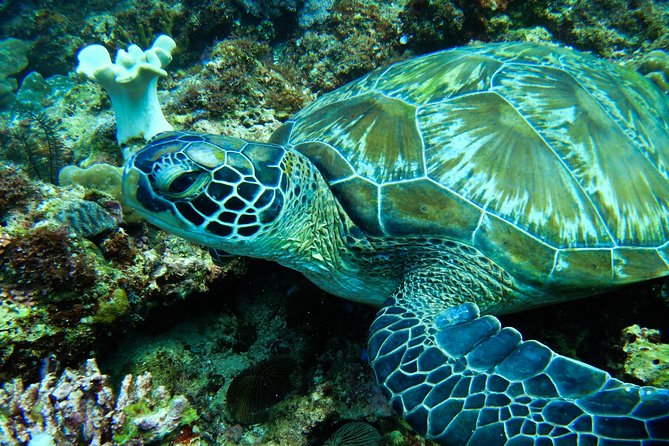
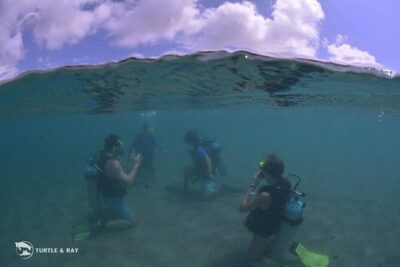
The course is built around shallow-water learning. You’ll get a taste of what underwater movement feels like and how to stay comfortable while breathing properly. You’ll also learn the fundamental safety rules—plus the general know-how needed to handle the basics with an instructor guiding you.
Even without long, complex training, shallow water is a smart starting point. Conditions are usually more controlled, so you can build muscle memory for buoyancy and movement. You’re not trying to “perform.” You’re learning control and calm.
The reviews back up what this means on the ground. People emphasize that the instructors are personable but professional, and that the team takes time to make sure you feel safe. That combination matters. Beginners don’t need pressure. You need clarity and steady guidance.
If you’re nervous, this is the kind of course that helps you manage that. The goal is not to be fearless. It’s to be prepared—so your brain can stop screaming danger and start learning the motions.
Boat-Based Water Time: Getting Your Bearings Offshore
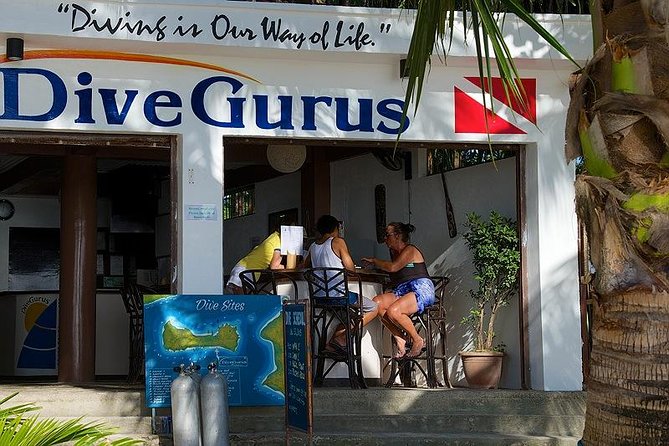
This experience includes boat-based water time. That shift—from controlled shallow areas to open-water conditions, even in a beginner context—is often where people go from learning to actually enjoying the underwater world.
In plain terms, the boat adds variety and atmosphere. You’ll get a chance to experience your new skills in a real marine setting instead of only practicing nearby. And because this course is explicitly meant for beginners, it’s not designed to overwhelm you.
What you should watch for is your own comfort level. If you feel great after shallow practice, you’ll likely enjoy the boat time more. If you’re still processing the gear, that’s normal too. The best thing you can do is listen, breathe steadily, and follow the instructor’s guidance on pace and control.
One more practical thing: it’s a 4-hour activity. That means the schedule is probably tight. You’ll want to show up with a clean, calm mindset and avoid turning this into a rushed day. Build in time before you go so you can arrive ready to learn.
Safety Rules and Non-Negotiables You Should Plan For
This course includes safety training as part of the experience. You’ll learn fundamental rules and practice basic skills in a guided environment. You should treat those rules like part of the lesson, not something you can skim.
There are also clear restrictions that you should take seriously:
- Alcohol and drugs are not allowed.
- You shouldn’t fly within 24 hours after your underwater session.
Those are not “fine print.” They’re safety-related boundaries that protect your body after pressure exposure.
Now, medical and physical fit. This activity is not suitable for:
- children under 10
- pregnant women
- people with pre-existing medical conditions
If you’re unsure about your situation, it’s better to ask your doctor first. Your instructor can support safe practice, but they can’t replace medical advice.
Also, consider how you’ll physically manage the day. You’ll be wearing fins and scuba gear, and you’ll need to stay comfortable while breathing through the regulator. If you tend to panic with unfamiliar physical sensations, you’ll probably benefit from focusing on slow breathing and instruction-by-instruction guidance.
Price and Value: What $63 Covers (and What It Doesn’t)

The price is $63 per person for a 4-hour experience. For a beginner scuba introduction, that can be good value, mainly because key costs are already bundled.
What’s included:
- course materials
- a dive instructor
- use of scuba equipment
- boat-based water time
- all fees and taxes
- complimentary coffee and/or tea
What’s not included:
- additional food and beverage
- hotel pick-up
Here’s how I’d think about value. If you had to pay separately for instructor time, equipment rental, and boat-based time, the $63 starts looking less like a “cheap deal” and more like a structured package. Add in coffee or tea, and it’s basically a low-friction way to try the experience without extra planning.
The one thing that might cost you extra is food. If you’ll be hungry, plan to eat before you go or bring a simple snack strategy. And because hotel pick-up isn’t included, you’ll need to handle getting to the start point on your own.
Languages and Team Style: Why Instruction Quality Matters Here
This course runs with instructors who speak English, German, Tagalog, and Spanish. That’s helpful because scuba learning is easier when you can understand safety explanations quickly.
Based on the strongest points from the feedback, the team approach seems to be a big part of why people enjoy it: personable communication, professional pacing, organized support, and a clear focus on making beginners feel safe. The consistent message is that the instructors take their time.
That matters more than people think. When your brain is new to underwater breathing and buoyancy, you don’t want a rushed lecture. You want calm repetition.
So if you’re the type who needs encouragement, this format should work well. If you’re the type who wants strict structure, you should also feel comfortable, since the instruction is described as organized and safety-focused.
Who Should Book This SSI Basic Diver Course
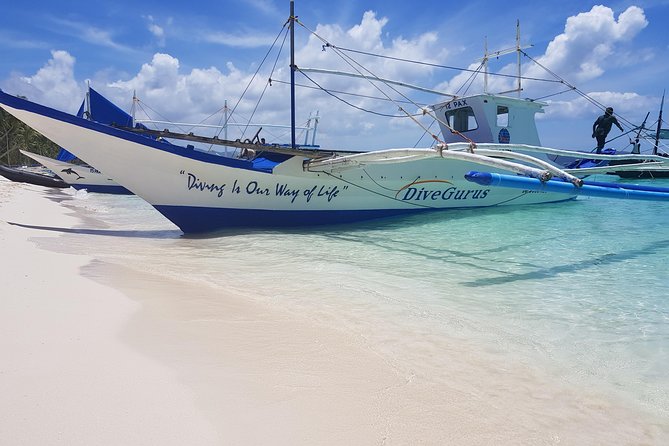
This is a strong choice if you:
- want to try scuba in a beginner-friendly way without full certification pressure
- have limited time and want a 4-hour introduction
- want equipment provided and guided practice in shallow water
- like the idea of progressing later into SSI Open Water
You might want to skip it if you:
- are under 10 years old
- are pregnant
- have pre-existing medical conditions that could affect safe participation
- aren’t willing to follow restrictions like avoiding alcohol and drugs, or planning not to fly for 24 hours after
Also, if you’re traveling with someone who’s unsure, this is still often doable. The course is specifically built for first timers, and the instruction style seems designed to reduce fear through guidance rather than trickery.
FAQ
What is the duration of SSI Basic Diver?
It lasts 4 hours.
Do I need previous scuba certification?
No. It’s a beginner introduction and not a full scuba certification. It can be credited toward SSI Open Water.
What’s included in the price?
Materials, an instructor, use of scuba equipment, boat-based water time, all fees and taxes, and complimentary coffee and/or tea.
What should I bring?
Swimwear.
Is hotel pick-up included?
No, hotel pick-up is not included.
Can I fly after the session?
You’re not allowed to fly within 24 hours after diving.
Should You Book SSI Basic Diver in Boracay Waters?
Yes, if your goal is a guided first look at scuba life with gear provided and a structure that can lead into SSI Open Water later. The biggest wins here are simple: a beginner-focused course, hands-on practice in shallow water, and instruction that’s described as both friendly and professional.
I’d book with one small homework item: confirm whether your session is in the Boracay waters area or in Catanduanes Province, since both appear in the details. Once that’s clear, you’ll be set up for a smooth, low-stress start to underwater breathing—and a much easier decision about full certification.