REVIEW · CYPRUS
Protaras: Cape Grecko Single Dive for Qualified Divers
Book on GetYourGuide →Operated by Taba Diving Centre · Bookable on GetYourGuide
Scuba time in Cape Greco is the kind of plan that feels efficient and real. You get a 3-hour shore-based underwater session with hotel pickup, gear rental, and a chance at sea life like turtles or sea horses. One thing to note up front: you have to be scuba-qualified, and some sites are weather dependent.
I like that the operation is modern and well set up for recreational scuba. You’ll handle paperwork and equipment selection first, then drive to a selected shoreline site along Cape Greco’s coast. The group stays small—limited to 4—so it’s easier to keep track of your buoyancy and timing.
The main trade-off is simple: pictures aren’t included. So if you want photos for memories, plan for that before you go (or at least bring a way to capture your own shots if you use one with your setup).
In This Review
- Key highlights to know before you go
- Cape Greco shore scuba: what makes this part of Cyprus special
- The real flow: paperwork, equipment, then a short drive to the shoreline
- Small group guidance (4 max) and English or German instruction
- What you might see: turtles and sea horses on rocky reefs
- Shore-entry advantages and the practical feel of “3 hours”
- Price and value: why $58 can be a fair deal
- Who this fits best near Protaras and who should skip it
- Weather, visibility, and the “some sites depend on conditions” reality
- What to bring: the essentials that keep the day stress-free
- Booking tip: how flight timing affects your plans
- Should you book this Cape Greco shore underwater session?
- FAQ
- How long is the Cape Greco single underwater session?
- Do I need to be qualified to join?
- What’s included in the price?
- Are underwater photos included?
- What should I bring with me?
- Can I fly soon after the activity?
- Are there any medical or personal limitations?
Key highlights to know before you go
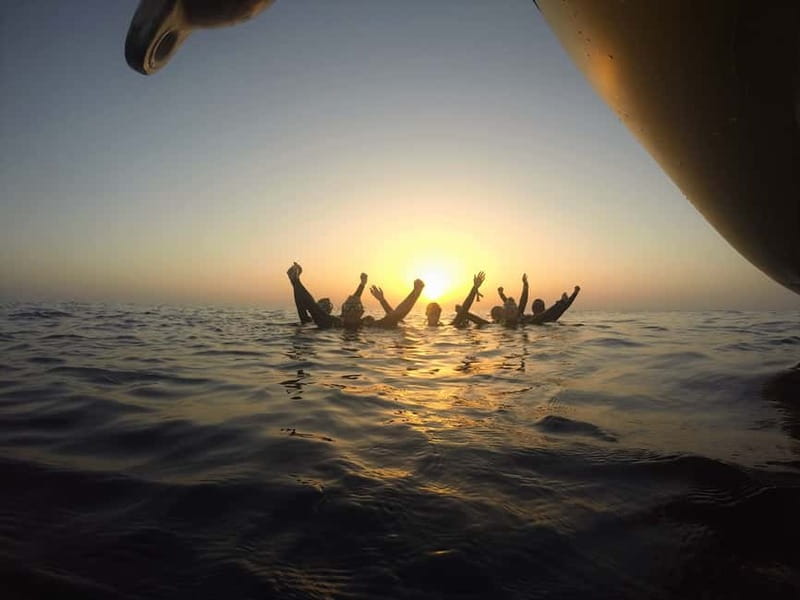
- Small group size (max 4): calmer guidance and more personal attention
- Shore entry: you’ll start from the coastline and explore nearby sites
- Rocky reef habitat: best odds for seeing turtles or sea horses
- Quality gear + guided session: less hassle, more time watching wildlife
- Pickup included: meet your driver at your accommodation, no car rental needed
- English and German instruction: helpful if you prefer one of those languages
Cape Greco shore scuba: what makes this part of Cyprus special
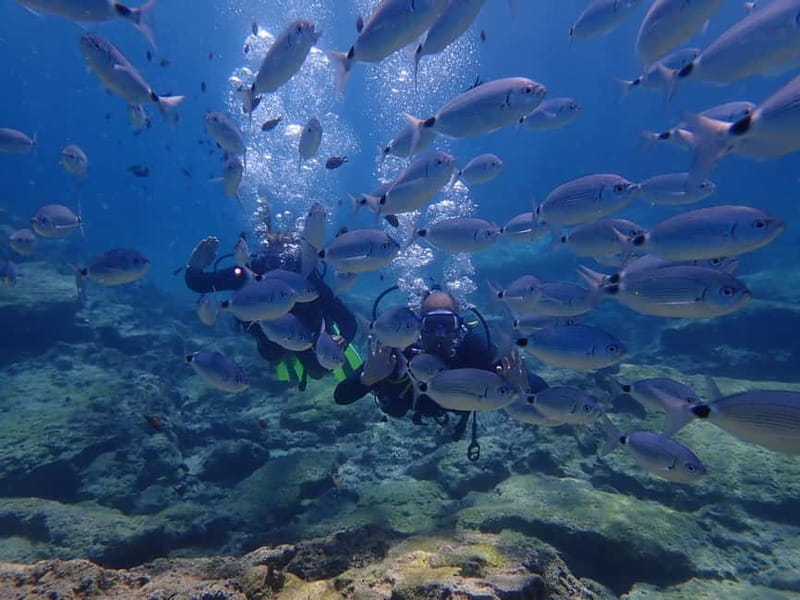
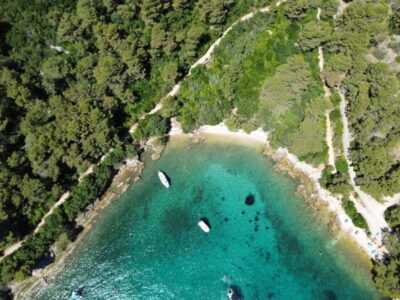
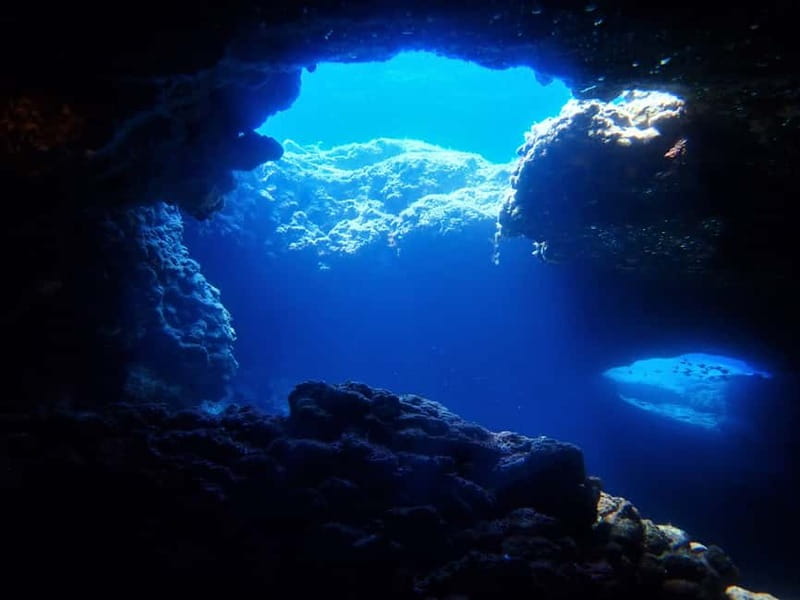
Cape Greco sits right by the coast near Protaras, and it’s known for underwater scenes that feel close to the action on land. Here, your underwater experience is anchored to rocky reefs and coastal dive sites around the headland. That matters, because rocky structures usually create the nooks and edges where sea life tends to hang out.
What I like about this setup is that it’s not trying to be complicated. You’re not dealing with long boat rides described in the plan you’ll follow. Instead, you’re using the coastline as your starting point, which often means you can spend more of your time focused on what’s around you below the surface.
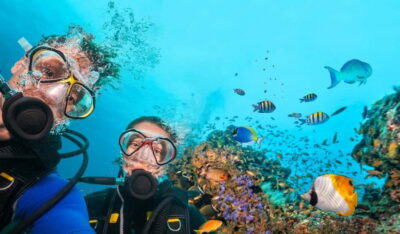
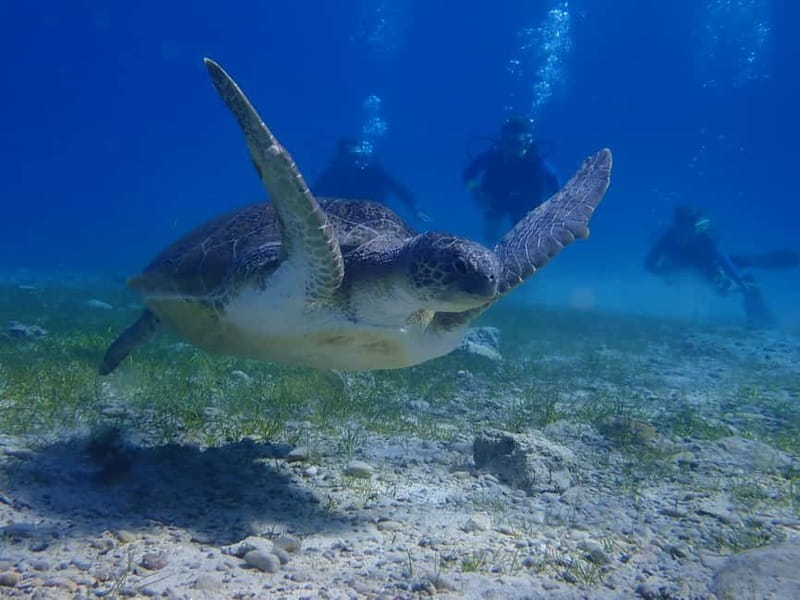
And the wildlife possibility is a big part of the appeal: you might spot turtles or sea horses during the session. Those sightings are never guaranteed, but the area’s reef style is exactly the kind of environment where people often hope to see them.
You can also read our reviews of more tours and experiences in Cyprus.
The real flow: paperwork, equipment, then a short drive to the shoreline
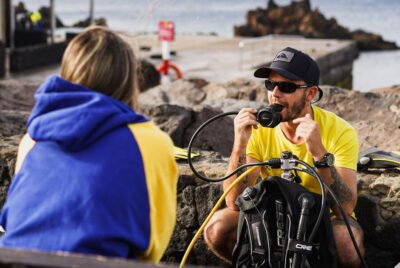
The schedule is built around a straightforward rhythm that works well for a 3-hour window. You’ll start with paperwork and equipment selection at the bright, modern dive center. This is the moment that sets expectations—your gear gets sorted, and the team gets you ready to move as a group.
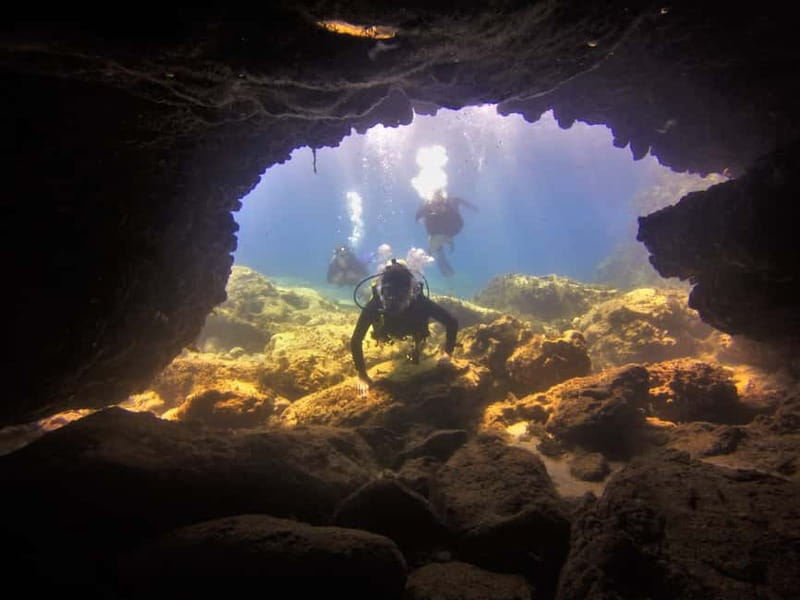
After that, you’ll drive to the designated dive site. The key detail for planning your expectations: all sessions are shore dives, meaning you’ll enter from land instead of the sea from a boat. If you like predictable transitions—get gear, get briefed, gear up, then go—this style usually feels smooth.
Once at the shoreline, the guide leads the underwater part. Since the plan mentions multiple possible dive sites along the coast of Cape Grecko, you’re not locked into one location. That flexibility can help when weather shifts, and it can also mean you’re less likely to feel like you’re repeating the exact same bottom every time.
Small group guidance (4 max) and English or German instruction
This is a small-group activity, limited to 4 participants. That number is a big deal in practice. With fewer people, the guide can watch your comfort level more closely, help with pacing, and keep the group from stretching out like a school trip.
You also have bilingual instruction available: English and German. If you’re more comfortable processing safety steps or site cues in one of those languages, that’s a real advantage. Clear communication matters when you’re working with currents, visibility changes, or just staying calm and evenly weighted.
Another thing I appreciate: the session is guided. For certified scuba participants, guidance still helps because your guide knows where the shoreline access is easiest and which coastal reef features are worth checking carefully.
What you might see: turtles and sea horses on rocky reefs
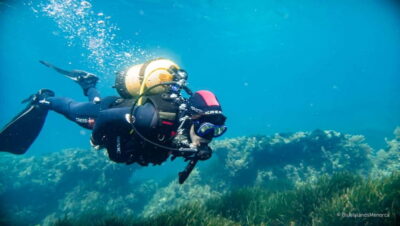
The headline wildlife possibilities here are turtles and sea horses, and both fit the kind of terrain this activity focuses on: rocky reef areas. Rock creates structure, and structure creates the micro-world where sea life can graze, hide, or cling.
How you can improve your odds, without getting weird about it:
- Move slowly and keep your kicks controlled so you don’t stir up sediment
- Pay attention to the guide’s cues about where to look and when
- Give sea horses extra patience if you see the habitat they prefer—often they’re less about fast movement and more about blending in
Also, keep expectations realistic. You’re exploring underwater habitat, not visiting an aquarium with a schedule. The good news is that the plan’s format—rocky reefs plus a guided route—targets the right kind of environment rather than randomly dropping you in open water.
Shore-entry advantages and the practical feel of “3 hours”
A shore-based underwater session tends to feel different from boat-centered plans. You spend less time transitioning over water and more time getting your bearings and settling in underwater. For a 3-hour total duration, that matters because the clock starts ticking from pickup through drop-off and gear prep.
This format also usually means fewer moving parts on the surface. You still do the essential steps—briefing, gear, and entry—but you’re not coordinating boat docking time, ladder logistics, or a sea-spray-free-for-all.
One practical note: you’ll want to plan your mindset for weather. Some sites are explicitly described as weather dependent. That doesn’t automatically mean the plan falls apart, but it does mean the exact shoreline site could change depending on conditions.
Price and value: why $58 can be a fair deal
At $58 per person, the value hinges on what’s included. This one includes:
- Hotel pickup and drop-off
- Guided underwater time
- All equipment rental
When pickup is included, you don’t have to coordinate transport to a remote coastal point. And when equipment rental is included, you avoid the hassle (and awkward packing space) of bringing your own setup for a single short session.
So even if you already own some gear, this price is still competitive because you’re mostly paying for coordination, guidance, and the full package logistics. The only clearly stated extra is pictures, which aren’t included. If you care about underwater photos, build a plan around that—either bring your own camera strategy (if your setup supports it) or accept that you’ll mostly leave with memories, not files.
Who this fits best near Protaras and who should skip it
This activity is aimed at people who already have the right scuba qualification. The plan explicitly says you must be qualified for this activity. That means it’s not really the place for first-time certification or trial-and-error experiences.
It’s also not suitable for:
- Pregnant women
- People with heart problems
- People with epilepsy
If any of those apply, you should avoid this plan. If you’re on the edge medically—even if you’re technically certified—consider getting a medical check with a professional before you go. Pressure changes, exertion, and stress levels aren’t the same for everyone.
Who it’s perfect for:
- You want a short, guided underwater outing
- You like the idea of shoreline access and exploring multiple coastal sites near Cape Greco
- You’re comfortable handling your own buoyancy and staying within your limits
Weather, visibility, and the “some sites depend on conditions” reality
The plan notes that some dive sites are weather dependent. In coastal areas, that can affect surface conditions, entry comfort, and underwater visibility. What this means for you is simple: be flexible about the exact location you’ll visit.
If you’re visiting Cyprus and you can choose dates, you’ll usually want a day with calmer sea conditions and good visibility. But even if conditions shift, the fact that there are many different sites along the coast of Cape Grecko suggests the team can adapt to a workable option.
What to bring: the essentials that keep the day stress-free
You don’t need a suitcase full of extras for this one. The plan lists two specific items:
- Swimwear
- A towel
That’s it for the required bring list you’ll be given. I’d treat those as non-negotiable. Arriving prepared saves time during gear selection, and it keeps you from rushing last minute after pickup.
If you’re bringing your own photo gear or additional items, double-check what your setup requires and how it’ll be handled during the session, since pictures aren’t included as part of the package.
Booking tip: how flight timing affects your plans
One of the most important “know before you go” notes is flight timing. You should not go scuba if you intend to fly within the next 18 hours. That’s a safety and decompression related consideration.
So if you’re building a day-by-day schedule, treat this like a small “anchor event.” Do it far enough away from flight time that you’re not forced into risky shortcuts.
Should you book this Cape Greco shore underwater session?
If you’re scuba-qualified and you want an efficient, well-run shoreline underwater experience near Protaras, this is a solid match. The best reasons to book are the package value (pickup + equipment rental + guided time), the small group size, and the chance at reef-focused sightings like turtles or sea horses.
Skip it if you need a beginner-friendly option or if you’re in one of the listed medical categories. Also, if your schedule is tight and you have a flight soon, don’t gamble—this plan comes with a clear 18-hour flight caution.
If you can handle those basics, you’re likely to enjoy the calm, organized flow: gear sorted, shoreline access, then focused time underwater with a guide who keeps the group together.
FAQ
How long is the Cape Greco single underwater session?
It lasts 3 hours total. You’ll be able to see starting times when you check availability.
Do I need to be qualified to join?
Yes. You must be a qualified scuba participant to join this activity.
What’s included in the price?
The package includes hotel pickup and drop-off, a guided session, and all equipment rental.
Are underwater photos included?
No. Pictures are not included.
What should I bring with me?
Bring swimwear and a towel.
Can I fly soon after the activity?
You should not go scuba if you intend to fly in the next 18 hours.
Are there any medical or personal limitations?
Yes. It’s not suitable for pregnant women, people with heart problems, or people with epilepsy.