REVIEW · SAN MIGUEL DE COZUMEL
Puerto Morelos: Scuba Diving for Beginners – 2 Dives
Book on GetYourGuide →Operated by SCUBA & ADVENTOURS · Bookable on GetYourGuide
Scuba lessons in Puerto Morelos make first-timers feel ready fast. I love how the day starts with real practice in a pool, and I also like the way instructors like Rene stay close so you’re not guessing underwater. You get two reef sessions with a maximum depth of 40 feet (12 meters), plus full gear, so you can focus on learning and looking around.
The best part is the wildlife odds: you may spot dolphins on the boat ride, plus sea turtles, stingrays, schools of fish, and more on your two in-water outings. One possible drawback is that the setup can feel a bit basic on the boat—some people note there isn’t much help stepping back in, and photo upsells can be pricey if you go for the package.
In This Review
- Key Points You’ll Care About
- From Pool Practice to Puerto Morelos Reef Spots
- Meeting Point at Ojo de Agua Beach Club Pool
- Pool Lesson + Basic Theory: The Real Beginner Checklist
- Two Reef Sessions: Where the Marine Life Shows Up
- What you might see underwater
- Why two reef sessions are better than one
- Safety and Instructor Care: What You Should Expect
- Timing, Duration, and What to Plan For
- Boat Reality Check: Simple Setup and Photo Costs
- Equipment, Fees, and What Your $186 Really Buys
- Who This Course Is Best For (and Who Should Skip It)
- Quick Tips to Make the Day Easier
- Should You Book This Puerto Morelos Beginner Scuba Course?
- FAQ
- How long is the Puerto Morelos beginner scuba experience?
- What’s the maximum depth for this course?
- Do I need prior scuba experience?
- Where is the meeting point?
- Is round-trip transportation included?
- What equipment is provided?
- Are there age limits?
- Can I fly soon after the experience?
- What medical conditions can’t participate?
Key Points You’ll Care About
- Pool first, then ocean: theory and skills practice before you go out
- Max depth 40 feet / 12 meters: built for a controlled beginner pace
- Small group (up to 8 people): easier attention from the instructor
- Two reef sessions: enough time to see different underwater scenery
- Guide support in multiple languages: Spanish and English are available
- Wildlife potential is high: turtle and ray sightings are common themes
From Pool Practice to Puerto Morelos Reef Spots
This is a straightforward beginner scuba course in Puerto Morelos, built for people who want to try the real thing without prior experience. The day follows a simple rhythm: you learn the basics on land, you prove you can handle the gear with an instructor watching you, and then you head out for two reef sessions in the water.
The Puerto Morelos coast is ideal for a first try because the experience stays controlled and the instructors can manage your buoyancy and comfort. Your “success” isn’t measured by how fast you learn fancy skills. It’s measured by whether you can breathe calmly, clear basic issues, and enjoy the reef instead of fighting equipment.
When I think about value, I like that the package covers the heavy stuff: full scuba equipment, a wetsuit, tanks and weights, and even purified drinking water. That matters because the hidden costs are what usually blow up beginner activities.
You can also read our reviews of more tours and experiences in San Miguel De Cozumel.
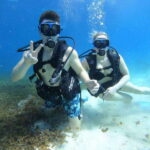
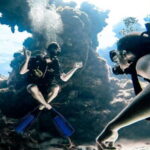
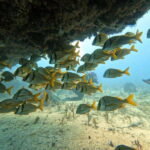
Meeting Point at Ojo de Agua Beach Club Pool
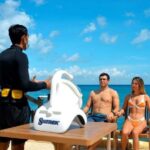
You meet the team at the pool in Ojo de Agua Beach Club. That’s a helpful detail because it keeps the start simple and familiar—you’re not scrambling around a harbor trying to find equipment or a boat before you’ve even learned how to breathe underwater.
From there, the instructors handle the setup and the first lesson. Expect a mix of basic scuba theory and hands-on coaching. This is the stage where many first-timers breathe easier, literally and figuratively, because someone shows you what to do before you’re asked to do it.
Also note the course has an instructor-led, small-group format (limited to 8 participants). With fewer people, you’re less likely to spend the day waiting your turn while someone else gets help.
Pool Lesson + Basic Theory: The Real Beginner Checklist
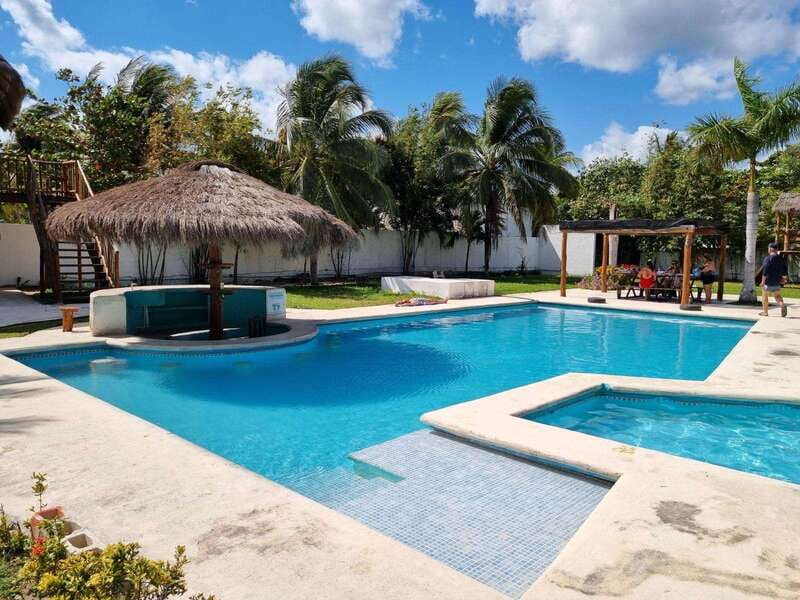
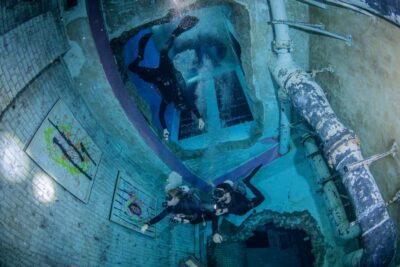
Before you get in the ocean, you’ll get both basic theory of scuba diving and pool practice. Even if you’ve never used scuba gear, the training is designed to cover the essentials you’ll need in the open water—things like equipment use, breathing control, and fundamental safety skills.
If you’re the nervous type, this is where the instructor names start to matter. People on this course highlight Rene for being patient and thorough, and that’s exactly the kind of temperament you want when you’re learning something that feels foreign at first. One strong pattern in feedback: the instruction doesn’t rush you. It checks that you’re comfortable before you go farther.
In short, this isn’t a “watch and hope” setup. It’s a learn and practice setup. That’s why it works for people doing their first scuba session.
Two Reef Sessions: Where the Marine Life Shows Up
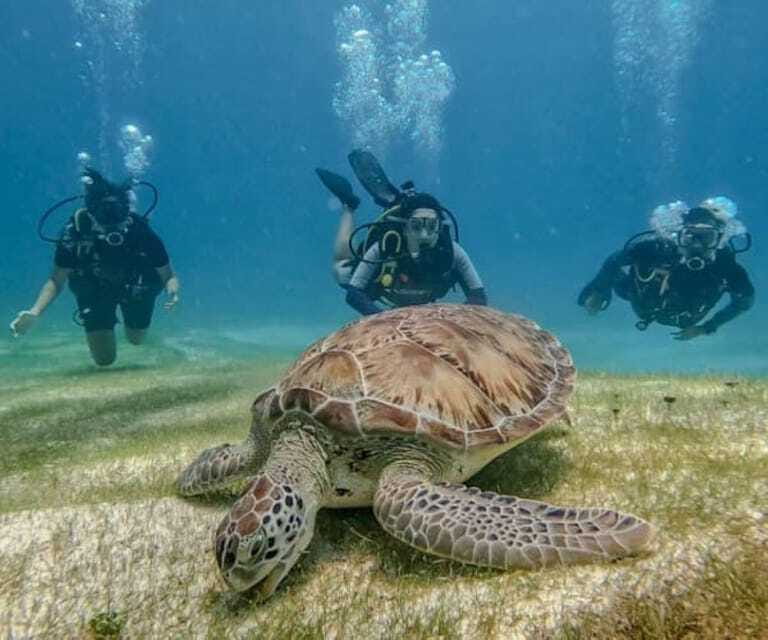
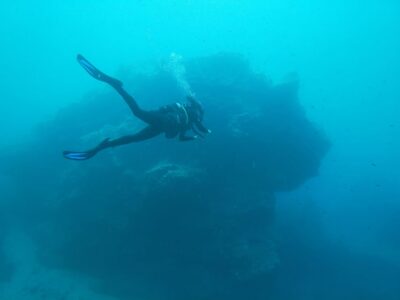
Once you’re ready, you go out for two reef sessions. You’re not going to a maximum-depth contest. The course caps things at 40 feet (12 meters), which keeps the experience beginner-friendly and gives the instructor room to manage your pace.
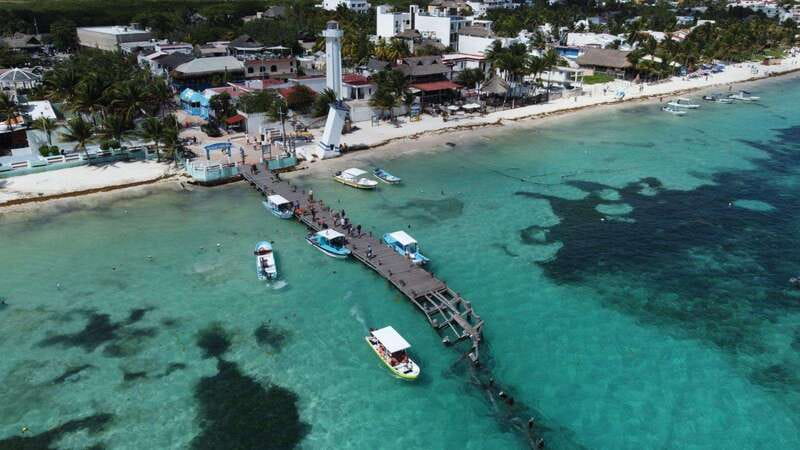
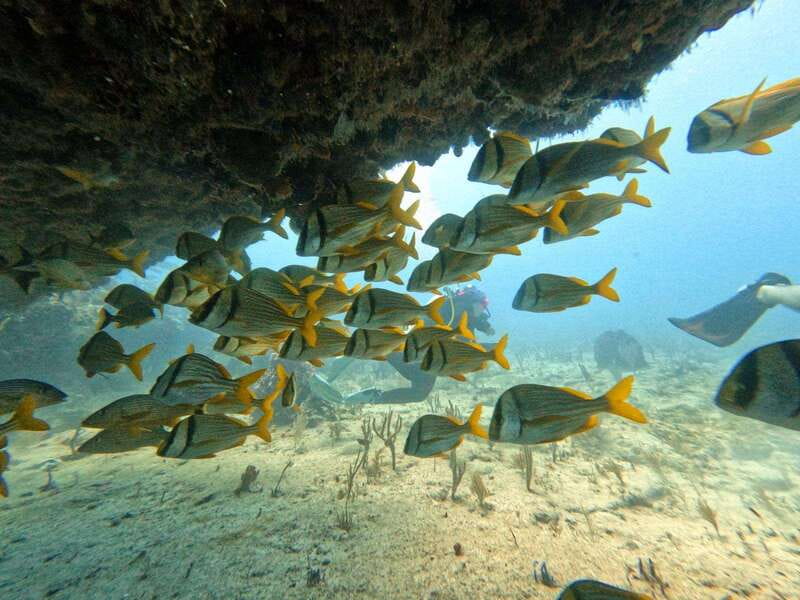
You may visit well-known Puerto Morelos reef areas such as Aquarium Reef, Fish Market, and the Mini-wall. The specific order isn’t something you can count on, but what you can count on is variety: shallow coral gardens, underwater spots where turtles feed, and areas where you might see rays moving through the water.
What you might see underwater
Based on recent experiences, these are the kinds of sightings that come up again and again:
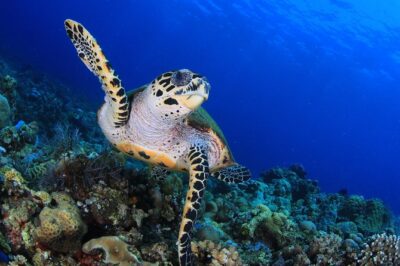
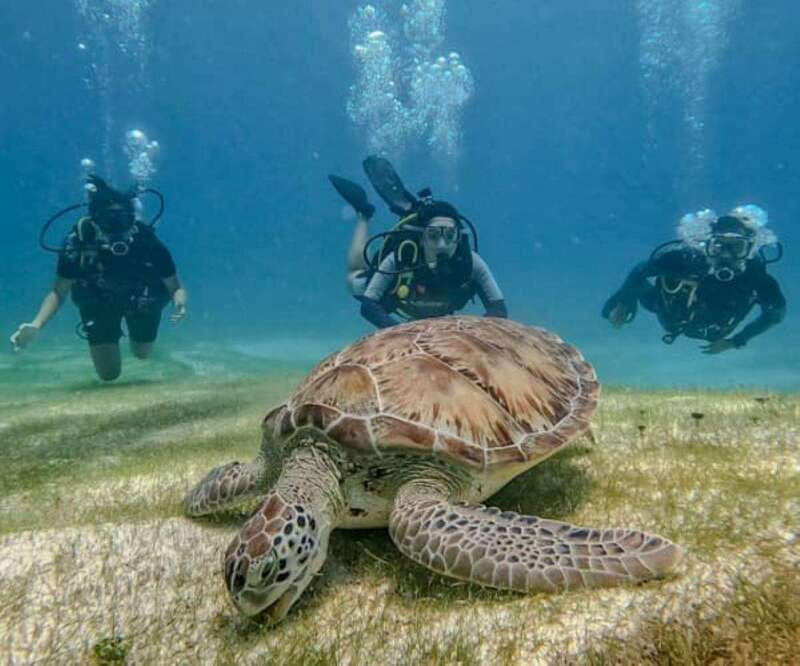
- Sea turtles (including instances of multiple turtles in the same day)
- Stingrays and other rays
- Massive schools of fish
- Eels and sea slugs
- Occasionally sharks (reported as part of some outings)
- Dolphins on the boat ride to the reef spots
One detail I’d treat as a gift: it’s not only the “big moments.” People also mention instructors pointing out smaller sea life you might otherwise miss. If you like photography, you’ll benefit from that attention too—because the best photo moments are often the brief ones.
Why two reef sessions are better than one
One reef session can be great. Two gives you a second chance when conditions are different or when you need extra time to settle in. It also helps you experience different parts of the Puerto Morelos underwater scenery instead of getting stuck on one type of spot.
Safety and Instructor Care: What You Should Expect
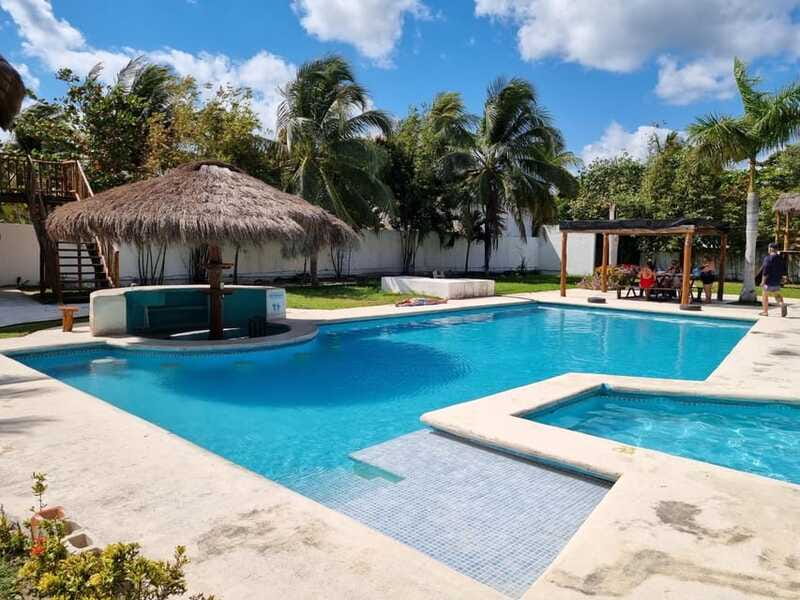
Safety is clearly part of the design here. Certified instructors provide thorough briefings and personalized guidance throughout the experience. For beginners, that means the instructor is actively managing your comfort and your gear use—not just watching from a distance.
You’ll also be given the full gear package: BCD, regulator, mask, fins, plus a wetsuit, tanks, and weights. That’s important because for first-timers, fit and familiarity matter. When gear is provided, you’re less likely to show up with something that doesn’t work for you.
Recent feedback also names other key roles on the day, like Fernanda and captain Larry, who help keep the operation smooth. You’ll feel it in the little things: guidance before water, calm direction once you’re there, and check-ins that help you stay relaxed.
Timing, Duration, and What to Plan For
The experience is listed as about 5 hours, and the highlights mention 6 hours. Either way, you’re looking at a half-day commitment. Plan to keep the rest of your day flexible so you’re not racing between meals, sun exposure, and regrouping after you’re in the water.
One rule you must take seriously: you need to rest 18 hours after your scuba sessions before getting on a plane. That’s not a “maybe” suggestion. It’s a safety requirement you should plan around, especially if you’re connecting flights later the same day.
Boat Reality Check: Simple Setup and Photo Costs
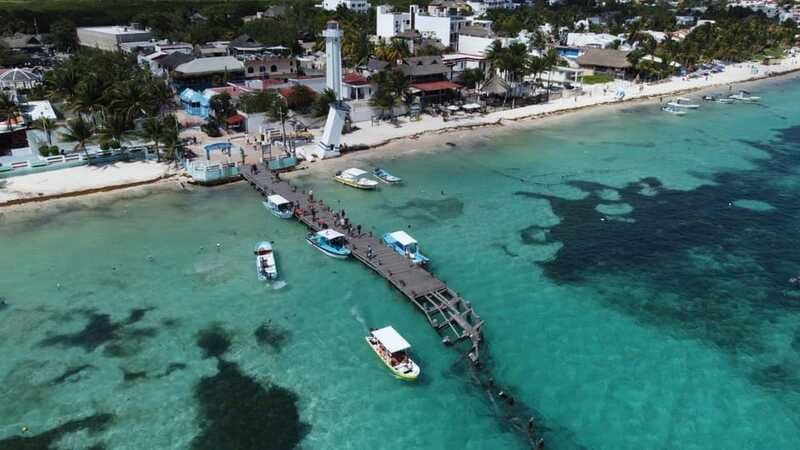
The underwater part is the headline. But the day includes boat time and gear handling, and that’s where real-world details matter.
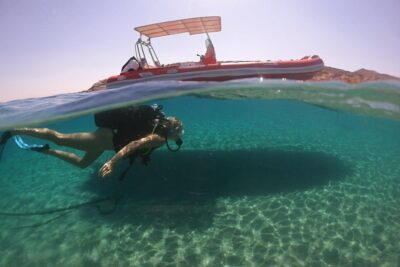
Some feedback notes the boat setup can feel a bit simple. One example: there may not be much assistance getting out of the boat, which matters if you’re not steady on your feet. If that’s you, it’s worth bringing up any concerns with the instructor before you board.
Photos and videos are available as an add-on. Be aware that the photo package can be expensive (one report cites $120), and there’s a note about needing to leave reviews for a discount. If you’re on a tight budget, you may prefer to skip it and just enjoy your memories on your own camera or phone.
If you do buy photos, treat it like a souvenir choice, not an expected included item.
Equipment, Fees, and What Your $186 Really Buys
At $186 per person, it’s not the cheapest way to try scuba in the Cancun area, but it’s built like a complete beginner package. Here’s what you get that usually costs extra elsewhere:
- Basic theory and pool lesson
- Two reef sessions
- Full scuba equipment (BCD, regulator, mask, fins)
- Wetsuit
- Tanks and weights
- National Marine Park and dock fees
- Taxes
- Purified drinking water
That’s why the price feels more reasonable than it might at first glance. You’re paying for staff time, training, equipment, and the access fees that keep the operation legal and managed.
Not included: round-trip transportation from your accommodation (available), and photos/videos (available). If you need transport, confirm how that’s handled before the day starts.
Who This Course Is Best For (and Who Should Skip It)
This experience is designed for beginners, and the course explicitly says no previous experience is required. It’s also small-group friendly, which helps if you want more attention and less “herding” around.
It’s not suitable for several categories, including:
- Children under 10 years old (and kids must be at least 10, up to age 65)
- People over 65
- Pregnant women
- Non-swimmers
- People with respiratory issues
- People with epilepsy
- People with asthma, high blood pressure, heart or brain problems, lung lesions, diabetes, or surgery within the past year
There’s also a medical authorization path: you may be allowed only if you bring authorization signed by a physician who specializes in your disease. If any of this applies to you, don’t guess—ask for the correct medical guidance before booking.
Quick Tips to Make the Day Easier
Here are the practical things that help you enjoy your first scuba course instead of focusing on stress.
- Wear easy-to-remove clothing for the pool practice.
- Bring a towel and a dry change of clothes for afterward (especially after boat time).
- If you’re worried about boat access, tell the team early. They can often help you plan your entry and exit.
- Don’t plan a same-day flight. Use the 18-hour rest rule.
- If photos matter to you, decide before the end of the day so the upsell doesn’t catch you while you’re sun-tired.
Should You Book This Puerto Morelos Beginner Scuba Course?
If you want a first scuba experience that feels structured, not random, I think this is a strong choice. The pool lesson and basic theory give you a real foundation, and the small group limit helps you stay supported. Add in the common wildlife sightings (turtles, rays, fish schools, and sometimes dolphins on the way out), and you’ve got a day that’s built for both learning and wonder.
Skip it if you fall into one of the medical or age restrictions, or if you know boat entry/exit is a serious issue for you. And if you’re budget-conscious, plan for the possibility of extra costs for photos.
FAQ
How long is the Puerto Morelos beginner scuba experience?
It’s listed as about 5 hours, and the highlights also mention 6 hours. Check available starting times for the exact schedule.
What’s the maximum depth for this course?
The maximum depth is 40 feet (12 meters).
Do I need prior scuba experience?
No. This is designed for beginners with no previous experience required.
Where is the meeting point?
You meet the team of instructors at the pool in Ojo de Agua Beach Club.
Is round-trip transportation included?
No. Round-trip transportation from your accommodation is available, but it’s not included.
What equipment is provided?
Basic scuba gear is included: BCD, regulator, mask, fins, plus a wetsuit, tanks, and weights.
Are there age limits?
Yes. Children must be at least 10 years old and adults must be no older than 65.
Can I fly soon after the experience?
No. You need to rest 18 hours after your scuba sessions before getting on a plane.
What medical conditions can’t participate?
People with asthma, high blood pressure, heart or brain problems, lung lesions, diabetes, epilepsy, or surgery within the past year are not allowed unless they bring medical authorization signed by a physician specializing in the condition. Pregnant women and people with respiratory issues are also not suitable.