REVIEW · KAMARI
Scuba Diving in the Volcanic Caldera/shorelines of Santorini
Book on GetYourGuide →Operated by Navy's Waterworld · Bookable on GetYourGuide
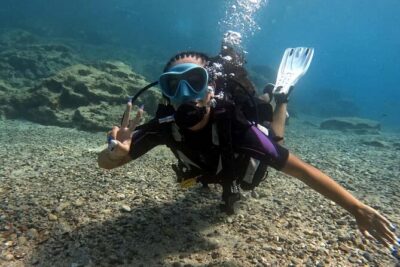
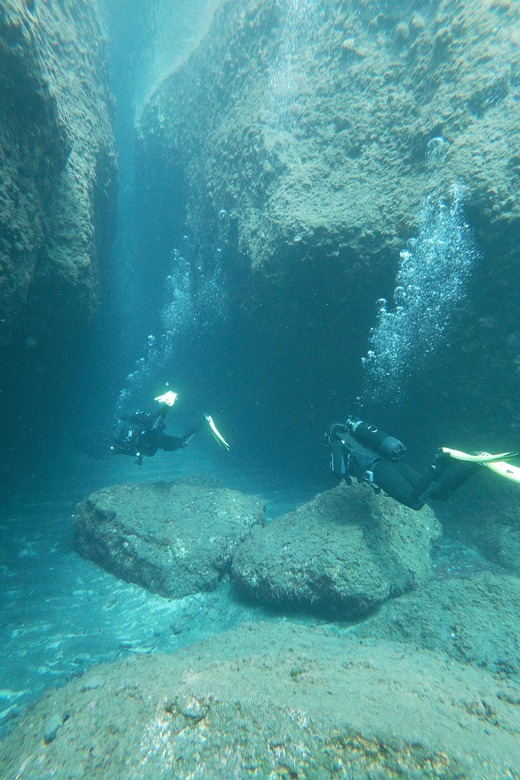
The caldera feels like another planet. Santorini’s underwater world is all about volcanic shapes—lava caverns, reefs, and rocky walls—floating in crystal-clear Aegean water with little in the way of currents or tides.
I especially like that the day is built for a relaxed, well-run experience, not a rushed checklist.
What really won me over is the overall organization: gear is ready, groups stay small (max 6), and the safety briefing is treated as serious business. One thing to factor in up front: this isn’t for everyone—no-go rules include kids under 10, pregnancy, respiratory issues, recent surgery, and anyone without scuba certification, plus you need to wait at least 18 hours after your sessions before flying.
In This Review
- Key highlights worth planning around
- Santorini’s Volcanic Caldera Underwater: Why the Water Feels Relaxing
- Navy’s Waterworld Setup: Gear, Facilities, and a Safety-First Rhythm
- Your 5-Hour Route: Speedboat, Shorelines, and Two Sessions in One Plan
- What You’ll See: Lava Caverns, Reefs, Walls, and Posidonia Meadows
- Who This Fits—and Who Should Skip It
- Price and Value: Is $147 Worth It?
- Should You Book This Santorini Caldera Scuba Experience?
- FAQ
- How long is the Santorini caldera scuba experience?
- How many underwater sessions do I do?
- What is the price per person?
- Is hotel pickup included?
- What’s included in the price?
- What should I bring?
- Who isn’t suitable for this experience?
- How big are the groups?
- What’s the rule about flying after the sessions?
- What languages are offered?
Key highlights worth planning around
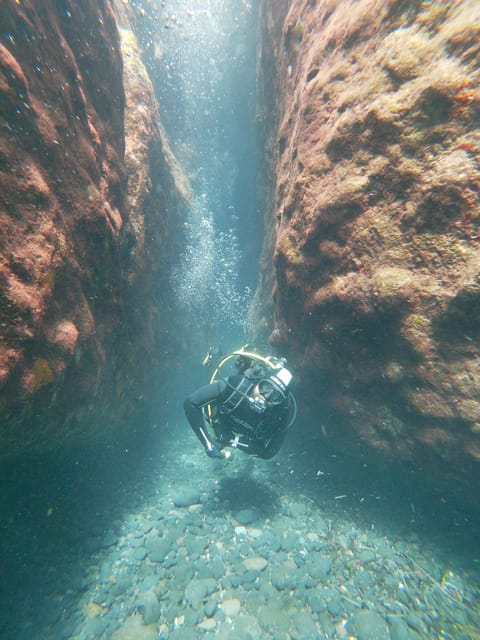
- Volcanic reef in the world’s biggest caldera: you’re not just swimming near rocks; you’re exploring geology shaped by massive eruption and collapse
- Crystal-clear water + low-current feel: the conditions are set up for a calmer outing than many open-water sites
- Two-scuba sessions in small groups (up to 6): you get hands-on attention without feeling crowded
- Strict safety measures and thorough pre-water briefings: the operation is set up to prioritize control and comfort
- Underwater variety on one small island: walls, caverns, reefs, lava formations, Posidonia meadows, and a marine protected area are all part of the menu
Santorini’s Volcanic Caldera Underwater: Why the Water Feels Relaxing
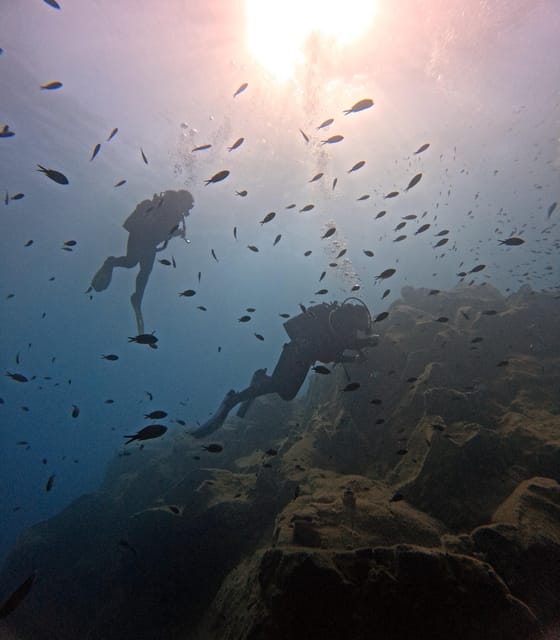
Santorini didn’t form like a typical island. It’s the result of a huge volcanic event that built a caldera and then sank much of what was once there. That geology is the whole point of your underwater day.
The caldera’s deepest section goes beyond 400 meters (about 1,200 feet), while the south and east sides have shallower spots. That depth difference matters because it lets the team match your route to what’s workable and enjoyable—so you’re not stuck with one kind of terrain all day.
What I like about the plan for most people is that it’s designed around conditions that make the water feel manageable. The Aegean conditions here are described as having no significant currents or tides, plus excellent visibility. In plain terms: if you get anxious in open water, this type of setup often feels easier because you’re spending less effort fighting the environment and more time looking at what’s around you.
Under the surface, the island’s volcanic structure turns into a menu of underwater scenes:
- lava caverns and rocky shelters
- walls and reef structures
- lava formations and darker volcanic features
- a marine protected area, where habitat is treated with care
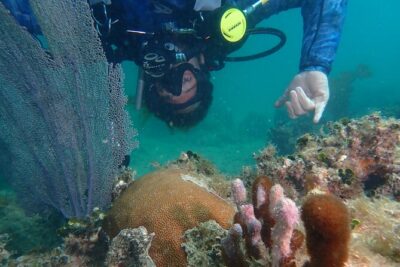
- Posidonia meadows (seagrass) and reef zones that support marine life
That mix is exactly why people call Santorini magical. It’s not one pretty spot. It’s a series of scenes that change as you go—while staying close to one of the most famous volcanic coastlines in Europe.
Navy’s Waterworld Setup: Gear, Facilities, and a Safety-First Rhythm
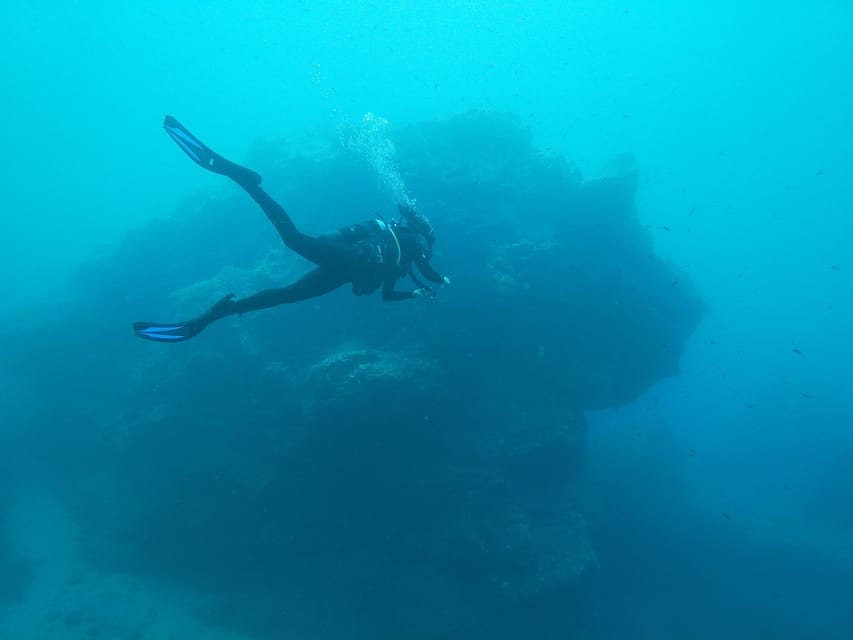
You start at Navy’s Waterworld, where the operation is built around reducing stress. Equipment is prepared and loaded before you arrive, so you’re not hunting for your size or playing tech roulette with last-minute gear.
You’ll get everything you need as part of the experience:
- full scuba gear
- lockers, changing room, and showers
- a Wi-Fi and lounge area
That matters because a lot of “easy” travel days fall apart in the friction points: finding equipment, figuring out what to do next, and dealing with wet gear afterward. Here, the basics are handled for you, so you can focus on being comfortable.
The wetsuit and boots piece is also smart. You’re not wrestling with complicated setups. You try on the suit, get geared up, and the team handles the rest.
Then there’s the safety culture. One review highlights how the safety briefing and information before the water were exemplary. That’s the best sign you can look for, because a great scuba day isn’t just about what you see—it’s about how controlled and calm the process feels.
Also pay attention to the group management. The experience runs in small groups of up to 6, and participants are divided by level and certification. That’s a subtle detail with real impact: it means you’re less likely to feel like you’re waiting on slower people or trying to keep up with someone who’s more advanced. It’s also a good way for the instructor team to tailor attention without turning the day into a one-size program.
Languages are covered too—English, Greek, French, Italian, Catalan, and Spanish—so you’re not stuck translating important safety and equipment instructions.
Your 5-Hour Route: Speedboat, Shorelines, and Two Sessions in One Plan
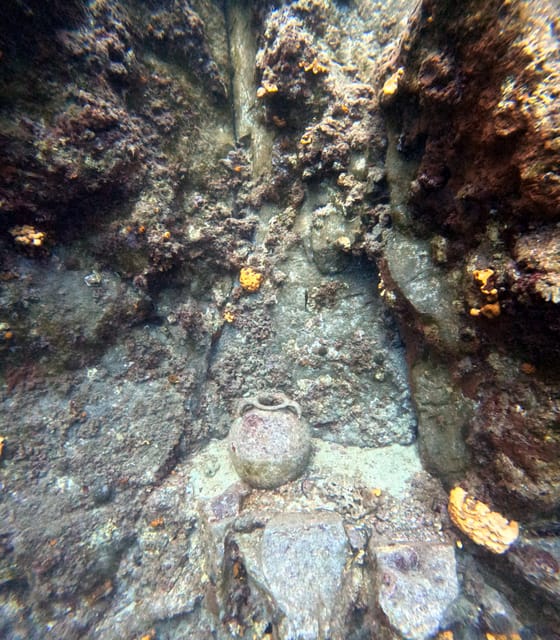
The total time is about 5 hours, with a typical start around 9:00 and a return around 14:00–14:30 (times can vary, so always check availability). This is a practical length: long enough to feel like a real outing, short enough to still make the rest of your Santorini day work.
You’ll travel around the volcanic shoreline by boat or truck depending on what the day requires. One listed segment includes a speedboat ride of about 10 minutes, which fits the typical rhythm of coastal diving logistics: get you out to the right area without turning the day into a long transport marathon.
Here’s how the structure usually feels:
- You arrive at Navy’s Waterworld, with equipment ready.
- You gear up with the wetsuit and boots.
- You head out along the shoreline (including short boat transfer time when applicable).
- You do two underwater sessions as part of the certified program.
- Between the underwater portions, you get snack and water.
- You return to the starting point for post-water wrap-up.
Two sessions is a sweet spot for many certified scuba travelers. It gives you enough time to enjoy the underwater variety without exhausting your body by doing too many repetitive logistics cycles. And because this is a small-group setup, you’re more likely to feel like the day has a clear pace rather than a “herd and hope” feel.
What You’ll See: Lava Caverns, Reefs, Walls, and Posidonia Meadows
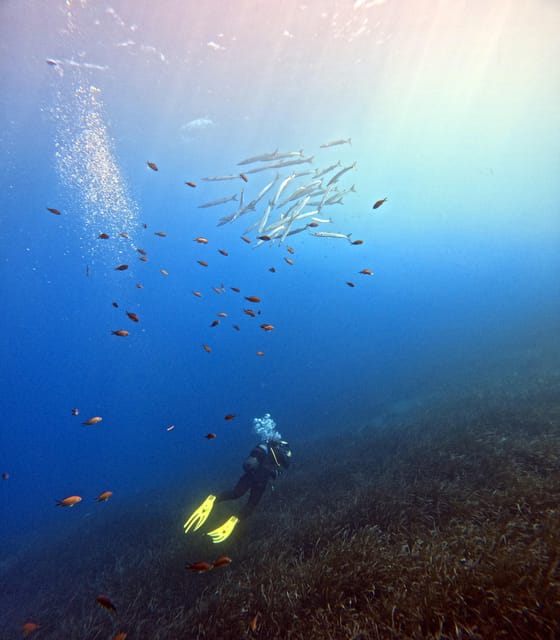
Santorini is small, but the underwater options are broad. The plan includes a range of terrain types—shallow options, wall explorations, volcano-related formations, shore and boat options, lava features, reef zones, caverns, plus a marine protected area. That variety is important because it changes how the water feels minute to minute.
Think about what volcanic geology does underwater:
- Lava and rock formations create caves/caverns and sheltered pockets where you can look for marine activity.
- Reefs and rocky structures break up the water and form natural “rooms” for different species to feed and hide.
- Walls add vertical variation, which can make the underwater experience feel more dynamic than flat sand and a few rocks.
The Posidonia meadows piece is also worth calling out. Seagrass habitat supports a lot of marine life and can change the underwater look entirely—often softer, more plant-based, and calmer in feel compared to bare rock.
Then there’s the marine protected area. When an area is protected, it tends to mean the team and operators treat the zone with more care. For you, that usually means better habitat conditions and a higher chance that what you’re looking at is still thriving.
What about the “lost Atlantis” vibe people associate with Santorini? You don’t need to chase a myth underwater to feel the connection. The island’s origin in volcanic collapse and the way it shapes every coastline translates below the surface into a world that feels different from typical Mediterranean sand-and-ruins days.
Who This Fits—and Who Should Skip It
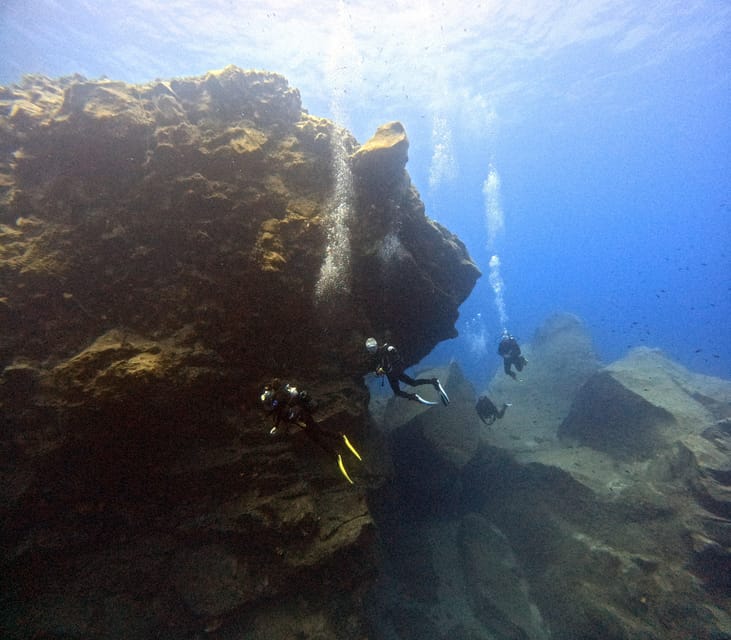
This is a certified-scuba experience, not a first-timer tryout. If you don’t have scuba certification, you should skip this one. It’s also not suitable for:
- children under 10
- pregnant women
- people with respiratory issues
- people without experience
- people with recent surgeries
That list isn’t there to discourage you—it’s there because scuba is a controlled medical-and-training activity. The safest days are the ones where everyone matches the required ability and health profile.
One more major practical point: if you’re planning flights, you must wait at least 18 hours after your sessions before flying. This is critical. I’d treat it like a hard rule, not a suggestion.
Also note the “keep it clean” policy: alcohol and drugs are not allowed, and alcoholic drinks are not allowed in the vehicle. It’s a small thing, but it keeps the day safer and smoother—especially when you’re putting on equipment and managing buoyancy.
Finally, if you want a refresh, or you want to scuba with your own private PADI professional, the team says they can accommodate those needs. That’s great if you’re returning after time away and you’d rather have familiar training support.
Price and Value: Is $147 Worth It?
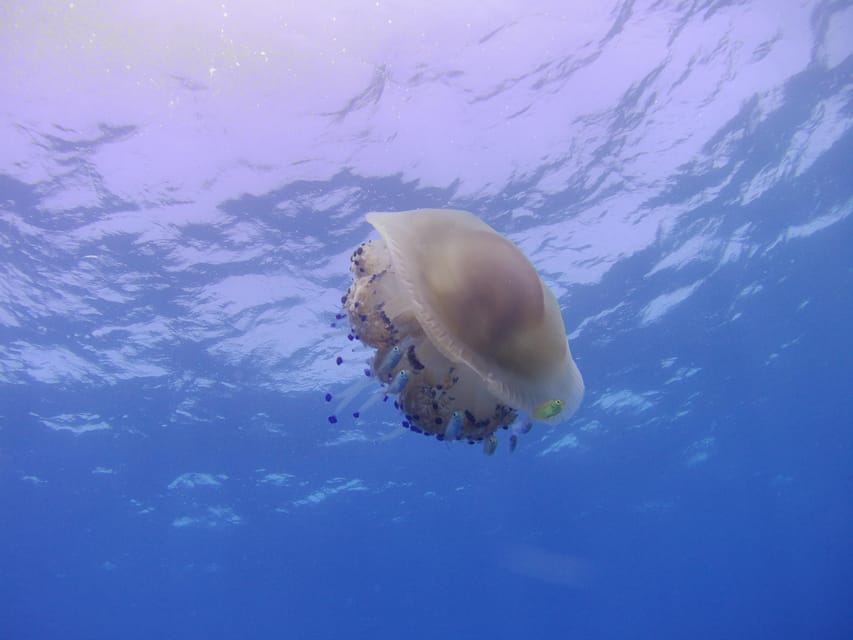
At $147 per person, you’re paying for more than just “time underwater.” You’re buying a structured, safety-led, gear-included program designed to keep the day calm and efficient.
Here’s what makes the value feel real:
- Full equipment included: no rental stress or last-minute upgrades
- Instructor and safety support throughout
- Snacks and water between the two underwater sessions
- Use of lockers, changing rooms, showers, and Wi-Fi/lounge space
- Small groups (max 6), with level-based splitting
So the cost isn’t just the water time. It covers the whole operation that makes the water time enjoyable: transport to the right areas, the briefing, the gear management, and the post-water comfort.
One more value angle: you’re getting access to multiple kinds of underwater terrain on one compact island. Instead of traveling to separate regions for different scenes, this format helps you experience the volcanic caldera environment in one day.
Two quick booking notes that can save headaches:
- Hotel pickup is not included, so plan to reach the Navy’s Waterworld meeting point area yourself.
- It’s also described as offering reserve now & pay later and free cancellation up to 24 hours in advance, so you can keep some flexibility if your Santorini schedule might shift.
Should You Book This Santorini Caldera Scuba Experience?
I’d book it if you’re certified scuba and you want a calmer, well-managed day in Santorini’s volcanic underwater world. The strongest reasons to choose this specific operator are the small-group size, the emphasis on organization, and the “safety first” approach shown in the briefing process.
You might want to think twice if any of these apply:
- you need hotel pickup (this one doesn’t include it)
- you fly the day after (you need the 18-hour wait)
- you’re under 10, pregnant, have respiratory issues, recent surgery, or lack certification
If you fit the criteria, this is the kind of trip that feels efficient and satisfying: gear handled, clear plans, two underwater sessions, and a coastline-shaped underwater world that’s hard to find anywhere else.
FAQ
How long is the Santorini caldera scuba experience?
It lasts about 5 hours, typically starting around 9:00 and returning around 14:00–14:30 (check availability for exact starting times).
How many underwater sessions do I do?
You do two underwater sessions as part of the certified divers program.
What is the price per person?
The price is $147 per person.
Is hotel pickup included?
No, hotel pickup is not included.
What’s included in the price?
Full scuba gear, an instructor, snacks and water, lockers, a changing room, showers, and Wi-Fi and a lounge area.
What should I bring?
Bring change of clothes, beachwear, and your scuba certification.
Who isn’t suitable for this experience?
It is not suitable for children under 10, pregnant women, people with respiratory issues, people without experience, people with recent surgeries, and people without scuba certification.
How big are the groups?
The group size is limited to a maximum of 6 participants.
What’s the rule about flying after the sessions?
You must wait a minimum of 18 hours after your sessions before taking a flight.
What languages are offered?
Instruction is available in English, Greek, French, Italian, Catalan, and Spanish.