REVIEW · PORT DOUGLAS
Port Douglas: Poseidon Outer Barrier Reef Dive and Snorkel
Book on GetYourGuide →Operated by Quicksilver Cruises · Bookable on GetYourGuide
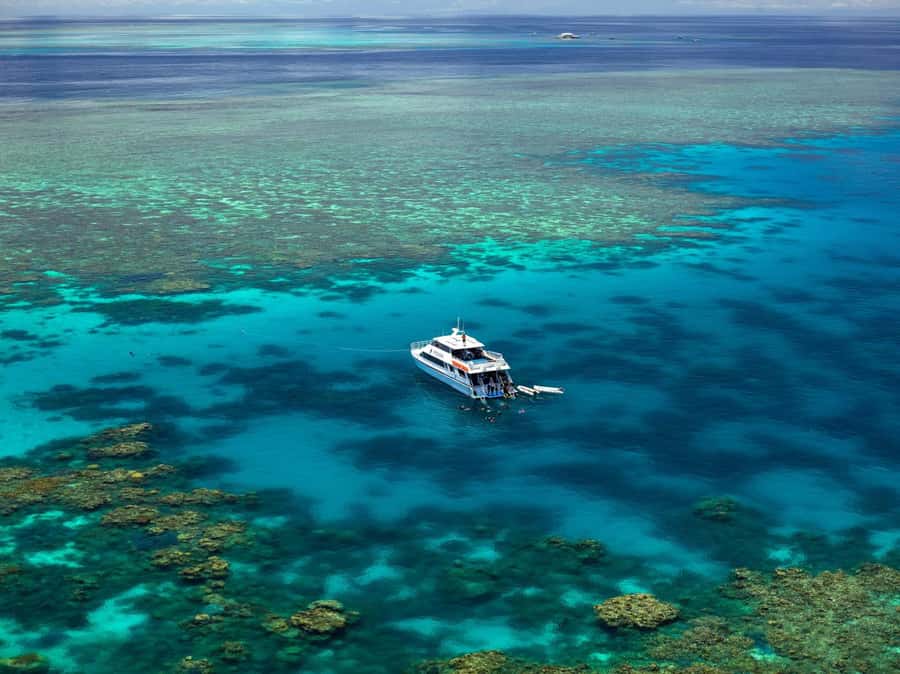
Great reef day, minus the fuss. This Port Douglas trip pairs a small-group 24m catamaran with long reef time at the Agincourt Ribbon Reefs. You’ll snorkel, and if you want the extra option, you can add scuba sessions with an instructor when conditions allow.
What I like most is the focus on time in the water without turning the day into a rushed checklist. You spend 5+ hours at the reef across three different sites, and each stop includes a guided snorkel component plus onboard marine interpretation. Second, I appreciate the practical touches: easy water access platforms, included equipment (including prescription masks), and a safety team on board.
One thing to weigh: the whale swim is only possible during July–September, and it’s not guaranteed even then. If your main goal is seeing dwarf Minke whales up close, plan this as a bonus when the sea gives you the right encounter, not a sure thing.
In This Review
- Key highlights to look for
- Agincourt Ribbon Reefs: why this part of the Barrier Reef is a smart choice
- Poseidon’s 24m catamaran setup: comfort and easy water access
- The day on the water: three snorkeling sites and about 5 hours reef time
- Scuba option without the pressure: how the program supports different levels
- Meet the marine brainpower: onboard interpretation and guided learning
- Whale-season bonus: swimming with dwarf Minke whales (when conditions line up)
- Food and onboard comfort: the small stuff that saves a great day
- Price and value: is $213 worth it for a full reef day?
- Who should book this Outer Barrier Reef day, and who might not
- Should you book Poseidon’s Outer Barrier Reef snorkel and scuba?
- FAQ
- How long is the Poseidon Outer Barrier Reef experience?
- Where does the tour depart from?
- How many reef sites do you visit?
- Is snorkeling included in the price?
- Is scuba included, or is it an extra cost?
- What food is provided during the day?
- Can you swim with dwarf Minke whales?
- Is this activity suitable for wheelchair users?
Key highlights to look for
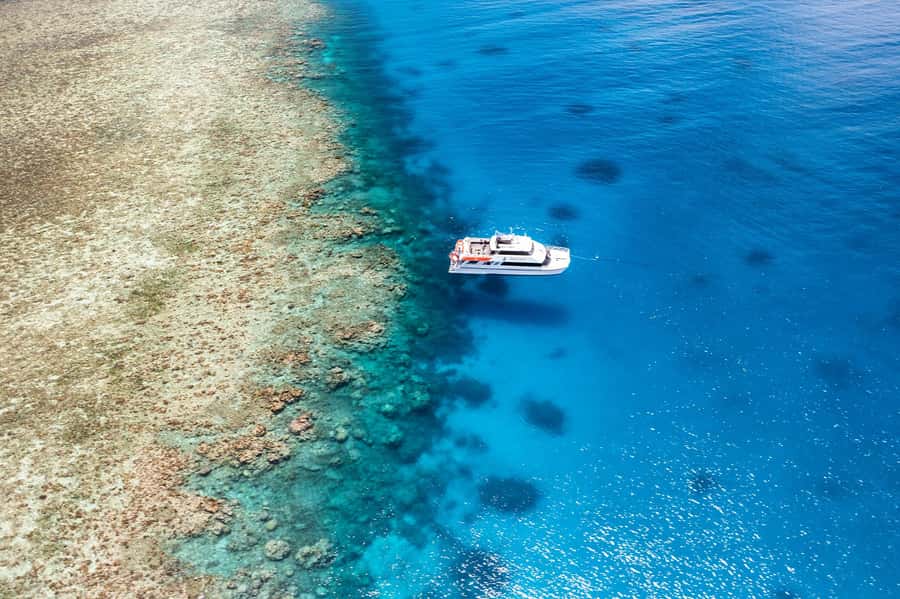
- Three reef sites at Agincourt: chosen for visual and ecological variety, not just convenience
- Guided snorkeling at each stop: you get hands-on help plus a wraparound marine story
- Boutique small-group cap (65): more attention, less waiting around
- Scuba option for fit beginners and certified divers: up to two sessions for first-timers, more for certified
- Whale-season permit for dwarf Minke swims: only July–September if you encounter whales
- Included comfort + gear: lycra suit, snorkel gear, wetsuit access for scuba, showers and change areas
Agincourt Ribbon Reefs: why this part of the Barrier Reef is a smart choice
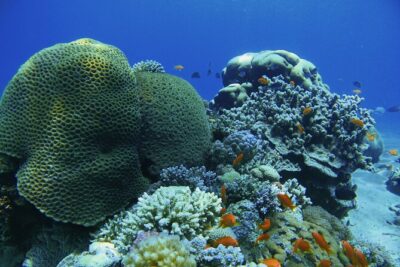
Off Port Douglas, the Great Barrier Reef isn’t one single “place.” What makes the Agincourt Ribbon Reefs appealing is that they’re a set of distinct reef areas, with different habitats close enough to visit in one day. That matters because you get more than one look at coral shapes, fish behavior, and underwater lighting.
In good conditions, snorkeling here tends to feel straightforward: you’re not constantly fighting for visibility. Your time is also spread across multiple sites instead of one long stop. That gives your eyes a break and keeps the day feeling varied, which is especially nice if you’re with family or friends who snorkel at different comfort levels.
The trip also includes marine interpretation and citizen-science style learning. In plain terms: you’re not just swimming over pretty stuff. You’re learning what to watch for—coral forms, how fish use the reef, and how the whole ecosystem connects.
You can also read our reviews of more tours and experiences in Port Douglas.
Poseidon’s 24m catamaran setup: comfort and easy water access
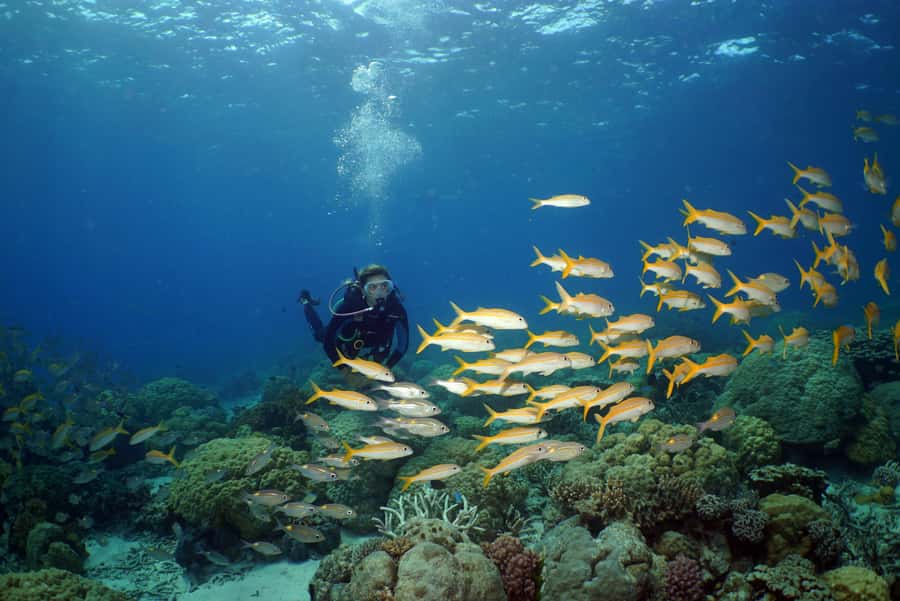
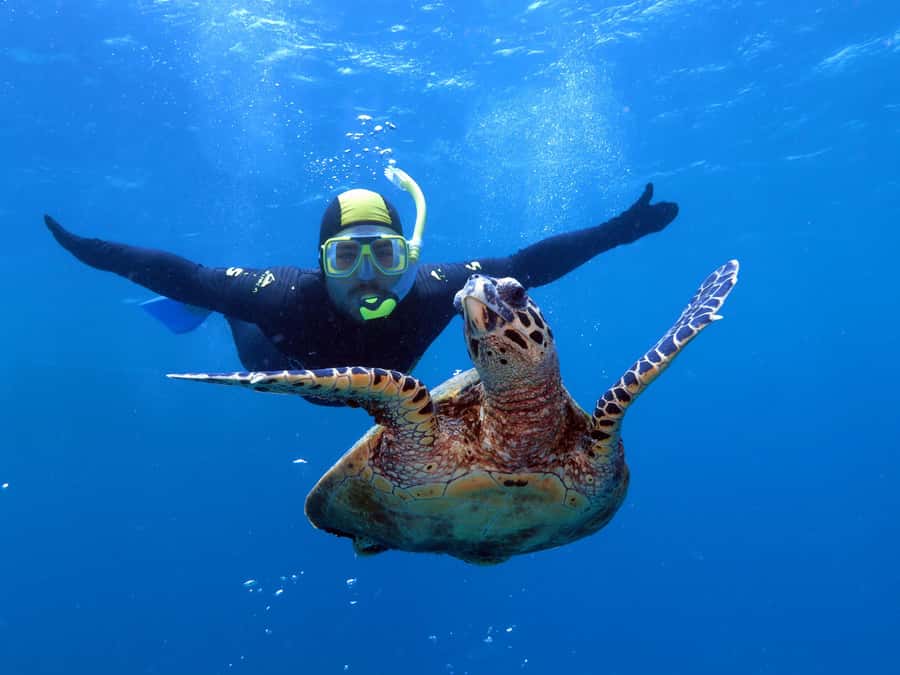
You’ll board a 24-metre catamaran built for a small, adventure-minded crowd. With numbers capped at 65, the day doesn’t feel like a cattle line. You spend less time figuring out where to be next and more time looking at the ocean.
The vessel is set up for practical water entry. You get hydraulic dive and snorkel platforms for easier splash-in access, plus spacious deck space to move around when you’re not in the water. There are freshwater showers and change rooms, which sounds minor until you’re trying to stay comfortable after a wet day.
There’s also a licensed bar onboard. That’s not a “party bus” thing—it’s more like the quiet chance to swap notes after your water time. You’ll also have a lifeguard safety officer onboard, which adds a layer of reassurance when you’re snorkeling or adding scuba.
The day on the water: three snorkeling sites and about 5 hours reef time
This is the part that usually decides whether a reef tour feels worth it. Here, you get 5+ hours at the reef, and the plan is built around three separate reef sites. Each site includes a snorkel brief and a guided snorkel tour component, so you’re not just thrown in with a mask and a prayer.
The sites are selected for best visibility and ecological diversity, which is a polite way of saying you’re more likely to see a mix of coral types and fish activity. The day also benefits from the pacing: you snorkel, you regroup, you learn a bit, then you go again.
A good strategy on any multi-stop reef day is to treat each stop like a mini-mission. Focus on a couple of things each time—say, one stop for coral shapes and another for fish behavior. You’ll find you remember more, and you waste less energy trying to see everything at once.
If you’re a confident snorkeler, you’ll likely enjoy the freedom to move within a guided framework. If you’re newer, the structured brief at each site is a big help. It gives you rhythm: what to expect, where to look, and how to keep your time underwater feeling comfortable.
Scuba option without the pressure: how the program supports different levels
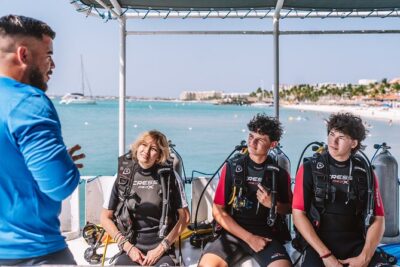
Scuba is not automatically included with the base price, but the program offers clear pathways depending on your experience. For first-time participants, you can enjoy up to two scuba sessions with an experienced instructor, designed to help you take the plunge with confidence. If you’re certified, you can get up to three scuba sessions, also guided so you don’t spend the day figuring out where to go.
That structure is valuable because it matches the reality of what usually goes wrong on reef days: people overestimate what they can handle, or they’re not guided enough to feel safe and oriented. Here, the instructor and guides are part of the experience design.
One more practical point: you’ll have equipment support. Divers get the gear and a wetsuit, and there’s prescription mask availability at no additional cost. That last bit is huge if you’ve ever had to choose between blurry vision or paying extra.
So if you’ve been curious about scuba and this is your first serious attempt, you’ll likely appreciate the built-in support. If you’re already comfortable underwater, the guided format can still be a plus because it helps you get time where conditions and reef life are most interesting.
Meet the marine brainpower: onboard interpretation and guided learning
The reef looks amazing. The reef makes sense when someone explains it. On this trip, there’s marine interpretation onboard, and it’s not just generic facts.
One highlight from the experience is an onboard marine biologist named Fern, who gives presentations and supports a guided reef experience from the boat. Even if you’re not a science person, that kind of focused talk changes what you notice once you’re in the water.
The tour also includes three free guided snorkel tours (one linked with the reef-site guiding, plus the repeated learning pieces throughout the day). The effect is cumulative: you learn what to watch for, then you go see it, then you learn again with real underwater context.
If you care about responsible reef watching, you’ll also like the citizen-science angle. You’re learning as part of an ecosystem conversation, not just checking boxes for photos.
Whale-season bonus: swimming with dwarf Minke whales (when conditions line up)
Between July through September, this operator has one of the few permits that allows guests to swim with dwarf Minke whales if they’re encountered. It’s done from a licensed vessel, which matters because it signals the trip is operating under strict rules rather than treating whales like a casual sightseeing target.
Here’s the honest way to frame it for your planning: the encounter is not guaranteed. You’re choosing this tour partly because it’s one of the better chances during the season, not because it promises a whale photo.
If you do get the chance, it will likely be the emotional highlight of the day. Even with all the safety and procedure, swimming with whales reframes the whole reef experience. Suddenly you’re not just watching marine life—you’re sharing space with a larger rhythm in the ecosystem.
If whales are your top goal, bring patience and keep expectations flexible. Then you’ll enjoy the rest of the day even if the whales don’t show.
Food and onboard comfort: the small stuff that saves a great day
On reef trips, hunger and sunburn are the stealth enemies. Poseidon helps you avoid both.
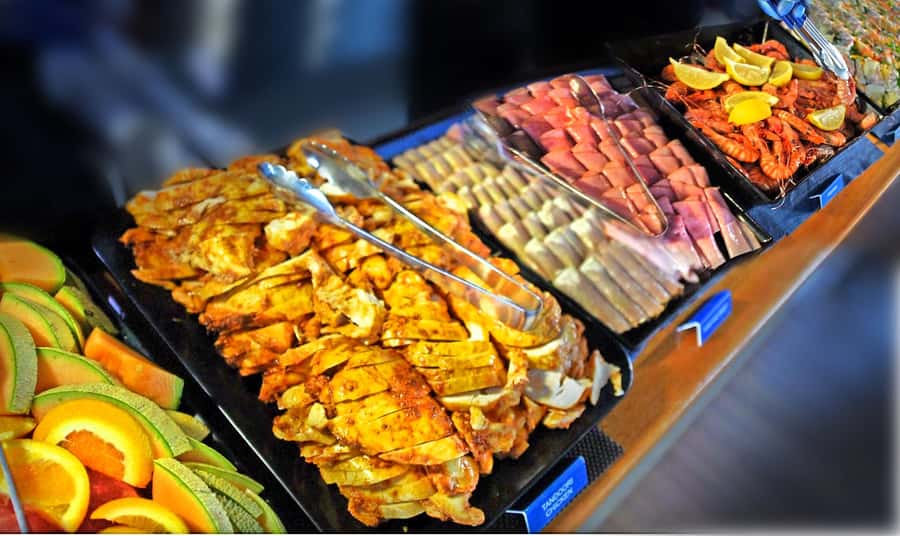
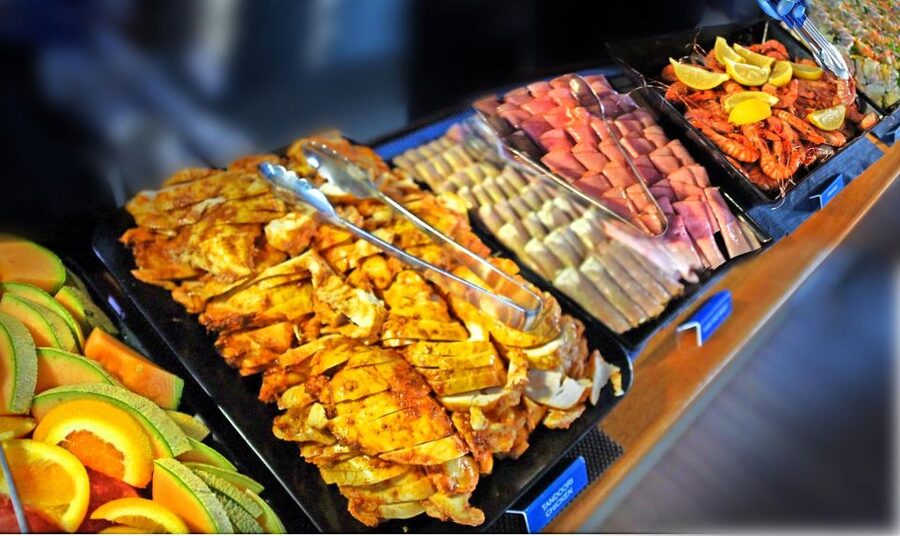
You’ll get morning and afternoon teas, plus a tropical buffet lunch. The lunch includes fresh prawns, which is a nice concrete perk compared with the usual “light bites” you sometimes get on full-day tours. Having proper food also helps if you end up snorkeling longer than you expected or adding scuba.
You’ll also receive snorkeling equipment (mask, snorkel, fins), and divers get the wetsuit. There’s a lycra suit, and prescription masks are available at no additional cost. That’s one of those details that can quietly make or break the comfort factor.
Bring what you normally forget: swimwear, a towel, sunscreen, and a camera. You’ll want to be ready to move fast between boat deck life and water life.
Price and value: is $213 worth it for a full reef day?
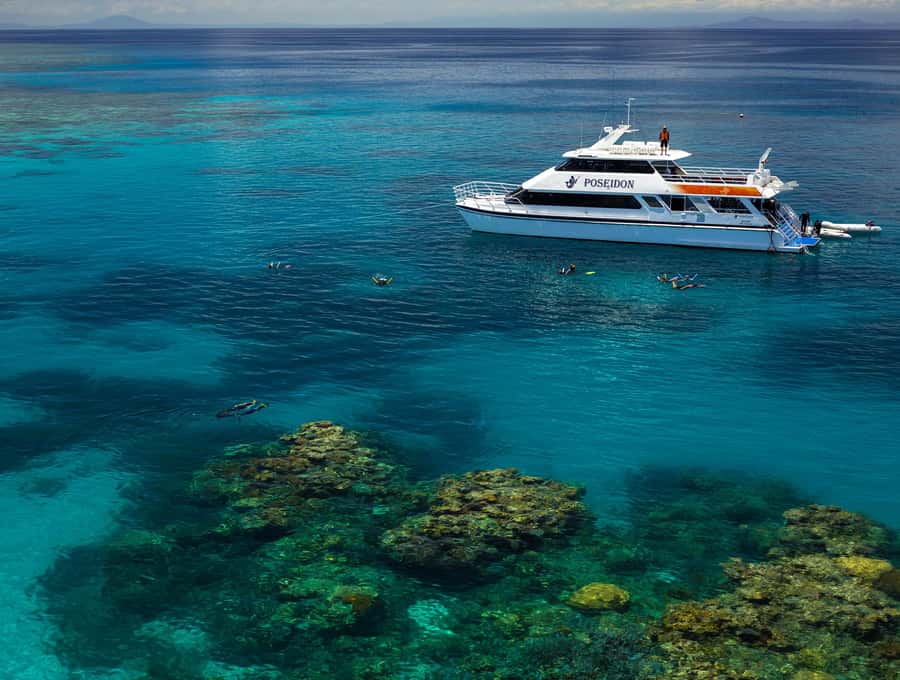
At $213 per person for an 8-hour day, the value comes from what’s included and what you’re paying to avoid. You’re not just buying transport. You’re paying for:
- Return cruise from Port Douglas to the Outer Barrier Reef area
- Access to multiple remote reef sites at Agincourt
- Snorkel equipment plus guided snorkel support at each site
- Meals (teas and a tropical buffet lunch)
- Safety staffing with a qualified lifeguard safety officer
- Marine interpretation onboard
- Small-group cap at 65 (which often translates to more attention)
Scuba is extra and subject to availability, so that’s the one cost to plan for if you want that option. But even if you only snorkel, the package still feels built for a full day on the water with structure.
If you’re comparing, do it using “total cost for your actual plan.” If you want scuba, include likely add-on pricing. If you just want snorkeling with real guidance, this setup looks like a strong match because the day is designed around reef time and repeated instruction, not just a single drop-and-go stop.
Who should book this Outer Barrier Reef day, and who might not
This is best for people who want an organized, comfortable reef day with real support in the water. You’ll probably enjoy it if you’re:
- A confident snorkeler who likes guidance and variety across multiple sites
- A new scuba participant who wants instructor support (up to two sessions)
- A certified diver looking for guided underwater time (up to three sessions)
- Someone who cares about marine life learning, not just photos
A couple practical considerations:
- It’s not suitable for wheelchair users.
- If you want the whale swim, plan for July–September and accept that sightings depend on nature.
- If you’re prone to motion sickness, you might still want to plan for sea conditions, even though the day depends on the trip’s operating reality.
In short: this tour fits well with people who like being active, like learning as they go, and want a reef day that feels managed without feeling stiff.
Should you book Poseidon’s Outer Barrier Reef snorkel and scuba?
I’d lean “yes” if you want a well-run, small-group day built around three reef sites, guided snorkeling, and a serious amount of time in the water. The included gear, showers, prescription masks, and food help you focus on the reef instead of logistics.
I’d think twice if whale encounters are your non-negotiable goal, because the dwarf Minke swims are seasonal and encounter-based. If whales happen, that’s a huge bonus. If they don’t, you should still enjoy the reef day—but only you can decide how much you’re willing to roll the dice.
If you’re in the right season and you like the idea of combining reef learning with real time on the water, this one looks like good value and a solid choice.
FAQ
How long is the Poseidon Outer Barrier Reef experience?
It runs for 8 hours.
Where does the tour depart from?
The trip departs from Port Douglas.
How many reef sites do you visit?
You visit three separate reef sites at Agincourt.
Is snorkeling included in the price?
Yes. Snorkeling equipment is included, along with a snorkel brief and a guided snorkel tour at each reef site.
Is scuba included, or is it an extra cost?
Scuba is not included. It’s an additional cost and subject to availability. First-time participants can enjoy up to two scuba sessions, and certified divers can enjoy up to three sessions.
What food is provided during the day?
You get morning and afternoon teas and a tropical buffet lunch, including fresh prawns.
Can you swim with dwarf Minke whales?
You can sometimes swim with dwarf Minke whales during July through September if whales are encountered. The tour mentions a permit that allows this in those conditions, using a licensed vessel.
Is this activity suitable for wheelchair users?
No. It is listed as not suitable for wheelchair users.
If you tell me your snorkeling comfort level (new, intermediate, confident) and whether you’re considering the scuba option, I can help you decide how to plan the day for the best fit.