REVIEW · PORT DOUGLAS
Quicksilver Dive 4 Day PADI Learn to Dive Course
Book on Viator →Operated by The Quicksilver Group · Bookable on Viator
A whole new skill in four days. The Quicksilver team runs a structured PADI Open Water path that starts in a heated training pool in Port Douglas and finishes with real-saltwater sessions off the Agincourt Ribbon Reefs at the Great Barrier Reef. It’s a practical course for people who want certification without turning it into a stressful science project.
I especially like the small-group setup (max 8) because you get more time with the instructor when you’re learning buoyancy, control, and breathing. I also like that you’re not guessing about logistics: six in-water sessions are included, plus the gear, log book, and reef-related fees (reef tax) are covered.
One thing to consider: the course assumes you can swim and tread water (200m swim, or 300m with mask/fins/snorkel, plus 10 minutes afloat). If you need a medical clearance, plan it early since any required medical exam must be done within 90 days of your start date.
In This Review
- Key Highlights at a Glance
- Port Douglas Turns Certification Into a Real Getaway
- PADI Gold Open Water: What You Actually Get After Four Days
- Days 1 and 2: Warner Street Training Centre and a Heated Pool
- Days 3 and 4: Outer Reef Trips to Agincourt Ribbon Reefs
- What the Small-Group Coaching Really Means in the Water
- Gear, Log Book, and Meals: The Stuff That Makes the Course Feel Easy
- Price and Value: What $0.00 Means and How to Judge the Real Deal
- Who This Course Fits Best (And Who Might Want a Different Plan)
- Before You Go: Simple Tips That Reduce Stress
- Should You Book Quicksilver’s 4-Day PADI Open Water Course?
- FAQ
- What certification will I receive at the end of the course?
- Where does the course training happen?
- How many in-water sessions are included, and how many are required?
- What’s included in the package besides instruction?
- Do I need to bring my own mask?
- What swim ability do I need before starting?
- Is pickup included, and what areas does it cover?
Key Highlights at a Glance
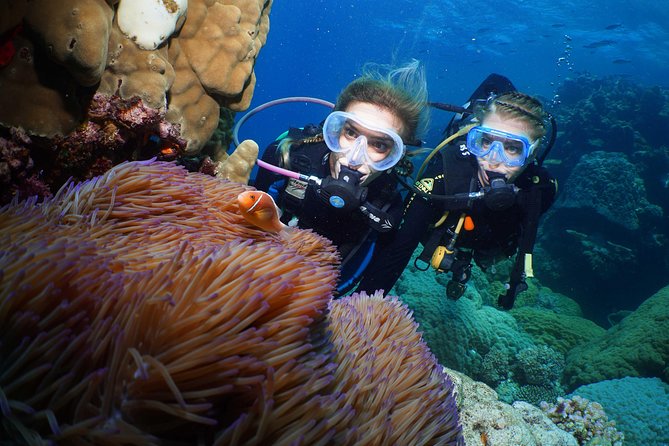
- Max 8 students means you get focused coaching instead of being one face in a crowd
- Heated pool training days 1 and 2 help you build confidence before you head to the reef
- Six in-water sessions total (4 required, 2 optional/extra fun)
- Outer Reef trips on days 3 and 4 give you the real Great Barrier Reef experience
- Instructors get praised by name including Gordon, Adam, Haylie, Emma, and India
- Pickup from Port Douglas only keeps things simple, but other areas may cost extra
Port Douglas Turns Certification Into a Real Getaway
Port Douglas is one of those places where the setting does half the work for you. You’re not just signing up for a class and disappearing into the ocean. You’re staying in a town that’s built around reef adventures, and the course schedule reflects that. Most days start early, but you’ll be done in time for a normal day of exploring after the structured training wraps up.
This course also has a beginner-friendly rhythm. You get the classroom and pool work first, then you move to the outer reef. That matters because you’ll already understand the basic controls before you’re dealing with currents, waves, and open-water visibility.
Another big plus is that the course runs for small groups. With a maximum of 8 travelers, your instructor can slow down when you need it, and the group doesn’t feel cramped in the water. From the feedback I’ve seen about the instruction style, the emphasis is on safety, calm confidence, and making sure you feel comfortable before moving on.
You can also read our reviews of more tours and experiences in Port Douglas.
PADI Gold Open Water: What You Actually Get After Four Days
You’re aiming for PADI Gold Open Water certification after course completion. In practical terms, that means you finish with the skills and the required open-water requirements so you can continue scuba education and planning future reef trips with more confidence.
Here’s what the course includes in a way that affects your experience:
- Six in-water sessions in total, with four mandatory and two fun/extra sessions
- A detailed log book included (you won’t need to hunt for one)
- All scuba gear included, so you can travel lighter
- Environmental Management Charge (reef tax) included, so you aren’t surprised by a separate reef fee on the day
Also, the course starts at 8:30am, and it ends back at the meeting point. On the final day, the last scheduled in-water session is completed by 2:30pm, which is great if you want a late afternoon plan in Port Douglas rather than a full day of waiting around.
And if you’re wondering about timing: the course commences every Tuesday, plus there’s an option to arrange it on request.
Days 1 and 2: Warner Street Training Centre and a Heated Pool
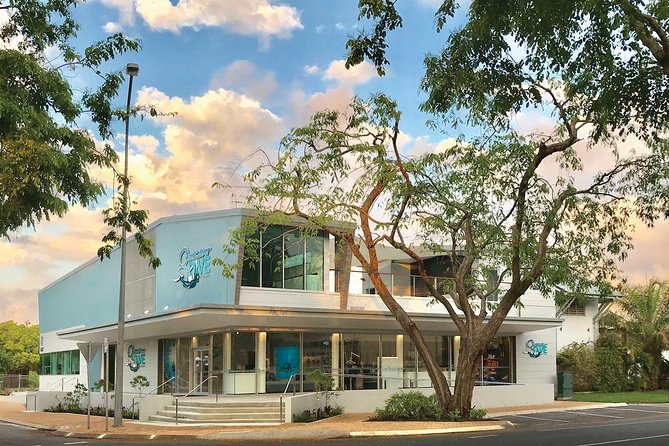
The first two days are at the Quicksilver training centre at 19 Warner Street, Port Douglas. This part matters because it’s where you learn the mechanics that keep you safe and relaxed later.
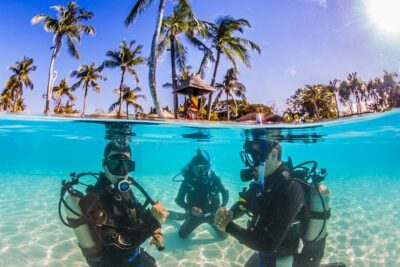
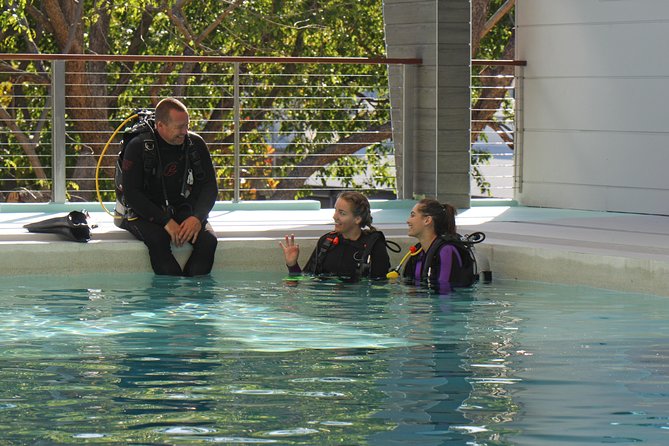
You’ll do a mix of theory and practice, and the big comfort factor is that the pool is heated. That doesn’t sound exciting on paper, but it changes everything. When the water isn’t fighting you, you learn faster and you’re less likely to feel panicky about the physical sensations.
During these training days, you should expect to work on core skills like:
- how to breathe consistently underwater
- how to control buoyancy
- how to move calmly and efficiently
- how to follow instructor guidance and check your gear
The course also supports different needs. You can use prescription masks if required, and the gear is provided. That’s useful if you don’t already own your own mask, fins, and the rest.
From the instructor style highlighted in participant feedback, coaching tends to be patient and confidence-building. Names that come up include Gordon and Haylie, and the common thread is that instruction focuses on safety first while still keeping the mood friendly.
Days 3 and 4: Outer Reef Trips to Agincourt Ribbon Reefs
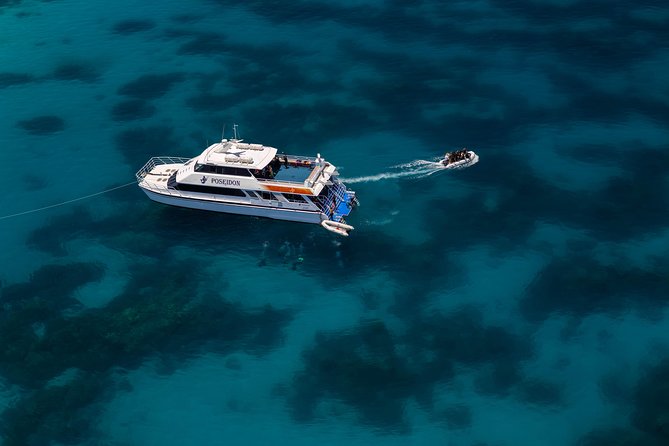
Then the course moves to the reef with two day trips to the Outer Reef on days 3 and 4. These are structured reef outings, not random snorkel-and-hope days.
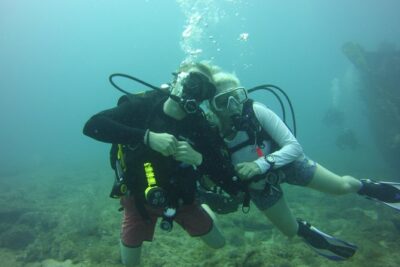
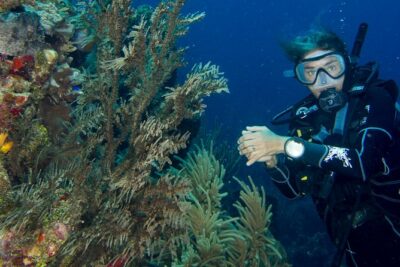
Your training location is the Agincourt Ribbon Reefs at the Great Barrier Reef. This is where you put your skills into a real ocean setting: you’re working with changing conditions rather than a controlled pool environment.
Each reef day includes:
- lunch
- morning and afternoon tea
- time on the water for the required skills plus extra fun sessions (remember, you’ve got 4 required and 2 optional/extra in-water sessions across the course)
One drawback to plan for: souvenir photos on the reef days are not included. If you care about having professional photos for your certification moment, treat that as an optional add-on cost.
Also, it’s recommended you don’t fly for 24 hours after your last in-water session. Since the final session is completed by about 2:30pm, that gives you some built-in time cushion, but you still need to respect the post-scuba routine.
What the Small-Group Coaching Really Means in the Water
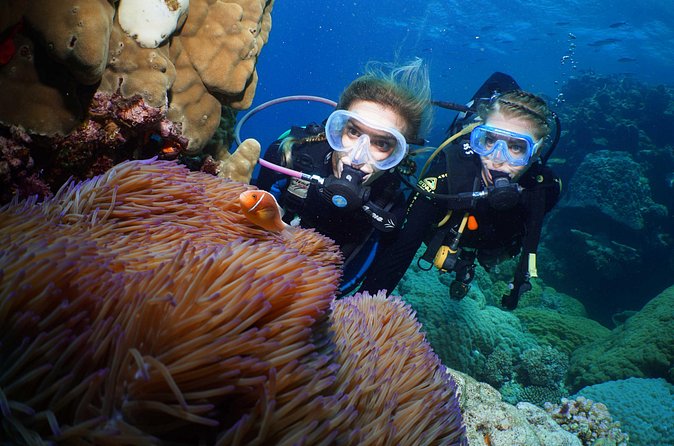
Small groups sound nice until you’re actually in training. Here, it affects your day-to-day experience.
With a maximum of 8 travelers, the instructor can:
- check your comfort level more often
- correct technique faster
- give you clear next steps without rushing
- help you adjust equipment so you’re not fighting your gear
And because the course is paced, you’re not thrown into the deep end emotionally, even if you’re learning in open water. That’s a big deal for first-timers. Names that show up in feedback for strong teaching include Adam, Emma, and India, and the emphasis tends to be on staying calm and building confidence step-by-step.
If you’re older, learning together with a friend or family member, or just someone who likes to understand what’s happening as you go, this course style is a good match. The structure is built for learning, not just for completion.
Gear, Log Book, and Meals: The Stuff That Makes the Course Feel Easy
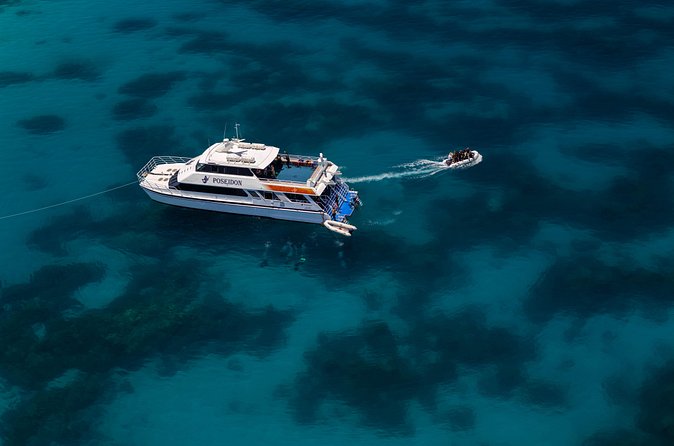
This is one of the best value parts of the package. The course includes:
- scuba gear
- log book
- heated training pool on days 1 and 2
- lunch each day
- morning and afternoon tea each day
- return coach transfers from Port Douglas accommodation only
- use of prescription masks if required
That means you can show up and focus on learning instead of doing a gear run. It also means you don’t have to plan meals during the busiest parts of your training.
The one logistics note that matters: return coach transfers are not included if you’re staying in Cairns and Northern Beaches. If you’re coming from outside Port Douglas, factor in that extra transfer cost so you’re not making last-minute decisions.
Price and Value: What $0.00 Means and How to Judge the Real Deal
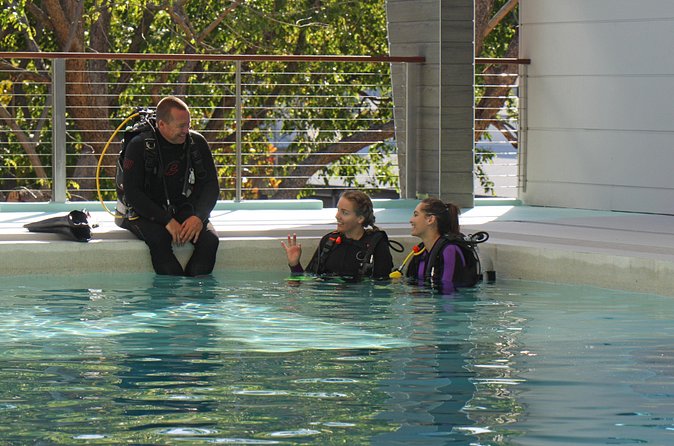
The price shown here is $0.00 per person, which usually means either a promotion, a system placeholder, or a price that changes based on your dates and details. Before you fall in love with the idea of a free certification, confirm the final total at checkout.
Even without guessing the real price, you can judge value by what’s already covered:
- training pool and instruction
- all included scuba gear
- log book
- reef taxes
- meals and snacks
- two Outer Reef day trips
- transfers from Port Douglas accommodations
If you compare what it would cost to piece these things together yourself—gear rental, boat day costs, reef charges, and a proper instructor-led program—this package tends to look reasonable. The main value is not just that you get on a boat. It’s that you get a guided learning sequence that leads to certification, with equipment and reef fees handled.
Who This Course Fits Best (And Who Might Want a Different Plan)
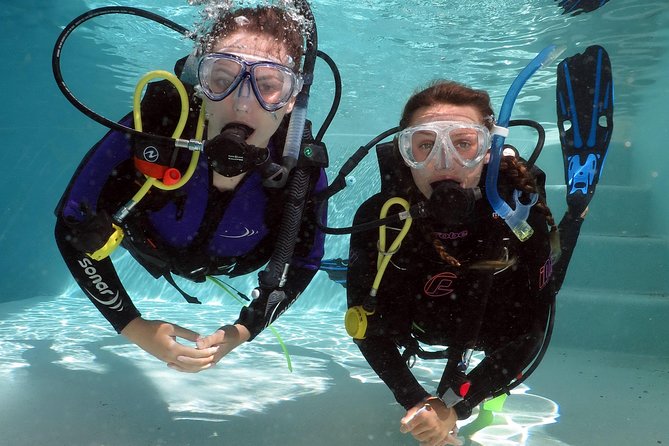
This course suits people who:
- want certification in a structured, safety-focused environment
- like the idea of small-group instruction
- are comfortable with early mornings and a full two-day training block
- want to experience the Great Barrier Reef without turning the trip into a complicated itinerary
It’s also aimed at people who can meet the physical requirements:
- swim 200m (or 300m with mask, fins, snorkel)
- tread water/float for 10 minutes
- have moderate physical fitness
There are also clear age and medical constraints:
- minimum age is 10 years
- some conditions like asthma, heart conditions, or diabetes may prevent diving
- you need to complete a student medical declaration, and if it flags concerns you’ll need a dive/scuba medical certificate stating you’re medically fit
If any of those health items are relevant to you, start the paperwork early. The course schedule will move forward based on readiness, and the medical timing requirement (within 90 days of your course start) is something you don’t want to scramble on.
Before You Go: Simple Tips That Reduce Stress
Here’s how I’d prep so you feel steady from day one:
- Bring your own swim comfort items if you have them. The course provides gear, but you know your body best.
- If you wear glasses or have any vision issues, make sure you’re ready for mask fitting. Prescription masks are available, but you’ll still need to be proactive about requirements.
- Plan your travel with the no-flying recommendation. A full 24 hours after your last in-water session is the rule of thumb provided.
- Expect the schedule to be active. The final in-water session ends around 2:30pm, but days start early and run long enough that you’ll want a relaxed evening plan.
And if your plans change, the booking terms allow free cancellation up to 24 hours in advance for a full refund. That’s useful if your reef trip depends on travel timing.
Should You Book Quicksilver’s 4-Day PADI Open Water Course?
Book it if you want a calm, coached path to certification in Port Douglas, with heated pool training first and two Outer Reef days later. This course is especially worth considering if you value small-group attention and you’d rather not manage gear, reef fees, and meals yourself.
Think twice or plan ahead if you know you’ll struggle with swimming stamina, you have medical questions that might require clearance, or you’re likely to travel soon after your last session (since you’re advised not to fly for 24 hours). Also, check the true total price, since the displayed cost here shows as $0.00 and you’ll want confirmation for your exact dates.
If you can meet the swim and medical requirements, this is a sensible way to get certified while still making your trip about the reef—and not about paperwork.
FAQ
What certification will I receive at the end of the course?
You’ll receive PADI Gold Open Water certification upon course completion.
Where does the course training happen?
Days 1 and 2 are at the Quicksilver Dive Training Centre on Warner Street in Port Douglas. Days 3 and 4 are day trips to the Agincourt Ribbon Reefs on the Great Barrier Reef.
How many in-water sessions are included, and how many are required?
The course includes six open-water sessions, with four mandatory and two fun sessions.
What’s included in the package besides instruction?
The package includes all dive/scuba equipment, a log book, a heated training pool on days 1 and 2, lunch, and morning and afternoon tea each day. Reef tax (Environmental Management Charge) is also included.
Do I need to bring my own mask?
No. The course includes gear, and you can use prescription masks if required.
What swim ability do I need before starting?
You need to be able to swim 200m (or 300m with mask, fins, and snorkel) and tread water for 10 minutes.
Is pickup included, and what areas does it cover?
Hotel pickup and drop-off is included from Port Douglas accommodation only. Return coach transfers from Cairns and Northern Beaches are an additional cost.