REVIEW · CEBU
Open Water Course (PADI)
Book on Viator →Operated by Scottys Action Sports Network · Bookable on Viator
Learning scuba by the ocean beats any classroom. In Cebu, this PADI Open Water course is interesting because it pairs real, step-by-step instruction with the chance to see the underwater world right away, starting from Scotty’s at Shangri-La Mactan.
I especially like the focus on safety and standards, with clear coaching that keeps you within your comfort zone. The standout in the feedback is the teaching style of Michel and Freddie, who take their time and explain things in a way that actually clicks.
One consideration: the price covers key items like equipment and fees, but it doesn’t include PADI materials, and lunch/drinks aren’t included either. Add those to your budget, and you’ll be in a better spot if weather forces a schedule change.
In This Review
- Key highlights before you book
- PADI Open Water in Cebu: what you’re really signing up for
- Price and what $400 covers (and what it doesn’t)
- Where it starts: Scotty’s at Shangri-La Mactan
- Two days of training: what you can expect in practice
- The Lapu-Lapu Monument stop: why it fits this course day
- Instruction quality that earns real confidence: Michel and Freddie
- Getting certified without losing your comfort
- What’s included: equipment, water, and the hidden value
- What you’ll need to plan: lunch, drinks, and PADI materials
- Weather matters: when Cebu can change the plan
- Private group setup and how it affects your learning day
- Should you book this PADI Open Water course?
- FAQ
- How long is the PADI Open Water course in Cebu?
- What time does the course start and where do I meet?
- Is this a private course or shared activity?
- What’s included in the $400 price?
- What’s not included?
- Do I receive a mobile ticket?
- What weather requirements apply?
- How far in advance should I book?
- What is the cancellation policy?
Key highlights before you book
- Safety comes first, with instruction paced to help you learn to standard without rushing you.
- Michel and Freddie’s teaching style gets repeated praise for being clear, patient, and organized.
- Scuba equipment is included, plus bottled water and all fees/taxes.
- Private group setup means it’s just your group, not a mixed crowd you have to match.
- Lapu-Lapu Monument is a scheduled stop near your resort base, giving you a quick Cebu flavor.
PADI Open Water in Cebu: what you’re really signing up for
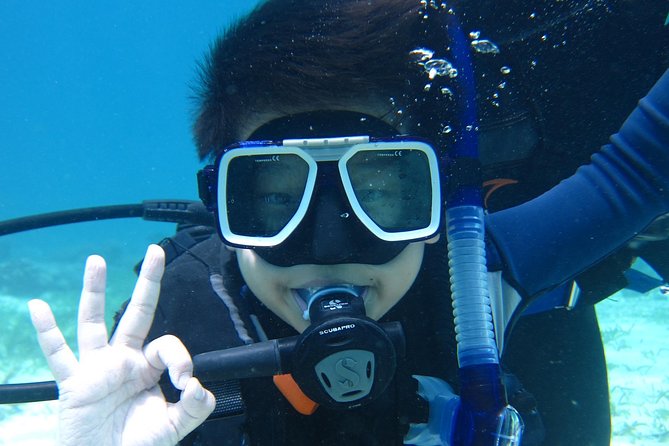
This is a PADI Open Water course in Cebu, and the core promise is simple: you’ll get the skills and structure to earn your scuba certification. PADI is described as the largest diving certification agency in the world, and that matters because it’s widely recognized. That usually means you can take your training experience with you—future scuba plans tend to be easier when you’re working off a globally known certification.
What makes this one feel practical is the grounding in a resort area and a dedicated provider. The start is at Scotty’s Action Sports Network, located inside Shangri-La’s Mactan island resort, so you’re not guessing where to go or how to manage a complicated pickup. You also get a mobile ticket, which is a small thing, but it reduces the usual travel-day friction.
You can also read our reviews of more tours and experiences in Cebu.
Price and what $400 covers (and what it doesn’t)
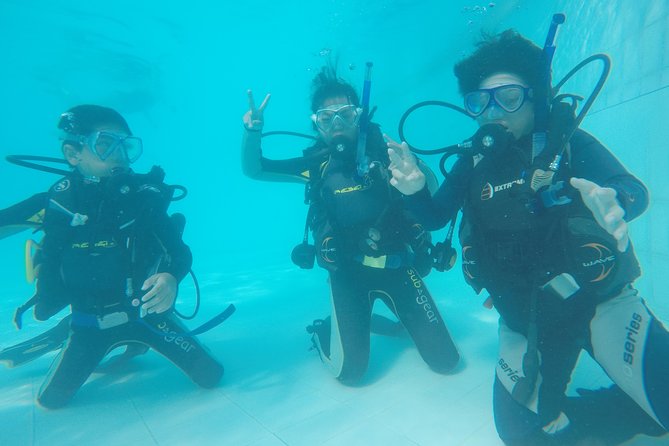
At $400 per person for roughly 2 days, this can be a good value if you compare it to the common extras that quickly stack up on many “beginner scuba” options. Here, scuba equipment is included, and so are bottled water and all fees and taxes. That’s a clean package for the most expensive parts of the experience.
What’s not included is equally important. Lunch, soda/pop, and PADI materials are listed as not included, and the note says you should contact upon booking for the materials. In real budgeting terms: if you arrive expecting lunch to be handled, you’ll need to sort food on your own. If you’re not ready for the PADI-materials add-on, that’s the piece that can change how expensive the course feels.
Also, booking patterns matter. It’s listed as something booked on average about 6 days in advance, which suggests you don’t want to leave it to the last minute if you’re traveling at a busier time.
Where it starts: Scotty’s at Shangri-La Mactan
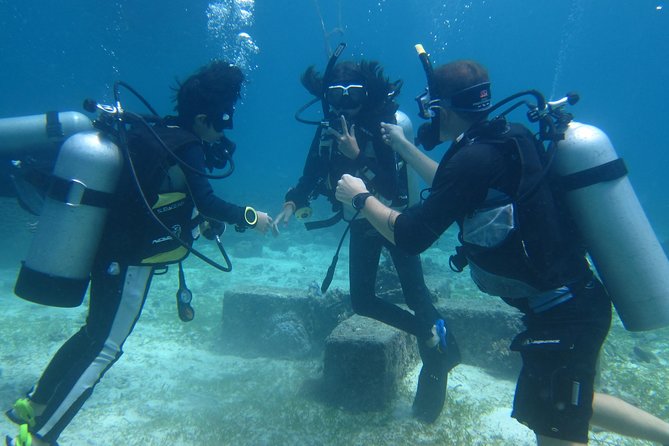
The meeting point is very specific: Scotty’s Action Sports Network Inc. c/o Shangri-La’s Resort and Spa, Punta Engaño Rd, Mactan island, Lapu-lapu City, Cebu. Start time is 9:00 am, and the activity ends back at the same meeting point.
For planning, that’s helpful in two ways. First, you can treat your morning as the anchor—start at 9:00, then you’re done at the same base. Second, because it’s described as near public transportation, you’re not forced into a complicated logistics puzzle if you’re not staying at the resort itself.
It’s also a private tour/activity. That doesn’t just mean a quiet experience; it often makes the learning environment smoother. Fewer people competing for attention typically leads to better feedback and more consistent pacing—especially in skills-based training like this.
Two days of training: what you can expect in practice
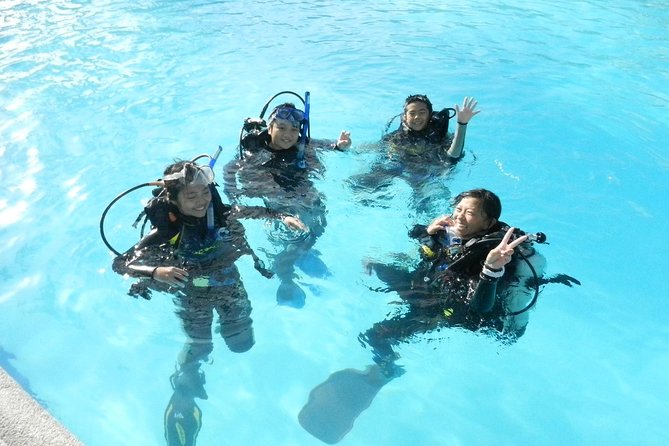
The information here doesn’t lay out a minute-by-minute itinerary, but it does give you enough to understand the shape of the experience. You’ll start at Scotty’s and then work through a guided learning process designed for newcomers. The course is framed for novices—people who are new to scuba or starting from scratch.
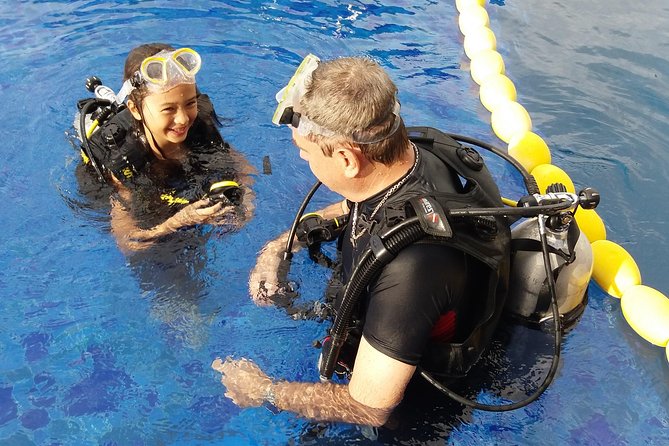
The teaching quality is backed by the strongest part of the reviews. The names Michel and Freddie come up with repeated praise for taking their time and delivering instruction that is clear and concise. Safety is described as always paramount, and the feedback highlights that they train everyone to standard while still respecting your individual limits.
So what does that mean for you? It means you should expect a coaching approach that focuses on technique and comfort, not just checking boxes. When an instructor keeps instruction clear and safety-centered, you’re more likely to feel in control instead of overwhelmed. In beginner-friendly training, that difference is huge.
The Lapu-Lapu Monument stop: why it fits this course day
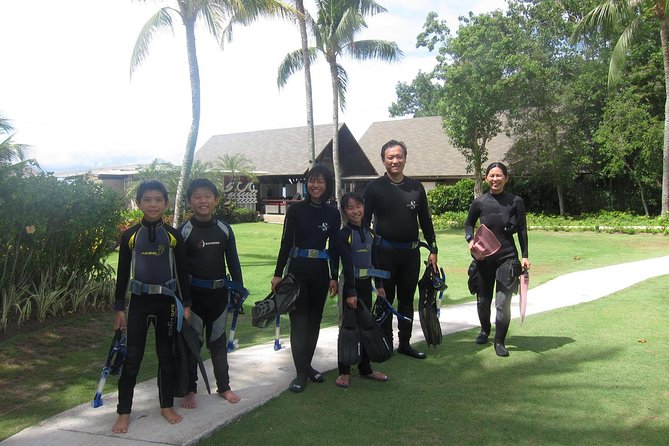
The itinerary includes Stop 1: Lapu Lapu Monument. The course notes also say the Lapu Lapu Statue is near the hotel and you may visit before or after the tour.
In plain terms, this stop works like a low-stress Cebu introduction. You’re starting from a major resort area, so you get a recognizable local landmark without needing extra planning. It also helps break up the overall day so it doesn’t feel like you’re only moving between training and paperwork.
What to watch for: since only that stop is explicitly listed, don’t assume a long sightseeing route. If you want extra tours, you’ll likely need to add them separately. Think of this as a quick, convenient cultural touch rather than a full-day tour.
Instruction quality that earns real confidence: Michel and Freddie
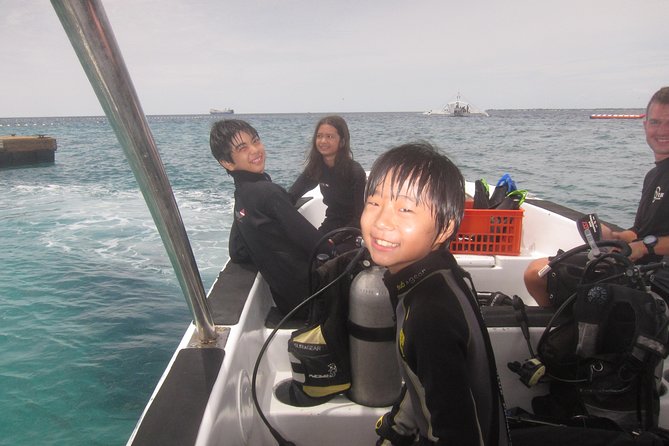
If you’re deciding between scuba training options, don’t ignore the details in the feedback—because the details explain how the course feels. The standout theme is how Michel and Freddie manage pacing and clarity.
One review calls the experience phenomenal and notes that Michel and Freddie take their time. Another highlights that they deliver clear and concise instruction, keeping everyone trained to standard while staying within comfort limits. Safety is repeatedly singled out as always paramount.
That combination matters. Clear instruction helps you understand what to do before you’re asked to do it. Patient pacing reduces the chance you’ll freeze up when you’re learning something new. And when the team genuinely prioritizes safety, you can relax enough to actually learn.
There’s also a sentence in the feedback that’s worth taking seriously: the experience felt surreal. That’s often what happens when a beginner finally gets a moment where the training clicks and the environment shifts from scary to awe-inspiring.
Getting certified without losing your comfort
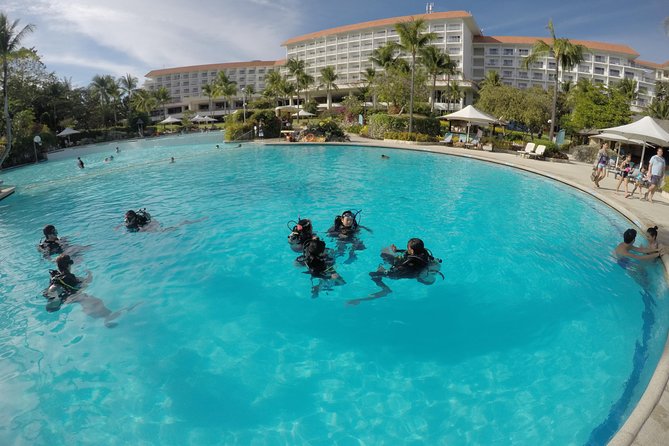
You’re not just buying equipment time. You’re paying for a structured learning experience that aims to bring you to certification standards. The reviews emphasize that the instructors work within people’s limits while still ensuring you reach the required standard.
That’s the best kind of beginner course adjustment: you don’t get watered-down training, but you also don’t get shoved past your comfort. In scuba-related skills, that matters because confidence affects everything—how calmly you listen, how steadily you breathe, and how well you retain instruction.
The course is described as suitable for most travelers. That’s still broad, so use it like a green light, not a guarantee. If you have strong fears about water or feel unwell easily, tell the provider so they can pace you appropriately.
What’s included: equipment, water, and the hidden value
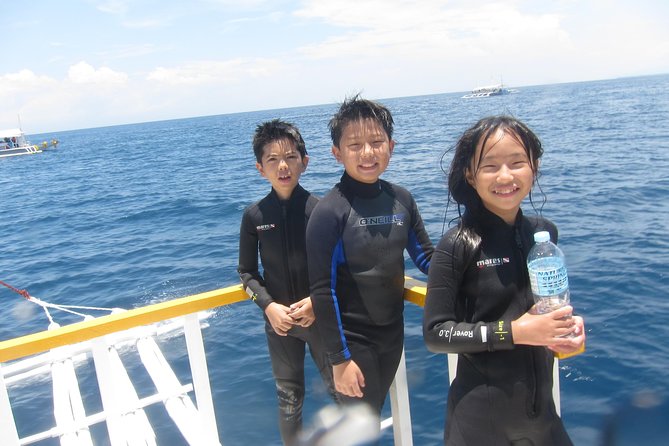
Included items are often where deals are won or lost. Here’s what’s clearly included:
- Use of scuba equipment
- Bottled water
- All fees and taxes
That’s a straightforward set of inclusions. The biggest practical upside is equipment. For first-timers, the equipment part can be confusing and expensive when booked separately. Having it included means you can focus on learning the fundamentals.
Bottled water helps too. Many training days involve repeated stops and waiting, and having water ready reduces little stressors that add up. And “all fees and taxes” is the kind of detail that keeps the final cost from surprising you later.
What you’ll need to plan: lunch, drinks, and PADI materials
Now for the parts that are explicitly not included:
- Lunch
- Soda/Pop
- PADI material (contact upon booking)
So you’ll want to plan food around the start time of 9:00 am. If you’re arriving early, grabbing breakfast nearby and keeping lunch plans simple will help. Since soda/pop isn’t included, if you’re someone who likes a specific drink, plan on bringing it along or buying locally.
PADI materials are the bigger budget variable. Because the note says to contact upon booking for the materials, you’ll want to confirm what you need before the course starts. This is one of those steps that can be easy to miss when you’re excited to get into the water.
Weather matters: when Cebu can change the plan
This experience requires good weather. If it’s canceled due to poor weather, you’ll be offered a different date or a full refund.
That’s not a small detail. In a tropical area, conditions can shift quickly, and training plans tied to water conditions can change. The good news is that the policy is straightforward: you get a reschedule option or your money back.
Also keep in mind the average booking window is about 6 days ahead. If your trip includes a packed schedule, pick dates with a little cushion so a weather adjustment doesn’t derail everything.
Private group setup and how it affects your learning day
The experience is described as private, meaning only your group participates. That changes the vibe from crowded and noisy to more focused.
For a course like this, smaller group learning can be a practical advantage. You tend to get more direct feedback, and instructors can adjust teaching to your group’s pace. It’s also helpful when you’re trying to build skills rather than just take a scenic ride.
If you’re traveling with friends or family, this can feel like a shared learning adventure. If you’re traveling solo, it’s still private in the sense that you won’t be blended into a random larger group.
Should you book this PADI Open Water course?
I’d book it if you want a beginner-first path to certification and you care about clear, patient instruction with a strong safety mindset. The repeated praise for Michel and Freddie is the biggest reason. The fact that equipment and fees are included makes the price feel more honest, and the resort-area meeting point keeps logistics manageable.
I’d think twice if you’re trying to keep costs ultra-tight without factoring in the PADI materials add-on and your meals. Also consider your schedule flexibility, since good weather is required and the plan can shift.
If you’re in Cebu and looking for a structured scuba certification experience, this is the kind of course that should make your first water time feel controlled, not chaotic.
FAQ
How long is the PADI Open Water course in Cebu?
It lasts about 2 days.
What time does the course start and where do I meet?
It starts at 9:00 am at Scotty’s Action Sports Network Inc. c/o Shangri-La’s Resort and Spa, Punta Engaño Rd, Mactan island, Lapu-lapu City, 6015 Cebu, Philippines.
Is this a private course or shared activity?
It’s a private tour/activity, so only your group participates.
What’s included in the $400 price?
Scuba equipment use, bottled water, and all fees and taxes are included.
What’s not included?
Lunch, soda/pop, and PADI materials are not included.
Do I receive a mobile ticket?
Yes, the experience notes a mobile ticket.
What weather requirements apply?
The experience requires good weather. If it’s canceled due to poor weather, you’ll be offered a different date or a full refund.
How far in advance should I book?
On average, it’s booked about 6 days in advance.
What is the cancellation policy?
Free cancellation is allowed up to 24 hours in advance for a full refund. If you cancel less than 24 hours before the start time, the amount paid is not refunded.