REVIEW · SRI LANKA
PADI Scuba Diver Course
Book on Viator →Operated by Divinguru Sri Lanka · Bookable on Viator
Two days to earn your first scuba badge. In Sri Lanka’s Nilaveli, this PADI Scuba Diver course puts you from classroom basics to controlled underwater skills, then into two open-water sessions—while keeping you within the certification’s limits.
I love the small-group feel (up to 8 people) and how the training is staged: theory for about half a day, confined water for about half a day, and then a focused morning of open-water work. I also like the safety-first teaching style at Divinguru, where instructors such as Ellie and Norbert are repeatedly described as patient, calm, and confidence-building.
One thing to watch: the certification side isn’t fully included. The PADI fee of 70 Euros (manual/certification costs) isn’t part of the course price, and lunch isn’t included—plus Scuba Diver caps your depth at 12 m with a PADI Professional, which may not match what you want long-term.
In This Review
- Key things that make this course worth your time
- PADI Scuba Diver: what your 12m limit really changes
- Your 2–3 day schedule in Nilaveli (theory, confined skills, open water)
- Half-day theory: the first OWD sections, no exam
- Half-day confined water training: first 3 OWD dives (skills only)
- One morning with two open-water sessions: from 8:30 to about 1:00
- Meeting point, pickup, and the practical day-to-day flow
- What you’re likely to see underwater off Nilaveli
- Instructor style and safety habits that help you relax
- Price and value: what $232.57 covers (and what costs extra)
- 70 Euros PADI fee is not included
- Lunch isn’t included
- Certification depth limit affects your long-term value
- Who this Scuba Diver course fits best
- Should you book? My practical take
- FAQ
- What is the maximum depth I’m certified for with PADI Scuba Diver?
- What’s included in the course fee?
- What is not included in the price?
- How long does the PADI Scuba Diver course take?
- Where do I meet for the course?
- How many people are in the group?
Key things that make this course worth your time
- You’re training to the Scuba Diver level (not Open Water): max 12 m, guided by a PADI Professional.
- Fast, structured learning: theory (first OWD sections without exam), then confined water skills, then two open-water sessions.
- Small max group size (8): you get more coaching attention than big “cattle call” formats.
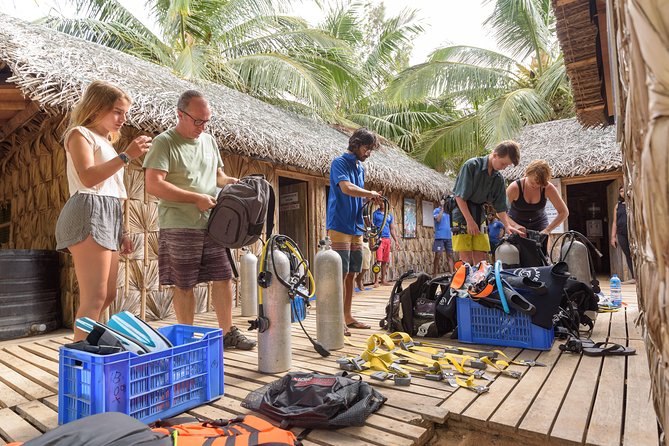
- Included basics that reduce hassle: private transport, snacks, bottled water, and coffee/tea, plus scuba equipment.
- Safety and comfort are a real theme: instructors like Ellie and Norbert are praised for staying patient and composed.
PADI Scuba Diver: what your 12m limit really changes
The PADI Scuba Diver course is the starter certification in the PADI ladder. It’s a subset of the Open Water Diver path, so you learn the essentials—but you earn a card that changes what you can do afterward.
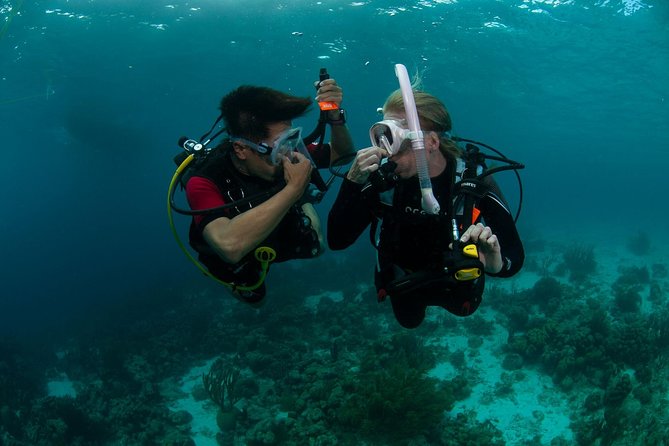
With Scuba Diver, you’re certified to go to a maximum depth of 12 m, and you dive together with a PADI Professional. That’s a smart first step if your goal is to experience real underwater life with guidance, and build the skills without the extra pressure of deeper limits.
If you’re aiming for more independence—like diving with your buddy up to 18 m—then you’ll want the PADI Open Water Diver instead. The good news is that this course is still valuable even if you plan to level up later, because your fundamentals will be in place.
You can also read our reviews of more tours and experiences in Sri Lanka.
Your 2–3 day schedule in Nilaveli (theory, confined skills, open water)
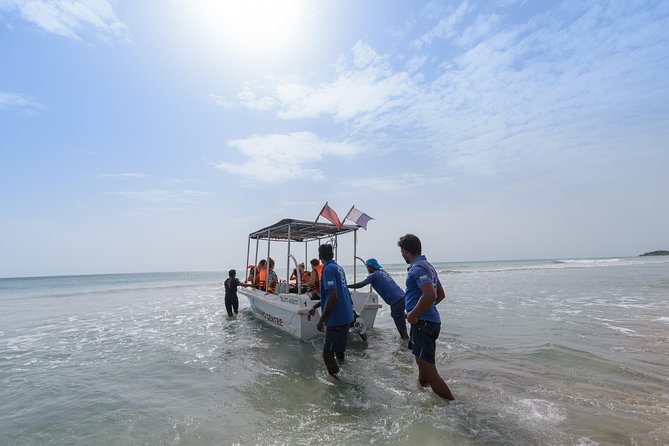
This course typically runs 2 to 3 days, with a mix of classroom work, pool-style training, and a morning of open-water sessions.
Half-day theory: the first OWD sections, no exam
You’ll complete the theoretical portion for about half a day. The course covers the first 3 sections of the PADI Open Water Diver material, but it’s noted that this Scuba Diver track is done without the exam step.
What I like about this setup for your first certification is simple: you’re not thrown into “pass/fail testing” immediately. You learn the why behind the skills—buoyancy concepts, safety procedures, and what to expect underwater—so when you hit the water, things feel less random.
Half-day confined water training: first 3 OWD dives (skills only)
Next comes confined water training for around half a day, using what’s effectively the first 3 practical dives from the Open Water curriculum.
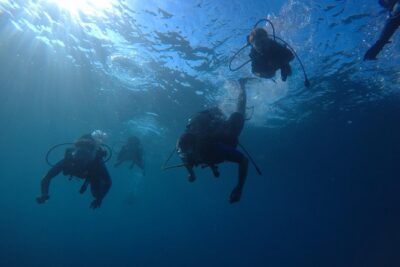
This is where you build muscle memory. Expect you’ll practice core tasks in a controlled setting, where instructors can correct your body position, breathing habits, and buoyancy before you ever deal with real open-water conditions.
One morning with two open-water sessions: from 8:30 to about 1:00
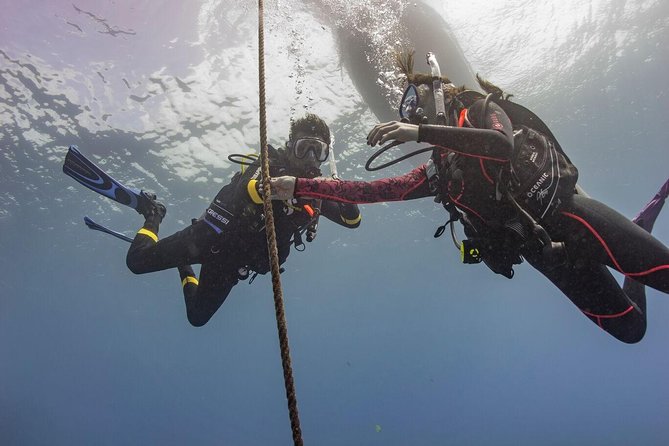
Finally, you’ll do one day with two open-water sessions, starting at 8:30 am and running to about 1:00 pm. This is the part that makes the course feel like a real vacation moment: you’ll apply what you learned and get actual time underwater.
Also, having two sessions back-to-back is useful. You can improve during the day rather than treating each attempt like a one-shot deal.
Meeting point, pickup, and the practical day-to-day flow
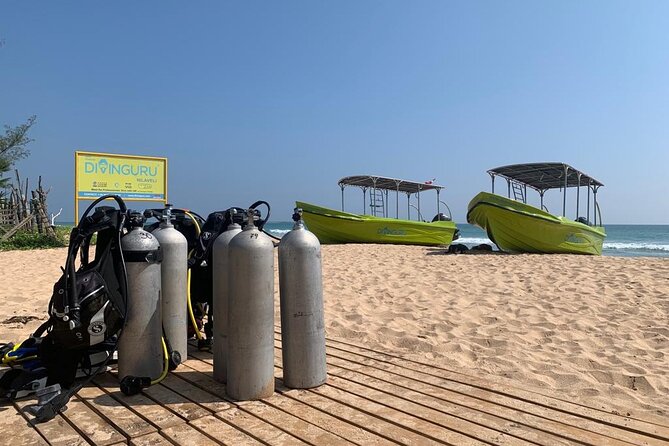
The course starts and ends at the Divinguru Nilaveli location in Nilaveli, Sri Lanka, and the activity finishes back at the same meeting point. The operator also offers pickup, and the itinerary includes private transportation—a big deal in a place where “figuring it out” can eat up vacation time.
The experience is built for comfort in the boring parts. You’ll get bottled water, coffee and/or tea, and snacks during the day, and the course includes use of scuba equipment. Those add-ons matter because your energy and hydration affect your learning.
The one obvious gap: lunch isn’t included. So I recommend you plan for food either before the course starts or bring a bit of flexibility for after the morning schedule.
Group size is capped at 8 travelers, which usually translates into less waiting and more instructor attention. It’s the difference between “I hope someone notices” and “someone is watching your technique.”
What you’re likely to see underwater off Nilaveli
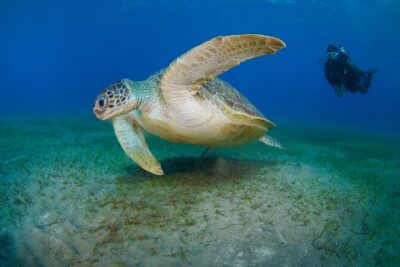
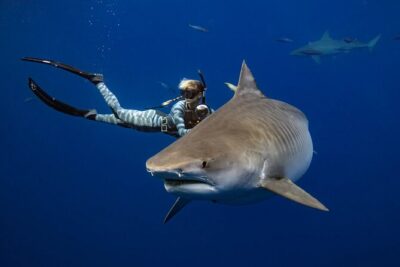
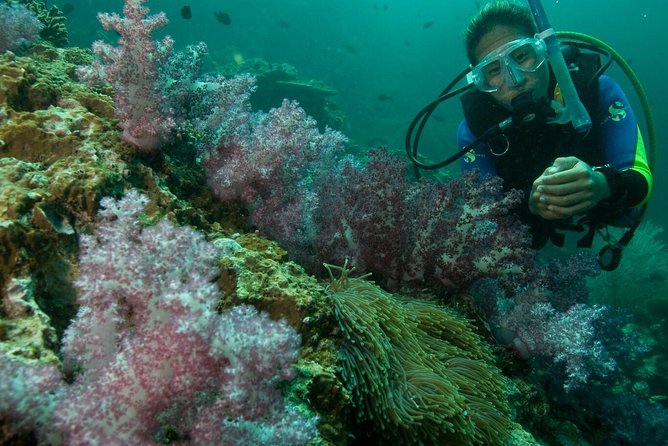
Nilaveli is known for clear, lively underwater wildlife, and the training setup here is built around showing you real marine life while you’re learning.
From what’s consistently praised by people who go through this center, you can expect underwater encounters like:
- Colorful reef fish
- Sting rays
- Marine animals such as turtles
- Wrecks, which often add structure and variety to underwater viewing
Even as a beginner, you’re not just doing drills in empty water. The aim is to make skills feel connected to living nature, not like you’re studying underwater math.
Important reality check: your actual sightings depend on conditions and what the sea is offering that day. But the instruction style is meant to keep you calm enough to look around, not just survive the next skill.
Instructor style and safety habits that help you relax
This is the biggest reason people love this kind of course: being comfortable underwater is a skill, and it’s taught.
At Divinguru, instructors like Ellie and Norbert come up again and again in feedback for a few consistent qualities:
- Patience when students need time to adjust
- A clear, organized approach to steps and decision-making
- Calm coaching that helps you stay safe when you feel uncertain
In real life, beginners often struggle with buoyancy and breath rhythm. The safest feeling is when corrections are specific and not scary. A peaceful instructor under water can make the difference between overthinking and just doing it.
Also, the center is described as modern and well equipped, with staff focused on keeping the process smooth—from signing in to getting you ready for each session. That kind of organization lowers stress before you even gear up.
Price and value: what $232.57 covers (and what costs extra)
The listed price is $232.57 per person for the PADI Scuba Diver course, with about 2 days as the estimate.
That price covers the experience services and several real-world expenses:
- Private transportation
- Use of scuba equipment
- Snacks, bottled water, and coffee/tea
- A structured course format over theory + skills + two open-water sessions
- A mobile ticket
But you should budget for the two big extras clearly stated for you:
70 Euros PADI fee is not included
There’s a PADI fee of 70 Euros that covers the PADI Scuba Diver manual and certification costs, and it’s explicitly not included in the course fee.
So if you’re comparing prices, treat the headline number as “instruction + operations,” then add the PADI certification/manual fee. That makes the total clearer and prevents surprise.
Lunch isn’t included
Lunch is not part of the package. It’s not a disaster, but it’s one more cost to plan so you don’t end up hungry during your hardest skill day.
Certification depth limit affects your long-term value
Here’s the quiet value point. Scuba Diver is perfect if you want guided underwater time and a foundation. But if you know you want independent buddy diving up to 18 m, then spending extra later on the Open Water Diver course might be a smoother path from the start. In other words: pick the level that matches your future plans.
Who this Scuba Diver course fits best
This course is a strong fit if you:
- Want your first PADI certification
- Prefer a guided approach to underwater experience (12 m with a PADI Professional)
- Like a structured training schedule with theory and controlled skills before open water
- Appreciate a small group and more attention per person
The course also notes moderate physical fitness is required. That doesn’t mean you need to be an athlete, but you should be comfortable with basic physical exertion and moving with gear while practicing skills.
If you’re coming in with zero experience, Scuba Diver is often the right confidence-builder. And if you’re already scuba certified but haven’t gone recently, the center is known for offering refresher options—handy if you want to rebuild comfort before a holiday.
Should you book? My practical take
Book this course if you want a clear, guided first certification and you’re okay with the Scuba Diver limits (12 m max with a PADI Professional). The course structure is efficient, and the inclusion of transport, equipment, snacks, and drinks makes it easier to focus on learning instead of logistics.
Skip or consider upgrading to Open Water Diver if you already know you want the freedom of buddy diving to 18 m. In that case, Scuba Diver might feel like a stepping stone you’ll rush past.
One more “timing reality”: it requires good weather. If weather forces changes, you should be flexible with your schedule. If you can travel with a little slack, this is exactly the kind of short course that turns into a real milestone.
FAQ
What is the maximum depth I’m certified for with PADI Scuba Diver?
Your PADI Scuba Diver certification allows you to dive together with a PADI Professional to a maximum depth of 12 m.
What’s included in the course fee?
The course includes bottled water, coffee and/or tea, private transportation, snacks, and use of scuba equipment.
What is not included in the price?
The 70 Euros PADI fee is not included, and lunch is not included. The course also notes that certificate and teaching materials are not included (except any PADI eLearning you may have).
How long does the PADI Scuba Diver course take?
It takes around 2 to 3 days. The schedule includes theory for about half a day, confined water training for about half a day, and one day with two open-water sessions from 8:30 am to around 1 pm.
Where do I meet for the course?
You start at Divinguru Nilaveli (a PADI 5 Star IDC resort area in Nilaveli) and the activity ends back at the meeting point.
How many people are in the group?
This activity has a maximum of 8 travelers.